WolfRepair Miami

414 conditions, 429 labels, all of them the manufacturer's own

Wolf error codes: what is on your display.

Type what you can see and the list filters to it — four characters such as 3C20, an E-number, or a word message like COMM ERR. Every one of these is published by the manufacturer on its own support pages, and this make decodes almost everything it displays, so these pages go straight to what the code covers and what it still does not tell you.

  • 414 conditions, each with its own page
  • 429 code labels and signals covered
  • 142 you can act on yourself
  • from $95 diagnostic, credited to the repair

Book a visit

Book a diagnostic visit

Your model number and a line about what it is doing is enough to get started. We will confirm the earliest slot we can genuinely keep.

  • Diagnostic from $95, credited toward the repair when you go ahead
  • The work and the price in writing before anything is opened
  • A warranty on our workmanship
  • Miami-Dade, Broward and Palm Beach counties
  1. 01 You tell us the model and what the unit is doing. A photo of the display helps.
  2. 02 We come back with the earliest slot we can genuinely keep, not the earliest one that sounds good.
  3. 03 Diagnosis on site, then the scope and the price in writing before anything is opened.

Your details stay private. No spam, ever.

Loading the booking form…

The booking form is taking longer than it should. Call (305) 449-9681 and we will book the visit with you.

Find your code

Search the full list

Codes are written differently across generations — E24, E-24, E6103, E61-03 and four flashing lights are all the same condition. Type whatever you can see; spaces and dashes do not matter, and the older labels find the page too.

414 conditions covering 429 published labels, every one of them read off the manufacturer's own support pages. If your code is not here it is not necessarily invalid — some are shown only in service mode, and some belong to a model year. Call (305) 449-9681 with the model number and what the display is doing.

Two alphabets, forty years apart

Four characters, or an E-number, or a word.

The current ranges and M Series ovens report a problem as four characters — 3C20, 0221, 5521 — and the structure is the useful part: the last two say which cavity and which board saw it. The legacy and European-built machines say it differently, as an E-number such as E01 or as a message in words: COMM ERR, COOL FAN, CHECKSUM, FUSES WRONG.

Which alphabet is on your display places the appliance in time before we have asked a single question. Both are here, one page per condition, and the search above finds either.
Start from the symptom instead
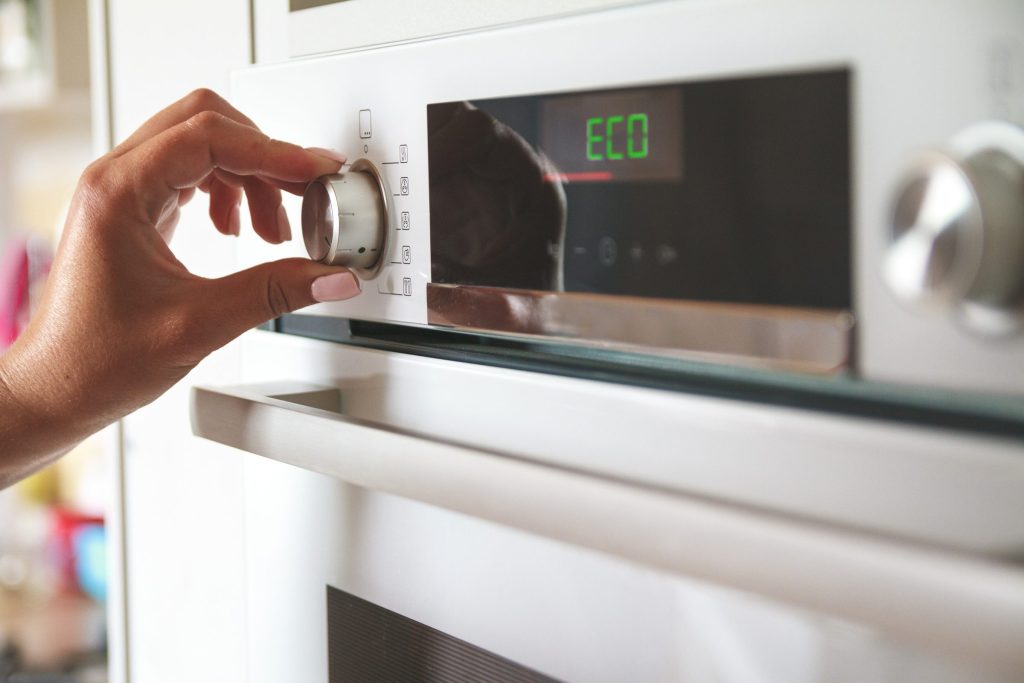
A hand turning the mode dial on a wall oven whose display reads a word rather than a number

Before you call

Four things worth having in front of you

Codes clear themselves, and the one thing nobody can recover afterwards is what the display actually said. These take a minute and they are usually the difference between one appointment and two.

Write it down

  • Photograph the display, every character of it — a code with a colon and a second number means both halves matter
  • Take the model number from the plate: behind the kick panel on a range, on the side of the opening behind a wall oven door, under the front lip of a cooktop

Then try the free thing

  • Five minutes genuinely off at the breaker, not standby — it clears a real share of them
  • And note whether the code came back, because a code that survives that is a code that means something

A word rather than a number?

BAKE STONE and PROBE SHORTED are codes too, and they are in here.

Some of this equipment says what is wrong in words rather than digits — a bake stone message, a probe shorted message, a touch sensor message. They are as specific as any number and they are searchable here alongside the numbered ones.

Tell us the model number and exactly what the panel says, and we will tell you whether it is something to check yourself or something to book. Call (305) 449-9681, or describe it in the form above.

By what it is doing

Start from the symptom instead

If the display is not telling you anything useful, start from what the appliance is doing. Each of these covers the likely causes cheapest first and what to check yourself.

  • A black oven set under the counter in a bright kitchen.
    The code names the circuit

    Oven not heating

    An oven that sets a temperature and stays cold, or heats on one mode and not another. On this brand the display usually says which circuit is missing before anybody opens anything.

    What it usually means
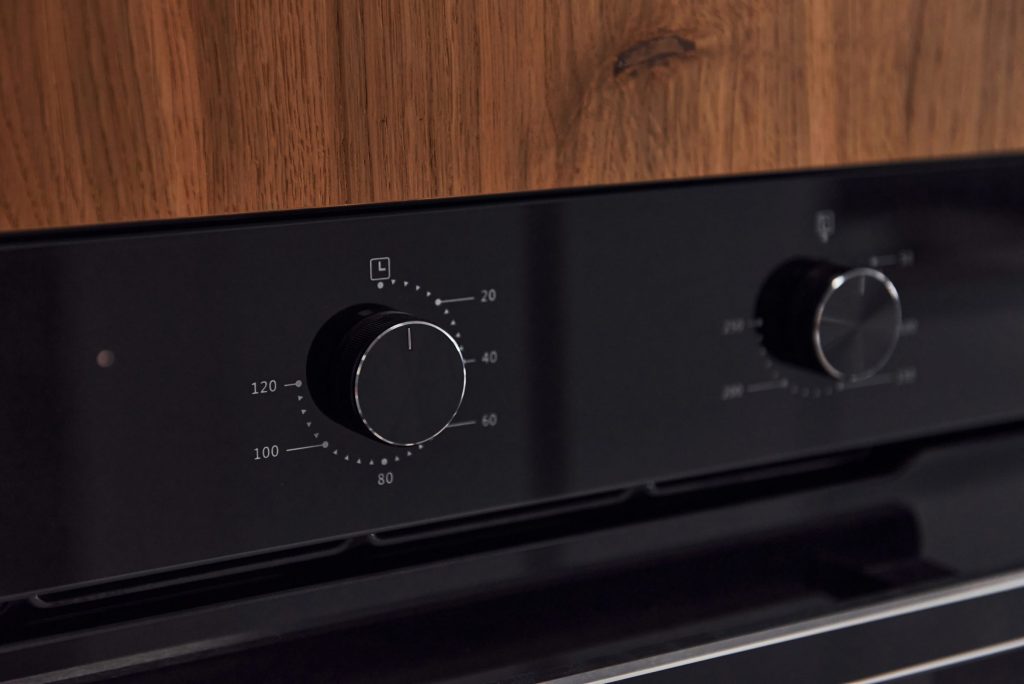
  • The black control panel of a built-in oven in walnut cabinetry, two dials marked with a temperature scale
    Obedient, and aiming at the wrong number

    Oven temperature wrong or uneven

    An oven that heats perfectly to a temperature that is not the one you set, or that burns on one side and undercooks on the other. Almost always a measurement problem rather than a heating one.

    What it usually means
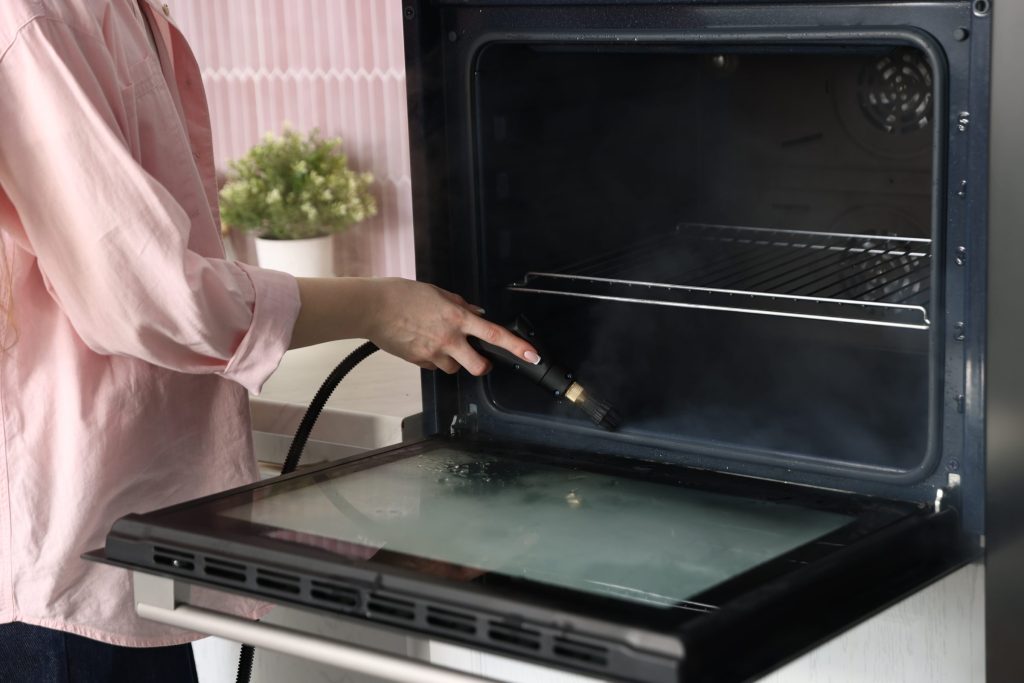
  • Someone cleaning the inside of an oven with a steam lance, the door lowered
    The cycle found it rather than caused it

    Oven dead after a self-clean cycle

    The oven ran its cleaning cycle and has not worked since. It is common, you did nothing wrong by using the feature, and what failed was usually already marginal before the cycle started.

    What it usually means
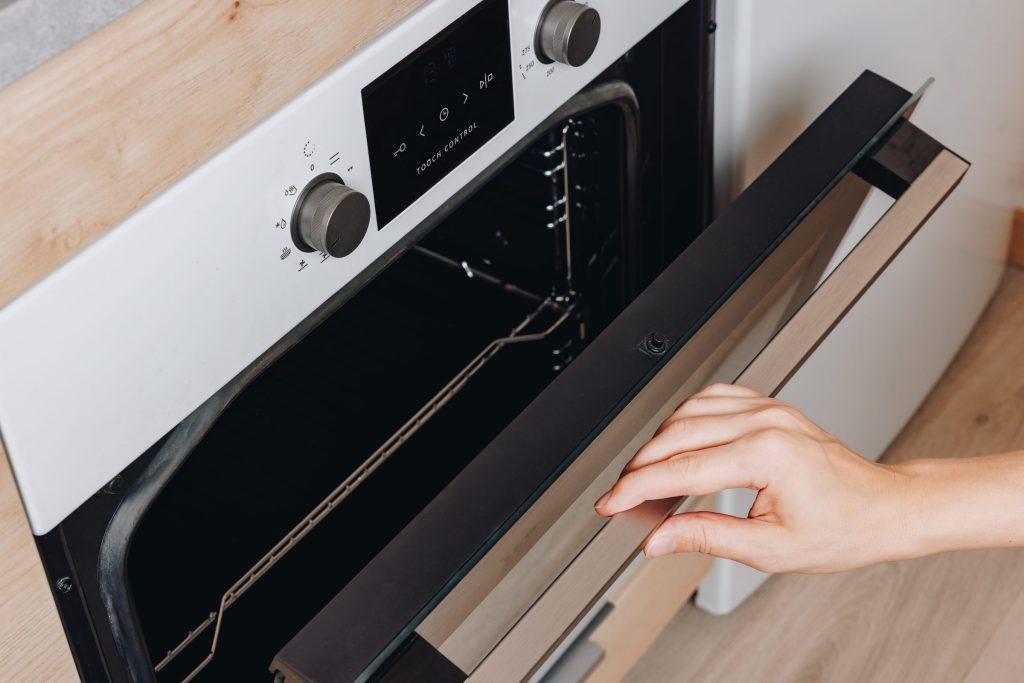
  • A hand on the handle of a white built-in oven, drawing the door open
    The one worth calling about today

    Oven door locked shut

    The door will not open, usually after a cleaning cycle. Everything else on this site can wait a few days; this cannot, because the oven is not degraded — it is unusable.

    What it usually means
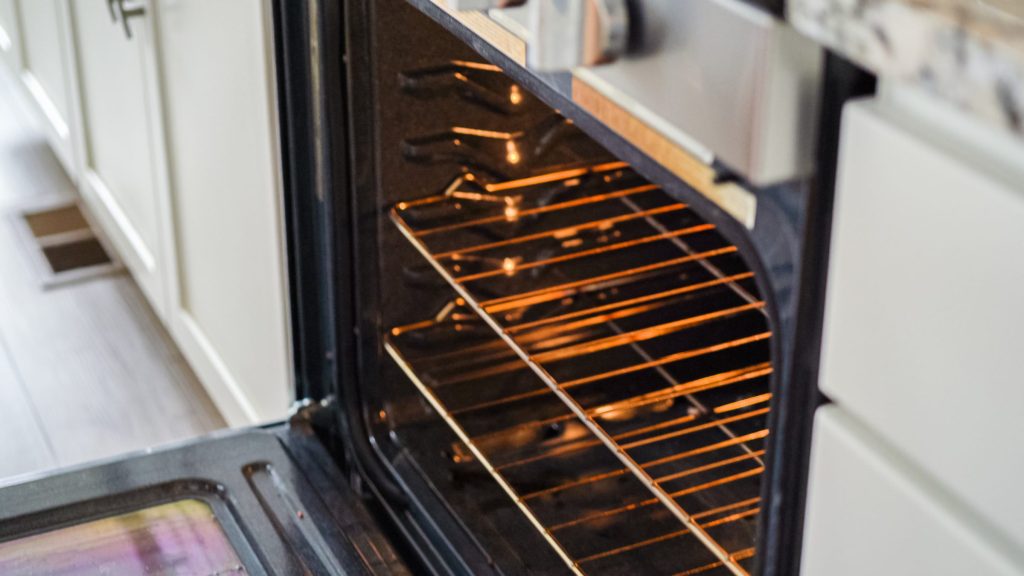
  • A built-in oven standing open, its door down and the cavity lamp lit on empty racks
    Heavy doors and sprung hinges

    Oven door not closing properly

    A door that has dropped, will not sit square, or lets a line of heat out along one edge. These doors are heavy, and the hinges carrying them are sprung assemblies rather than simple pivots.

    What it usually means
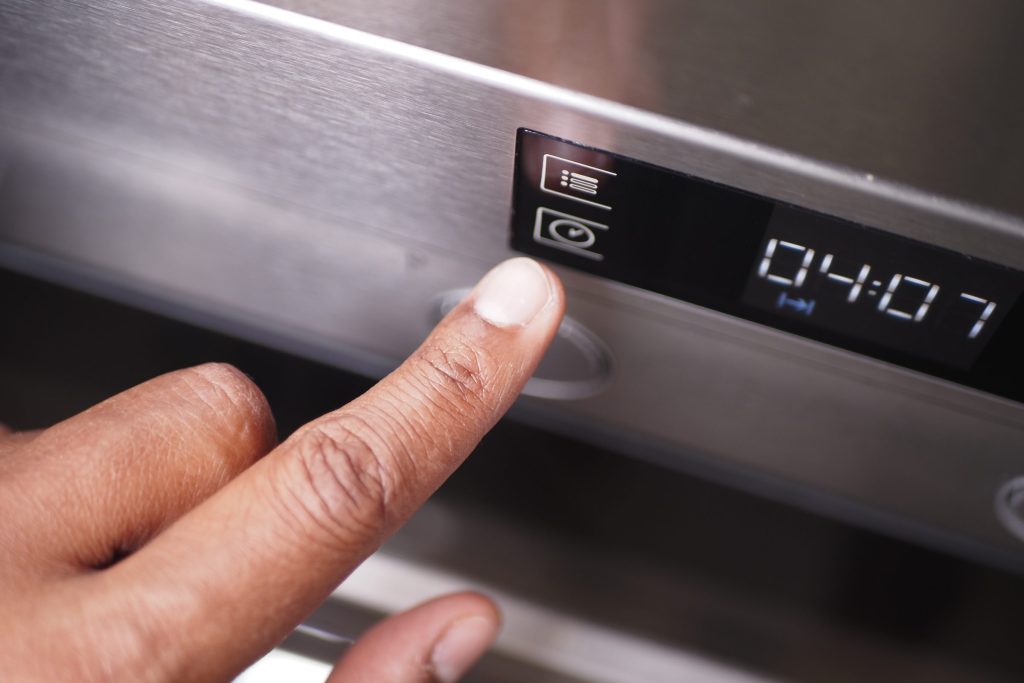
  • A finger pressing a touch control beside a segment display counting down
    Dry it before you diagnose it

    Oven controls not responding

    A panel that ignores you, presses its own buttons, or answers some keys and not others. On a capacitive panel the commonest cause costs nothing to fix and takes thirty seconds.

    What it usually means
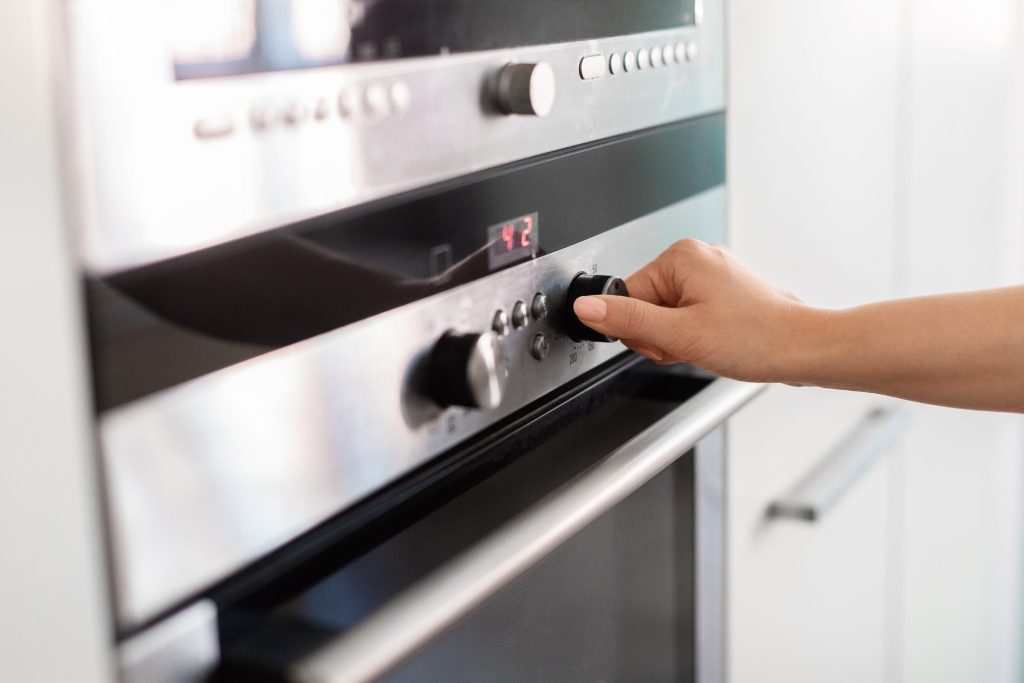
  • A hand turning the temperature dial on a stainless wall oven, red display lit.
    Which board stopped talking

    Oven display blank, frozen or erratic

    A display that has gone blank, frozen part-way, or is showing something that makes no sense. The appliance often still works underneath, which is a clue rather than a comfort.

    What it usually means
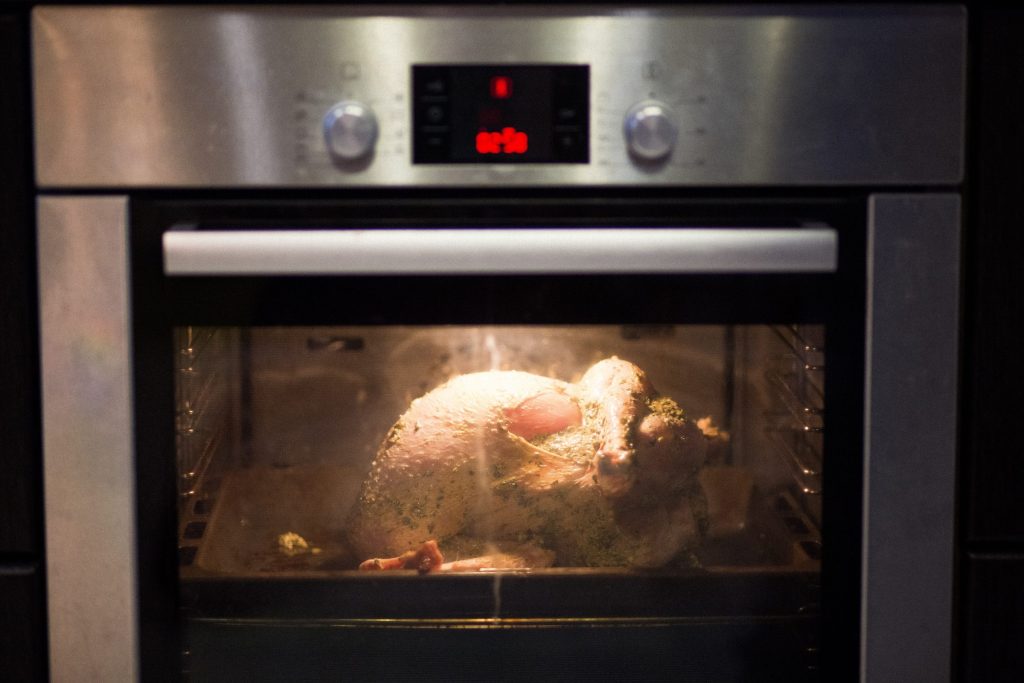
  • A built-in oven with a red segment display lit above the door, a roast inside
    Every beep here means something

    Oven beeping and will not stop

    An oven that beeps at intervals, beeps continuously, or beeps at three in the morning. It is trying to tell you something, and on this brand what it is trying to tell you is usually published.

    What it usually means
  • The back wall of a black oven cavity, the round convection fan cover behind the rack
    Which fan decides how urgent it is

    Oven fan not working

    There are two kinds of fan in this appliance and they matter very differently. A convection fan that has stopped affects your cooking; a cooling fan that has stopped is an oven quietly damaging itself.

    What it usually means
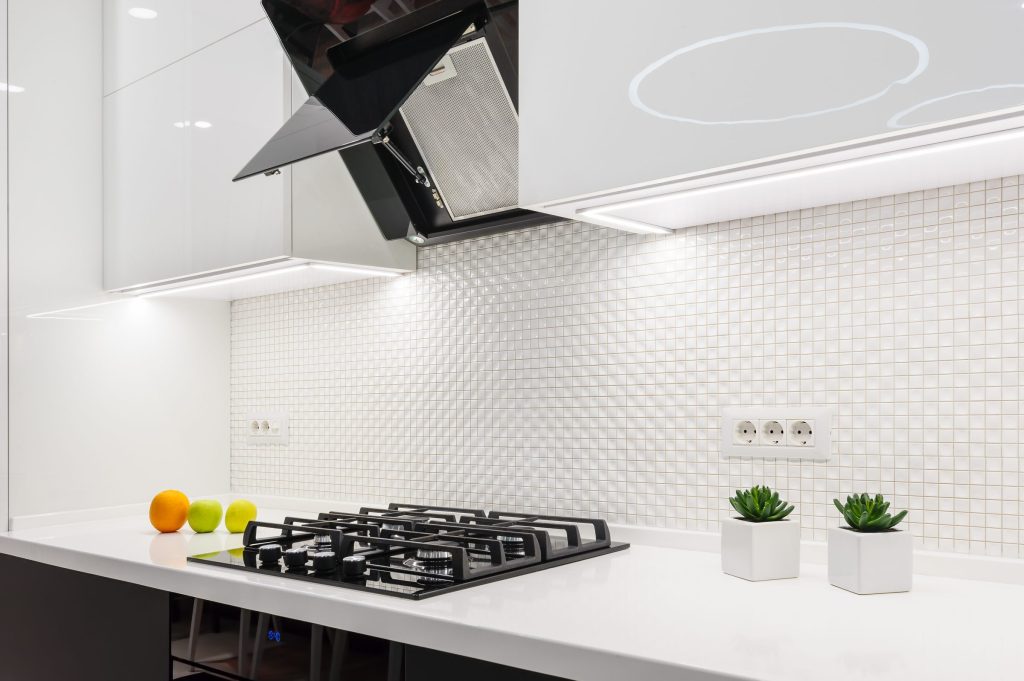
  • A white kitchen with a mosaic splashback, angled hood and gas cooktop.
    Usually the appliance behaving correctly

    Oven fan will not turn off

    The oven is off, the kitchen is quiet, and the fan is still running. On professional equipment this is normal far more often than it is a problem, and it is worth knowing which before booking anybody.

    What it usually means
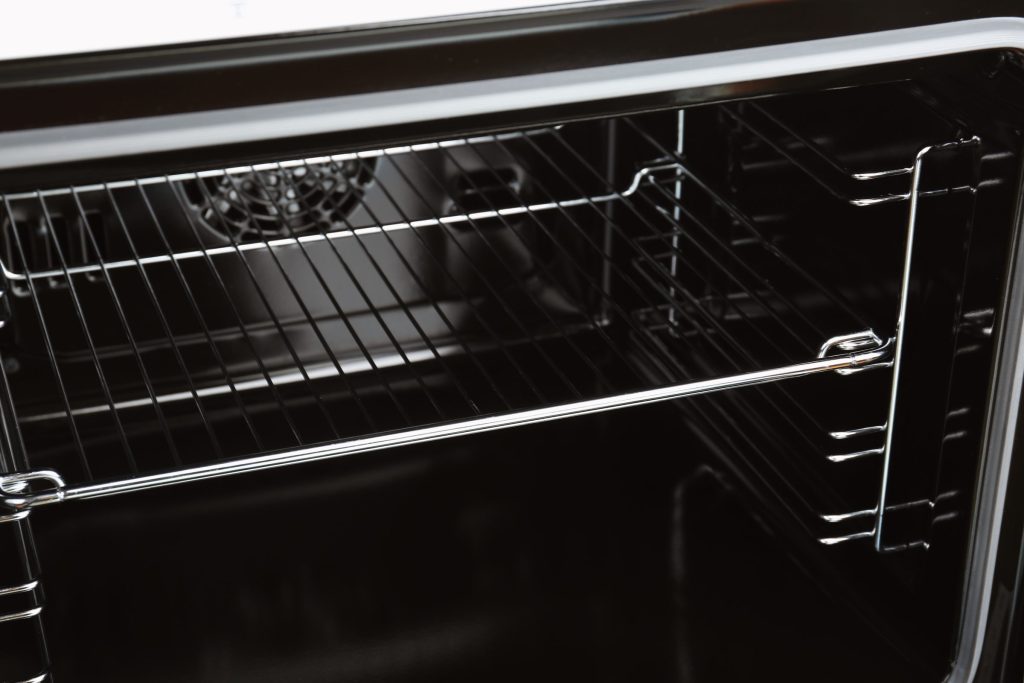
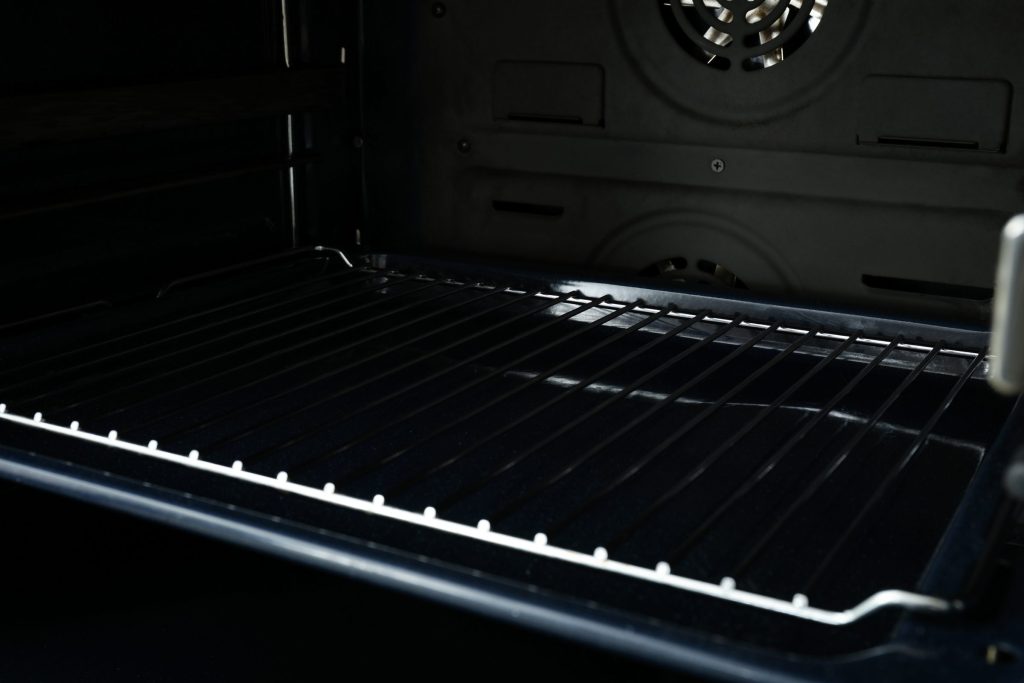
  • The inside of an unlit oven — one rack, the fan cover and the element housing at the back.
    The cheapest page on the site

    Oven light not working

    A cavity light that has stopped, will not switch off, or comes on by itself. Small, cheap, and occasionally a symptom of something that is not small at all.

    What it usually means
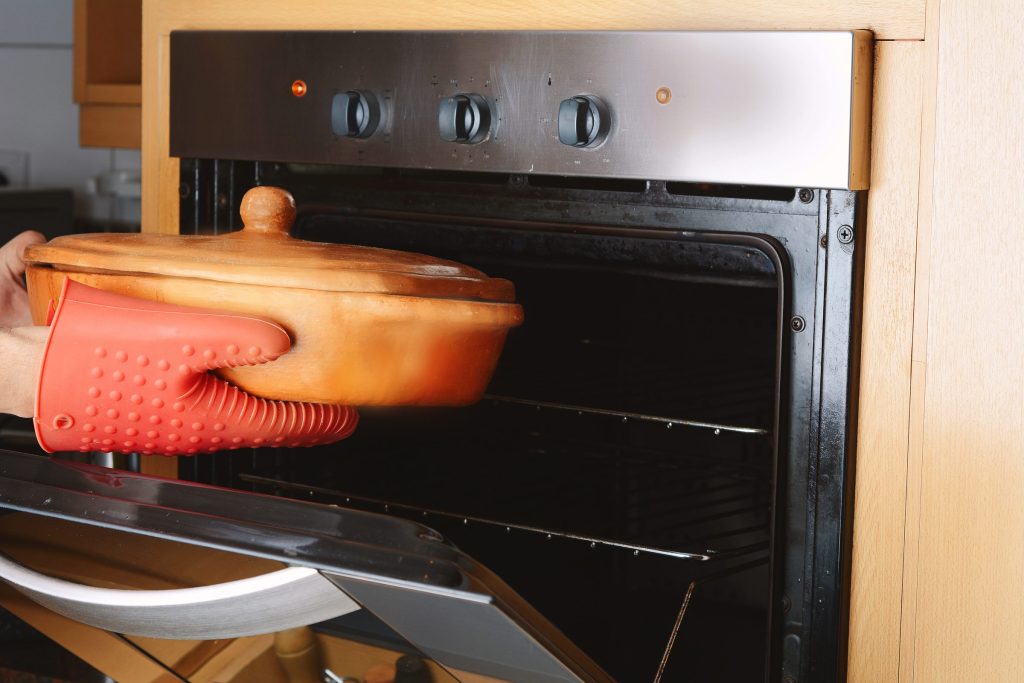
  • A gloved hand setting a covered dish onto the rack of a hot oven
    Test it by taking it out

    Meat probe not reading

    The temperature probe reads nonsense, reads nothing, or throws an error the moment it is plugged in. The first test costs nothing: run the oven without it.

    What it usually means

About codes

What people ask us about error codes

Is there a Wolf error code list I can download?

The manufacturer publishes its codes across its own support site, one page per code and per product line — several hundred of them. The list here is compiled from those so you can search all of them at once, in both alphabets, with the machine named on every page. We do not reproduce the manufacturer's own wording or repair procedures.

What does a code like 0221 or 3C20 actually mean?

It is a published condition on the current generation, and the last two characters are the most useful part — they say which cavity and which board reported it. 0221 is a shorted element drive on the right or single oven; 0222 is the same condition on the left. Read the whole four characters out when you call; the last two do most of the work.

How do I clear a code?

Five minutes genuinely off at the breaker clears a good number of them. Clearing a code does not fix what caused it — if it returns, it is telling you something. Photograph the display before you cut the power; the code will be gone afterwards.

Do you cover the warming drawer, the coffee system and the outdoor grill?

All three, and the first two are in this archive. The warming drawer publishes five conditions — 10, 40, 50, 60 and PF — and the coffee system publishes one, the circuit fill message, which is a phrase rather than a number and means air in the line. The grills are different: this maker publishes no code for any outdoor grill at all, exactly as it publishes none for the gas burners on a rangetop, so there is nothing here to look up and <a href="/symptoms/">the symptom pages</a> carry that diagnosis instead.

The code says what is wrong. Why would I need a technician?

Sometimes you do not. What a published cause names is a circuit rather than a component: a network condition covers two boards and the harness between them, and a supply condition may turn out to be the house wiring rather than the appliance at all. Where the honest answer is that a power cycle or a descale ends it, the page says so.

Photograph the display, then tell us the model.

Those two things are usually enough for us to say what is likely, what it involves, and what it should cost before anyone comes out.

This article is based on:

  • Official manufacturer documentation
  • Internal repair procedures
  • Technician repair history
  • Company quality standards
Call (305) 449-9681