Appliance
Wolf built-in coffee systems
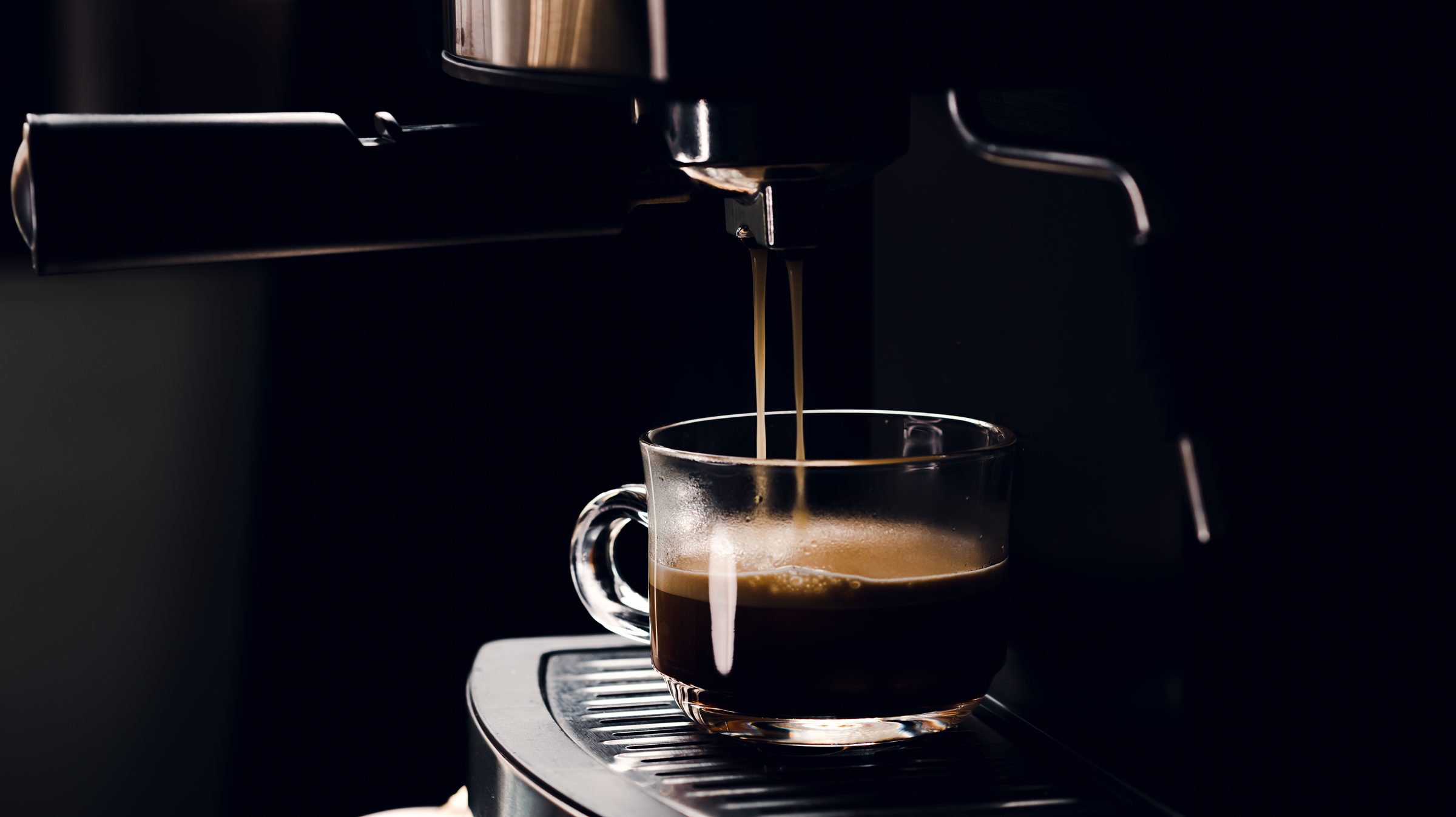
A plumbed espresso machine built into a cabinet run: a pump, a boiler, a grinder, a brew unit and a milk circuit behind one door. It is the most mechanical appliance in this kitchen and the one most affected by what comes out of a Miami tap, which is why almost everything we are called for on it starts with water.
- 5 symptoms we are called out to
- From $95 diagnostic, credited to the repair
- 59 cities and neighborhoods covered
- OEM parts available on order
The short version
What this equipment is, for a repair
Configurations
EC24 · EC2450 · EC3050 · Plumbed & tank-fed
Access
Planned before the visit, not discovered on arrival
Parts
OEM, available on order
Diagnostic
From $95, credited to the repair
What goes wrong with it
Symptoms we are called out to on Wolf built-in coffee systems
Each one covers the likely causes in the order they are worth checking, and what to do in five minutes before booking anything.
-
Water first, every time Coffee system not brewing
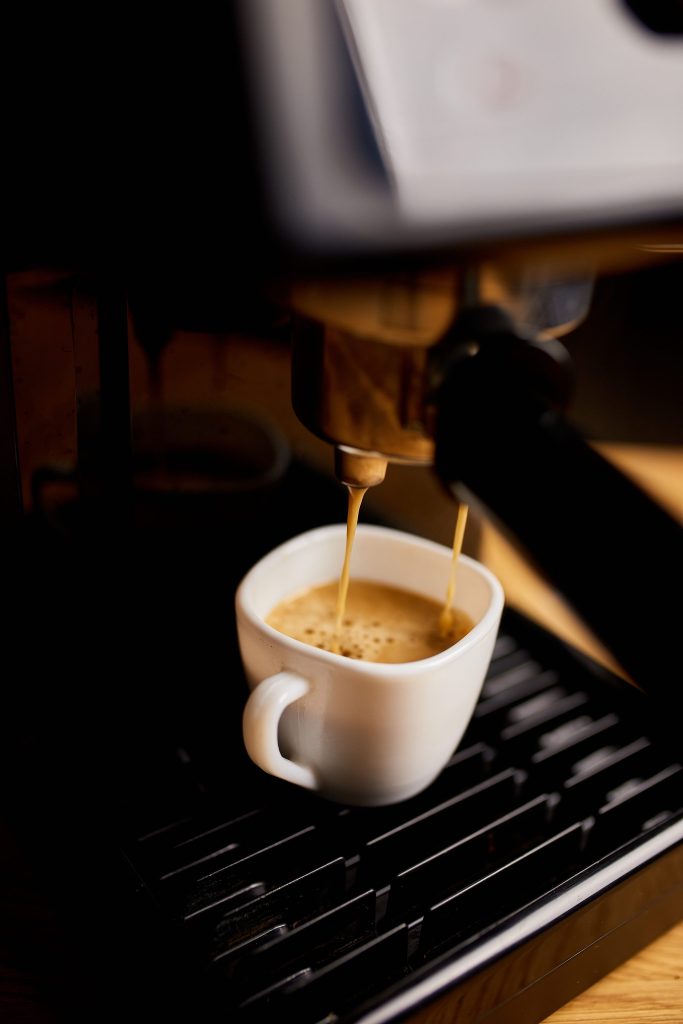
Nothing comes out, or a shot that runs thin and fast, or a machine that asks to be filled when it is full. On a built-in coffee system almost everything in this list starts with water — the tank, the line, the scale, and what Miami water leaves behind.
- No coffee, or a message instead of one
- A shot running thin and fast
- A circuit fill message that will not clear
-
Worth reporting quickly in joinery Coffee system leaking water
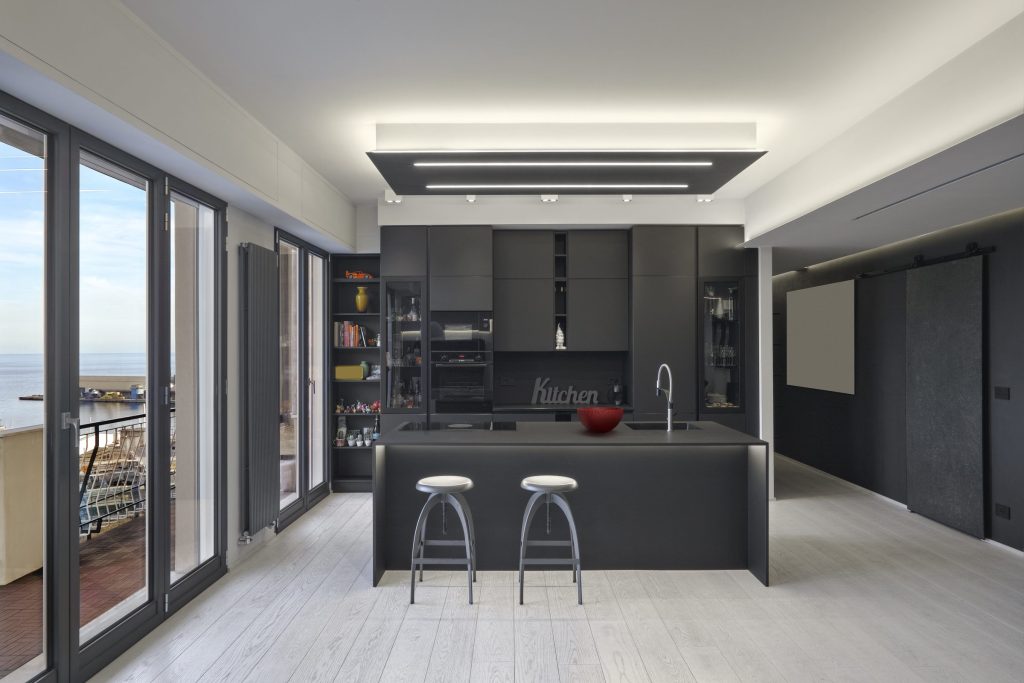
Water on the shelf, at the front of the cabinet, or running down behind the unit. On a plumbed appliance built into a cabinet run this is the one thing worth calling about the same day, because the damage is to the joinery rather than to the machine.
- Water at the front, under the drip tray
- Damp at the back of the cabinet
- A puddle after every drink
-
Beans, a stone, or worn burrs Coffee grinder loud or grinding nothing
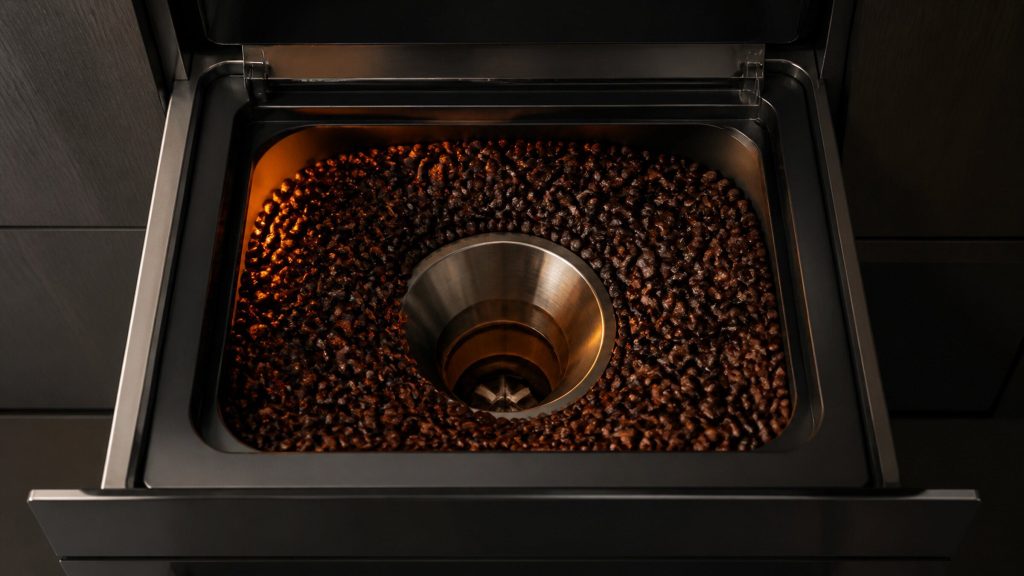
A grind that has turned harsh and rattly, a motor that runs and delivers no grounds, or a machine asking to be filled with a hopper that is full. The grinder is the one part of a coffee system that is designed to wear out.
- A harsh, rattling grind
- The grinder runs and no coffee follows
- A fill message with beans in the hopper
-
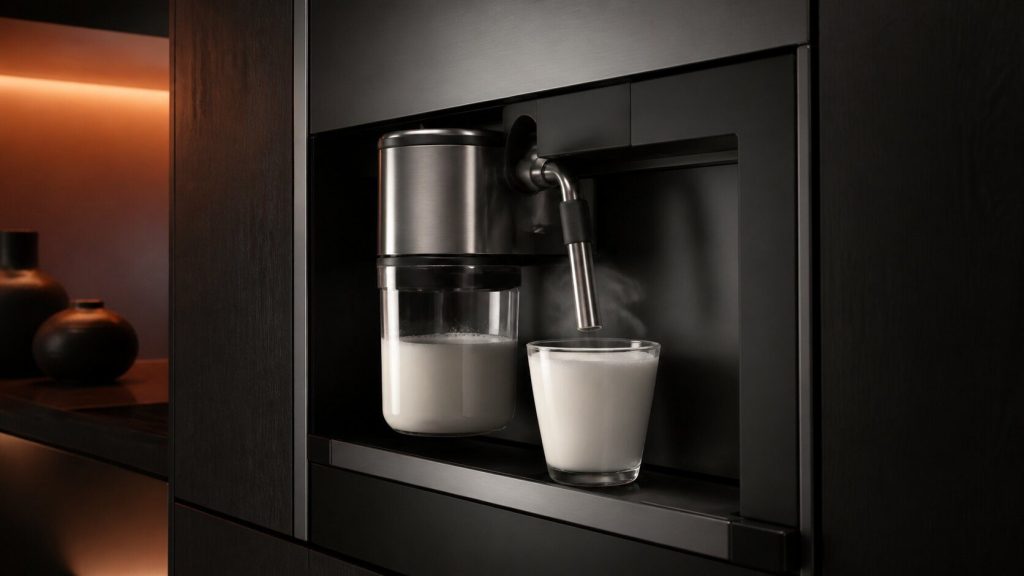
Nearly always the cleaning cycle Milk not frothing
Flat milk instead of foam, a frother that spits and splutters, or a cappuccino that arrives as warm milk with coffee sitting on top. On a built-in system this is a cleaning problem far more often than a broken one.
- Warm milk and no foam
- A frother that spits
- Foam one day and none the next
-
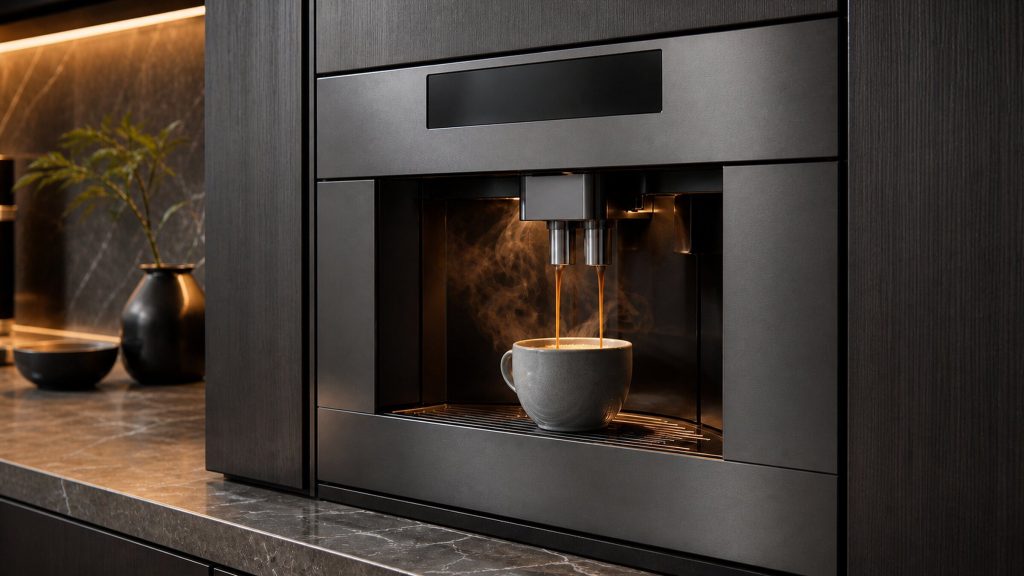
A cold cup, or a scaled boiler Coffee not hot enough
Espresso that is drinkable but never hot, a long coffee that goes cold before it is finished, or a machine that used to be hotter than it is now. Two of the causes are yours to fix in a minute and one of them is ours.
- Coffee warm rather than hot
- A long cup cold before the end
- Hotter last year than it is now
What we do on it
Repairs we carry out on Wolf built-in coffee systems
Starting figures for this equipment in South Florida. The exact cost is confirmed after an on-site diagnostic — and this is not the whole list of what can go wrong, so call if your problem is not here.
-
from $95 Diagnostic visit
Somebody who works on this equipment every week, in front of your appliance, telling you what is wrong and what it costs to put right. Credited against the repair if you go ahead.
- Codes read out of the control, not guessed at
- A written figure before any work starts
- Credited to the repair when you go ahead
-
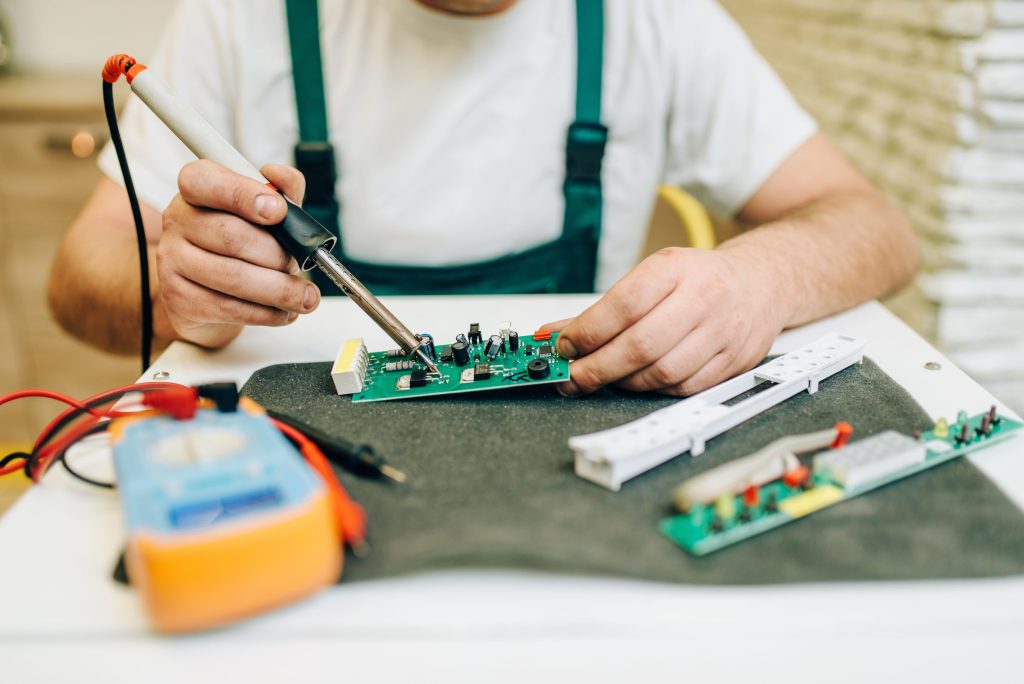
from $365 Control board replacement
The board that switches the loads, the control head behind the fascia, or the network between them. On the current generation the code says which of the three, and that is worth a great deal.
- The code names the board before anything is ordered
- Damp and supply ruled out first — both look identical
- Configuration restored so it is your appliance afterwards
-
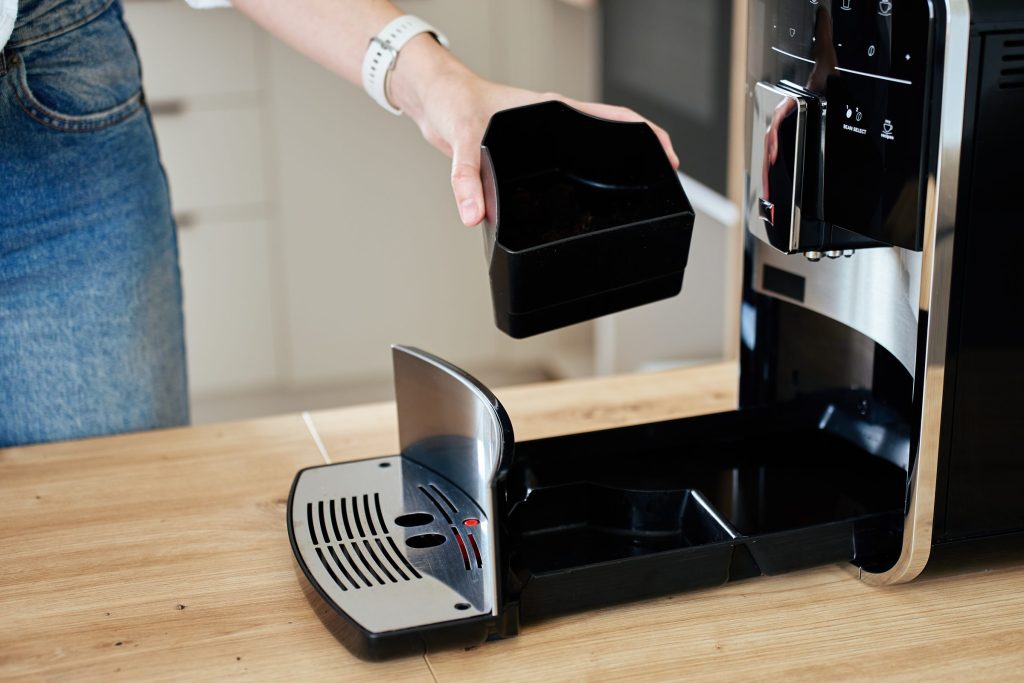
from $195 Coffee system descaling & service
The single best money spent on a built-in coffee system in this climate. Miami water is hard, the machine scales faster than the manual assumes, and scale is the reason most of these appliances end up needing something far more expensive.
- Descaled with the maker's own agent, never vinegar
- Brew unit, milk circuit and drain path cleaned properly
- Filter and water hardness set for South Florida, not the factory default
-
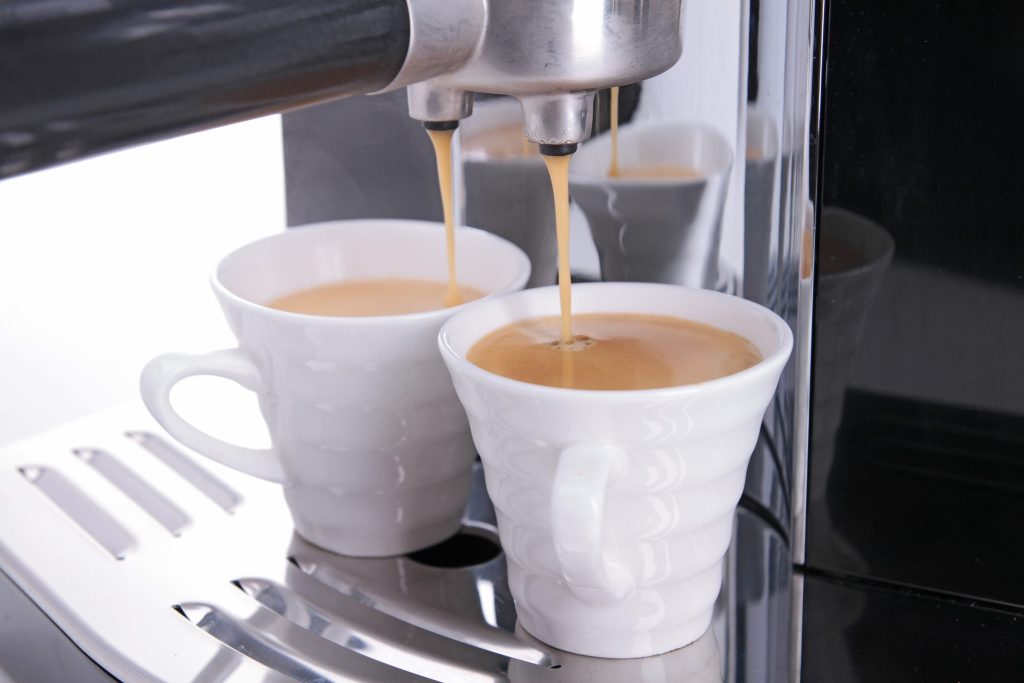
from $285 Coffee system repair
The brew unit, the grinder, the pump, the milk circuit and the water side of a built-in espresso machine. Five mechanical stages to make one drink, and the appliance usually says which of them it is unhappy with.
- The published fill routine tried before any part is named
- Grind and brew unit separated before either is replaced
- A plumbed leak treated as urgent, because the cabinet is
-
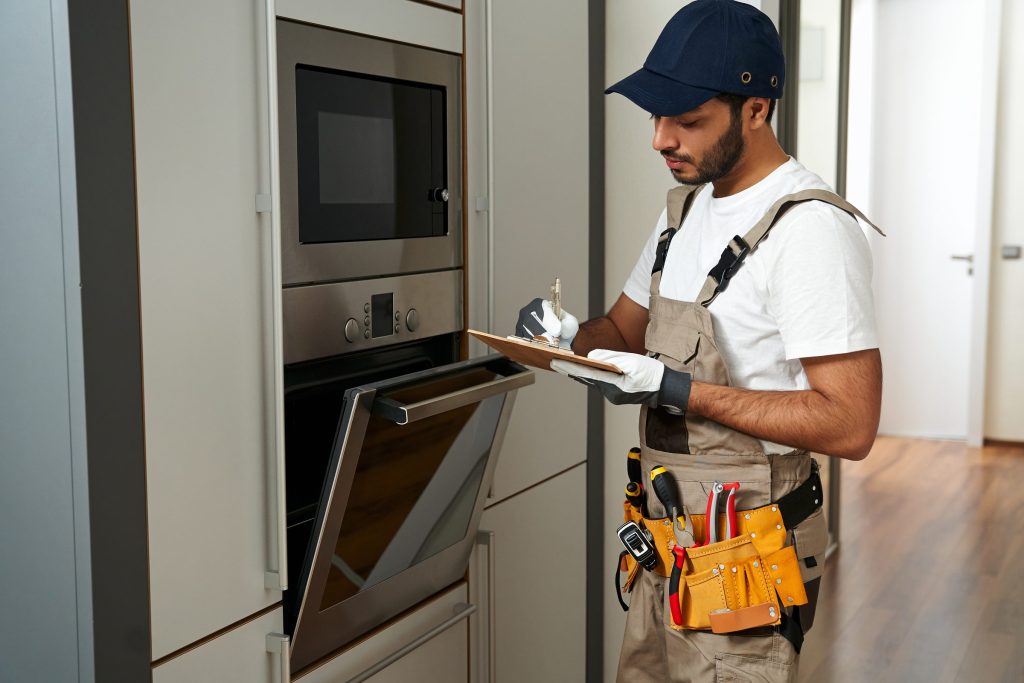
from $155 Cooking equipment maintenance
A scheduled visit for equipment that is working. Burners and igniters, door seals, hood filters and damper, steam oven descaling, fans and vents — the things that are cheap now and expensive later.
- Descaling before a boiler needs replacing
- Seals and hinges set before a door drops
- Fans, vents and clearances actually checked
-
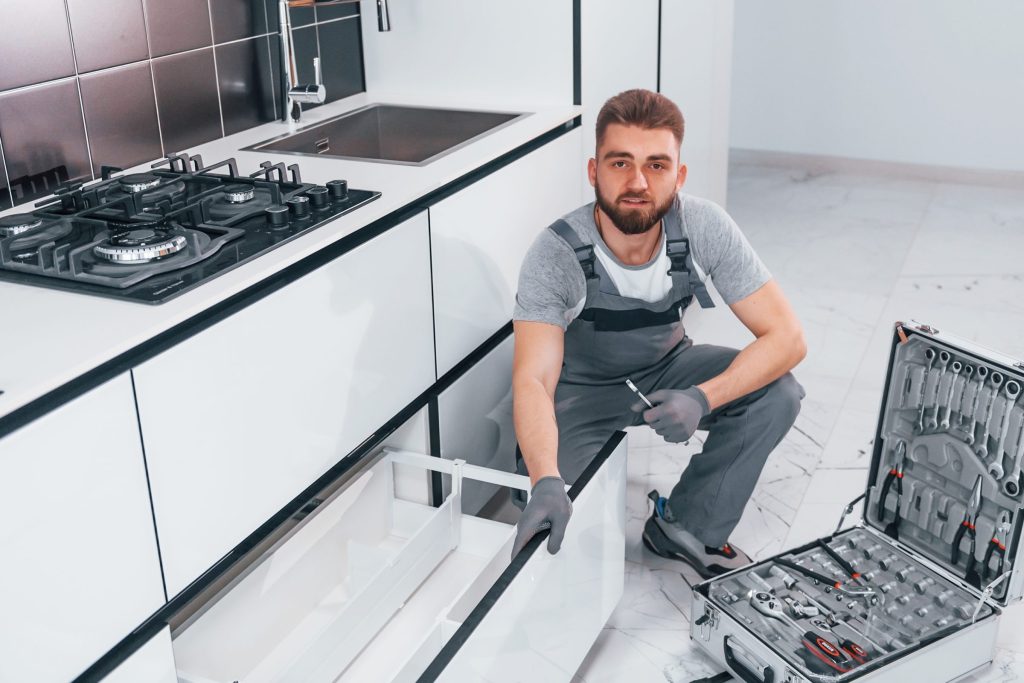
from $225 Appliance installation
Fitting professional cooking equipment into a finished kitchen. Most of what goes wrong with this equipment in its first year is decided on installation day, and most of it is clearance, gas and ventilation.
- Cutout, clearance and ventilation checked first
- Gas and orifices correct for the fuel supplied
- Leveled, anti-tip fitted, and handed over properly
In more detail
About Wolf built-in coffee systems
An espresso machine with cabinetry around it
The built-in coffee system is the one appliance in this kitchen that does five different mechanical things to make one drink: it grinds, doses, tamps, pushes hot water through at pressure, and steams milk. Each of those is a part that can wear. That sounds like bad news and mostly is not — the wear is predictable, the parts are serviceable, and the appliance tells you which stage it is unhappy with.
What actually goes wrong
- Scale. The single biggest cause here, and the most preventable. Descaling on the maker's schedule with the maker's agent is the difference between a chore and a boiler.
- Air in the line. The circuit fill message. A published routine clears it and no part is involved.
- The brew unit. Seals and the piston. This is what a shot that runs fast and thin is telling you.
- The grinder. Burrs wear, and oily beans accelerate it. A grind that has drifted changes every drink.
- The milk circuit. The carafe, its tube and the frothing path, which need cleaning far more often than people expect.
- Water underneath. The drip tray, the drain path, or a plumbed connection behind the unit. Worth reporting quickly on a cabinet run.
What Miami water does to this appliance
Hard water is the reason a coffee system in South Florida asks for descaling sooner than the manual predicts and needs it more thoroughly when it does. It is also why a filter that is changed on time is the cheapest maintenance in this kitchen. Neither of those is a problem with the machine; both decide how long it lasts.
What to have ready
The model — EC24, EC2450 or EC3050 — the message on the display word for word, and whether the unit is plumbed in or filled from its tank. The number is on the frame behind the door.
This article is based on:
- Official manufacturer documentation
- Internal repair procedures
- Technician repair history
- Company quality standards
Before you book
Questions about Wolf built-in coffee systems
It says to descale and I already have.
Then either the cycle did not complete or the scale is past what a cycle removes. South Florida water is hard, and a coffee system here scales faster than the manual's schedule assumes — the interval on the display was written for softer water than this. Use the maker's own agent rather than vinegar: vinegar foams in the boiler and produces its own messages on top of the one you started with.
What does the circuit fill message mean?
Air in the line rather than a broken part. The machine has lost its water column and cannot prime, and the maker publishes a routine for it — the milk carafe off, the hot water nozzle on, and the hot water button pressed to draw the air through. It is on this site as a condition page of its own, because a message with a published answer should never be a mystery.
The coffee is suddenly weak.
Look at the grinder before anything else. A burr that has worn, or beans that are oilier than the last bag, changes the grind and the machine cannot make that up. If the grind is right and the shot still runs thin and fast, it is the brew unit and its seals, and that is a service job.
Is it worth repairing, or should it be replaced?
On a built-in, almost always repairing. It was trimmed into a cabinet opening with a matched panel, so a replacement has to fit that opening rather than whatever is on sale, and that narrows the choice and raises the price a long way beyond the repair.
Where we do it
Across Miami-Dade, Broward, and Palm Beach
Same terms everywhere we go: an on-site diagnostic first, the price agreed in writing, and the exact figure confirmed once we have seen the unit.
Neighborhoods people ask for by name
 English