Four hundred and fourteen conditions, and three ways of saying them
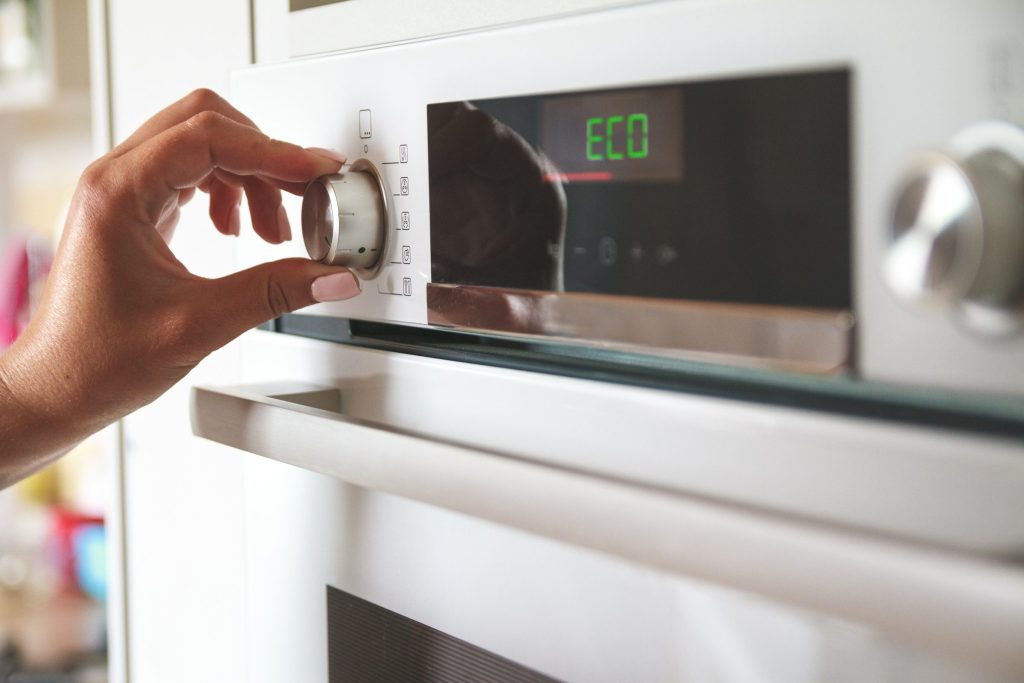
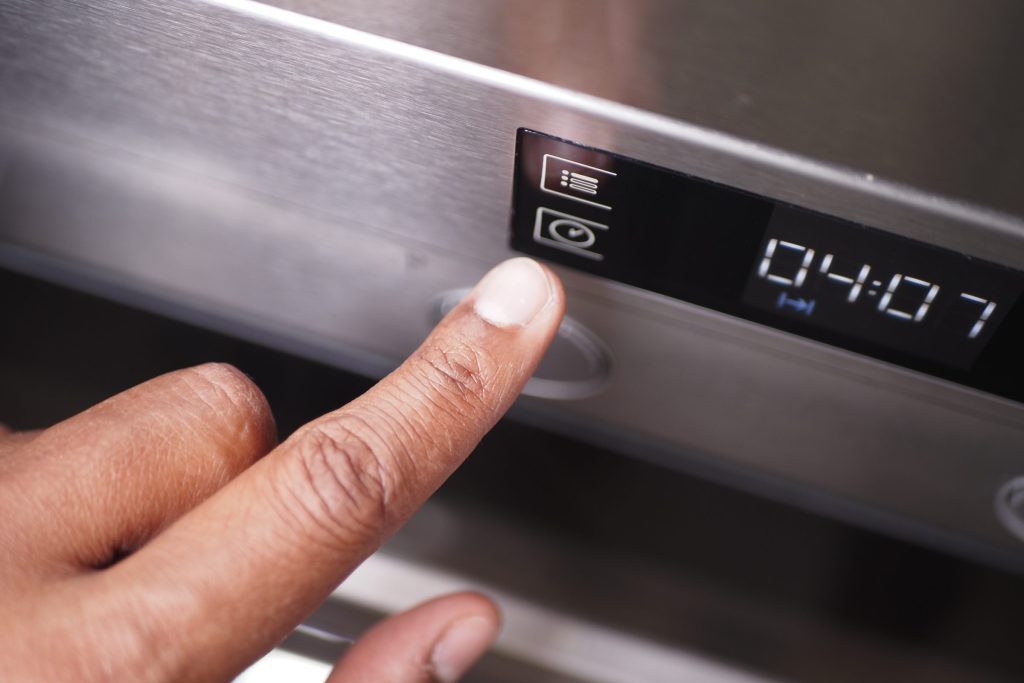
This is the largest code archive among the makes we repair, and part of the reason is that this make writes its conditions in three different formats. There is the four-character code on a modern display. There is the E-number on the older controls. And there are the ones that are simply words – BAKE STONE, PROBE SHORTED – which read like a message rather than a code and are exactly as much of a diagnosis as the numbers. All three are decoded here.
A code names the circuit that spoke
Not the part that failed. A probe code can be the probe, the socket it plugs into, or the board input behind it – three repairs at three prices. That is the whole reason we do not quote from a code alone, and it is what the on-site diagnostic settles. What the code does buy you is speed: it narrows the search before anybody leaves, which is why we ask for it.
Half of this equipment cannot show you one
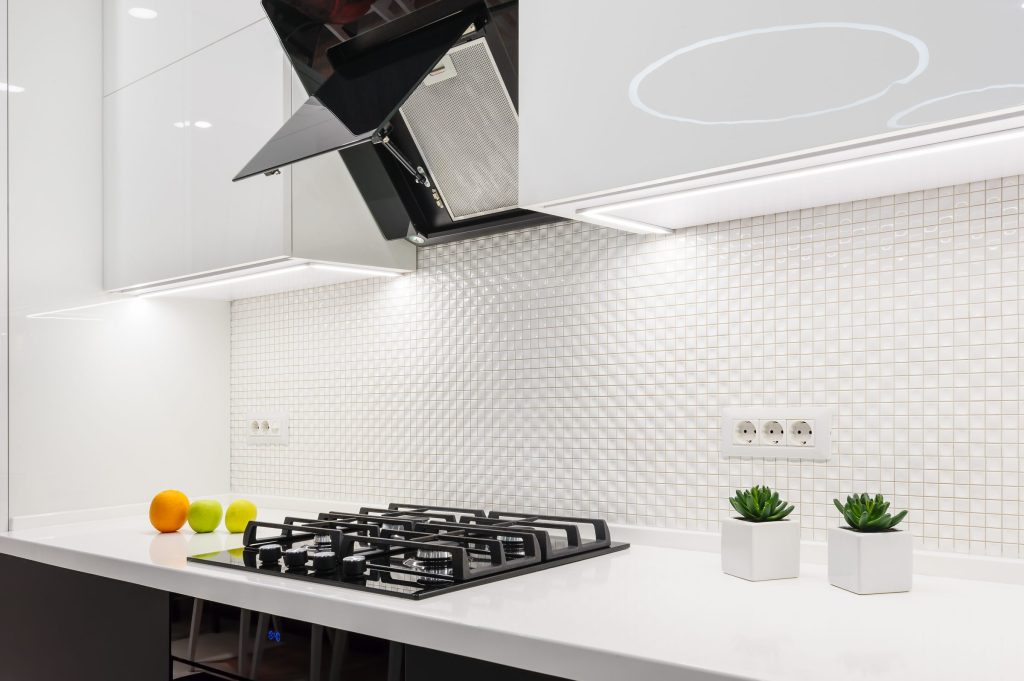
The gas burners, the rangetops, the outdoor grills and the ventilation have no display and nothing to report. If your problem is on that half, the code archive is the wrong tool and the symptom pages are the right one. Saying that plainly is more useful than a page of codes that will never appear on your machine.
What to do while it is on screen
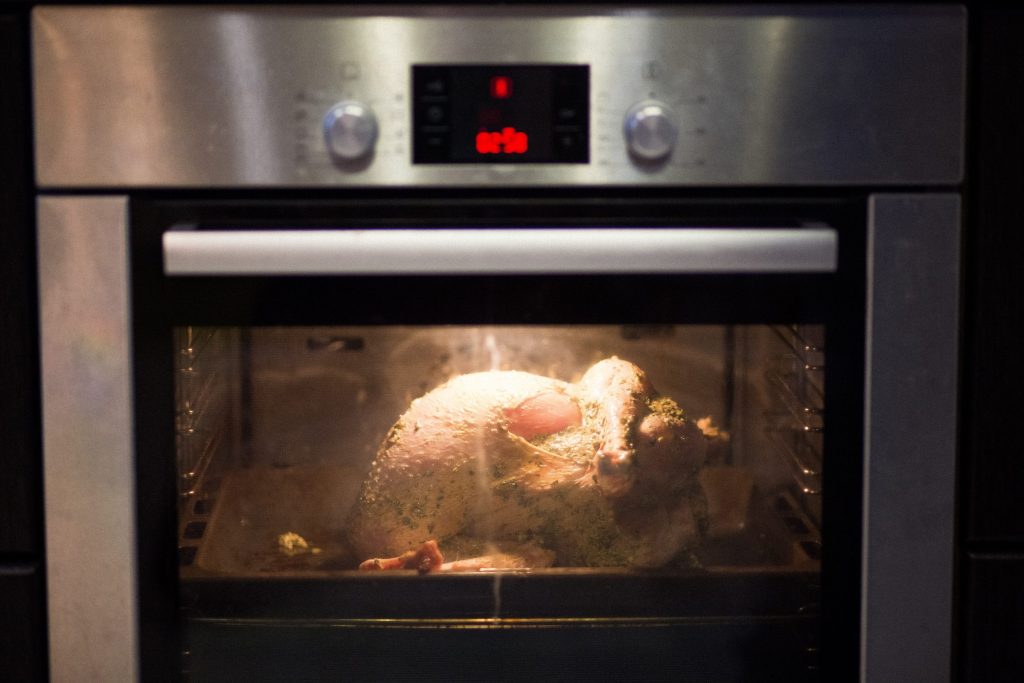
Photograph the display. Note the model number from the plate. Note what the appliance was doing when it appeared – at the start, part-way through a cycle, or after the power came back. Those three together are worth considerably more than the code by itself.
If it cleared before you read it
Still worth reporting. A code that clears is a reading the control rejected, and during storm season a run of them usually means the supply rather than the appliance. Five genuine minutes at the breaker is a reasonable first move, and if the condition returns it is real.


 English