Error code
Wolf dual fuel range error code 5521
Wolf error code 5521: a fan is not turning at the speed the control expects, or is not reporting back at all, on a dual fuel range, which is two appliances on one chassis: gas burners above, an electric oven below, and one control board answering for both. What the code covers, what to check first, and what it does not tell you — on ranges.
- From $95 diagnostic, credited to the repair
- 59 cities and neighborhoods covered
- OEM parts available on order
- In writing the price, before anything is opened
What we can confirm
Code 5521, from the manufacturer's own documentation
A code is only meaningful together with the generation showing it — the same two digits mean different things across generations, and that is the commonest reason a code looked up online leads somewhere wrong. This one is recorded on Dual fuel range.
The code
5521
A fan is not turning at the speed the control expects, or is not reporting back at all, on a dual fuel range, which is two appliances on one chassis: gas burners above, an electric oven below, and one control board answering for both
or call (305) 449-9681
What it narrows down to
The cooling fan speed is below the minimum threshold
What you are probably seeing
Diagnostic
From $95, credited to the repair
What it looks like from the kitchen
The symptom this code usually arrives with
A code names the subsystem; the symptom is what sent you to look at the display in the first place. That page says what it usually turns out to be, cheapest cause first.
-
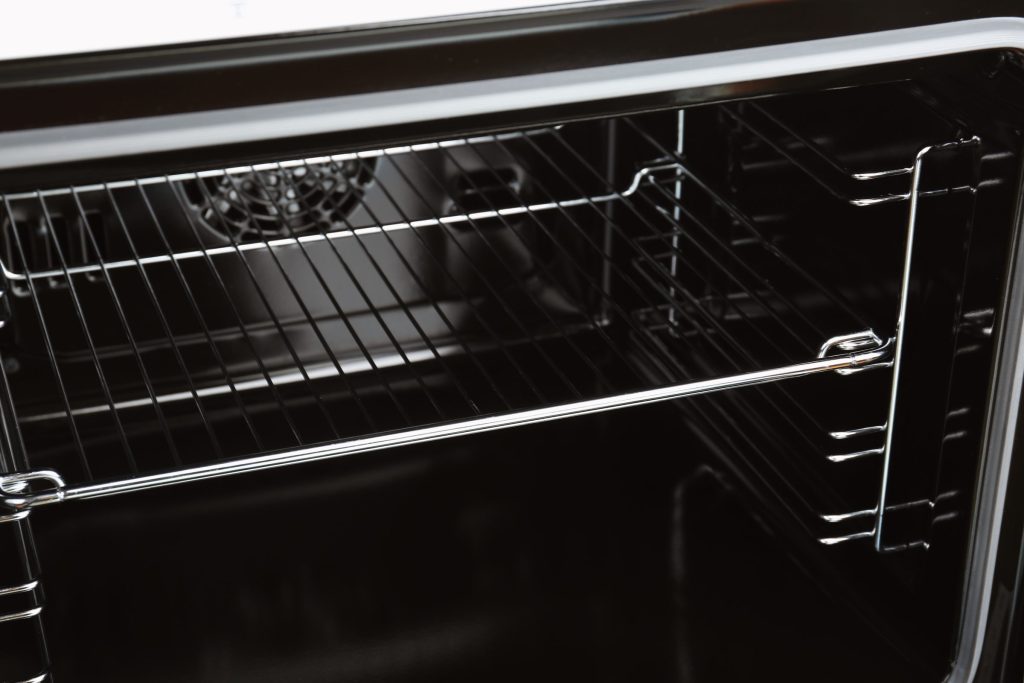
Which fan decides how urgent it is Oven fan not working
There are two kinds of fan in this appliance and they matter very differently. A convection fan that has stopped affects your cooking; a cooling fan that has stopped is an oven quietly damaging itself.
- Silence above the door with the oven hot
- Convection cooking gone uneven
- A code naming a fan, a triac or a stall
On the same generation
What else belongs to the Dual fuel range
A code belongs to a generation rather than to one cabinet. These are the other codes yours can show, and the models that can show this one — a display often has more than one thing to say, and the model number decides what any of it costs to put right.
Other codes this generation can display
Right or Single oven bake/right convection element DLB relay shorted
Left oven bake/right convection element DLB relay shorted
Right or Single oven PCM RS485 Network error
High input voltage
The same two digits mean different things across generations. Search the full code list
Models that can display this code
The number on the data plate decides which parts exist and how quickly they arrive. All models
In more detail
About Wolf dual fuel range error code 5521
What this one means
A fan is not turning at the speed the control expects, or is not reporting back at all, on a dual fuel range, which is two appliances on one chassis: gas burners above, an electric oven below, and one control board answering for both. It is a code the manufacturer publishes for this appliance, not one we have worked out — and it is decoded here rather than left as three characters on a display.
What the code covers
A published cause names a circuit rather than a component, which is the single most useful thing to know before ordering a part. This one covers:
- The cooling fan that keeps the electronics alive behind the fascia
- A convection fan in the cavity, and the triac that drives it
- The sensor or switch that tells the board the fan is running
- The cooling fan speed is below the minimum threshold
Worth doing before you call
- Check whether the burners still light — gas and electric fail independently here
- Listen at the vent above the door with the oven on — a cooling fan that is running is audible
- Check nothing has been stored against the vent
Then what
A cooling fan is what stops the boards behind the panel from cooking themselves, so this code is worth acting on even while the oven still bakes normally.
This code is published for ranges. The full list of codes has the rest of them, searchable, including the labels older and newer machines use for the same conditions.
This article is based on:
- Official manufacturer documentation
- Internal repair procedures
- Technician repair history
- Company quality standards