


WolfRepair Miami

36 problems, in the words people actually use

What your Wolf is doing, and what it means.

Start here if you do not have a code and would not know where to find one. Each page says what the behavior usually means on this equipment, what is worth checking before paying anybody, and what the repair costs if it turns out to be real. Several of them end by telling you not to book at all.

  • 36 symptoms, each with its own page
  • 414 error codes decoded here
  • 6 checks that need no technician
  • from $95 diagnostic, credited to the repair

By what it is doing

Find the one that sounds like yours

Ordered by appliance: the ovens first, then the steam oven, the range, the cooktop, ventilation, the microwave, the warming drawer, the coffee system and the outdoor grill.

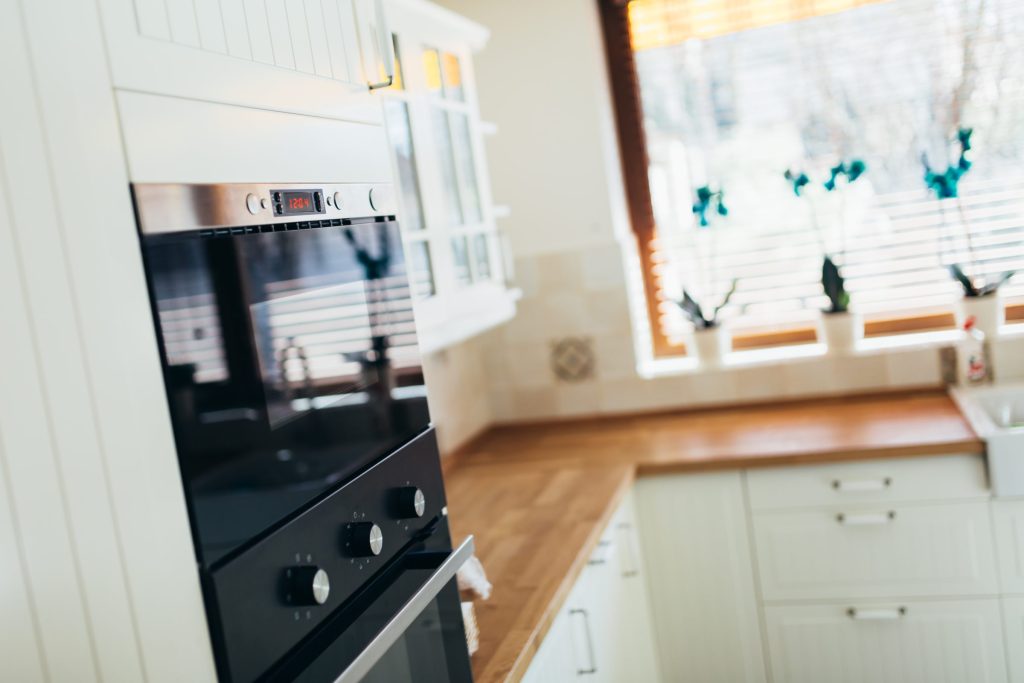
  • A black oven set under the counter in a bright kitchen.
    The code names the circuit

    Oven not heating

    An oven that sets a temperature and stays cold, or heats on one mode and not another. On this brand the display usually says which circuit is missing before anybody opens anything.

    • Sets a temperature and stays cold
    • Broils but will not bake
    • A code naming an element or a relay
    What it usually means
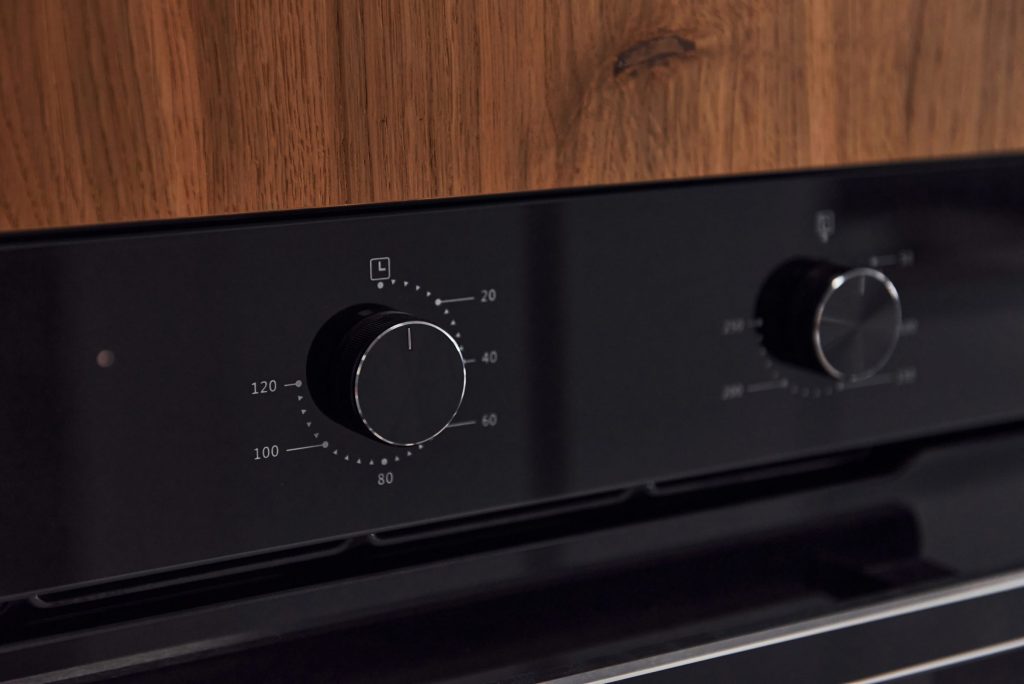
  • The black control panel of a built-in oven in walnut cabinetry, two dials marked with a temperature scale
    Obedient, and aiming at the wrong number

    Oven temperature wrong or uneven

    An oven that heats perfectly to a temperature that is not the one you set, or that burns on one side and undercooks on the other. Almost always a measurement problem rather than a heating one.

    • Everything browning too fast or too slowly
    • One side or one shelf consistently darker
    • Baking that changed without anything else changing
    What it usually means
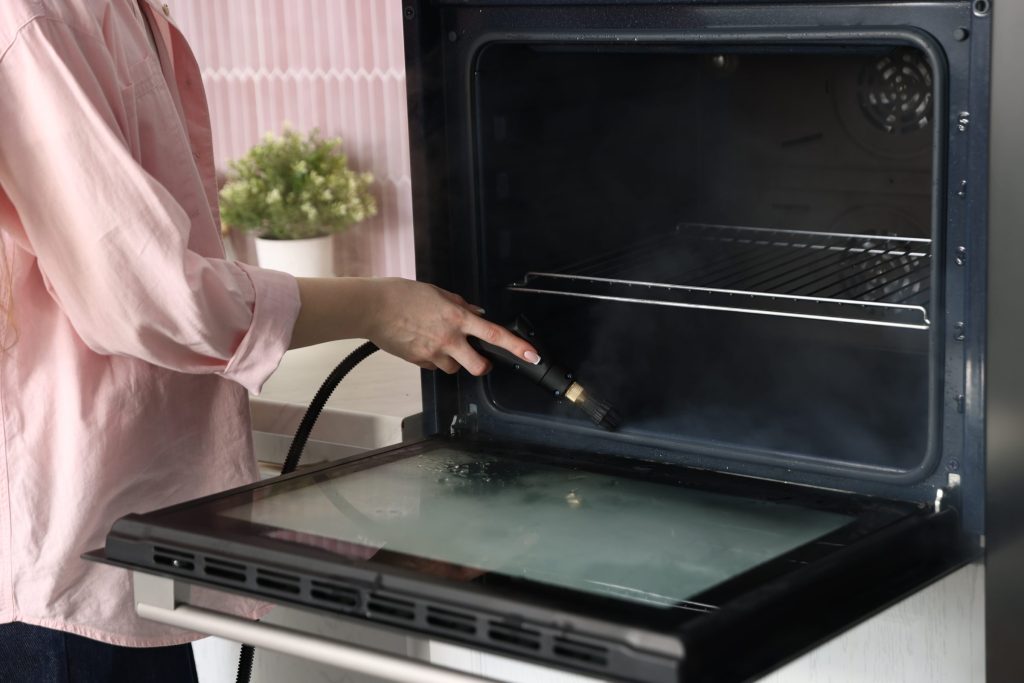
  • Someone cleaning the inside of an oven with a steam lance, the door lowered
    The cycle found it rather than caused it

    Oven dead after a self-clean cycle

    The oven ran its cleaning cycle and has not worked since. It is common, you did nothing wrong by using the feature, and what failed was usually already marginal before the cycle started.

    • Worked before the cycle, dead after it
    • Door still locked, cavity cold
    • A code about cavity temperature or rate of rise
    What it usually means
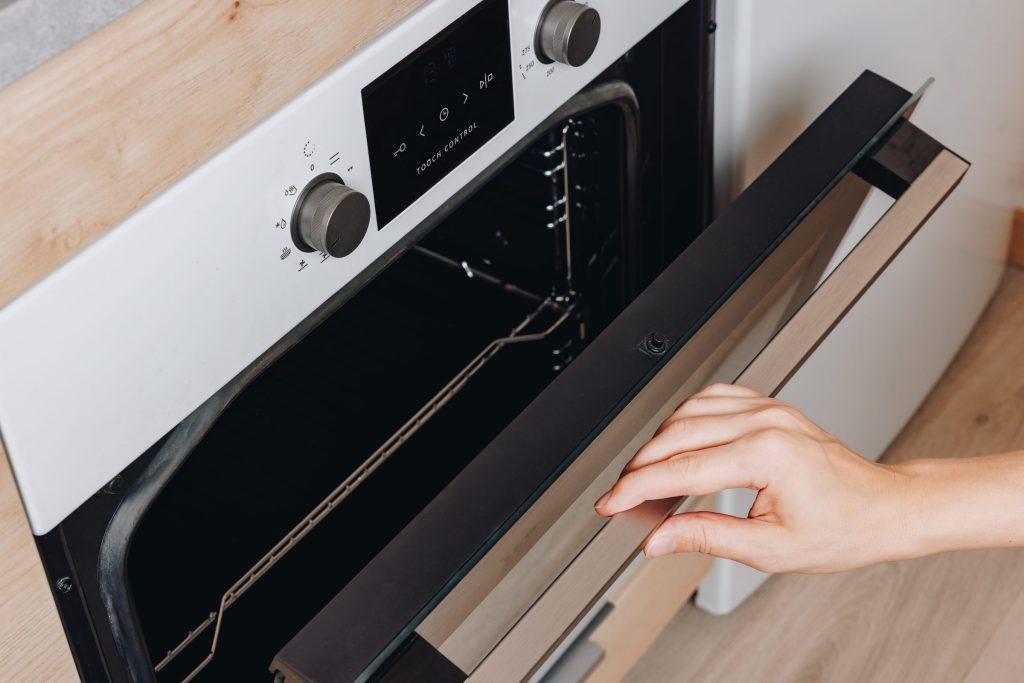
  • A hand on the handle of a white built-in oven, drawing the door open
    The one worth calling about today

    Oven door locked shut

    The door will not open, usually after a cleaning cycle. Everything else on this site can wait a few days; this cannot, because the oven is not degraded — it is unusable.

    • Locked after self-clean and the oven is cold
    • A lock symbol that will not clear
    • A cycle that will not start because it cannot lock
    What it usually means
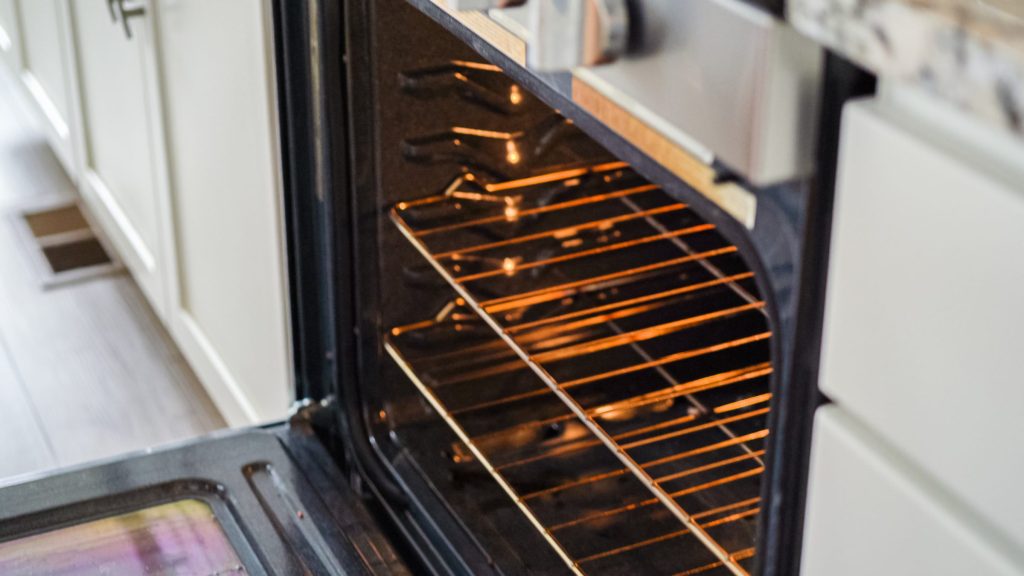
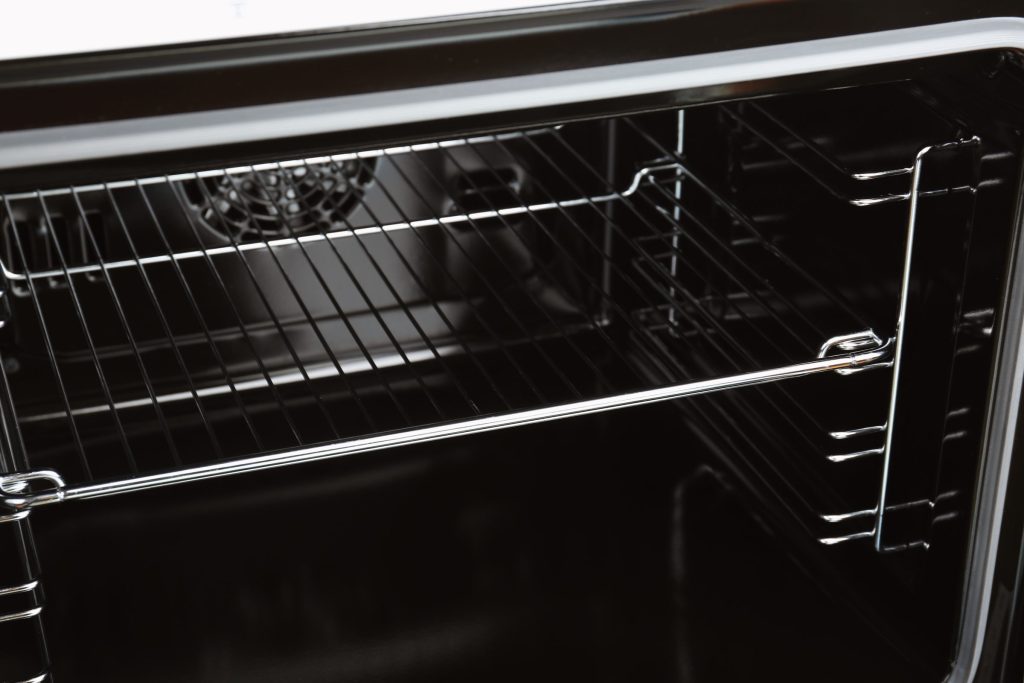
  • A built-in oven standing open, its door down and the cavity lamp lit on empty racks
    Heavy doors and sprung hinges

    Oven door not closing properly

    A door that has dropped, will not sit square, or lets a line of heat out along one edge. These doors are heavy, and the hinges carrying them are sprung assemblies rather than simple pivots.

    • A corner sitting proud when closed
    • Heat escaping along one edge
    • A door that has become heavy to close
    What it usually means
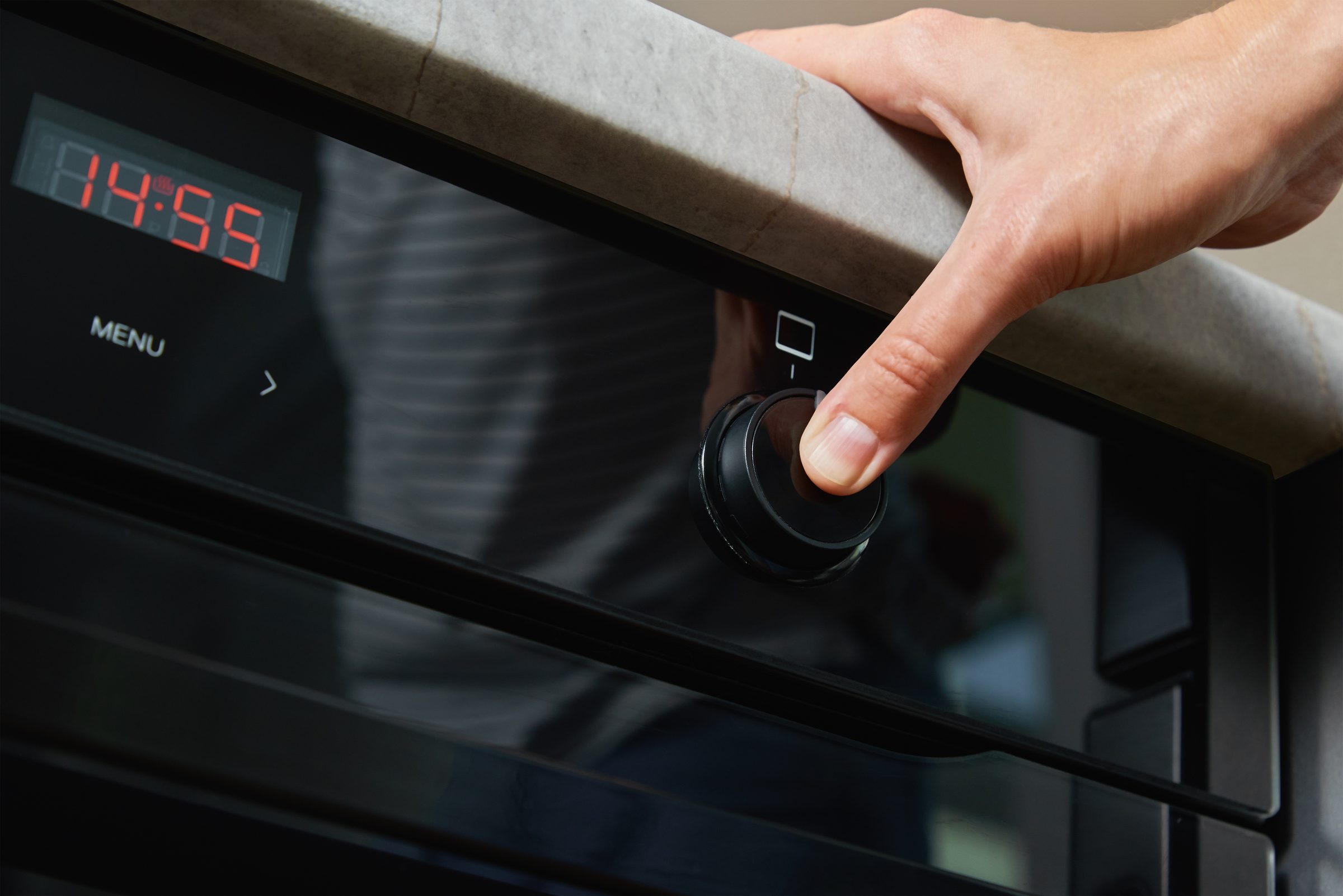
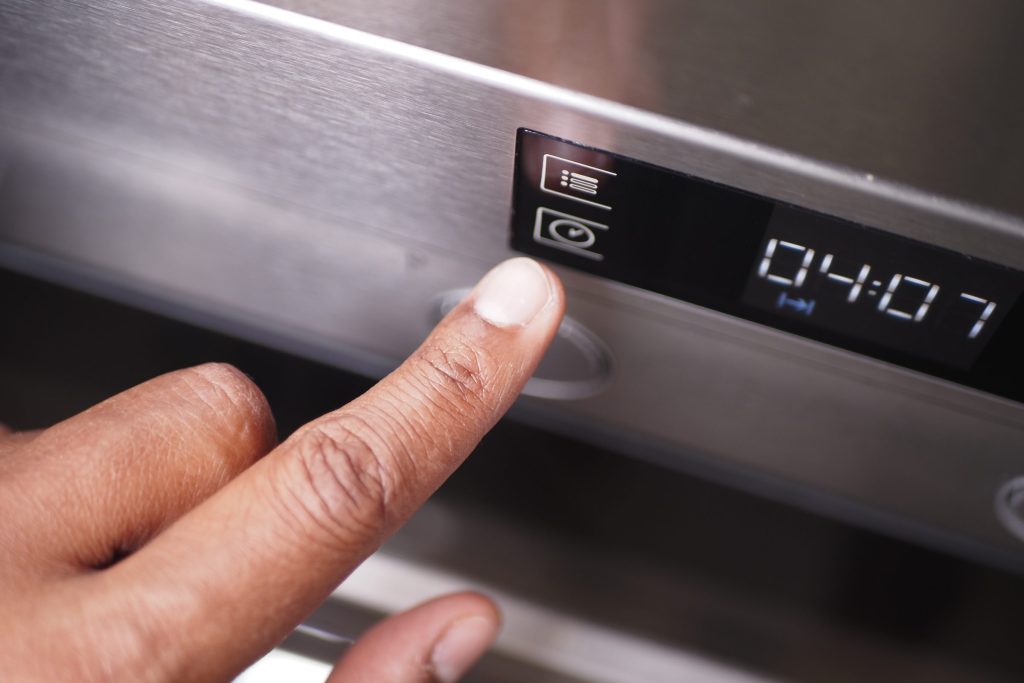
  • A finger pressing a touch control beside a segment display counting down
    Dry it before you diagnose it

    Oven controls not responding

    A panel that ignores you, presses its own buttons, or answers some keys and not others. On a capacitive panel the commonest cause costs nothing to fix and takes thirty seconds.

    • Keys that do nothing, or act by themselves
    • A panel that woke up strange this morning
    • A published key or pad condition on the display
    What it usually means
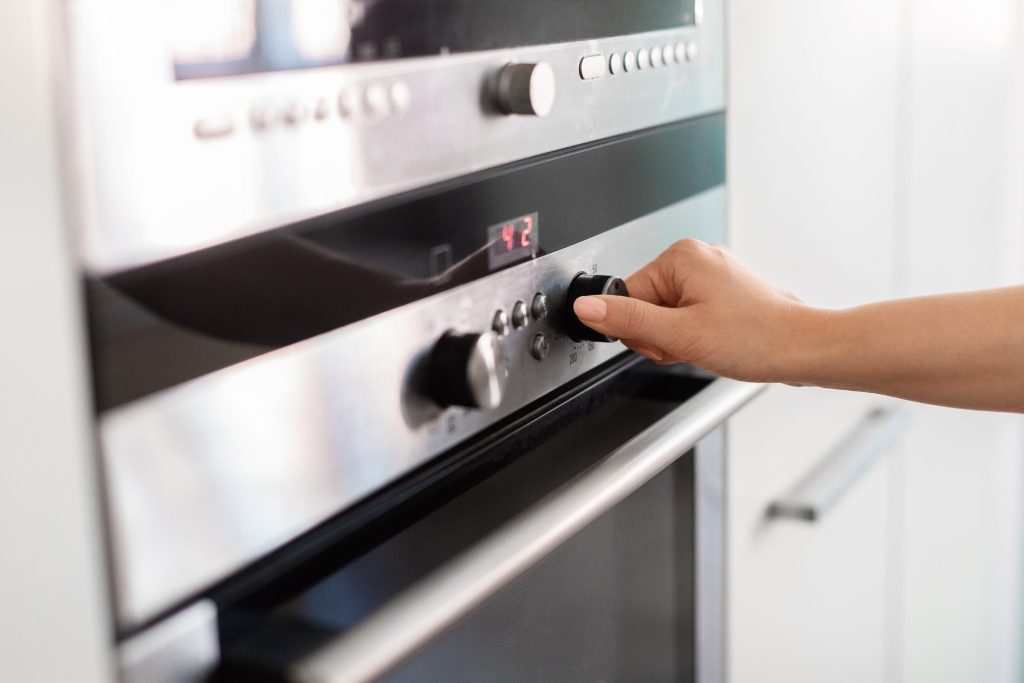
  • A hand turning the temperature dial on a stainless wall oven, red display lit.
    Which board stopped talking

    Oven display blank, frozen or erratic

    A display that has gone blank, frozen part-way, or is showing something that makes no sense. The appliance often still works underneath, which is a clue rather than a comfort.

    • Blank display and an oven that still heats
    • Characters frozen or scrambled
    • A communication or checksum message
    What it usually means
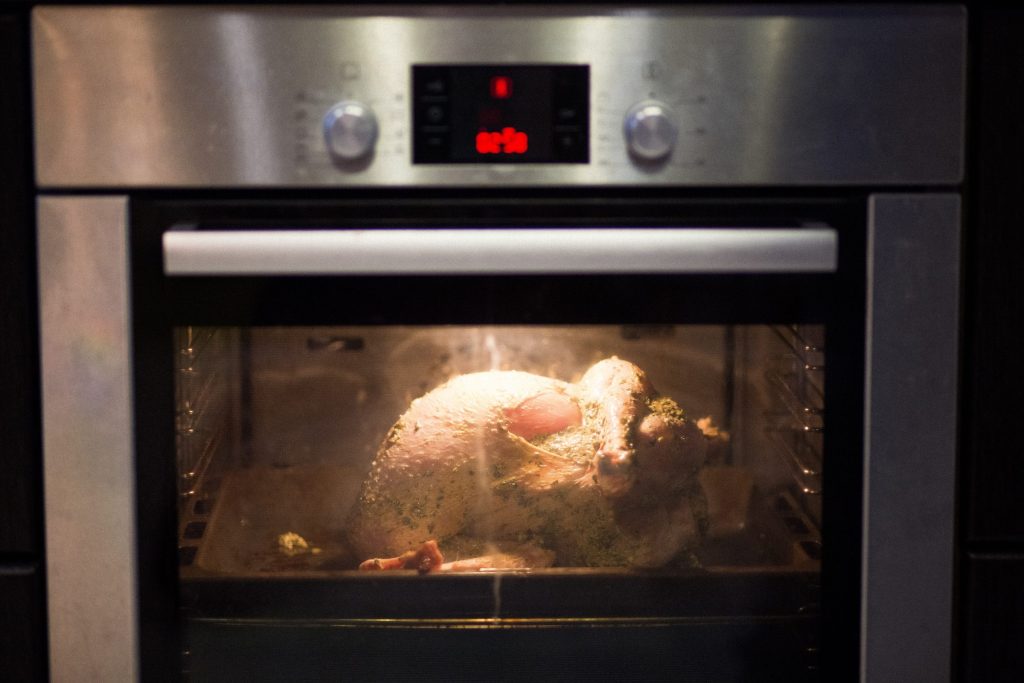
  • A built-in oven with a red segment display lit above the door, a roast inside
    Every beep here means something

    Oven beeping and will not stop

    An oven that beeps at intervals, beeps continuously, or beeps at three in the morning. It is trying to tell you something, and on this brand what it is trying to tell you is usually published.

    • Beeping with nothing showing on the display
    • A tone that returns after every reset
    • Beeping that started after a power cut
    What it usually means
  • The back wall of a black oven cavity, the round convection fan cover behind the rack
    Which fan decides how urgent it is

    Oven fan not working

    There are two kinds of fan in this appliance and they matter very differently. A convection fan that has stopped affects your cooking; a cooling fan that has stopped is an oven quietly damaging itself.

    • Silence above the door with the oven hot
    • Convection cooking gone uneven
    • A code naming a fan, a triac or a stall
    What it usually means
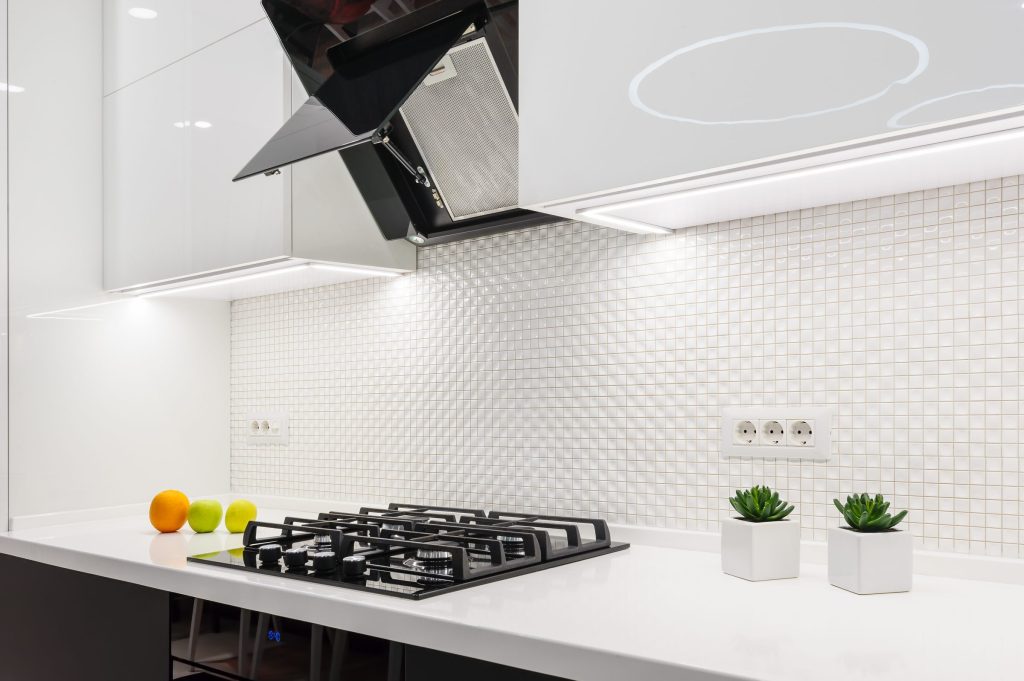
  • A white kitchen with a mosaic splashback, angled hood and gas cooktop.
    Usually the appliance behaving correctly

    Oven fan will not turn off

    The oven is off, the kitchen is quiet, and the fan is still running. On professional equipment this is normal far more often than it is a problem, and it is worth knowing which before booking anybody.

    • Fan running long after the oven is off
    • Fan starting on its own with the oven cold
    • Fan that never stops at all
    What it usually means
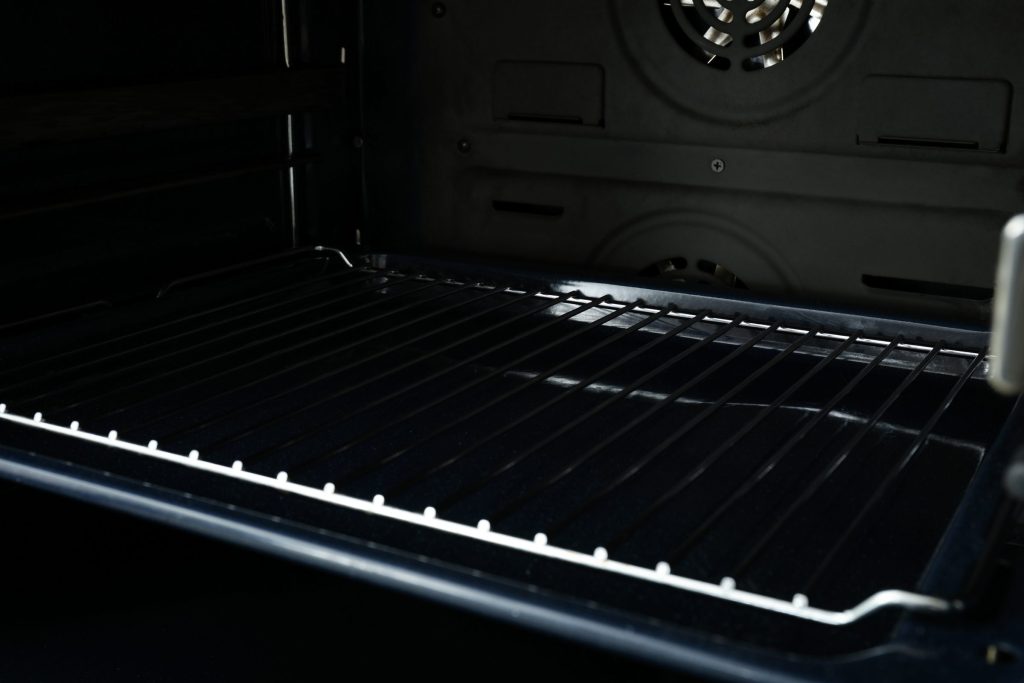
  • The inside of an unlit oven — one rack, the fan cover and the element housing at the back.
    The cheapest page on the site

    Oven light not working

    A cavity light that has stopped, will not switch off, or comes on by itself. Small, cheap, and occasionally a symptom of something that is not small at all.

    • Light dead with everything else fine
    • Light staying on with the door closed
    • A published relay condition on the display
    What it usually means
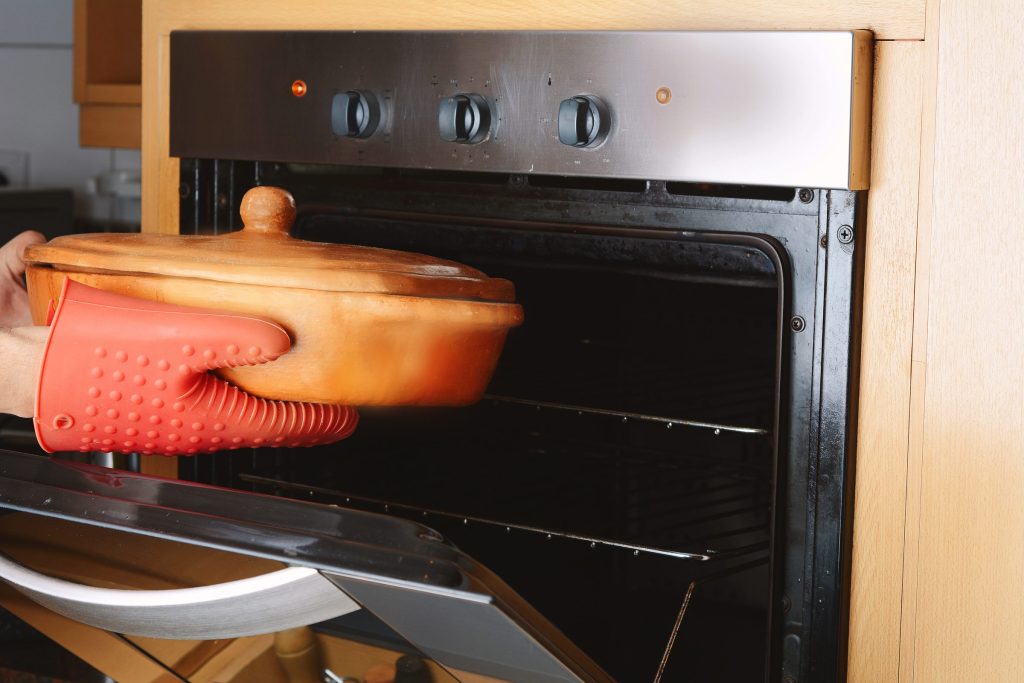
  • A gloved hand setting a covered dish onto the rack of a hot oven
    Test it by taking it out

    Meat probe not reading

    The temperature probe reads nonsense, reads nothing, or throws an error the moment it is plugged in. The first test costs nothing: run the oven without it.

    • A probe error as soon as it is plugged in
    • A reading that is obviously wrong
    • An oven that will not start a probe cook
    What it usually means
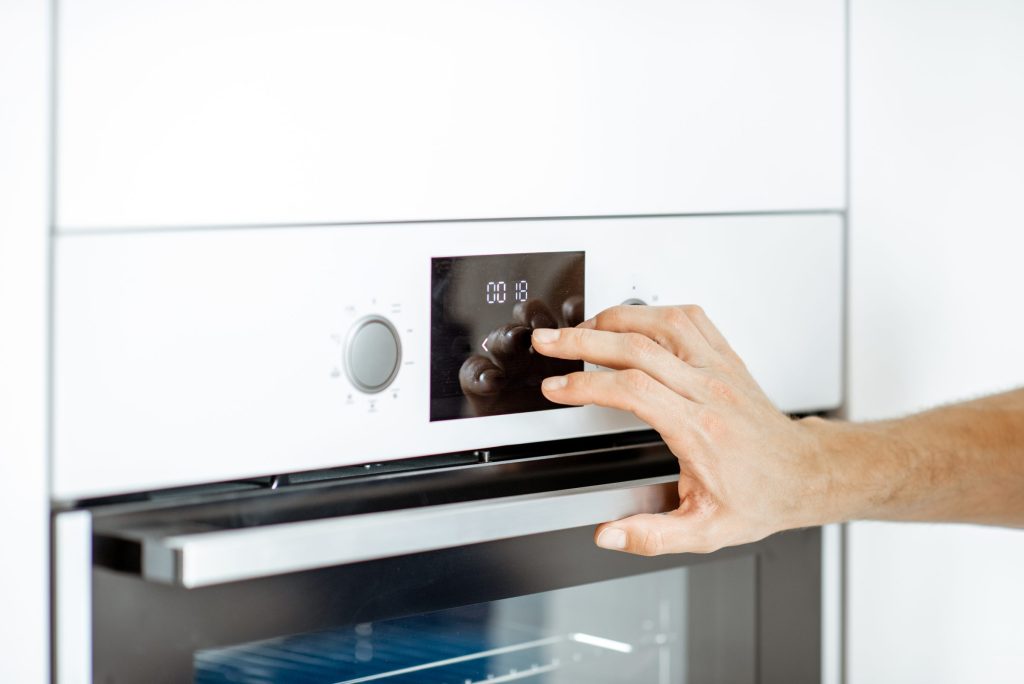
  • A hand at the small display of a white built-in oven, setting it from the panel
    Sometimes the house rather than the oven

    Oven dead after a power cut

    The storm passed, everything else came back on, and the oven did not. On this brand the appliance often has a specific opinion about what the electricity did, and it is worth reading before anybody is called.

    • Dead since an outage or a surge
    • Working, but complaining about voltage
    • A neutral or leg condition on the display
    What it usually means
  • A walnut kitchen at night with a brass island hood over a gas hob, orchids on the counter and a city window.
    Scale, first and usually

    Steam oven not making steam

    A convection steam oven that heats but never steams, or that stops part-way through a cycle. In South Florida water the first suspect is scale, and the appliance has probably been saying so for months.

    • Heats but never steams
    • A descaling reminder that has been ignored
    • A boiler or water level condition on screen
    What it usually means
  • A dimly lit minimalist kitchen, a stone worktop and lit glass-fronted wall units.
    In, out, or where it should not be

    Steam oven leaking or holding water

    Water standing in the cavity after a cycle, dripping from the door, or appearing under the appliance. Three different problems with one symptom, and separating them is most of the job.

    • Water left in the cavity after a cycle
    • A drip from the door or below the unit
    • A drain or level condition on the display
    What it usually means
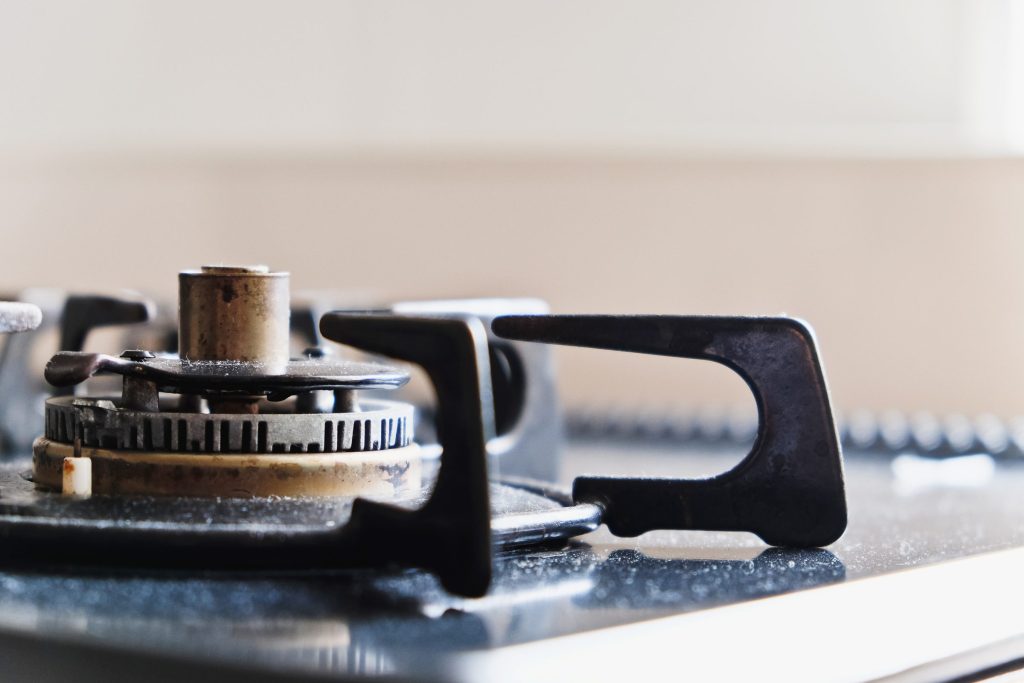
  • A gas burner with its cap lifted off, the spreader and igniter electrode exposed
    Cap first, igniter second

    Burner clicks and will not light

    One burner sparks and sparks and never catches while the others are perfect. The gas half of this appliance publishes no codes at all, so this page carries the whole diagnosis — and the first step is free.

    • One burner clicking with no flame
    • A burner that lights and goes straight out
    • Clicking that carries on after the flame is up
    What it usually means
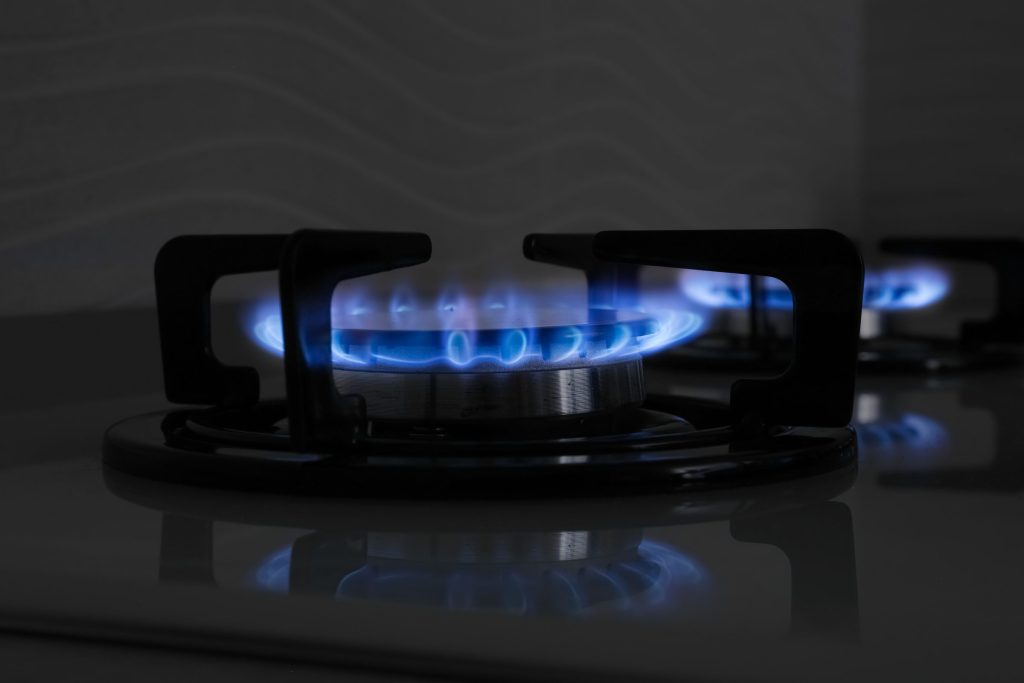
  • Two burners alight at a low setting on a dark gas hob, blue flames reflected in the surface
    Low flame is a real specification

    Burner will not simmer

    The burner works, but it will not hold a genuine low flame — it either goes out at the bottom of the dial or sits too high to melt chocolate. On professional equipment this is a specification rather than a preference.

    • Flame goes out at the lowest setting
    • Nothing between "off" and "too hot"
    • A simmer that used to work and does not
    What it usually means
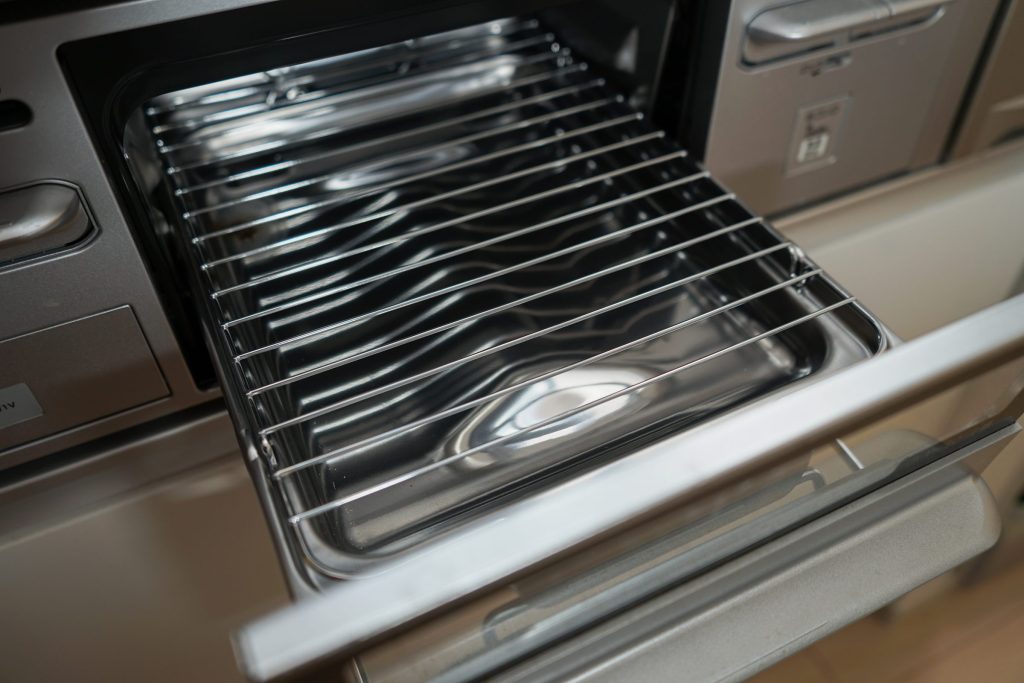
  • A broiler drawer pulled out of a range, its rack sitting over the drip pan
    A separate element, a separate circuit

    Broiler not working

    The oven bakes perfectly and the broiler does nothing, or glows and never gets hot. Bake and broil are different elements on different circuits, and this maker publishes them separately.

    • Bakes fine, will not broil
    • Broiler glowing dimly or unevenly
    • A published broil element or relay condition
    What it usually means
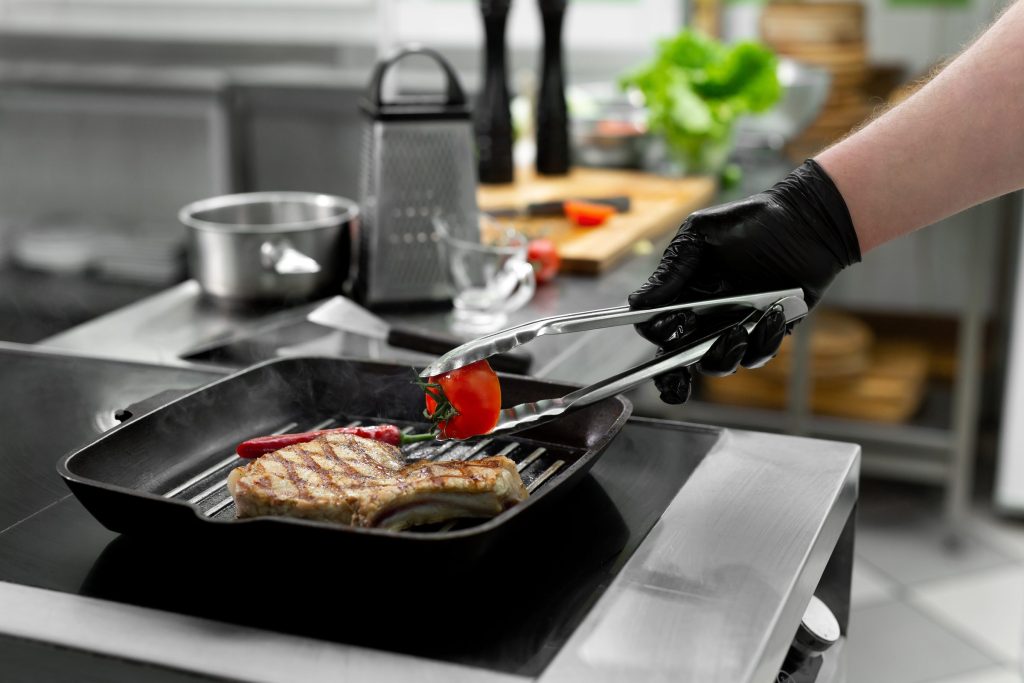
  • A gloved hand turning food with tongs on a ribbed griddle plate set into a cooktop
    Its own burner, its own thermostat

    Griddle or charbroiler not heating

    The plate or grate down the middle of a wide range deck has stopped, while every burner around it works. That is exactly what should happen — it is a separate appliance sharing a chassis.

    • The middle section cold, the burners fine
    • Hot at one end and cool at the other
    • Heats, but never as hot as it used to
    What it usually means
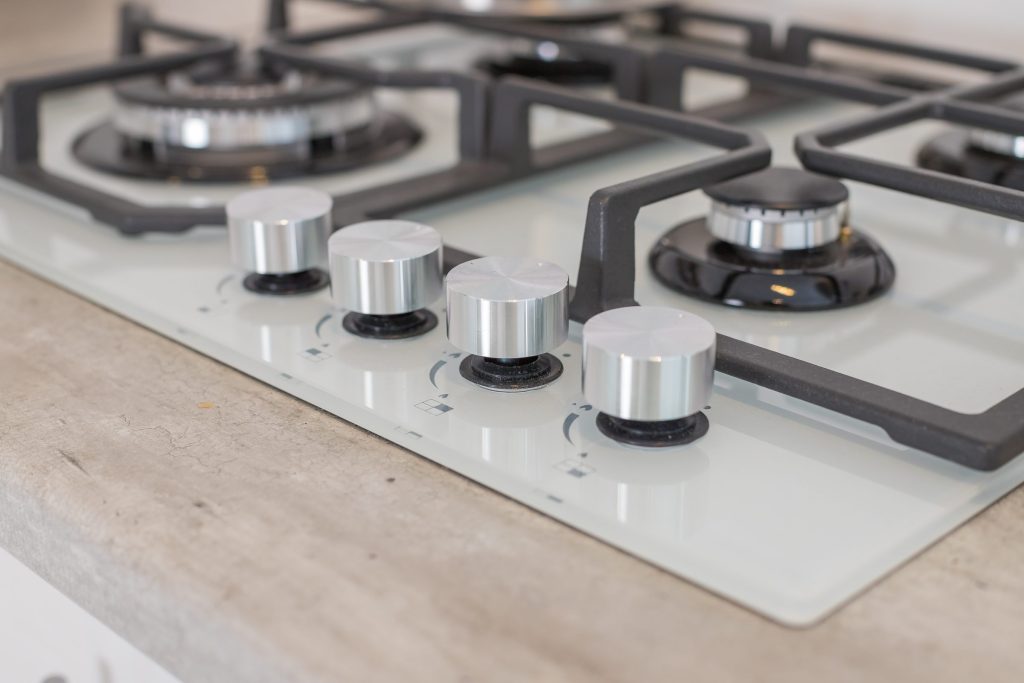
  • A white glass gas hob with cast grates and four brushed steel knobs, close up on the front edge.
    Knob, shaft or the switch behind it

    Knob turning with nothing happening

    A knob that spins freely, one that has cracked, or a selector that does nothing at any position. Three different parts at three different prices, and telling them apart takes two minutes.

    • A knob spinning with no effect
    • A cracked or discolored knob
    • A selector that does nothing at any setting
    What it usually means
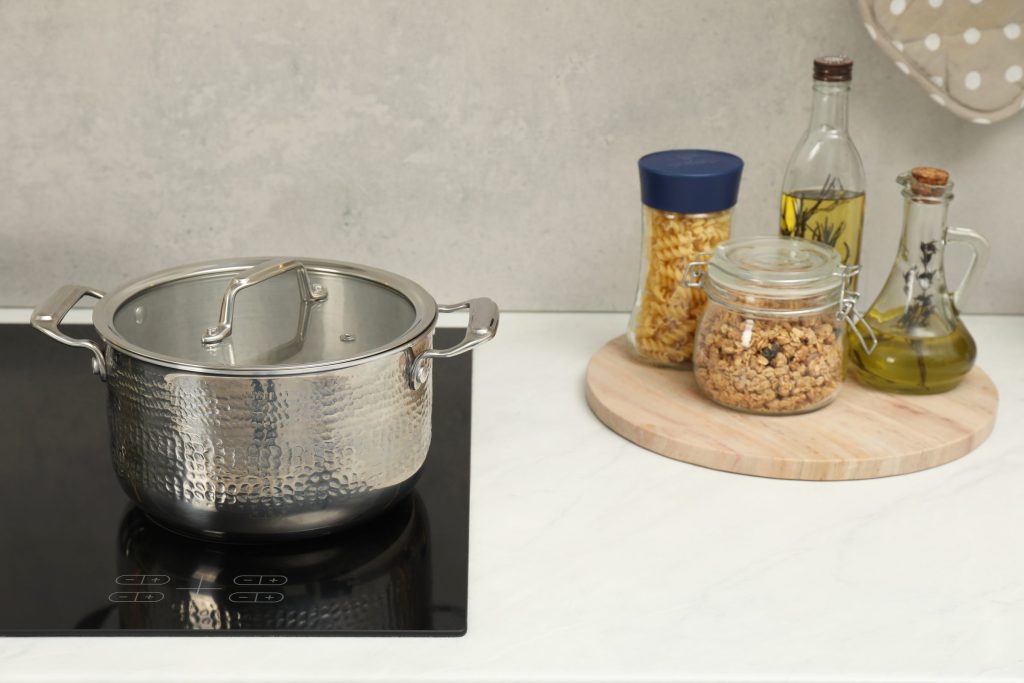
  • A lidded steel pot standing on a black induction cooktop beside the worktop
    One zone or all of them

    Cooktop not heating

    An electric or induction cooktop with power and no heat. One zone out and the rest fine is a contained repair; all of them out is usually the supply or the control rather than the cooking surface.

    • One zone cold, the rest working
    • Every zone dead with the panel alive
    • A code naming an element or a generator
    What it usually means
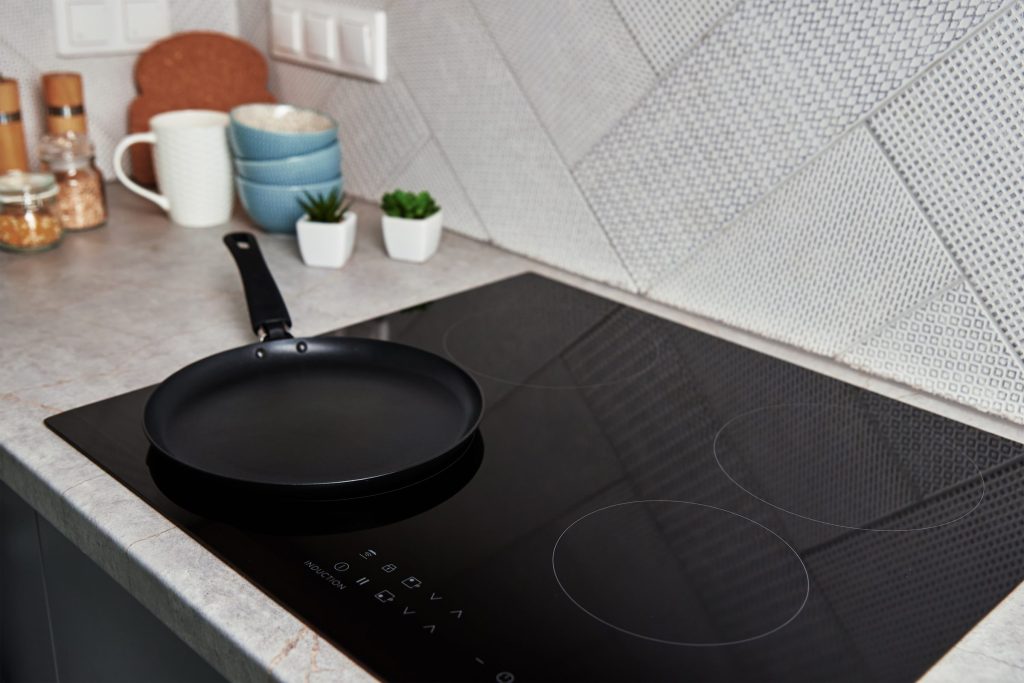
  • A frying pan on a black induction cooktop, its touch control strip unlit along the front edge
    Power, control, or a locked panel

    Cooktop will not turn on

    Nothing at all: no display, no beep, no response. On a sealed glass surface with everything underneath it, the useful distinction is between no power arriving and power arriving at something that has stopped.

    • Completely dead, no lights at all
    • Dead since a power cut or a spill
    • A control lock nobody set on purpose
    What it usually means
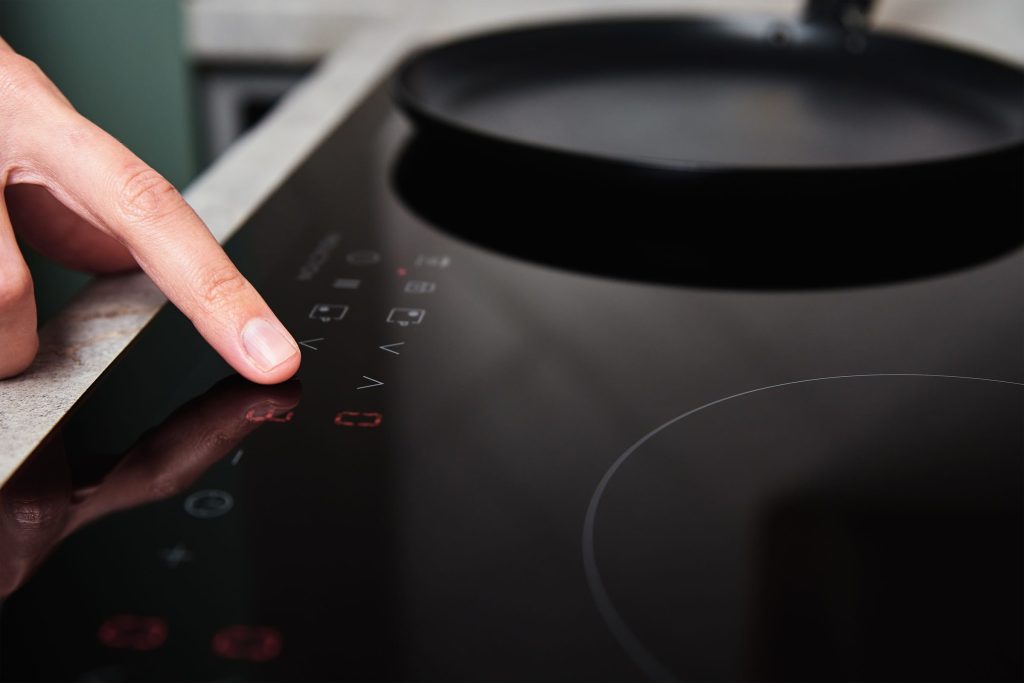
  • A finger on the slider of an induction hob, red digits lit, a pan out of focus behind.
    Water reads as a hundred fingers

    Cooktop controls locked or acting alone

    A touch surface that will not respond, or that changes settings by itself. On a glass cooktop the commonest cause is on top of the panel rather than under it, and it costs nothing to fix.

    • A panel that ignores every press
    • Settings changing by themselves
    • A lock symbol nobody set
    What it usually means
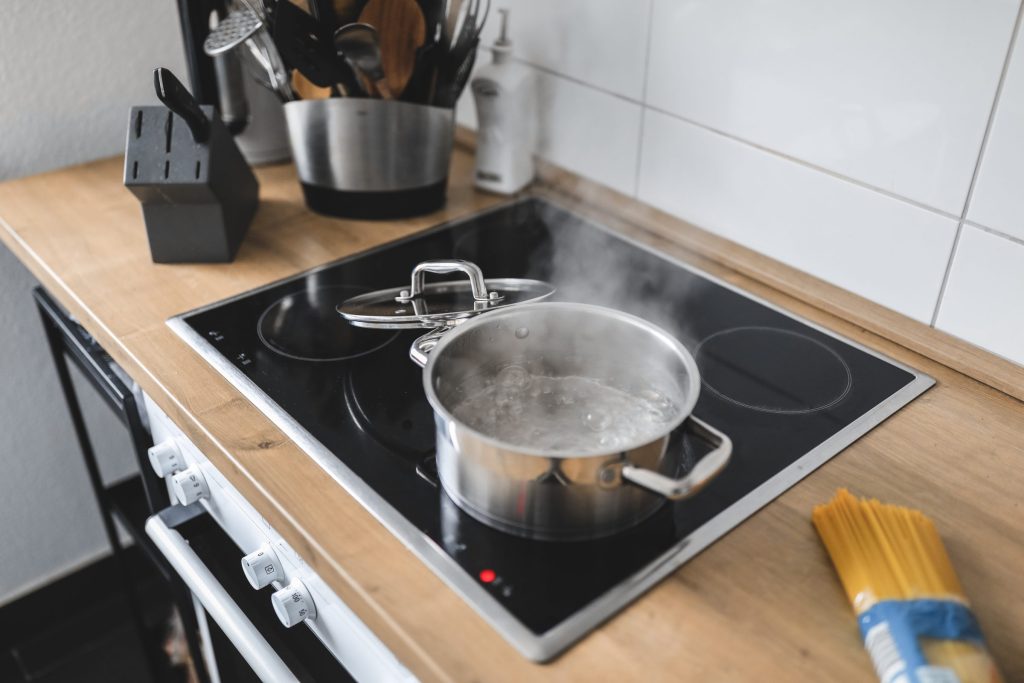
  • A steel pot boiling on a black cooktop set into a wooden worktop.
    Protection, usually working correctly

    Induction zone shutting itself off

    A zone that runs for ten minutes and stops, then works again once everything has cooled. That is a protection doing its job, and the useful question is what made it too hot rather than what is broken.

    • A zone stopping mid-cook and restarting later
    • Always the same zone, or always the same time
    • A generator or heat sink condition on screen
    What it usually means
  • A hand held over a frying pan on a black induction cooktop.
    Nearly always the pan

    Induction not seeing the pan

    The zone lights up, the pan sits there, and nothing happens. Induction reads the base of the cookware rather than the weight on the glass, and a cooktop that is working perfectly will ignore the wrong pan all day.

    • One pan ignored, others fine
    • A pan that worked before and does not now
    • A zone that starts and stops immediately
    What it usually means
  • A hand reaching to the glass panel of an angled black range hood.
    Filters first, and they are free

    Range hood not working

    A hood that will not start, runs on one speed, or moves nothing while sounding perfectly healthy. The list of things that go wrong here is short, and the first one costs nothing.

    • Lights work, fan does nothing
    • Only one speed available
    • Running, but pulling nothing
    What it usually means
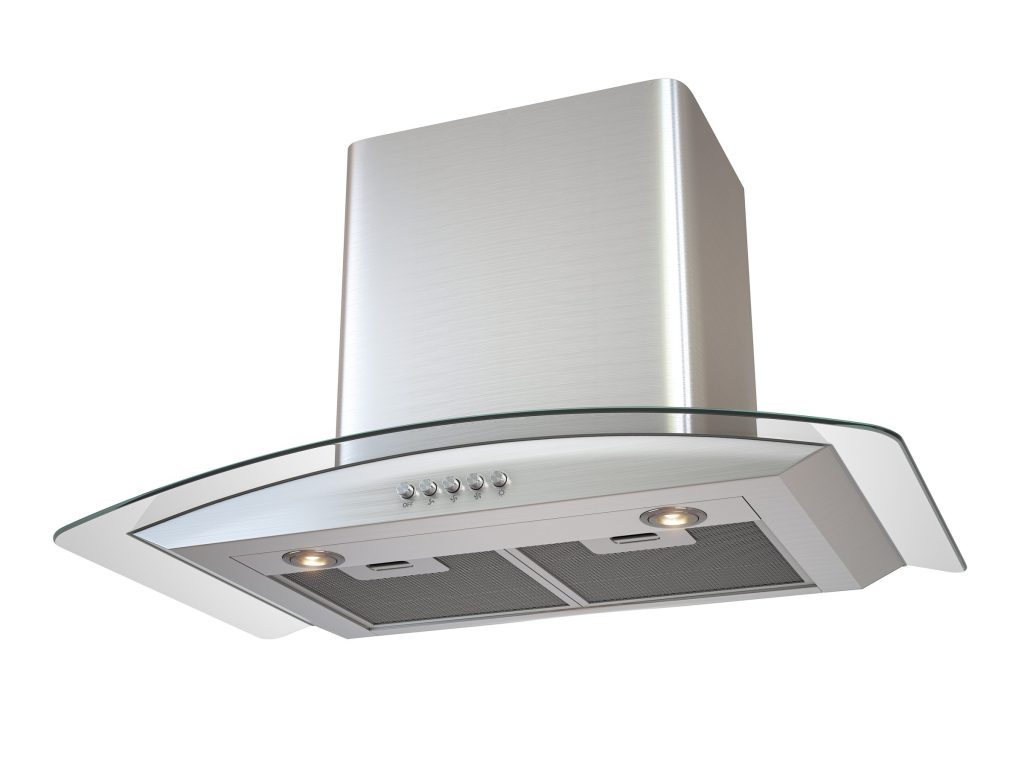
  • A stainless range hood with a glass visor, both of its lamps lit above the filters
    Cheap, and occasionally not the lamp

    Range hood lights not working

    Hood lights that have stopped, flicker, or work on one setting only. Usually the lamps, sometimes the driver behind them, and almost never worth worrying about.

    • All lamps out at once
    • One lamp out, the rest fine
    • Lights flickering or dimming
    What it usually means
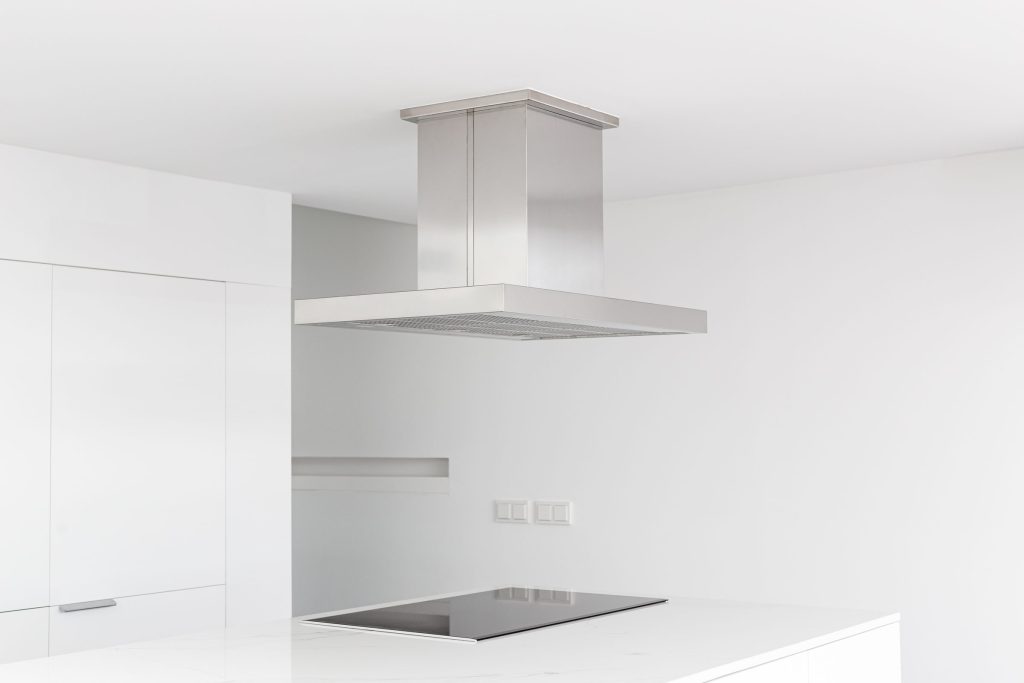
  • A minimal white kitchen with a stainless island hood above a flush induction cooktop.
    A mechanism, not a microwave

    Microwave drawer will not open

    The drawer will not travel, stops part-way, or opens and will not close. This is the commonest call on a drawer microwave and it has nothing to do with heating food.

    • Drawer that will not open at all
    • Travel that stops part-way
    • A drawer that opens and will not close
    What it usually means
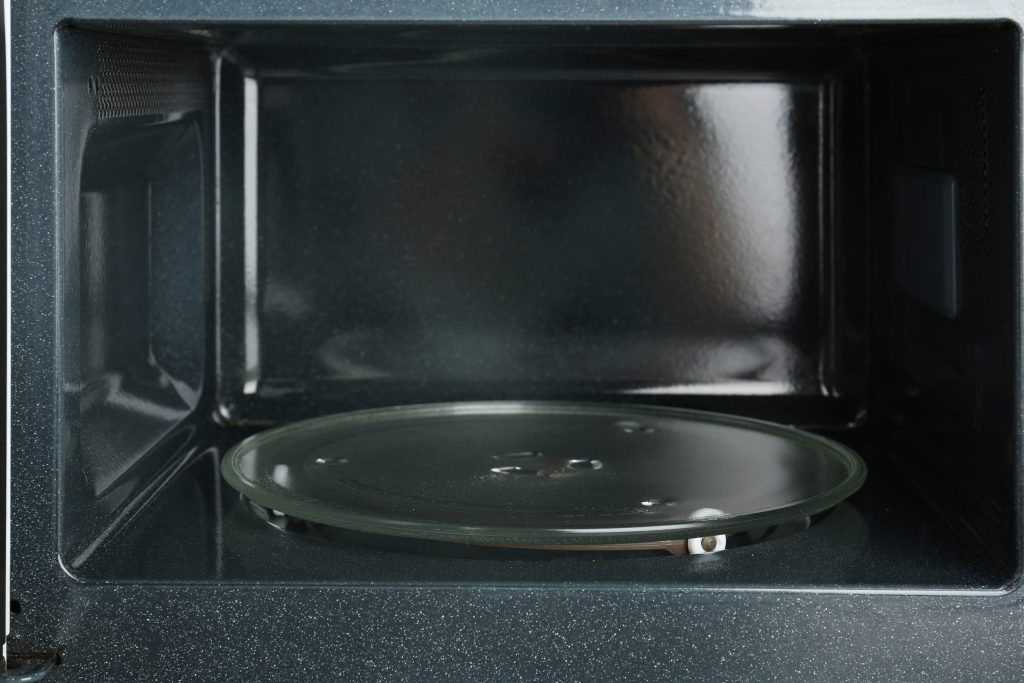
  • The inside of an open microwave, the glass turntable sitting on its roller ring
    Not a do-it-yourself appliance

    Microwave runs but nothing heats

    Everything looks normal — it counts down, the light is on, the turntable moves — and the food comes out cold. This is the high-voltage side, and it is the one appliance on this site with nothing safe for an owner to check.

    • Runs normally and food stays cold
    • A loud hum with no heating
    • Heating that has gradually got weaker
    What it usually means
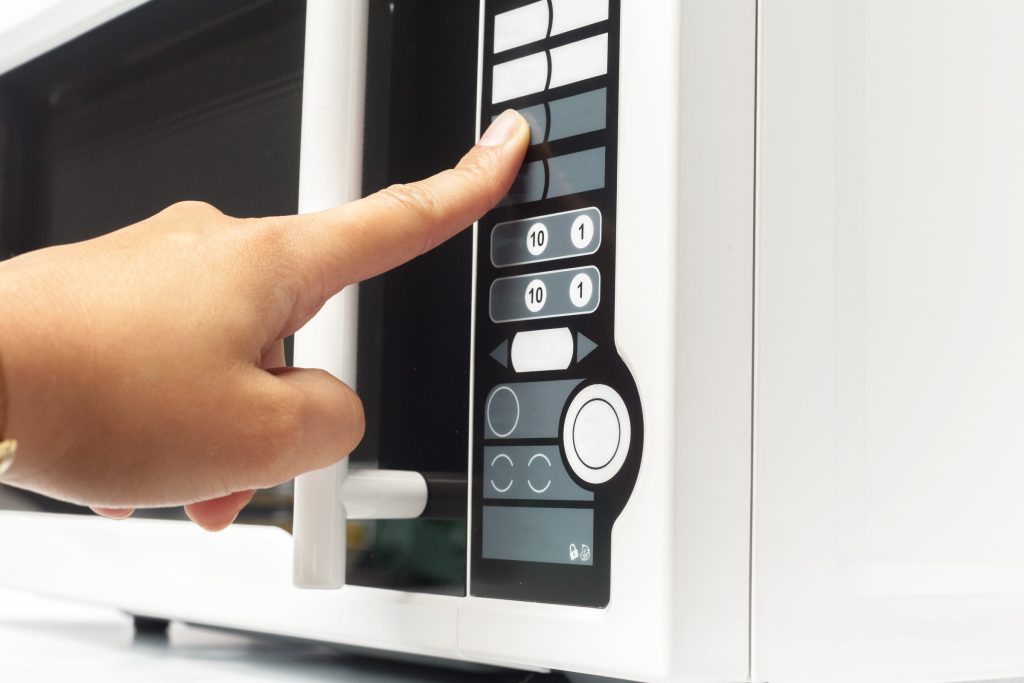
  • A finger pressing one of the membrane keys on a white microwave keypad
    Often the cabinet rather than the appliance

    Microwave controls behaving erratically

    A keypad that misses presses, a display that scrambles, or a machine that starts something nobody asked for. Built into a stack with an oven, the first suspect is the supply they share.

    • Keys that respond intermittently
    • A display showing nonsense
    • Strange behavior shared with the oven below
    What it usually means
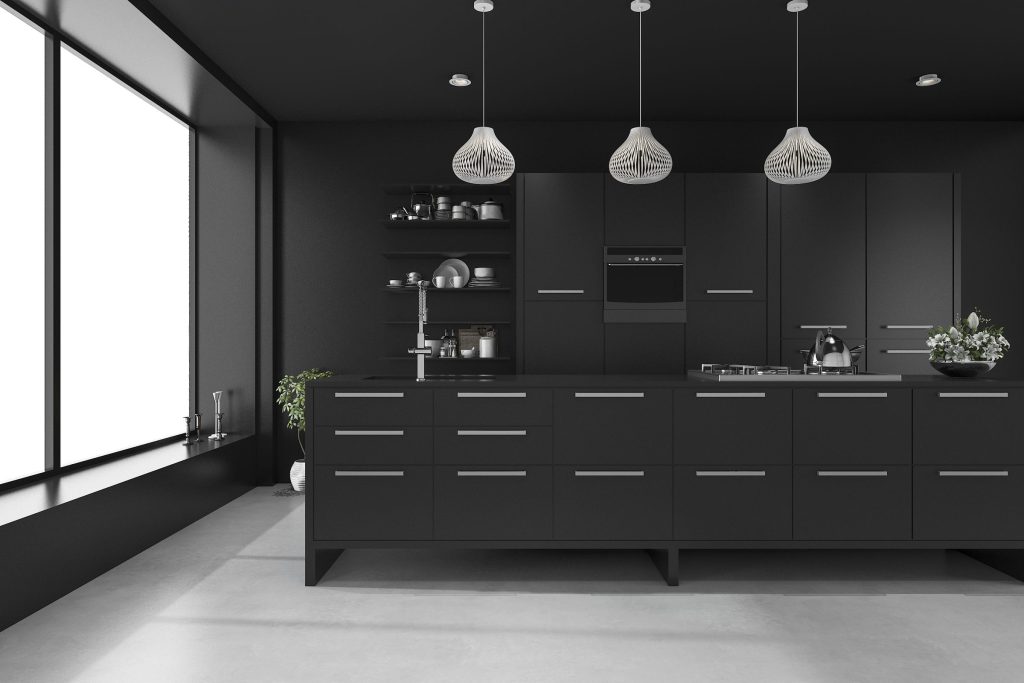
  • A black galley kitchen with three pendant lights and a tall window at the end.
    The drawer says which, in a number

    Warming drawer not heating

    The drawer runs, the display looks normal, and what comes out is no warmer than the room — or it heats for a while and shuts itself down. This appliance publishes conditions for both, and the number on the panel names the circuit.

    • Food no warmer than the kitchen
    • Heats, then stops after an hour or two
    • A 40 or a 60 on the display
    What it usually means
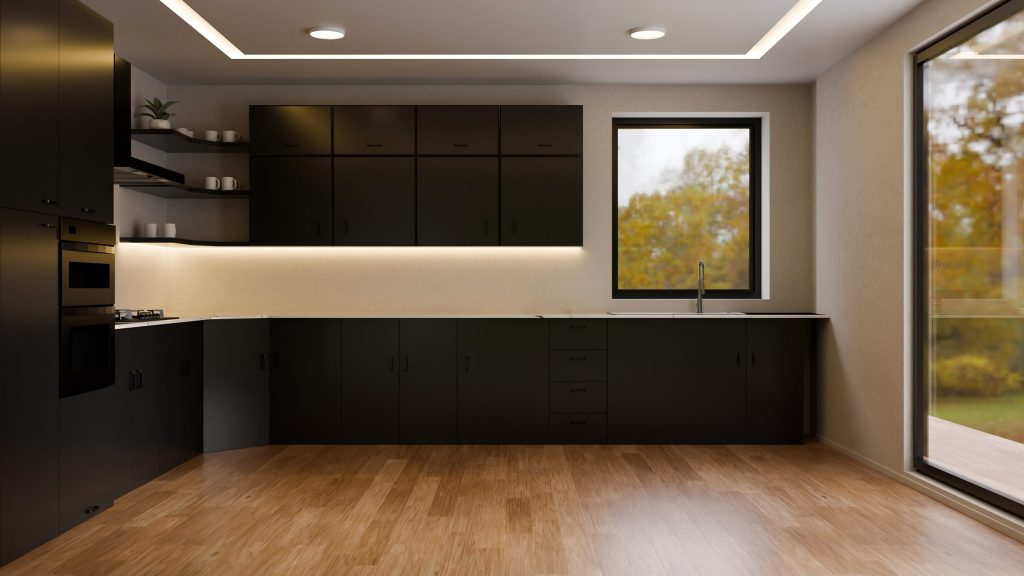
  • A black kitchen along one wall with a lit worktop, a wooden floor and a window onto the garden.
    Usually the drawer, not the drawer heater

    Warming drawer will not turn on

    Nothing happens when the power key is pressed, or the panel lights up and refuses to start a cycle, or it shows PF and stops there. On this appliance the commonest reason is the simplest one: the drawer is not closed onto its switch.

    • No response from the power key
    • A 10 or a 50 on the display
    • PF showing after a storm
    What it usually means
  • Espresso pouring from a machine spout into a white cup on a dark drip tray
    Water first, every time

    Coffee system not brewing

    Nothing comes out, or a shot that runs thin and fast, or a machine that asks to be filled when it is full. On a built-in coffee system almost everything in this list starts with water — the tank, the line, the scale, and what Miami water leaves behind.

    • No coffee, or a message instead of one
    • A shot running thin and fast
    • A circuit fill message that will not clear
    What it usually means
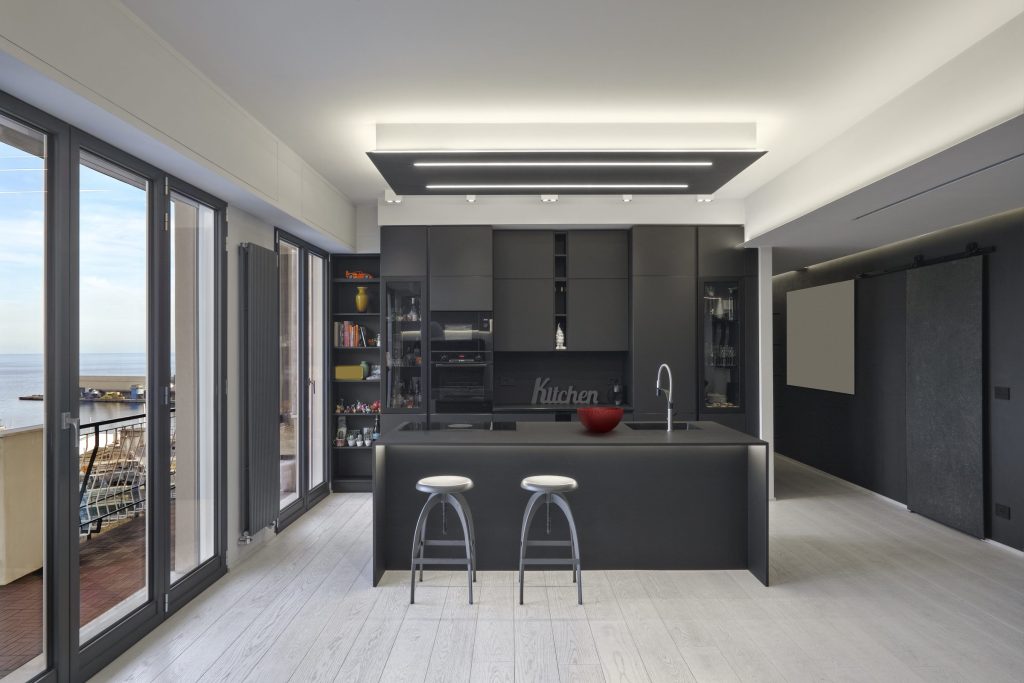
  • A total-black kitchen in a high-rise, an island with two stools and a wall of glass onto the ocean.
    Worth reporting quickly in joinery

    Coffee system leaking water

    Water on the shelf, at the front of the cabinet, or running down behind the unit. On a plumbed appliance built into a cabinet run this is the one thing worth calling about the same day, because the damage is to the joinery rather than to the machine.

    • Water at the front, under the drip tray
    • Damp at the back of the cabinet
    • A puddle after every drink
    What it usually means
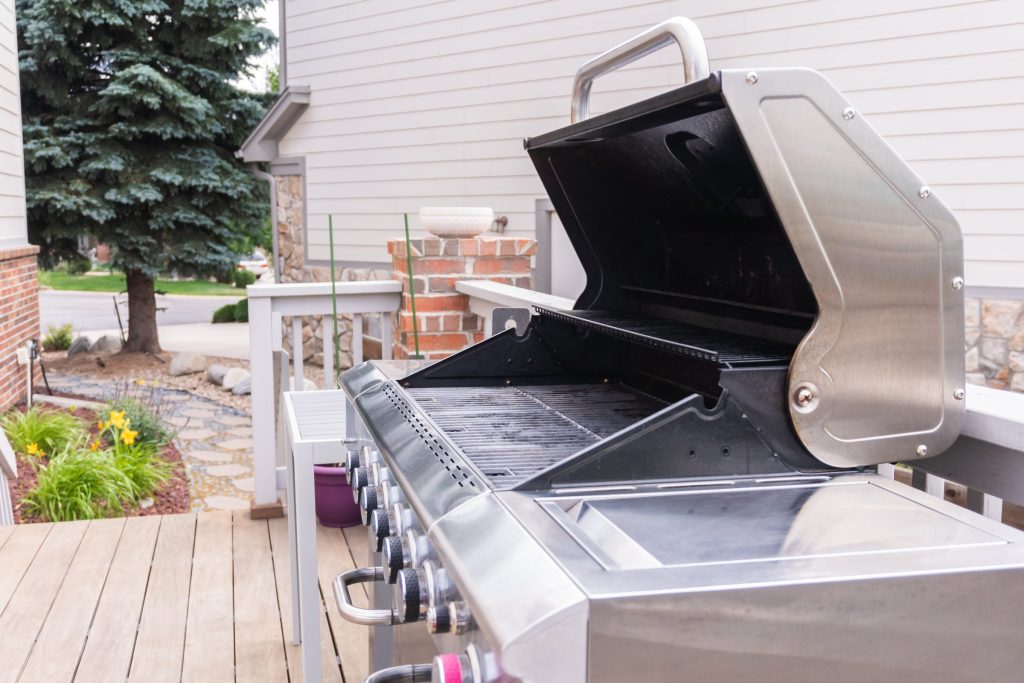
  • A stainless outdoor gas grill on a deck with the lid raised, burner tubes and control knobs in view
    Gas first, then the spark

    Grill burner will not light

    It clicks and nothing catches, or one burner lights and the others do not, or there is no spark at all. The grill publishes no error codes — it never has — so the whole diagnosis is on the grill itself, and most of it is visible.

    • Clicking with no flame
    • One burner lighting, the rest not
    • No spark and no click
    What it usually means
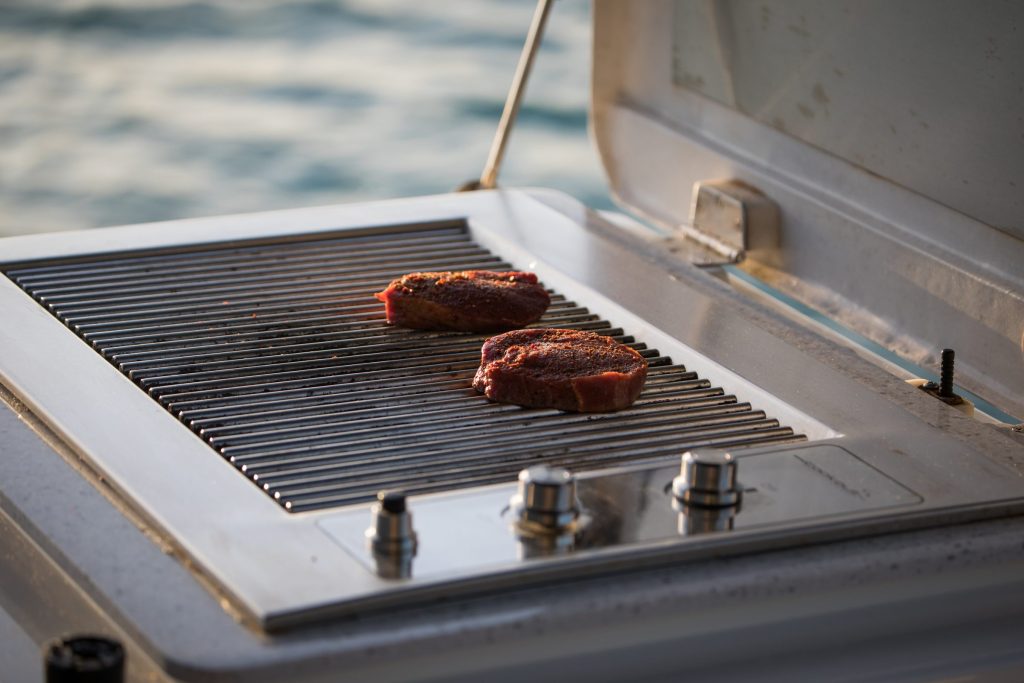
  • Two steaks on one half of a gas grill grate, the rest of the grate empty, water behind
    A burner you can look at

    Grill heating unevenly

    One half of the grate sears and the other does not, or the whole grill runs cooler than it used to, or the hood thermometer disagrees with what the food is doing. All three are visible problems with visible parts.

    • One zone hot, the next cold
    • Lower heat across the whole grill
    • A thermometer that reads nothing like the cooking
    What it usually means

Two halves, two kinds of evidence

The electronics tell you what is wrong. The gas does not.

Everything electronic on this brand publishes a condition — 414 of them are decoded on this site, and a four-character code names the cavity and the board that reported it. That is an unusual amount of help, and the oven pages here lean on it heavily.

The gas half says nothing at all. There is no code for a burner that will not light, a simmer that will not hold or a griddle that stays cold, and there never will be. Those pages carry the diagnosis themselves, which is why they are longer on what to look at and shorter on what to read.
See the full code archive
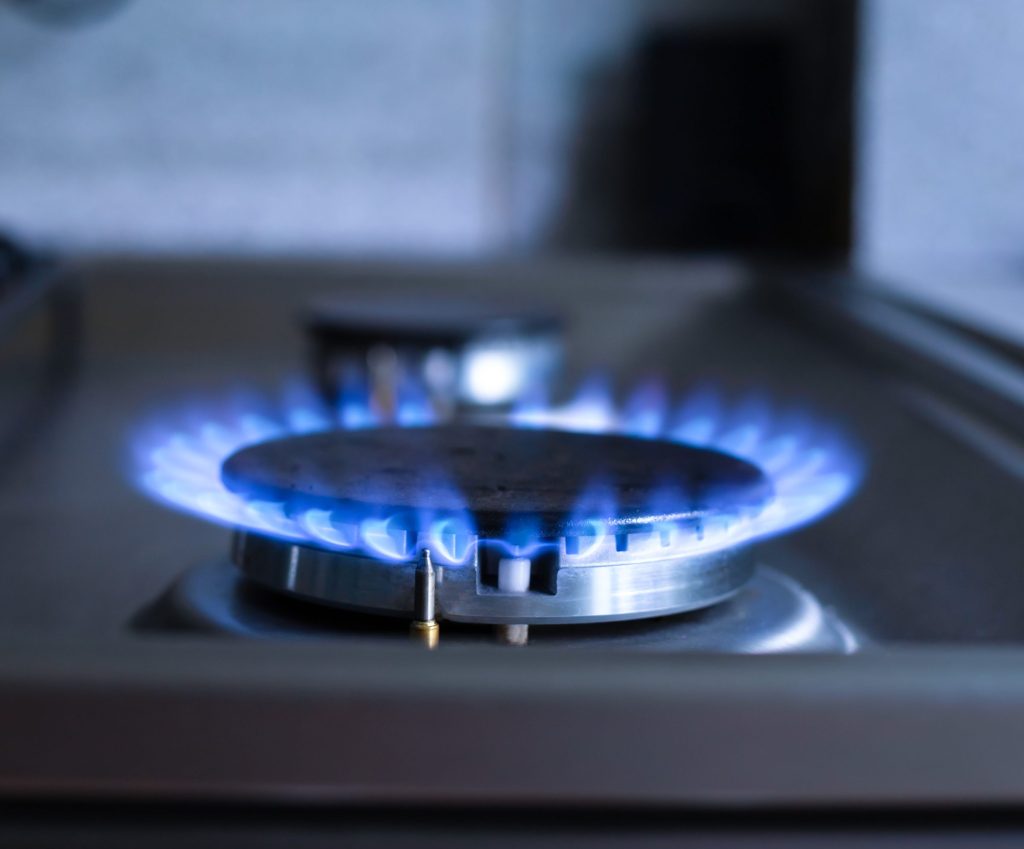
A single gas burner alight with a low even blue flame, close up in a dark kitchen

None of these quite fit?

Describe it in your own words and we will place it.

These pages are the problems we are called about most, not a complete list of what an appliance can do. If yours is doing something odd that is not here, say so — the description is usually enough for us to name the job and the likely figure before anybody drives anywhere.

Still not sure? Tell us what it is doing.

If the answer is that nothing is wrong, that is the answer you will get — several of these pages exist to say exactly that.

This article is based on:

  • Official manufacturer documentation
  • Internal repair procedures
  • Technician repair history
  • Company quality standards
Call (305) 449-9681