Seven types, the cooking half of a kitchen, and no apologies for that
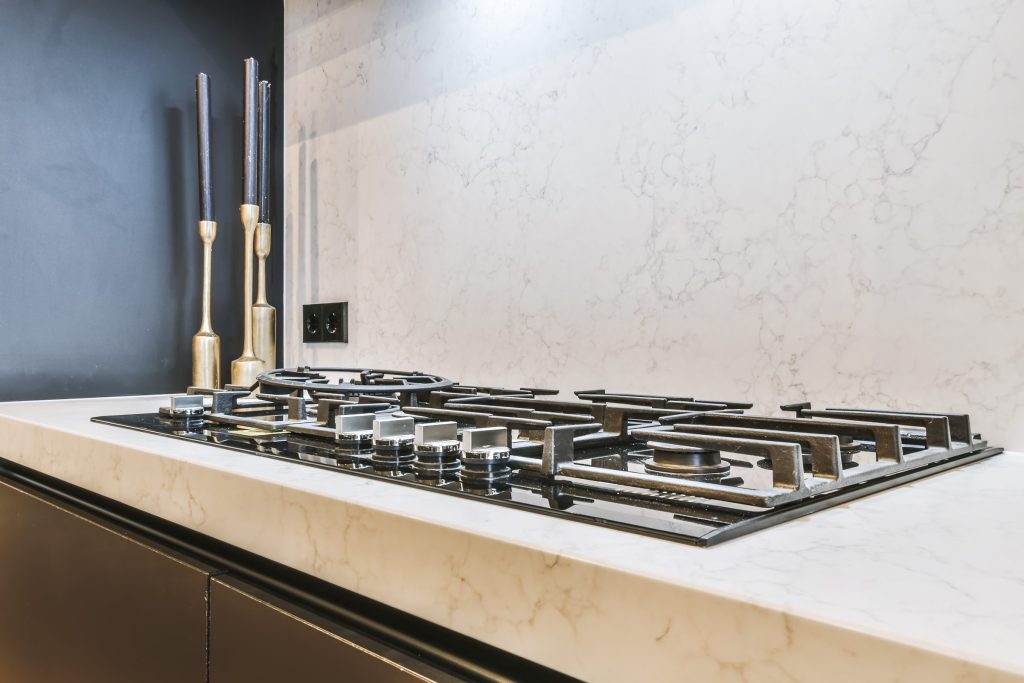
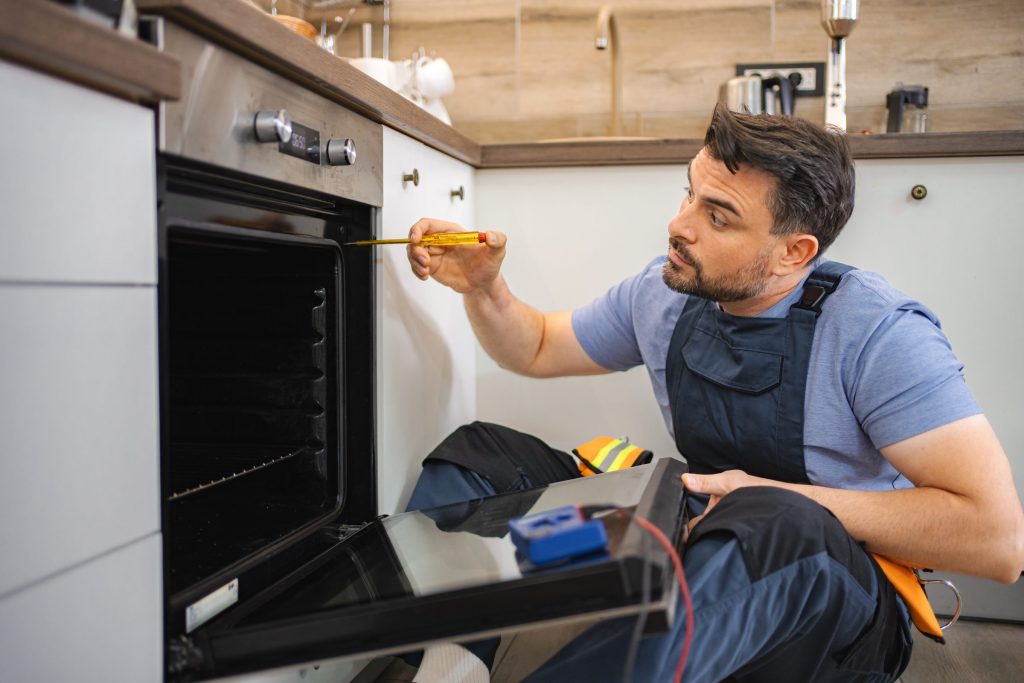
Wolf builds cooking equipment: ranges, cooktops and rangetops, built-in and steam ovens, warming drawers, ventilation, microwaves, the built-in coffee system and the outdoor grills. There is no refrigeration in the line, no dishwasher and no laundry. In most kitchens where you find this equipment, the cold half of the room carries a different badge from the same parent company, and it is a different repair. What nearly all of them have in common here is that they were fitted to a cabinet opening or built into an island rather than delivered to a room, and that shapes the appointment as much as the failure does.
What tends to go wrong, by appliance
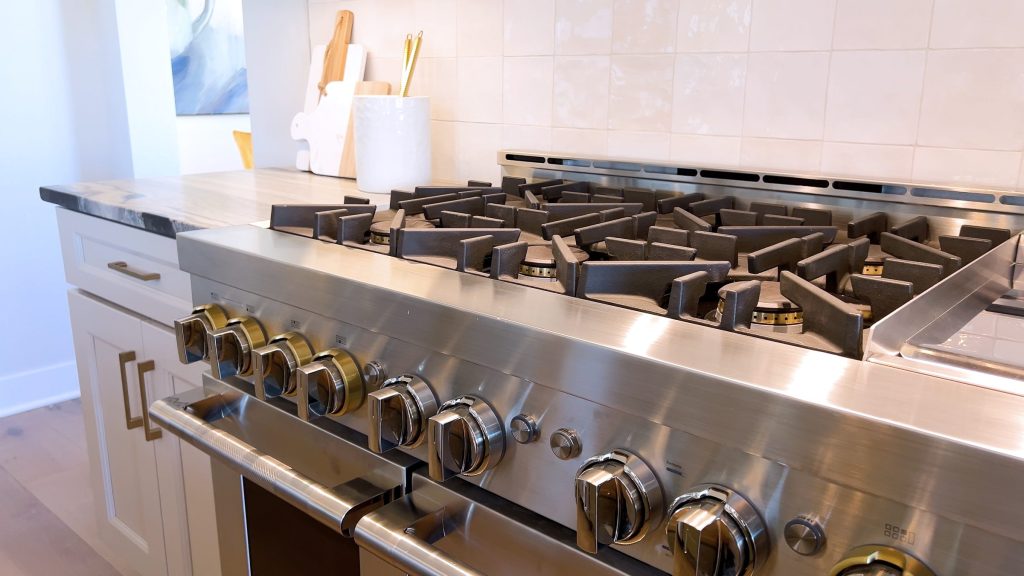
- Ranges. Which half — the burners above or the oven below — because on dual fuel they have nothing in common inside
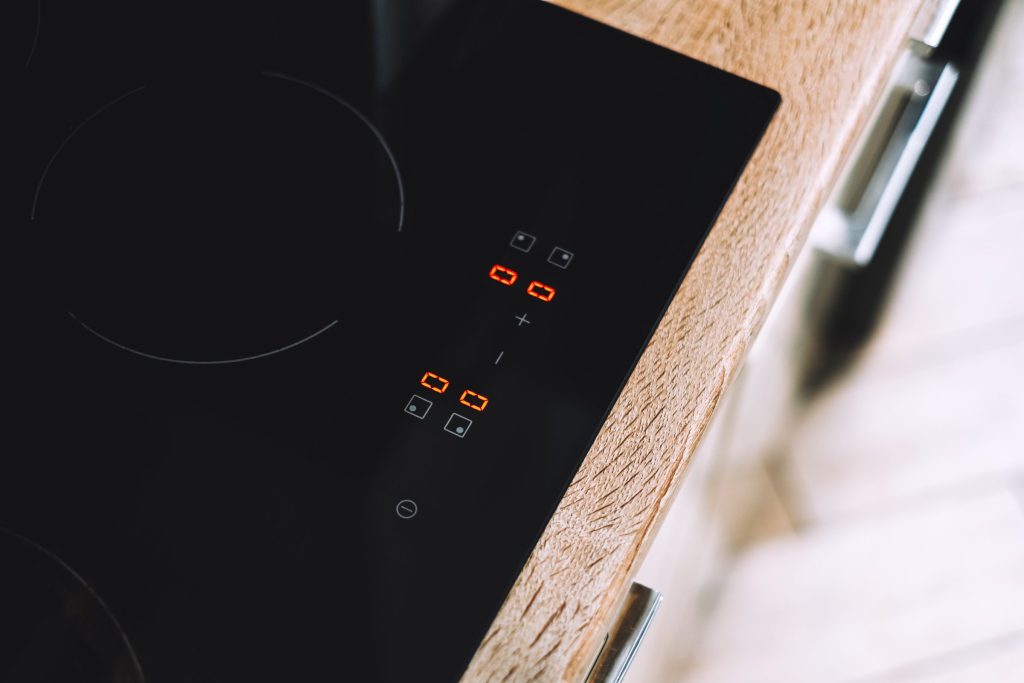
- Cooktops and rangetops. Mostly protections doing their job: a generator overheating under a running oven, a pan induction cannot see, a panel locked by a wet cloth
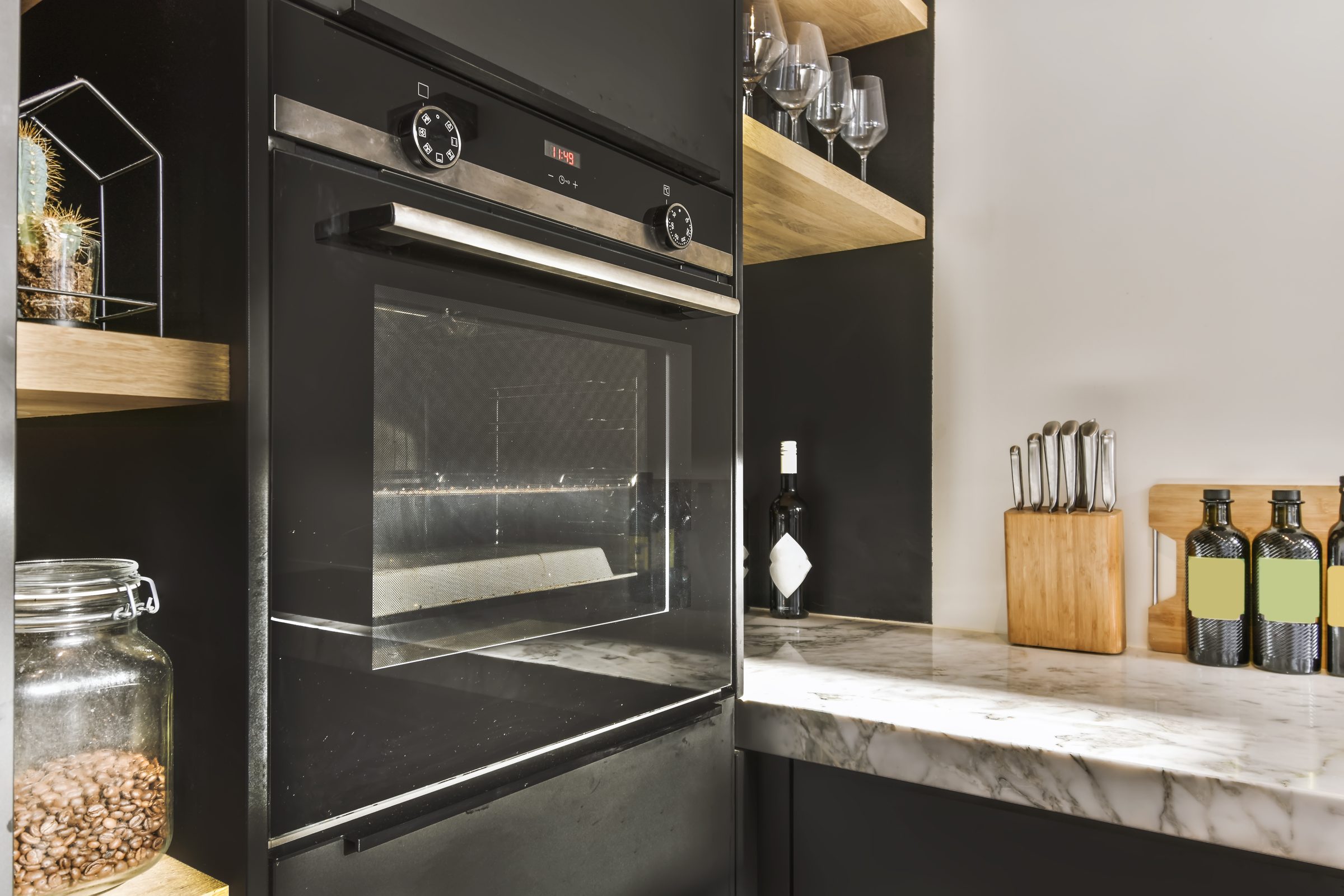
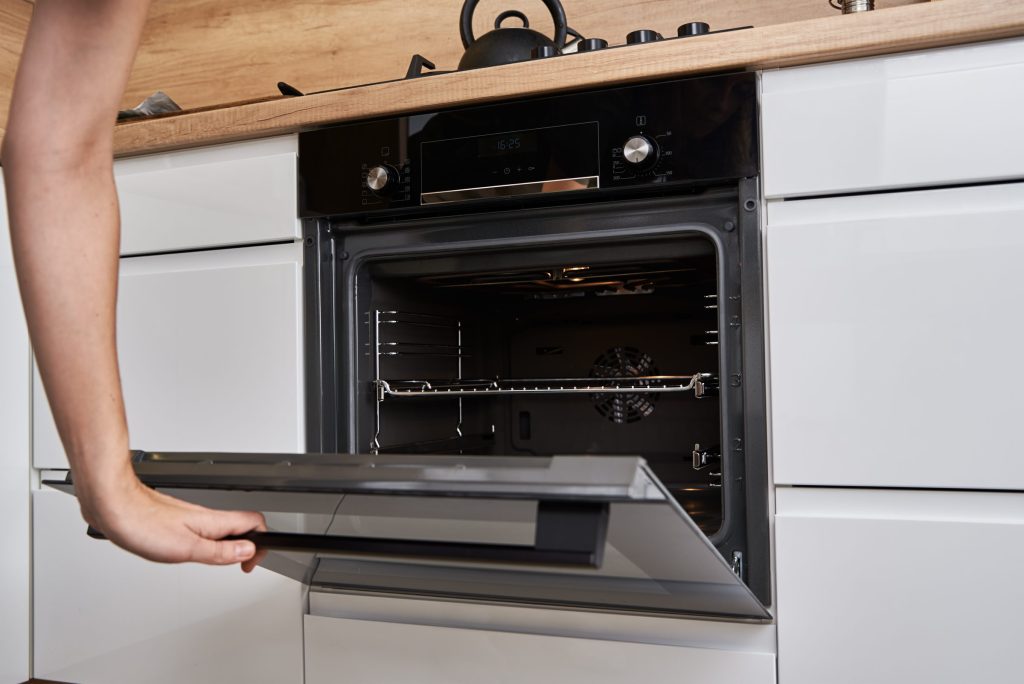
- Built-in ovens. Sensors, elements, door locks after a self-clean, cooling fans and touch panels — and on a double, which of the two cavities
- Steam ovens. Scale, the tank, the fill and drain path, and the vent valve gumming up with grease
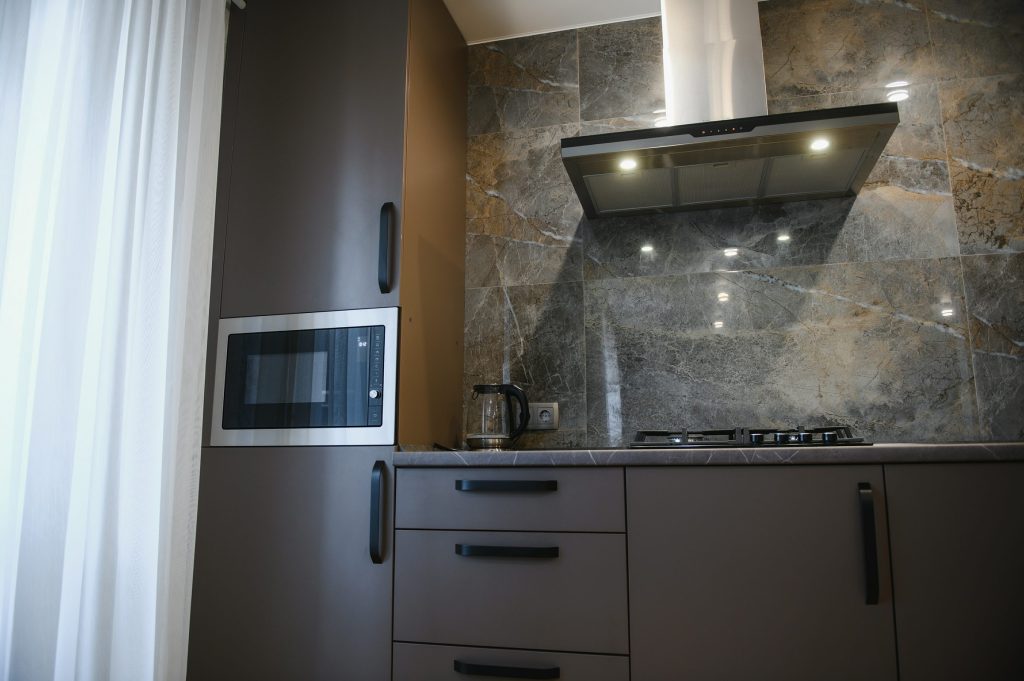
- Ventilation. Motor, capacitor, lights, filters, damper. A short list and usually a quick visit
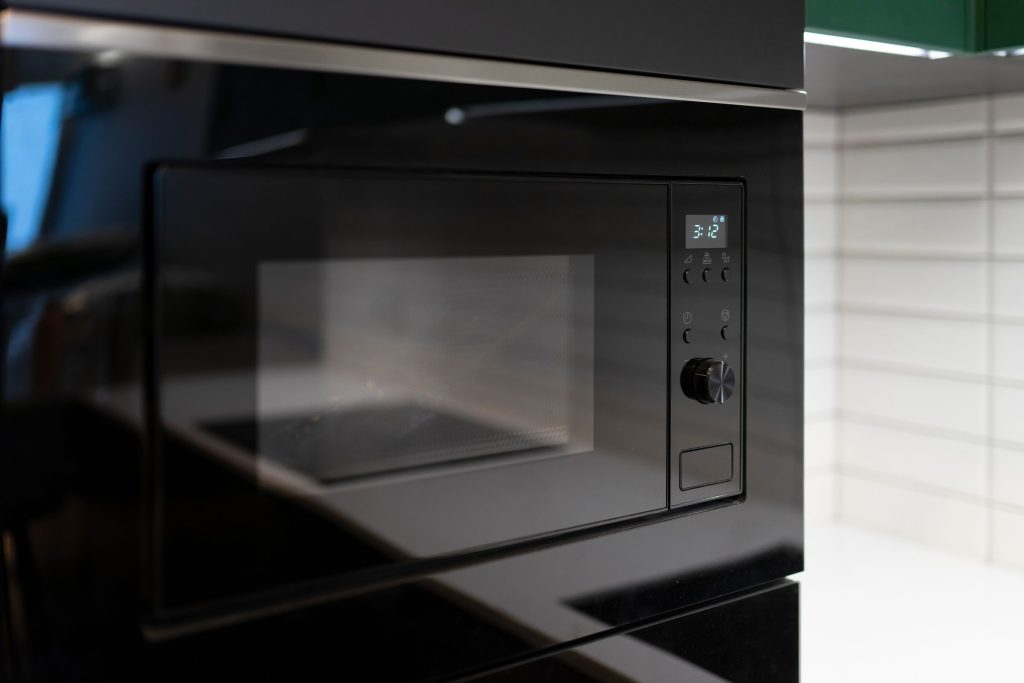
- Microwaves. On a drawer, the mechanism before the magnetron; on any of them, never the high-voltage side without a technician
- Warming drawers. A door switch the drawer is not closing onto, an element the control called for and did not see, or a cavity that has climbed past its limit and stopped
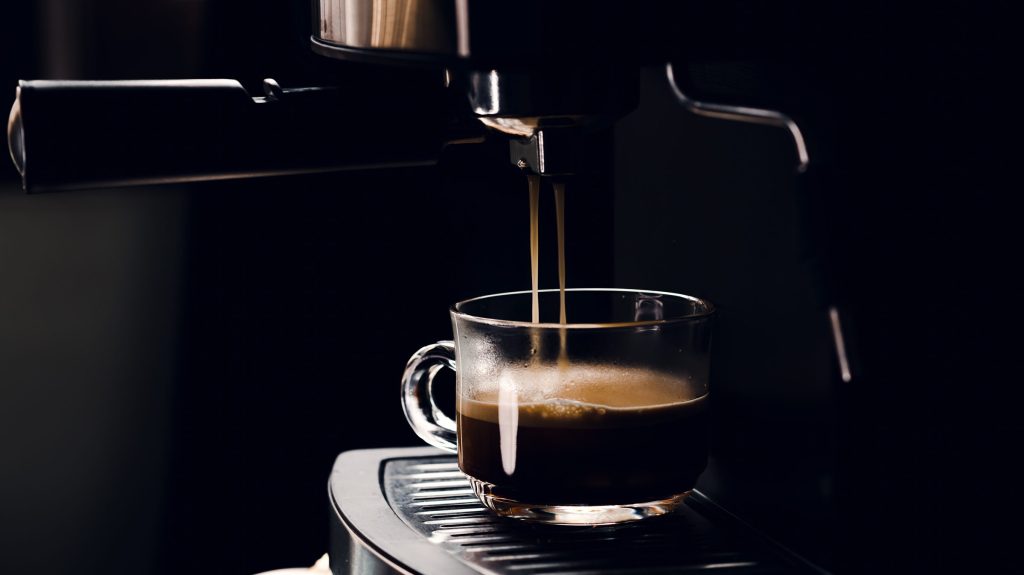
- Coffee systems. Scale first, always; then the brew unit, the grinder burrs and the milk circuit
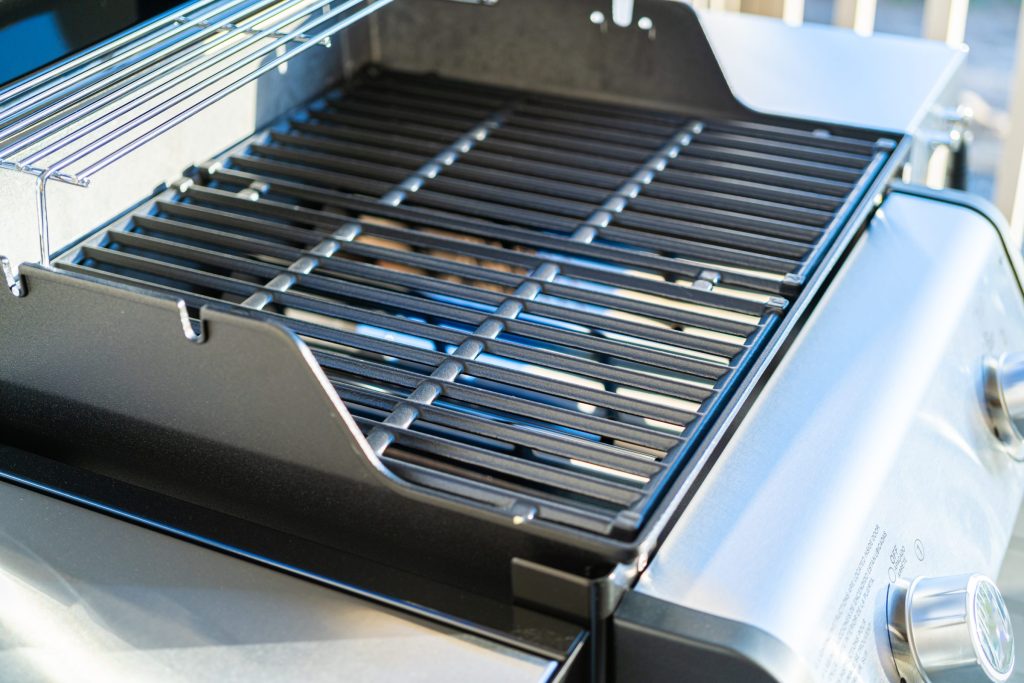
- Outdoor grills. Ignition and gas before anything else, and corrosion behind most of it — this is the one appliance that lives in the weather
Two code alphabets, and what they tell us about your appliance
The current ranges and M Series ovens report errors as four characters — 3C20, 0221, 5521 — where the last two say which cavity and which board. The legacy and European-built machines show E-numbers and word messages such as COMM ERR, COOL FAN and CHECKSUM. Which one is on your display places the appliance in time before we have asked a single question, and both are published in full on this site.
Model numbers
Behind the kick panel of a range, on the side of the opening behind a wall oven door, under the front lip of a cooktop, inside the frame of a hood. A photograph of the plate is enough — it gives us the series, the configuration and which parts fit, before anybody drives anywhere.