Error code
Wolf built-in oven error code LOWER RELAY
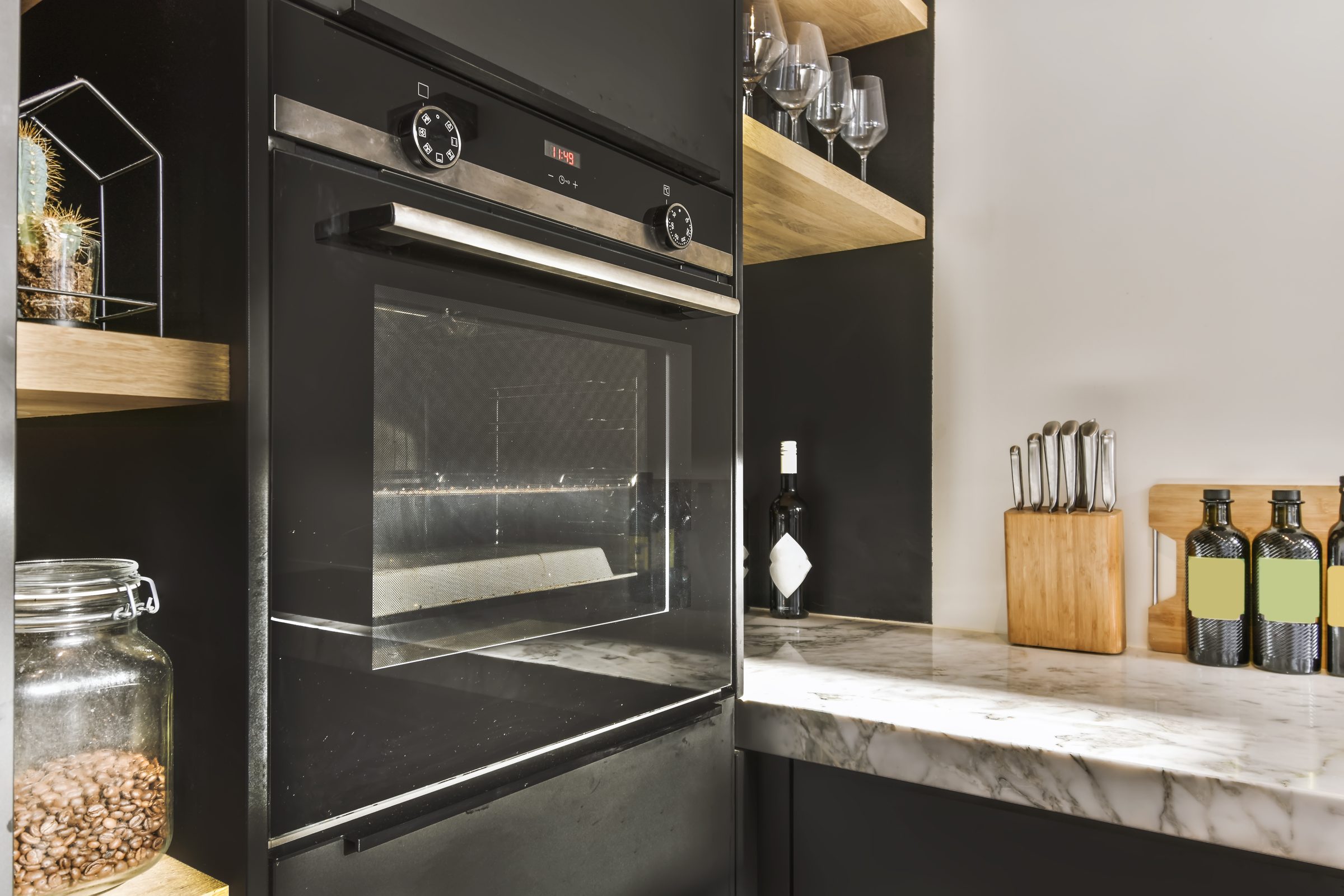
Wolf error code LOWER RELAY: the board that switches the appliance's loads, or the one that drives the display, has reported an internal error, on a built-in oven, where every part named here sits behind trim that is screwed into the cabinetry rather than behind a panel that slides out. What the code covers, what to check first, and what it does not tell you — on built-in ovens & steam ovens.
- From $95 diagnostic, credited to the repair
- 59 cities and neighborhoods covered
- OEM parts available on order
- In writing the price, before anything is opened
What we can confirm
Code LOWER RELAY, from the manufacturer's own documentation
A code is only meaningful together with the generation showing it — the same two digits mean different things across generations, and that is the commonest reason a code looked up online leads somewhere wrong. This one is recorded on L Series.
The code
LOWER RELAY
The board that switches the appliance's loads, or the one that drives the display, has reported an internal error, on a built-in oven, where every part named here sits behind trim that is screwed into the cabinetry rather than behind a panel that slides out
or call (305) 449-9681
What it narrows down to
Lower oven shift register feedback indicated failure
What you are probably seeing
Diagnostic
From $95, credited to the repair
What it looks like from the kitchen
The symptom this code usually arrives with
A code names the subsystem; the symptom is what sent you to look at the display in the first place. That page says what it usually turns out to be, cheapest cause first.
-
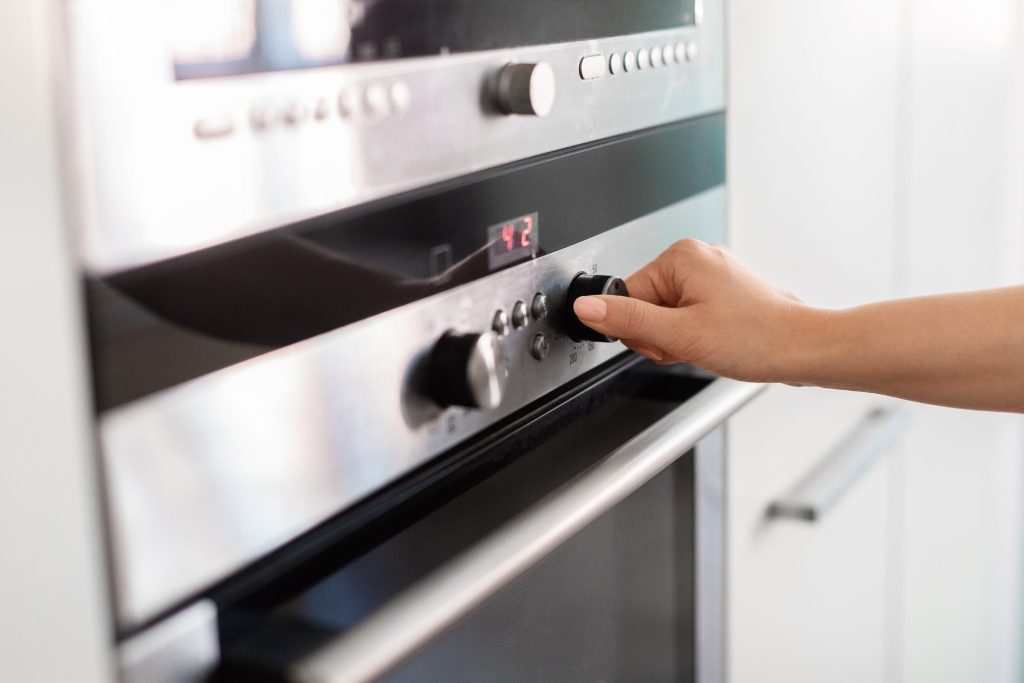
Which board stopped talking Oven display blank, frozen or erratic
A display that has gone blank, frozen part-way, or is showing something that makes no sense. The appliance often still works underneath, which is a clue rather than a comfort.
- Blank display and an oven that still heats
- Characters frozen or scrambled
- A communication or checksum message
On the same generation
What else belongs to the L Series
A code belongs to a generation rather than to one cabinet. These are the other codes yours can show, and the models that can show this one — a display often has more than one thing to say, and the model number decides what any of it costs to put right.
Other codes this generation can display
No published cause
RM EE Checksum error
Communication lost with the oven controller
Cooling fan apparency switch reports cooling fan failure
Door lock or unlock switches not sensed within 60 seconds
Key communication error
The same two digits mean different things across generations. Search the full code list
In more detail
About Wolf built-in oven error code LOWER RELAY
What this one means
The board that switches the appliance's loads, or the one that drives the display, has reported an internal error, on a built-in oven, where every part named here sits behind trim that is screwed into the cabinetry rather than behind a panel that slides out. It is a code the manufacturer publishes for this appliance, not one we have worked out — and it is decoded here rather than left as three characters on a display.
What the code covers
A published cause names a circuit rather than a component, which is the single most useful thing to know before ordering a part. This one covers:
- The relay board behind the appliance
- The control head behind the fascia
- The harness between them
- Lower oven shift register feedback indicated failure
Worth doing before you call
- Note which cavity it is on a double oven — the code says upper or lower and that is half the diagnosis
- Switch the breaker off for thirty seconds and back on, and see whether the code returns
Then what
A board error that survives a power cycle is a part. Which board is worth knowing before anybody orders anything, and the code is what says which.
This code is published for built-in ovens & steam ovens. The full list of codes has the rest of them, searchable, including the labels older and newer machines use for the same conditions.
This article is based on:
- Official manufacturer documentation
- Internal repair procedures
- Technician repair history
- Company quality standards