Error code
Wolf induction range error code E20
Wolf error code E20: a temperature sensor is reading a value the control knows cannot be true, on an induction range, where the cooktop is a power electronics assembly and the oven below it is conventional. What the code covers, what to check first, and what it does not tell you — on ranges.
- From $95 diagnostic, credited to the repair
- 59 cities and neighborhoods covered
- OEM parts available on order
- In writing the price, before anything is opened
What we can confirm
Code E20, from the manufacturer's own documentation
A code is only meaningful together with the generation showing it — the same two digits mean different things across generations, and that is the commonest reason a code looked up online leads somewhere wrong. This one is recorded on Induction range.
The code
E20
A temperature sensor is reading a value the control knows cannot be true, on an induction range, where the cooktop is a power electronics assembly and the oven below it is conventional
or call (305) 449-9681
What it narrows down to
0x27 = Heat sink sensor failure
What you are probably seeing
Diagnostic
From $95, credited to the repair
What it looks like from the kitchen
The symptom this code usually arrives with
A code names the subsystem; the symptom is what sent you to look at the display in the first place. That page says what it usually turns out to be, cheapest cause first.
-
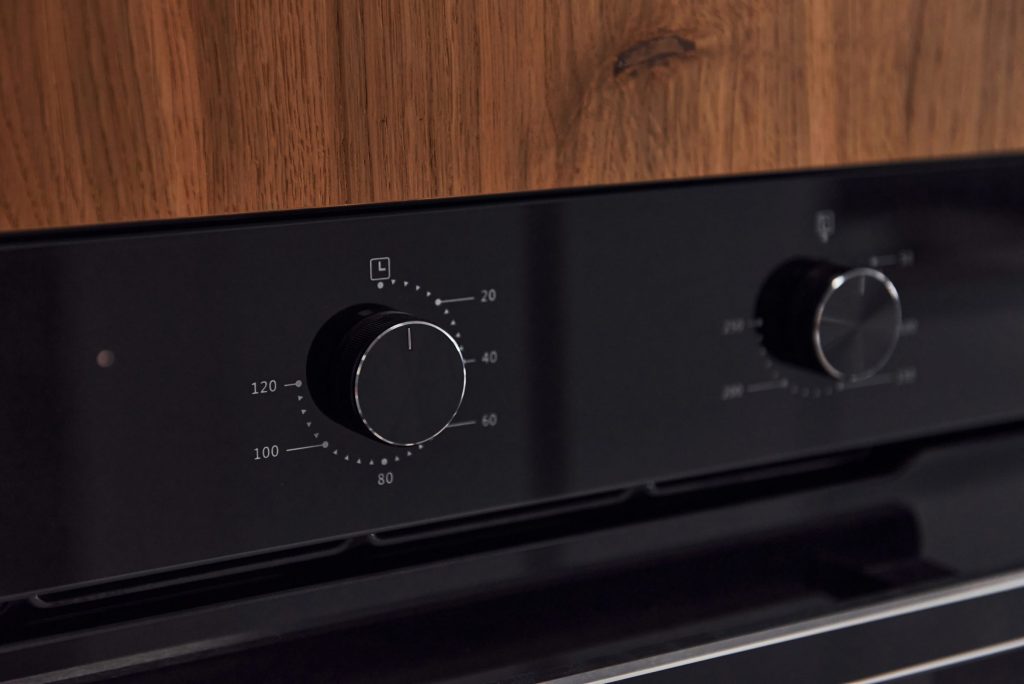
Obedient, and aiming at the wrong number Oven temperature wrong or uneven
An oven that heats perfectly to a temperature that is not the one you set, or that burns on one side and undercooks on the other. Almost always a measurement problem rather than a heating one.
- Everything browning too fast or too slowly
- One side or one shelf consistently darker
- Baking that changed without anything else changing
On the same generation
What else belongs to the Induction range
A code belongs to a generation rather than to one cabinet. These are the other codes yours can show, and the models that can show this one — a display often has more than one thing to say, and the model number decides what any of it costs to put right.
Other codes this generation can display
Right or Single oven PCM RS485 Network error
Right convection fan shorted
The UIM detects and error with the RS485 network
No published cause
Key error on the left secondary
LIN Communication Error
Primary is too hot
0x33 = Sync error
Left secondary control board is too hot
The same two digits mean different things across generations. Search the full code list
Models that can display this code
The number on the data plate decides which parts exist and how quickly they arrive. All models
In more detail
About Wolf induction range error code E20
What this one means
A temperature sensor is reading a value the control knows cannot be true, on an induction range, where the cooktop is a power electronics assembly and the oven below it is conventional. It is a code the manufacturer publishes for this appliance, not one we have worked out — and it is decoded here rather than left as three characters on a display.
What the code covers
A published cause names a circuit rather than a component, which is the single most useful thing to know before ordering a part. This one covers:
- The sensor and its wiring back to the board
- The plug where that wiring passes through the cavity wall
- The board's own measuring circuit, which is what an implausible reading is checked against
- 0x27 = Heat sink sensor failure
- 0x36 = Temperature pin short cut
- 0x41 = Zone temperature value invalid
Worth doing before you call
- Check whether the oven still heats with the cooktop off, and the other way round
- Note whether the oven heats at all, and whether it overshoots or never gets there
Then what
An open sensor and a shorted one are opposite readings of the same circuit, and the appliance says which. That is the measurement a technician would otherwise start by taking.
This code is published for ranges. The full list of codes has the rest of them, searchable, including the labels older and newer machines use for the same conditions.
This article is based on:
- Official manufacturer documentation
- Internal repair procedures
- Technician repair history
- Company quality standards