Common Problems
Why a Wolf Burner Keeps Clicking — Including When All of Them Click at Once
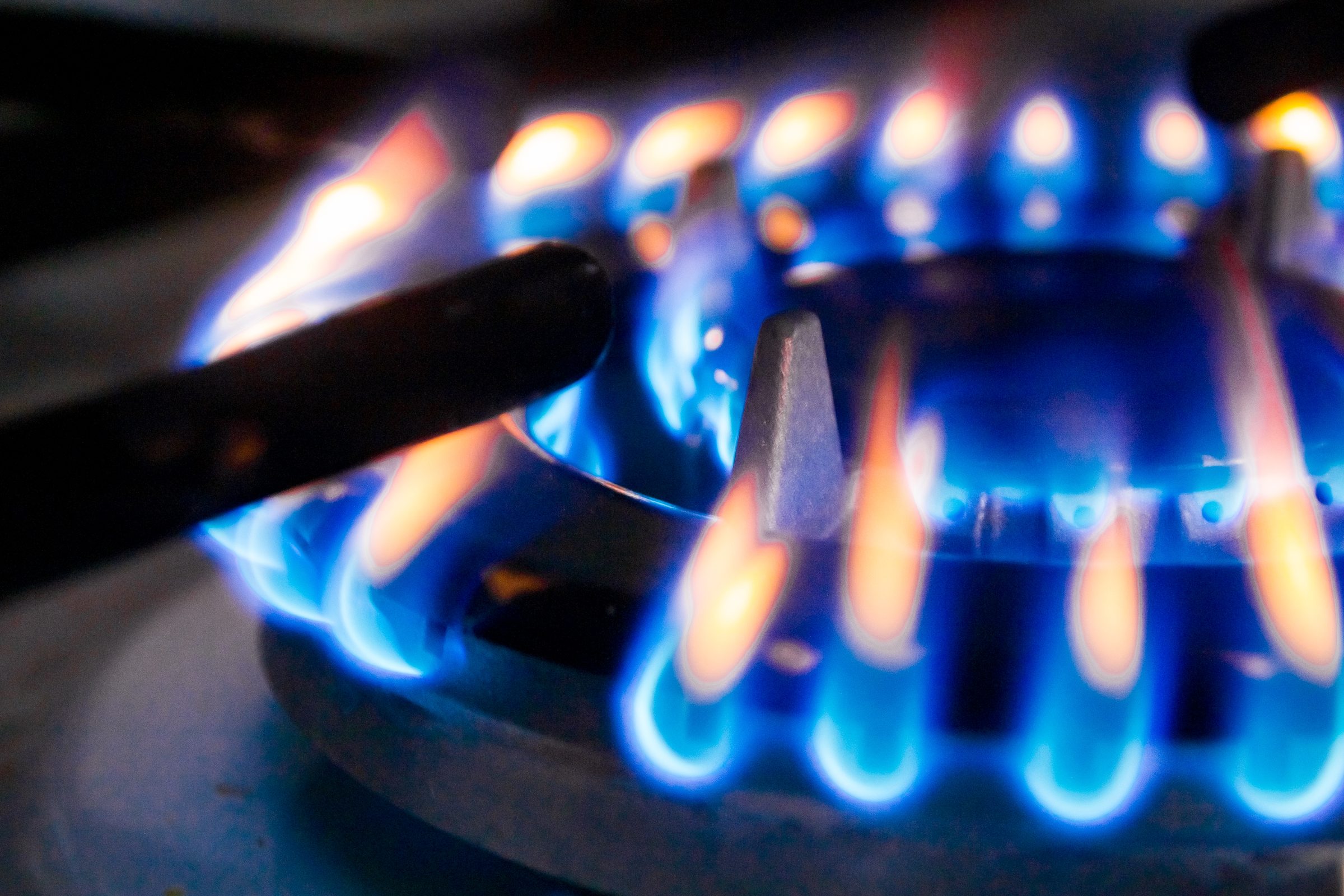
All the burners clicking when you turn one knob is normal — the igniters share a circuit and spark together until the burner lights. One burner clicking with no flame is almost always a burner cap sitting a fraction out of place after a clean; lift it off and set it back down squarely. If the cap is true and it still will not catch, that burner's igniter has aged past lighting the gas and is replaced on its own.
The full guide
First: are all of them clicking, or one?
This is the whole fork in the road and it takes two seconds.
All of them, when you turn any knob. Normal. The igniters share a circuit and spark together until the burner you asked for lights, then they stop. Nothing is wrong.
One of them, with no flame. That burner has a problem, and the list of what it can be is short.
All of them, continuing after a burner has lit. Not normal. That is the spark module or a switch stuck closed, and it should be looked at rather than lived with.
The ten-second fix
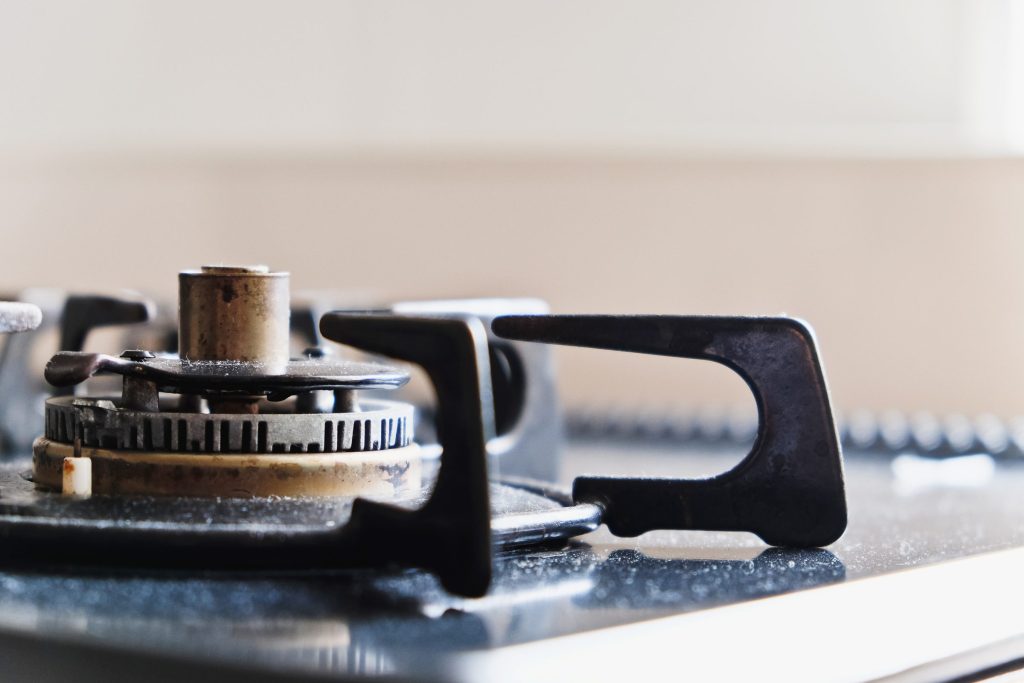
Lift the burner cap off — cool appliance — and set it back down squarely. Every burner cap has one seat and it only works in it.
A cap a fraction out of place after a clean is the single commonest cause of a burner that sparks and never catches: the spark is arriving at the electrode perfectly well, and the gas is coming out somewhere it cannot reach. It costs nothing to check and it is the answer more often than anything else on this page.
Washed it recently? A cap or a burner head that is still damp will not light. Give it an hour in a warm kitchen before you conclude anything, and reseat it when it is dry.
If the cap is true and it still will not light
The igniter for that burner has aged out. They weaken gradually and they fail individually, which is why one burner stops while the three around it are perfect. It is replaced for that burner alone — there is no saving in changing four.
A blocked port. The ring lights unevenly, or partially, or not at all. Cleared rather than replaced, and visible if you look at the flame across all the ports.
Flame sensing. The burner lights and goes out within a few seconds. The control did its job, did not see a flame, and shut the gas off, which is exactly what it should do.
The one that is not about the burner
Yellow flames on every burner. That is the fuel rather than the ignition. A range set up with the orifices for the wrong gas — natural gas where propane was supplied, or the reverse — burns yellow across the board and simmers badly. It has been that way since it was installed rather than failing, and it is worth correcting properly.
When to call
A burner that will not light with a correctly seated, dry cap. Clicking that continues after a flame is established. Any burner that lights and then goes out on its own.
Tell us whether it is one burner or all of them, and whether anything was cleaned or moved recently. Those two answers cover most of the diagnosis before anybody arrives.
If it turns out to be a repair
What this leads to, and what it costs
Every job on this site is priced the same way: an on-site diagnostic first, the figure agreed in writing before anybody starts.
-
Cap first, igniter second Burner clicks and will not light
One burner sparks and sparks and never catches while the others are perfect. The gas half of this appliance publishes no codes at all, so this page carries the whole diagnosis — and the first step is free.
- One burner clicking with no flame
- A burner that lights and goes straight out
- Clicking that carries on after the flame is up
-
Low flame is a real specification Burner will not simmer
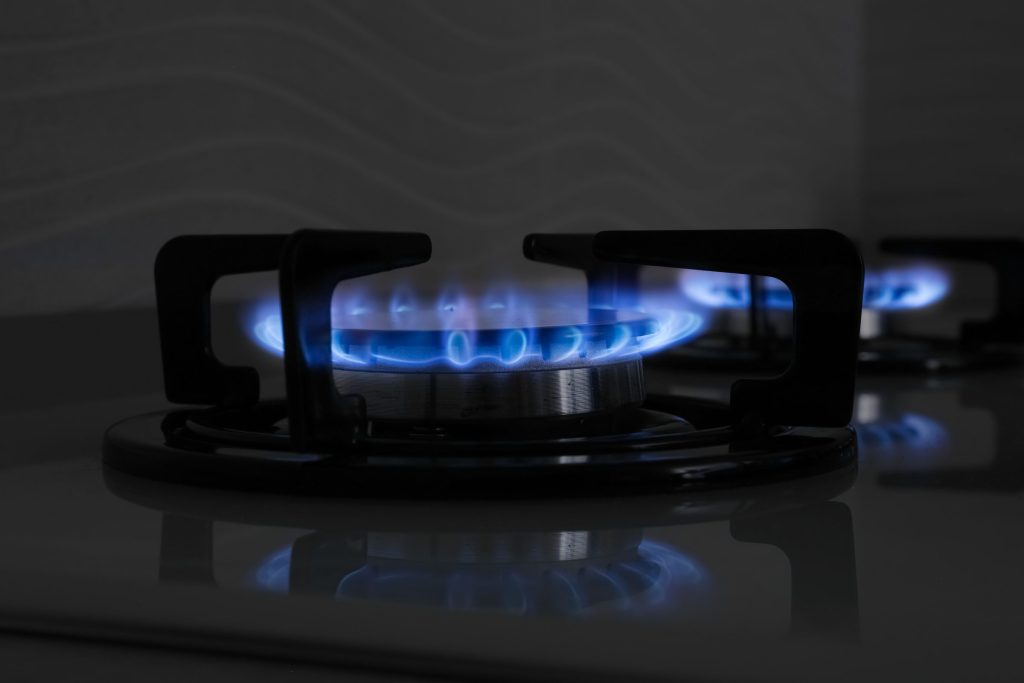
The burner works, but it will not hold a genuine low flame — it either goes out at the bottom of the dial or sits too high to melt chocolate. On professional equipment this is a specification rather than a preference.
- Flame goes out at the lowest setting
- Nothing between "off" and "too hot"
- A simmer that used to work and does not
-
from $165 Gas burner & igniter repair
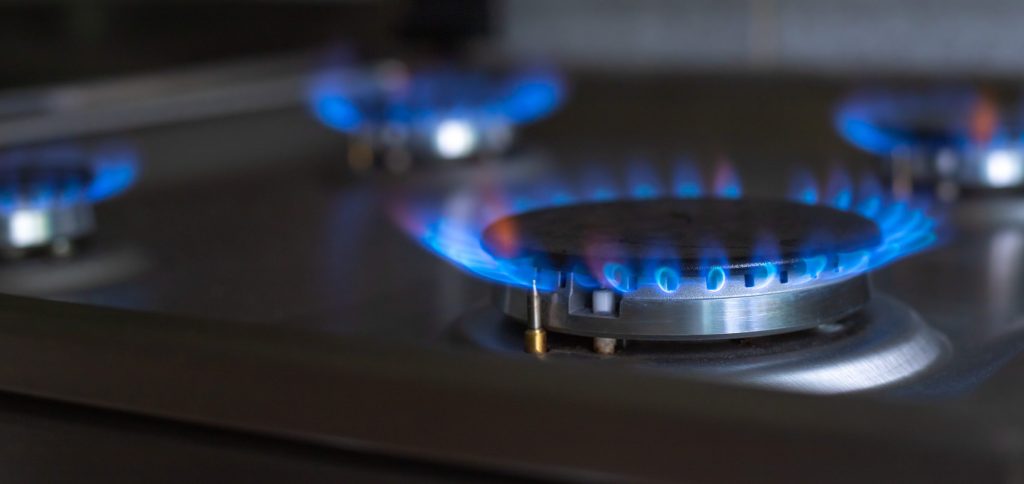
A burner that clicks and never lights, lights and goes out, or burns yellow and sooty. On sealed burners this is a short list of causes and a real share of them cost the visit and nothing else.
- Cap seating checked before any part is named
- Igniter replaced per burner, not per cooktop
- Flame color and port blockage looked at properly
-
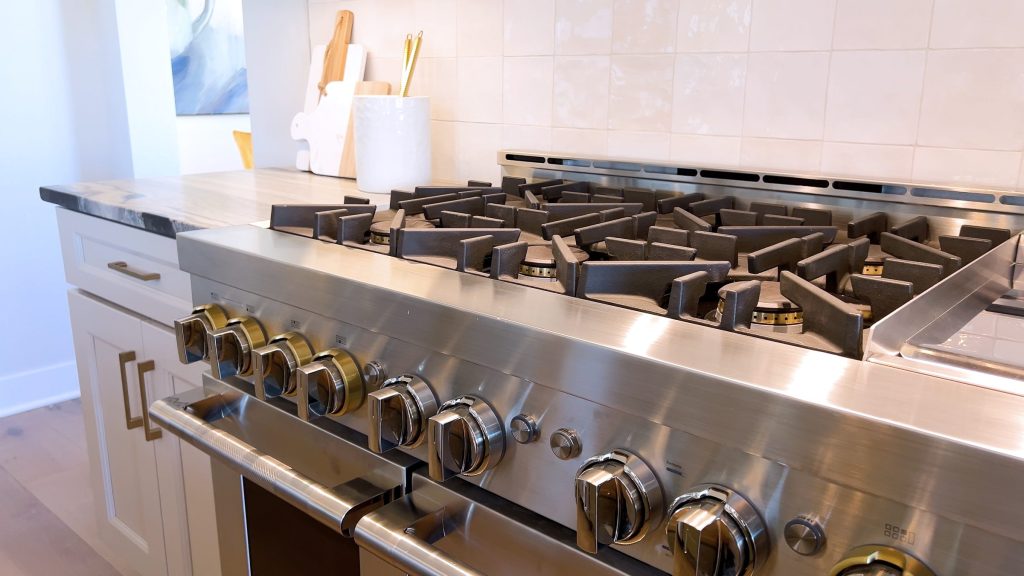
Dual fuel · Gas · Induction · 30" 36" 48" 60" Ranges
The appliance the brand is built around, and on a dual fuel range it is two appliances sharing one cabinet: gas burners on top, an electric oven underneath, one control answering for both. Which half is misbehaving is the first question, because the two have almost nothing in common inside.
- A burner that clicks and never lights
- The oven not reaching or holding temperature
- A four-character code on the panel after a power cut
Questions people ask about this
All the burners click at once. Is that broken?
No, and it worries a lot of people. The igniters are on one circuit, so turning any knob sparks the lot until that burner lights. What is not normal is clicking that carries on after the flame is established.
It clicks and never lights.
Reseat the burner cap first, squarely. That single free step answers a large share of these — a cap a fraction out of place puts the spark somewhere the gas is not.
It lights and goes out after a few seconds.
That is the flame sensing rather than the burner: the control lights it, does not see a flame, and closes the gas. It is behaving correctly and it needs a repair rather than an adjustment.
I just cleaned it and now it will not light.
Almost certainly a cap seated wrong or a head still damp. Give it an hour to dry and reseat everything before assuming anything failed.
Why is there no error code for this?
Because the gas half of this appliance publishes none at all, and never will. Everything electronic on this brand reports a condition; the burners report nothing, which is why this page is longer on looking than on reading.
Common Problems
More guides like this one
-
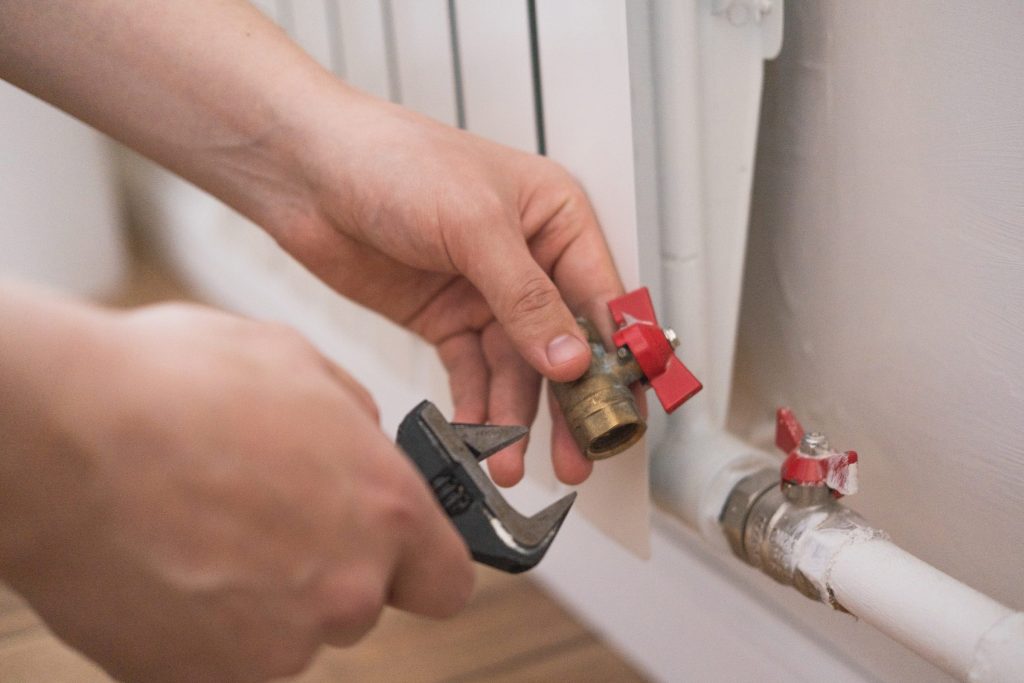
Converting a Wolf Range to Propane — What Changes, and What Goes Wrong
A conversion is orifices and a regulator, not a setting. Done badly it looks almost right at full output and badly wrong at simmer — which is why a range that has never simmered properly is often a conversion story rather than a repair.
Read more -
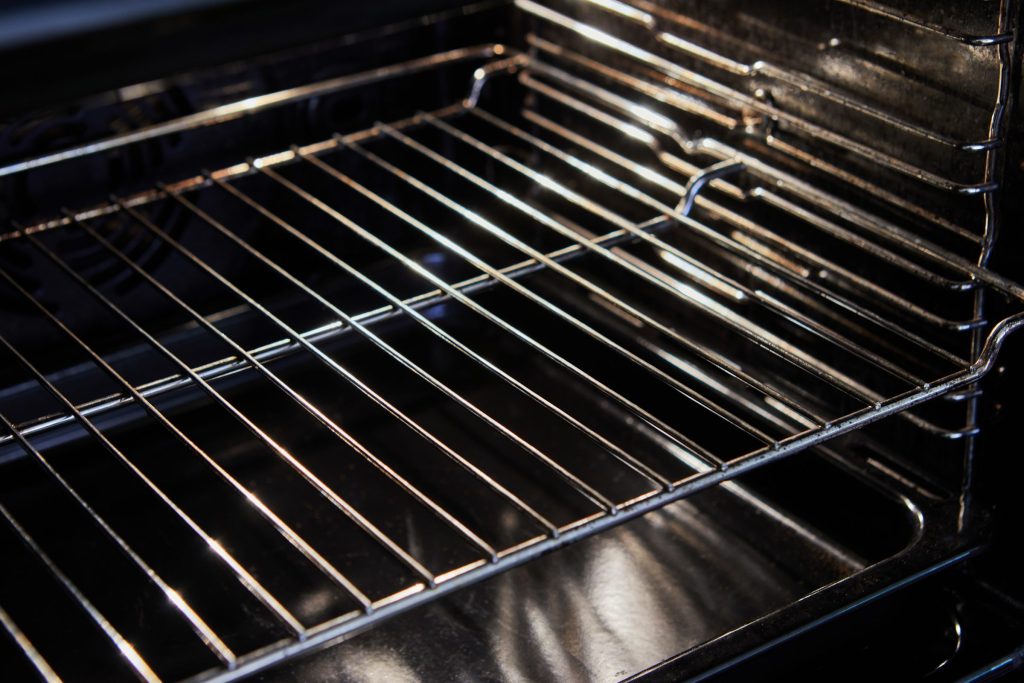
Why a Wolf Oven Takes So Long to Preheat — and When That Is Normal
A professional cavity genuinely takes longer than the oven it replaced, and the preheat signal does not mean what most people think. Then the three cases where slow preheating is a real symptom.
Read more -
A Wolf Oven Door That Will Not Close Properly — Five Minutes and a Strip of Paper
The paper test, the rack that sits a fraction proud, and the difference between a gasket that has hardened and a hinge that has lost its spring. Written to be done with nothing but a strip of paper.
Read more
Tell us the model number and what it is doing.
This article is based on:
- Official manufacturer documentation
- Internal repair procedures
- Technician repair history
- Company quality standards