Common Problems
A Wolf Oven That Switches Itself Off — Three Causes That Look Identical
Check the timed and Sabbath settings first — a twelve-hour automatic shutoff is a feature and it catches people who cook long and slow. Then over-temperature protection, which is the appliance working and usually means airflow. A genuine control problem is the last of the three, and it is the one that happens at a different point every time.
The full guide
The question that sorts it
Does it go off at the same point every time, or a different one?
Same point every time is a setting or a timer. A different point every time is the appliance or its supply. That single observation removes about half of everything below, and it costs nothing but attention.
The settings people forget
A delay or a timed bake. Set once, months ago, and still there.
Sabbath mode. It changes how the controls behave in ways that read as a malfunction if nobody knows it is on.
The twelve-hour automatic shutoff. This is a feature, not a defect. An oven left on will turn itself off after roughly twelve hours, which catches exactly the people who do long slow cooking and who are least likely to suspect a setting.
Check the manual for your series. The M, E and L Series handle these differently, and the series letter is what decides which menu you are looking for.
The protections
An over-temperature condition shuts the oven down deliberately, and this maker publishes several of them: the cavity too hot for the mode selected, the electronics area above its limit, and an ambient temperature that can be caused by a second appliance in the same cabinet.
That last one is worth reading twice. A microwave or a second oven in the same housing genuinely does raise the temperature behind the fascia of the appliance next to it, and both machines are working correctly.
What to look at: the vent above the door, anything stacked against it, and whether the cooling fan is audible when the oven is hot. Silence there is a separate page and a genuinely urgent one.
When it is the appliance
A cooling fan that has stopped or slowed. The electronics get hot, the protection fires, the oven stops. This maker publishes a stalled fan and a fan running below its speed threshold as two different conditions.
A sensor reading intermittently. The control loses its temperature and stops rather than guess.
A control or relay board losing its place. The version that happens at random points, often with a code, and it is a repair.
The supply. An oven that switches off and immediately back on is usually reporting the building rather than itself, and this brand says so in unusual detail.
When to call
An oven that stops at a different point each time, one that stops with a code on the display, or one that stops with the cooling fan silent.
Tell us how long it runs before it goes off, whether it is always the same, and every character of any code. On a double, which cavity.
If it turns out to be a repair
What this leads to, and what it costs
Every job on this site is priced the same way: an on-site diagnostic first, the figure agreed in writing before anybody starts.
-
The code names the circuit Oven not heating
An oven that sets a temperature and stays cold, or heats on one mode and not another. On this brand the display usually says which circuit is missing before anybody opens anything.
- Sets a temperature and stays cold
- Broils but will not bake
- A code naming an element or a relay
-
Which board stopped talking Oven display blank, frozen or erratic
A display that has gone blank, frozen part-way, or is showing something that makes no sense. The appliance often still works underneath, which is a clue rather than a comfort.
- Blank display and an oven that still heats
- Characters frozen or scrambled
- A communication or checksum message
-
Obedient, and aiming at the wrong number Oven temperature wrong or uneven
An oven that heats perfectly to a temperature that is not the one you set, or that burns on one side and undercooks on the other. Almost always a measurement problem rather than a heating one.
- Everything browning too fast or too slowly
- One side or one shelf consistently darker
- Baking that changed without anything else changing
-
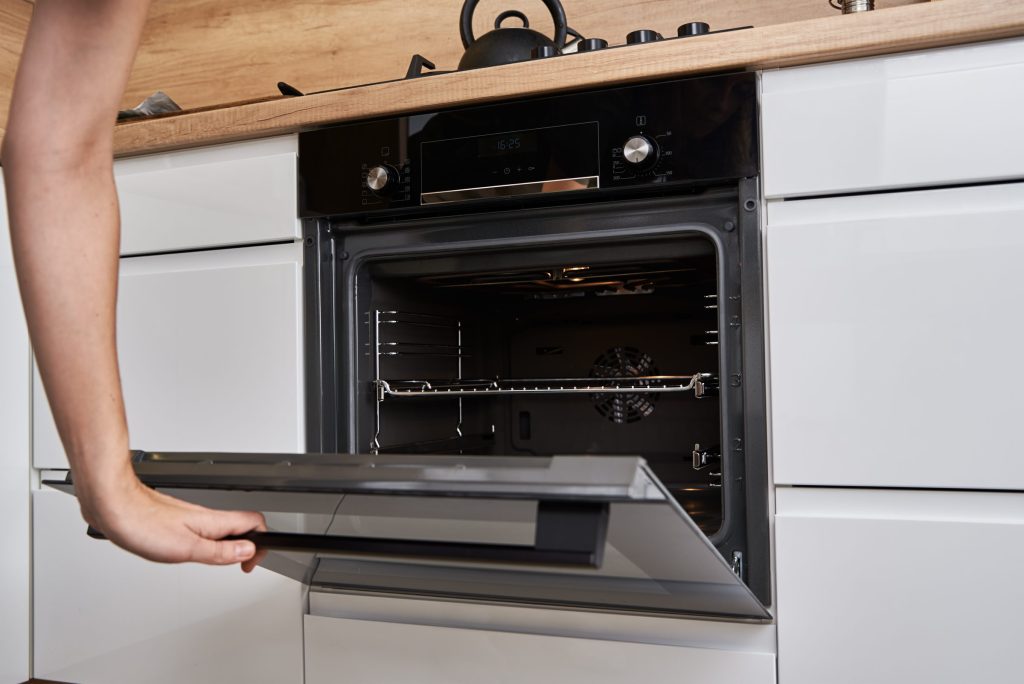
M Series · E Series · L Series · Convection steam · Warming drawer Built-in ovens & steam ovens
Built-in ovens, single and double, the convection steam oven — a different machine with a boiler, a tank and a vent valve in it — and the warming drawer that sits under or beside them. Between them they account for more than half of every error code this brand publishes, and the codes are decoded on this site rather than left as characters on a display.
- The door still locked after a self-clean
- Temperature drifting, or never arriving
- A steam oven asking to be descaled
Questions people ask about this
It goes off after about twelve hours.
That is the automatic shutoff and it is a feature rather than a problem. It catches people doing long slow cooking, and on most models it can be adjusted or defeated for a session.
It goes off at a different point every time.
That points away from a setting and toward the appliance — a thermal protection, a cooling fan that is not keeping up, or a control that is losing its place. Note the times; the pattern is the diagnosis.
It goes off and comes straight back on.
That is usually the supply rather than the oven. This brand publishes over-voltage, under-voltage and a lost zero-cross as separate conditions, and a marginal supply produces exactly this.
Only the top oven does it.
Useful. The cavities have their own elements, sensors and cooling, so a single-cavity problem is contained — and it rules out the shared supply.
Is it dangerous?
An oven switching itself off is a protection working. The dangerous version is the opposite one — an oven heating with nothing selected — and that is a stuck relay and a breaker-off situation.
Common Problems
More guides like this one
-
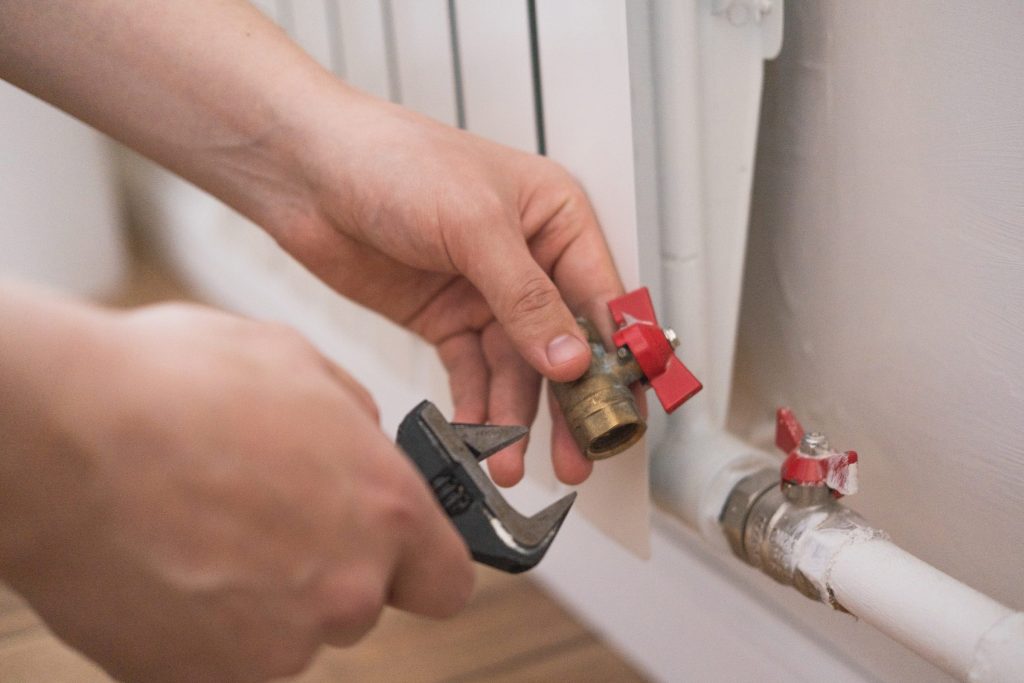
Converting a Wolf Range to Propane — What Changes, and What Goes Wrong
A conversion is orifices and a regulator, not a setting. Done badly it looks almost right at full output and badly wrong at simmer — which is why a range that has never simmered properly is often a conversion story rather than a repair.
Read more -
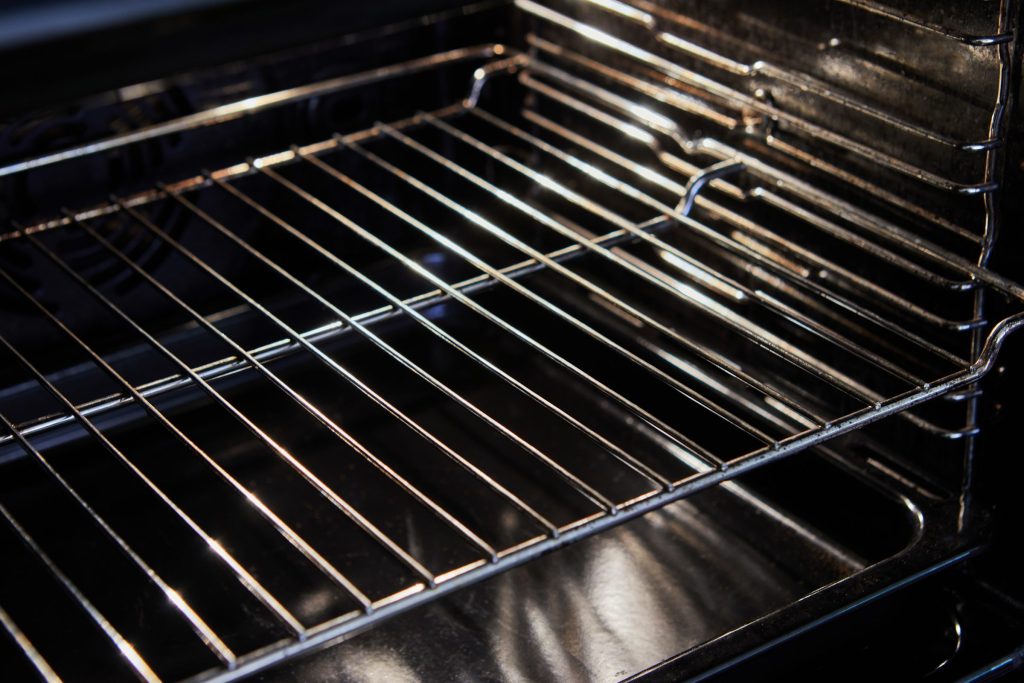
Why a Wolf Oven Takes So Long to Preheat — and When That Is Normal
A professional cavity genuinely takes longer than the oven it replaced, and the preheat signal does not mean what most people think. Then the three cases where slow preheating is a real symptom.
Read more -
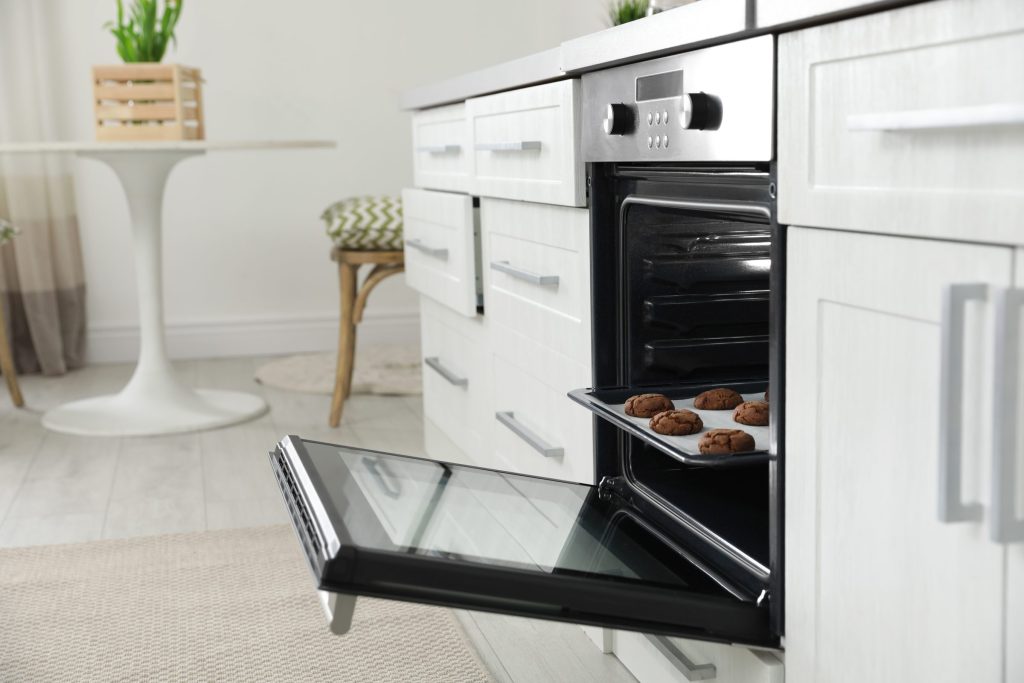
A Wolf Oven Door That Will Not Close Properly — Five Minutes and a Strip of Paper
The paper test, the rack that sits a fraction proud, and the difference between a gasket that has hardened and a hinge that has lost its spring. Written to be done with nothing but a strip of paper.
Read more
Tell us the model number and what it is doing.
This article is based on:
- Official manufacturer documentation
- Internal repair procedures
- Technician repair history
- Company quality standards