Maintenance & Prevention
Cleaning Wolf Grates, Burner Caps and the Griddle — In the Right Order
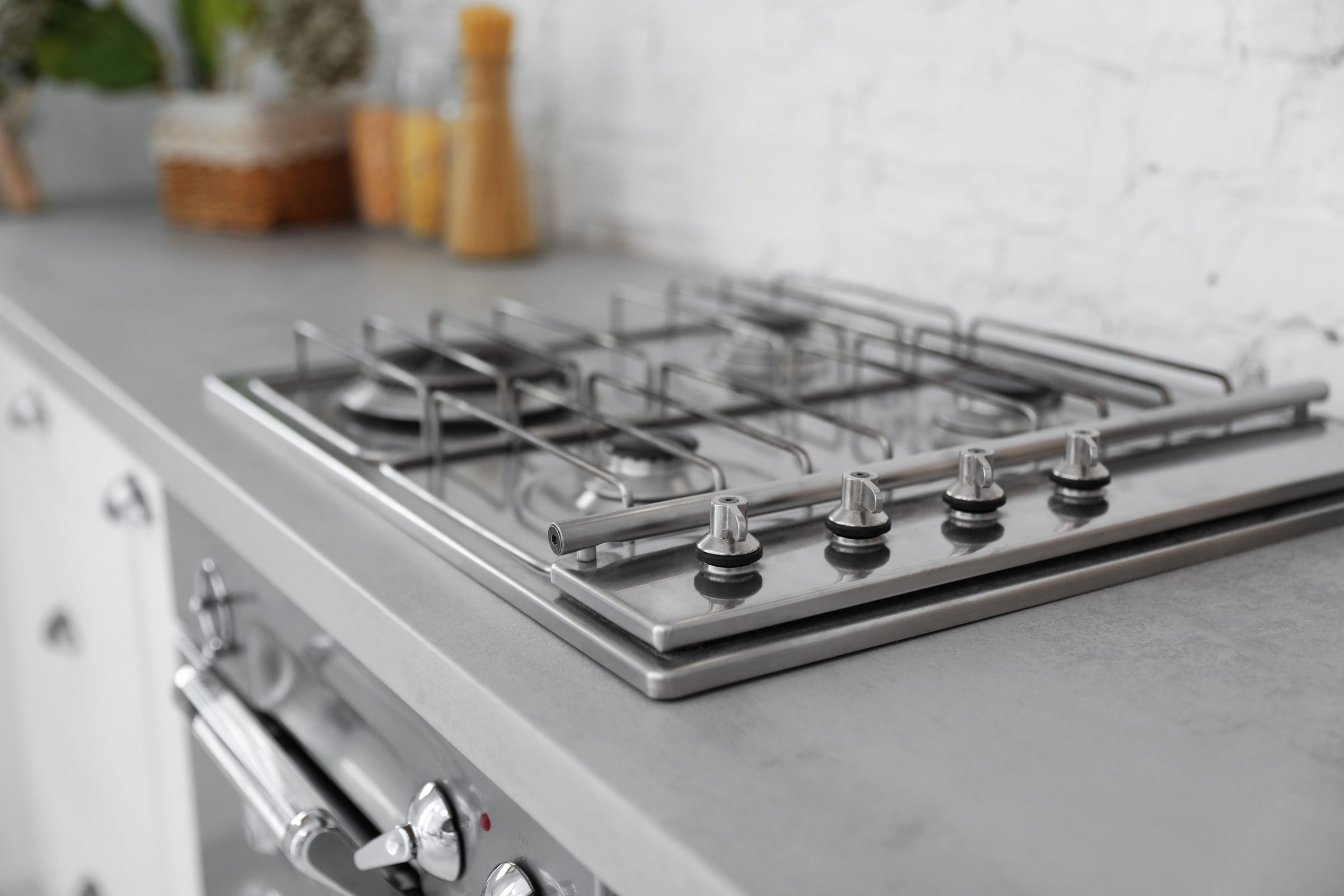
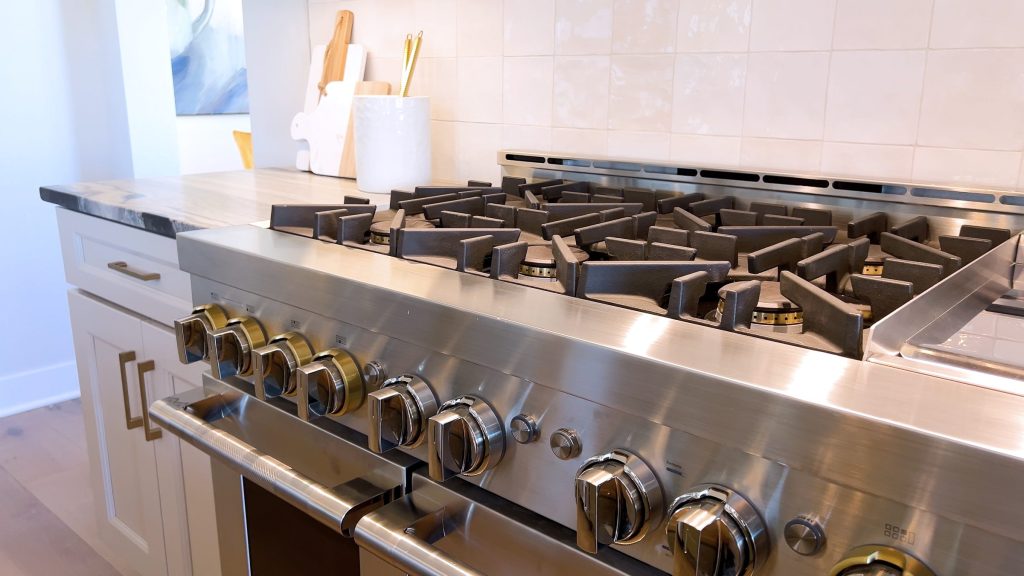
Soak the grates and caps in hot water with detergent rather than scouring them, dry everything completely, and put each burner cap back squarely in its own seat. A cap sitting a fraction out of place after cleaning is the single commonest cause of a burner that clicks and will not light, and a cap that is still damp will not light either. The griddle plate is cleaned hot with water and a scraper, not with detergent.
The full guide
The order
- Cold appliance. Everything here is done cold except the griddle.
- Lift the grates off and set them aside.
- Lift each burner cap off and keep track of which came from where.
- Soak grates and caps in hot water with a little detergent. Twenty minutes does more than twenty minutes of scrubbing.
- Wipe the deck around the burners, keeping liquid away from the burner ports themselves.
- Dry everything completely. An hour in a warm kitchen, not a wipe with a towel.
- Caps back squarely, each on its own burner, sitting flat.
The step that causes the call-outs
A burner cap has one seat and it only works in it. Put it back a fraction off, or on the wrong burner, and the spark arrives at the electrode perfectly well while the gas comes out somewhere it cannot reach.
The result is a burner that clicks and clicks and never lights, hours after a clean that went perfectly well. It is the single commonest thing we are called out to on gas cooking equipment, and it costs nothing to avoid.
Damp is the other one. A cap or a burner head that is still wet will not light. Give it an hour before concluding that something has failed.
What not to use
- Scouring pads and wire brushes on porcelain-coated grates. They take the coating off and the cast iron underneath rusts in this climate quickly.
- Caustic oven cleaner anywhere near the burners or the deck.
- Anything abrasive on the stainless. With the grain, then dried.
- A dishwasher for bare cast iron grates. They come out rusting.
The griddle is different
The built-in griddle plate is closer to a cast iron pan than to a cooktop, and it is cleaned the same way: while it is still warm, with water and a flat scraper, then wiped over with a little oil.
Detergent strips what has built up on the surface, and the plate cooks worse afterwards until it recovers. If it has been washed with detergent, warm it, oil it and use it — it comes back.
While everything is off
It is the natural moment to look at two things:
- The burner ports. A ring of even flame means every port is clear; a patchy one means some are not, and that is where a simmer goes first.
- The flame color across all burners. Yellow everywhere is the fuel setup rather than the cleaning, and it has a page of its own.
When to call
A burner that will not light with a correctly seated, dry cap. Ports that cannot be cleared. Flames that are yellow across the whole deck.
If it turns out to be a repair
What this leads to, and what it costs
Every job on this site is priced the same way: an on-site diagnostic first, the figure agreed in writing before anybody starts.
-
Cap first, igniter second Burner clicks and will not light
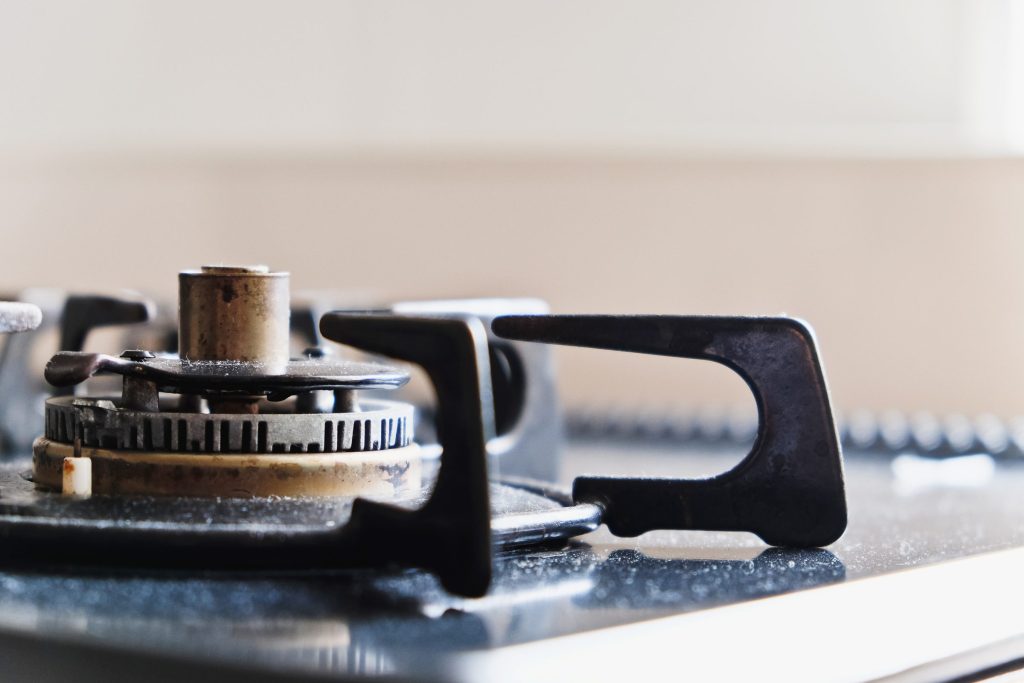
One burner sparks and sparks and never catches while the others are perfect. The gas half of this appliance publishes no codes at all, so this page carries the whole diagnosis — and the first step is free.
- One burner clicking with no flame
- A burner that lights and goes straight out
- Clicking that carries on after the flame is up
-
Low flame is a real specification Burner will not simmer
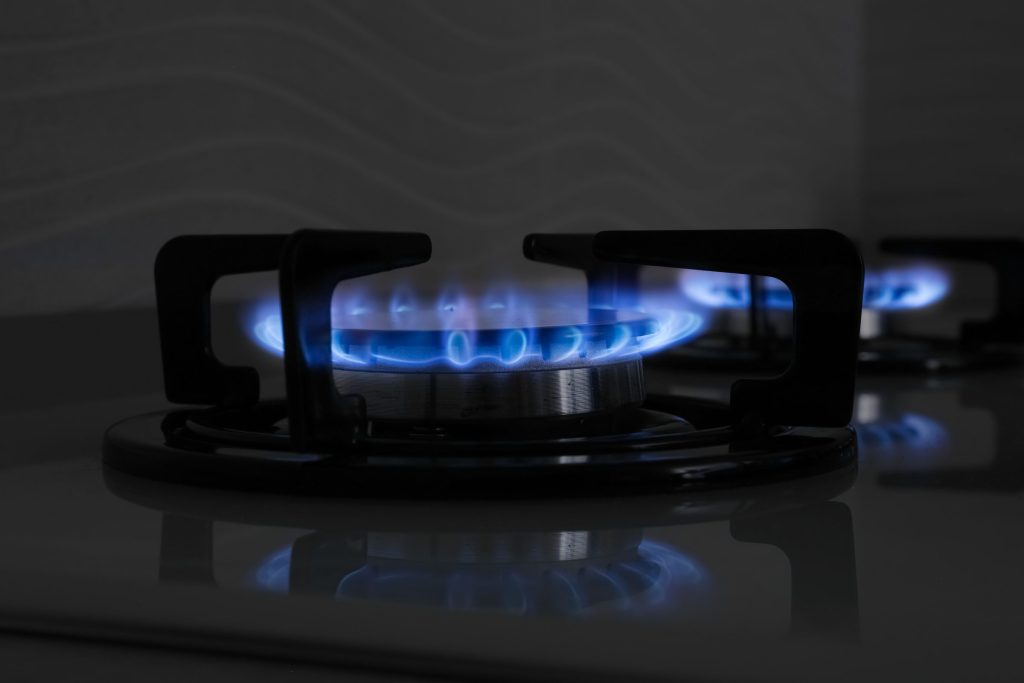
The burner works, but it will not hold a genuine low flame — it either goes out at the bottom of the dial or sits too high to melt chocolate. On professional equipment this is a specification rather than a preference.
- Flame goes out at the lowest setting
- Nothing between "off" and "too hot"
- A simmer that used to work and does not
-
from $165 Gas burner & igniter repair
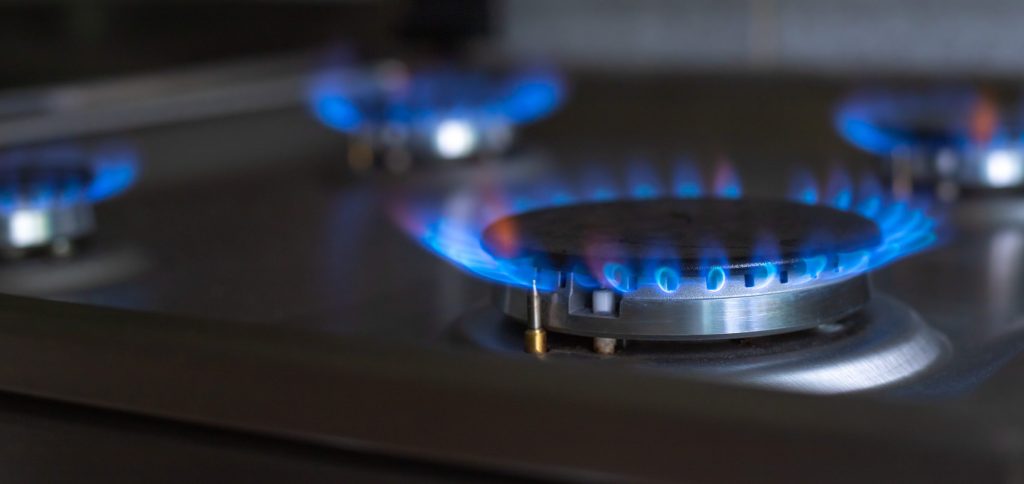
A burner that clicks and never lights, lights and goes out, or burns yellow and sooty. On sealed burners this is a short list of causes and a real share of them cost the visit and nothing else.
- Cap seating checked before any part is named
- Igniter replaced per burner, not per cooktop
- Flame color and port blockage looked at properly
-
Dual fuel · Gas · Induction · 30" 36" 48" 60" Ranges
The appliance the brand is built around, and on a dual fuel range it is two appliances sharing one cabinet: gas burners on top, an electric oven underneath, one control answering for both. Which half is misbehaving is the first question, because the two have almost nothing in common inside.
- A burner that clicks and never lights
- The oven not reaching or holding temperature
- A four-character code on the panel after a power cut
Questions people ask about this
My burner will not light since I cleaned it.
Reseat the cap squarely and give everything an hour to dry. Between those two, that is nearly always the whole answer — and it is why this page exists.
Can grates go in the dishwasher?
Check your manual. Porcelain-coated grates generally can; bare cast iron should not, because it will rust. Either way a soak works better and is kinder to the finish.
Do caps go back in any position?
No. Each cap belongs on its own burner and in one orientation, and it must sit flat and level. Swapping caps between burners of different sizes is another version of the same problem.
How do I clean the griddle plate?
While it is warm, with water and a flat scraper, and then a wipe of oil. Detergent strips the seasoning and the plate is worse for it — this is closer to caring for a cast iron pan than to cleaning a cooktop.
There is discoloration under the caps.
Normal on gas equipment and not worth attacking with anything abrasive. What matters under a cap is that the seat is clean and flat, not that it is shiny.
Maintenance & Prevention
More guides like this one
-
Replacing the Light in a Wolf Range Hood — And Why All of Them Going Together Is Different
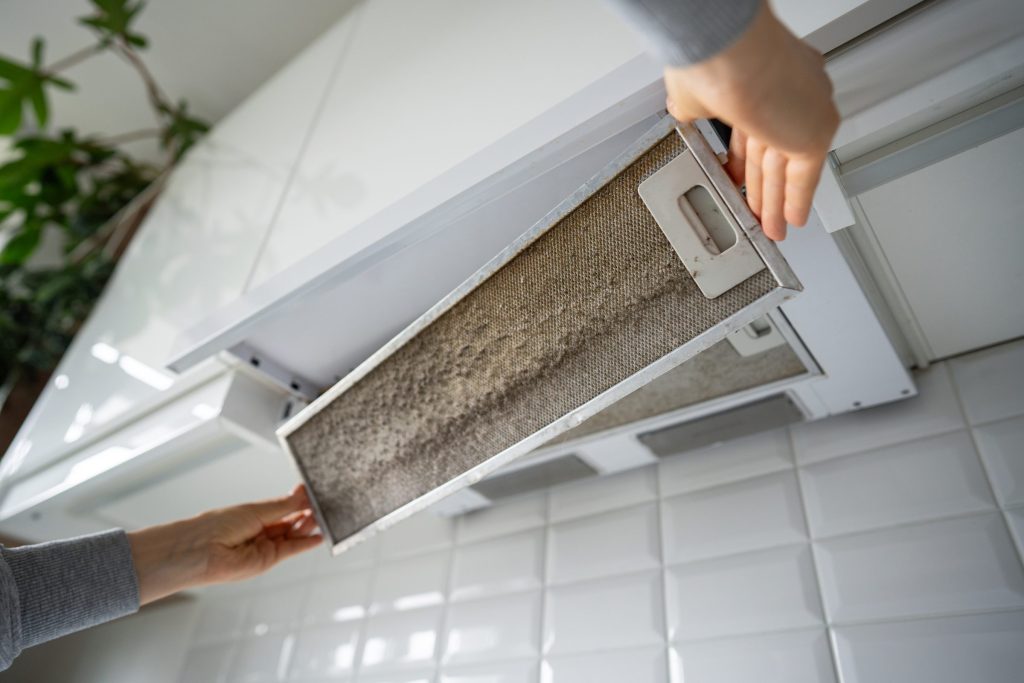
A genuine do-it-yourself page. One lamp out is a lamp; all of them out at once is the driver behind them, and knowing which before you buy anything saves a wasted trip.
Read more -
Cleaning a Wolf Oven Without Damaging It — Including the Blue Interior
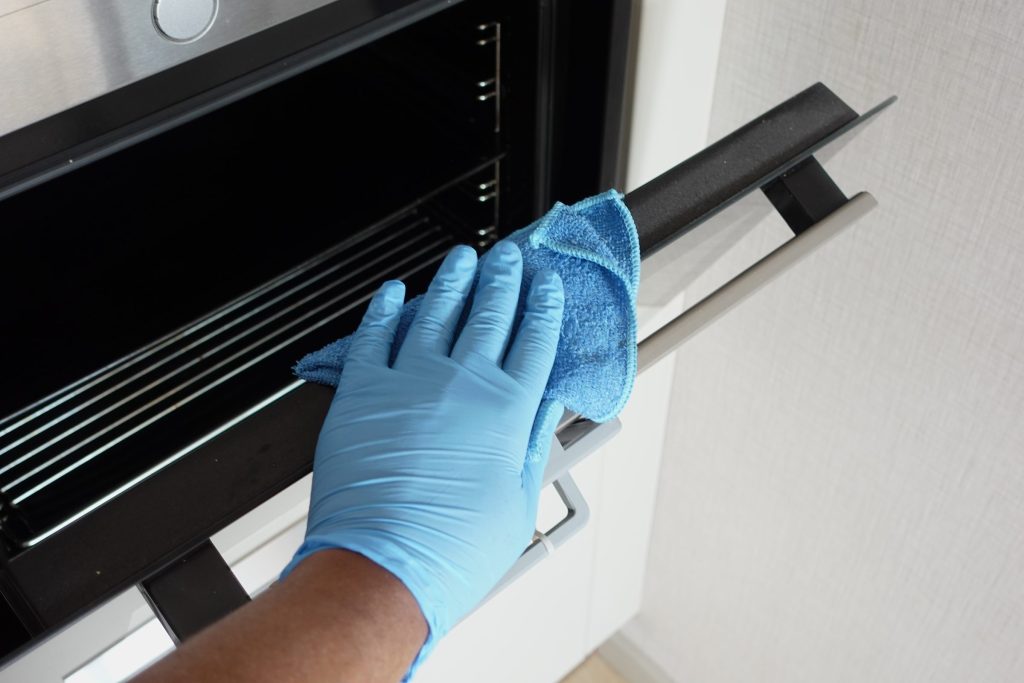
What the porcelain interior tolerates, what the stainless does not, the parts of the cavity that must never see a cleaner — and the direct answer on caustic sprays such as Easy-Off.
Read more -
How Long a Wolf Self-Clean Cycle Takes — and When Not to Start One
The duration, the cool-down nobody counts, the racks that come out — and the honest warning that this is the hardest test the appliance ever runs.
Read more
Tell us the model number and what it is doing.
This article is based on:
- Official manufacturer documentation
- Internal repair procedures
- Technician repair history
- Company quality standards