Maintenance & Prevention
How Long a Wolf Self-Clean Cycle Takes — and When Not to Start One
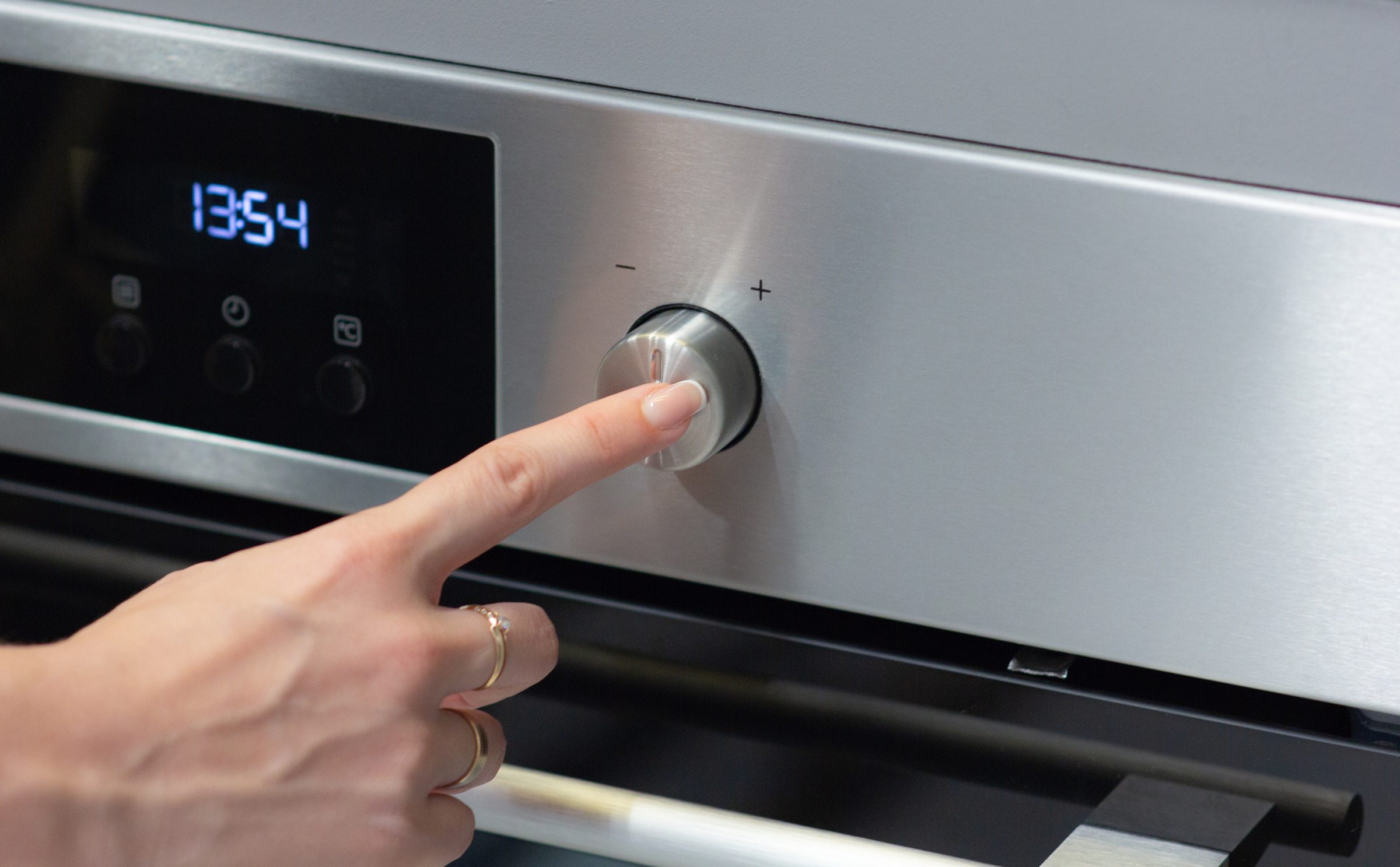
Two to three hours of cleaning on most models, plus a cool-down of an hour or more before the door will release — so allow half a day and do not plan to use the oven in that window. Take the racks out unless your manual says otherwise, wipe out loose debris first, and do not start a cycle on an oven that is already showing temperature errors or on the week you need it most.
The full guide
The timings people actually need
The cycle: roughly two to three hours on most models, adjustable on some.
The cool-down: an hour or more afterwards, during which the door stays locked. This is the part nobody counts and the reason people think something has gone wrong.
Total: allow half a day, and do not plan on using the oven in that window.
Before you start it
- Take the racks out unless your manual specifically says otherwise. Chrome discolors at these temperatures and does not recover, and a rack can foul the latch.
- Wipe out loose debris. The cycle is for baked-on carbon, not for a spill from last night — loose material is what produces the smoke.
- Open a window and run the hood. Some smell is normal.
- Check the cavity for anything that is not oven. Foil, a thermometer, a stone.
- Look at the oven's recent behavior. If it has been showing temperature errors, deal with those first.
The honest warning
This cycle holds the cavity far above any cooking temperature for hours. That is several times the stress of a Sunday roast, and it is where a marginal sensor, a tired element, a hardened gasket or an arcing relay finally gives up.
It did not cause the problem. It found it. But the finding happens at a time you chose, which is why not the week before a holiday is genuine advice rather than a disclaimer.
This maker publishes conditions specific to the clean cycle — a cavity that got too hot when it should not have, and a rate of rise too low for the cycle to be safe, each named per cavity. If one of those appears, the diagnosis is already narrow.
When the door will not open afterwards
Let it go completely cold — hours, not minutes — then cut power at the breaker for thirty seconds. A great many locked doors release on their own once the cavity is at room temperature.
What you must not do is lever at it. The lock is a motorized cam, and forcing it takes the door, the hinges and sometimes the control with it. If it is cold and still locked, that is a repair, and it is the one job here we try to reach the same day.
When to call
An oven that has not worked properly since a clean cycle, a door that will not release when the cavity is cold, or a cycle that will not start at all — which is the same mechanism refusing in the other direction.
If it turns out to be a repair
What this leads to, and what it costs
Every job on this site is priced the same way: an on-site diagnostic first, the figure agreed in writing before anybody starts.
-
The cycle found it rather than caused it Oven dead after a self-clean cycle
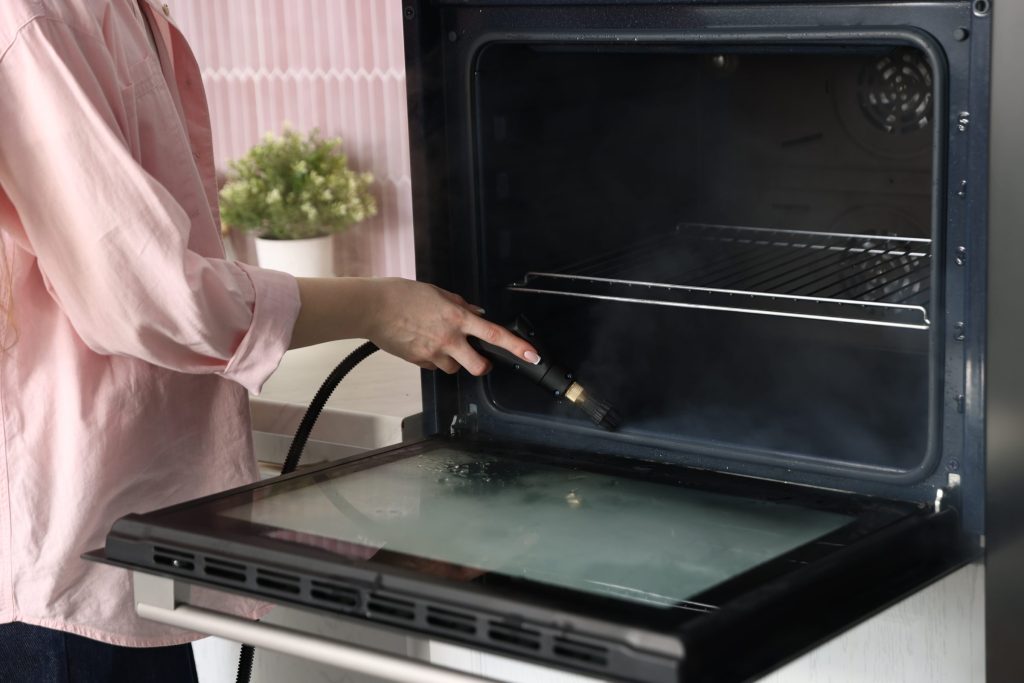
The oven ran its cleaning cycle and has not worked since. It is common, you did nothing wrong by using the feature, and what failed was usually already marginal before the cycle started.
- Worked before the cycle, dead after it
- Door still locked, cavity cold
- A code about cavity temperature or rate of rise
-
The one worth calling about today Oven door locked shut
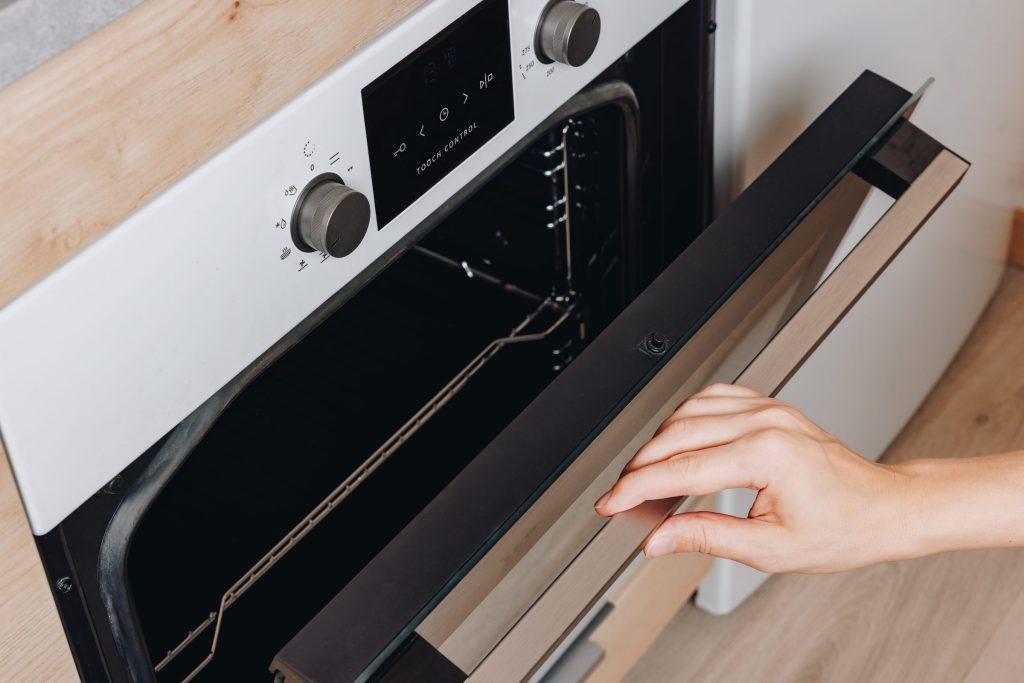
The door will not open, usually after a cleaning cycle. Everything else on this site can wait a few days; this cannot, because the oven is not degraded — it is unusable.
- Locked after self-clean and the oven is cold
- A lock symbol that will not clear
- A cycle that will not start because it cannot lock
-
from $165 Oven door lock & latch repair
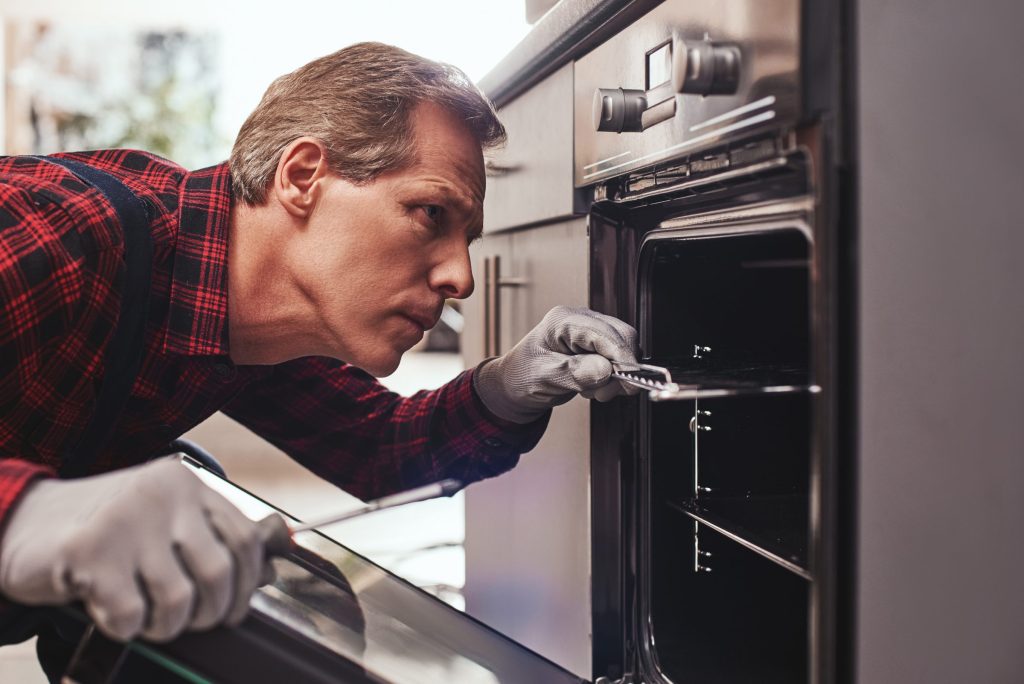
A door still locked after a cleaning cycle, or a cycle that will not start because the lock did not report. The one error on this site worth booking the same day: the oven is unusable until it releases.
- Cool-down tried first, because it is free
- Lock motor and its switches tested separately
- Never levered — that is how doors and boards break
-
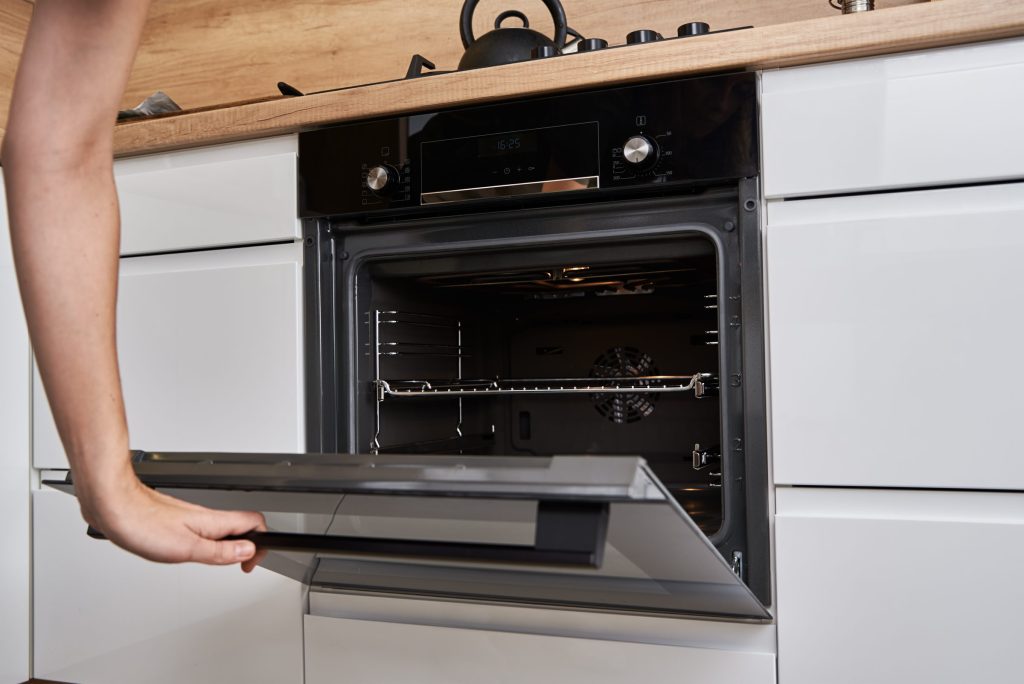
M Series · E Series · L Series · Convection steam · Warming drawer Built-in ovens & steam ovens
Built-in ovens, single and double, the convection steam oven — a different machine with a boiler, a tank and a vent valve in it — and the warming drawer that sits under or beside them. Between them they account for more than half of every error code this brand publishes, and the codes are decoded on this site rather than left as characters on a display.
- The door still locked after a self-clean
- Temperature drifting, or never arriving
- A steam oven asking to be descaled
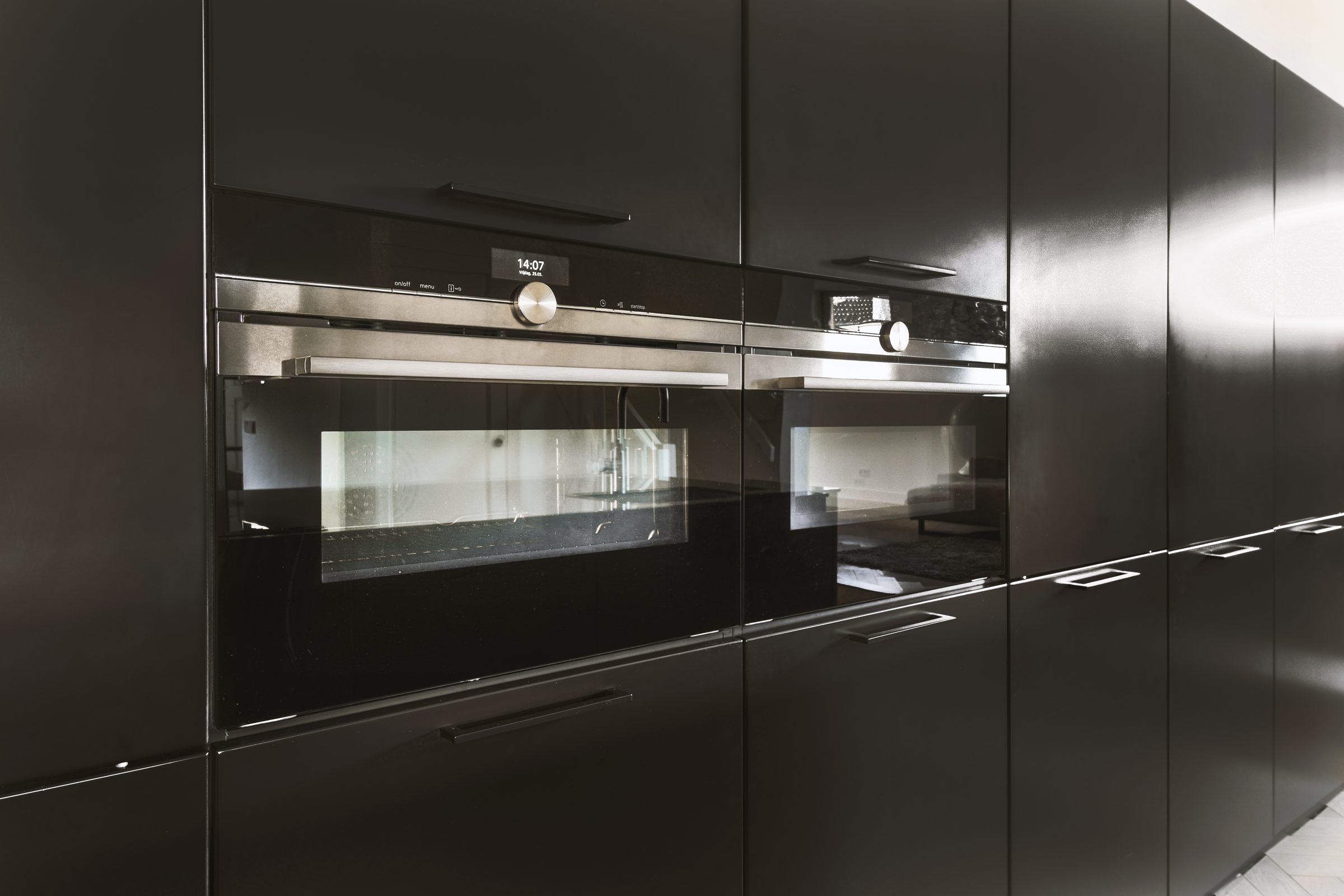
Questions people ask about this
Why is the door still locked an hour later?
Because the cavity is still far too hot to open, and the lock is doing its job. It releases on temperature rather than on a timer. If it is genuinely cold and still locked, that is a different page and a same-day one.
Should I take the racks out?
On most models yes — check yours. Chrome racks discolor at clean temperatures and never come back, and racks left in can also foul the latch.
It smells and sets off the smoke alarm.
Some smell is normal; heavy smoke means there was more in there than a clean cycle should be dealing with. Wipe out loose debris first, open a window, and run the hood.
Is it bad for the oven?
It is the hardest thing the appliance ever does, and it finds weaknesses rather than creating them. On a sound oven it is a feature you paid for. On one already showing temperature errors, deal with those first.
Can I stop it part-way?
You can cancel, but the door stays locked until the cavity is cool regardless. Cancelling does not open it any sooner.
Maintenance & Prevention
More guides like this one
-
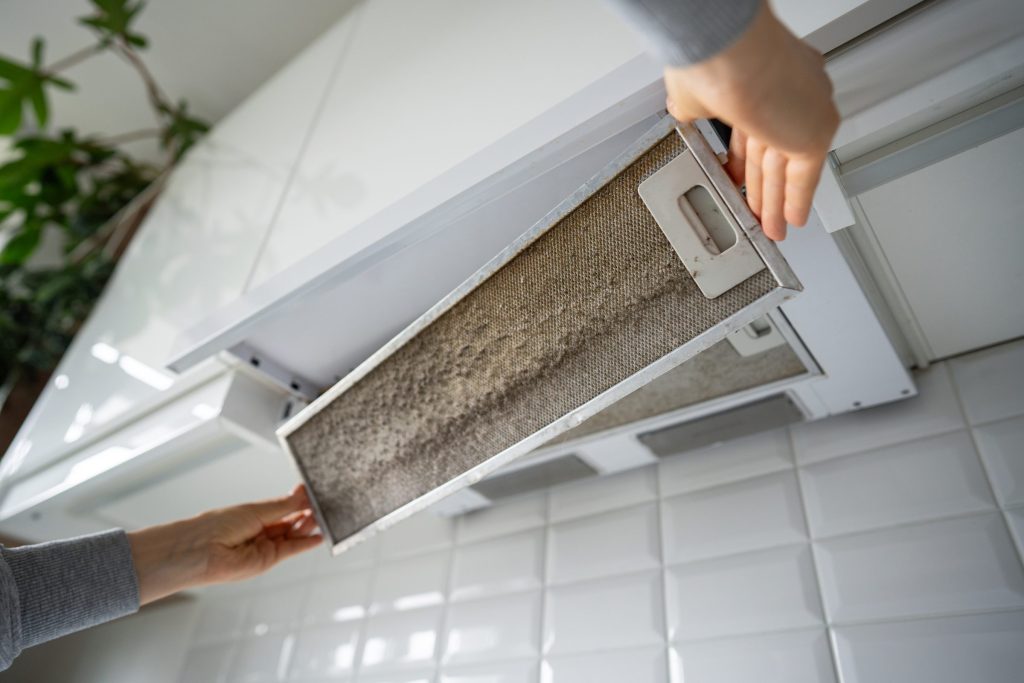
Replacing the Light in a Wolf Range Hood — And Why All of Them Going Together Is Different
A genuine do-it-yourself page. One lamp out is a lamp; all of them out at once is the driver behind them, and knowing which before you buy anything saves a wasted trip.
Read more -
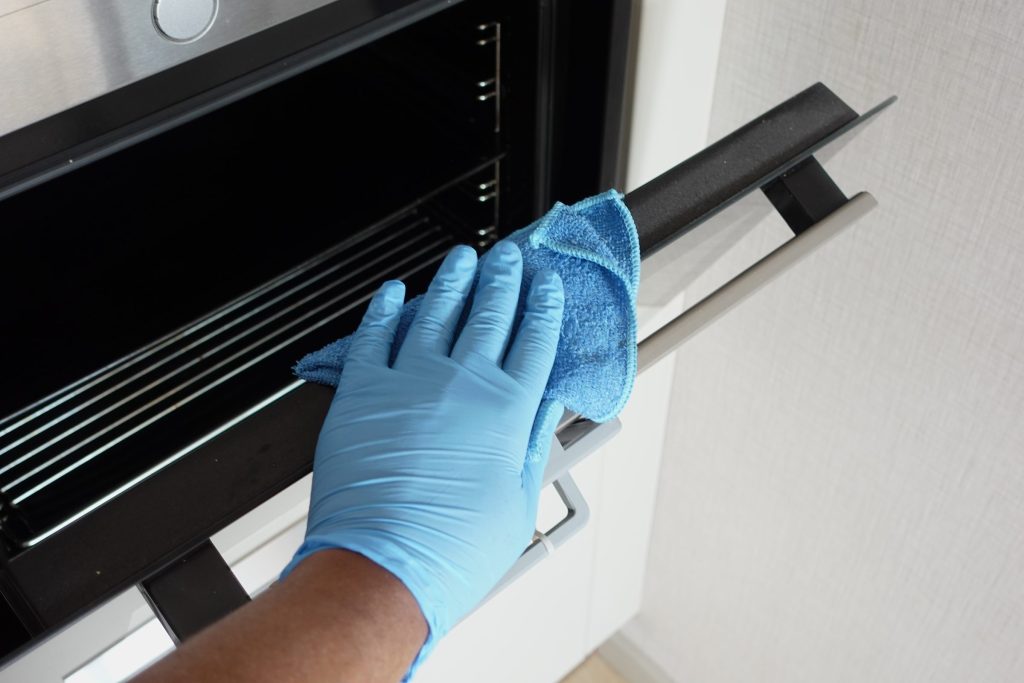
Cleaning a Wolf Oven Without Damaging It — Including the Blue Interior
What the porcelain interior tolerates, what the stainless does not, the parts of the cavity that must never see a cleaner — and the direct answer on caustic sprays such as Easy-Off.
Read more -
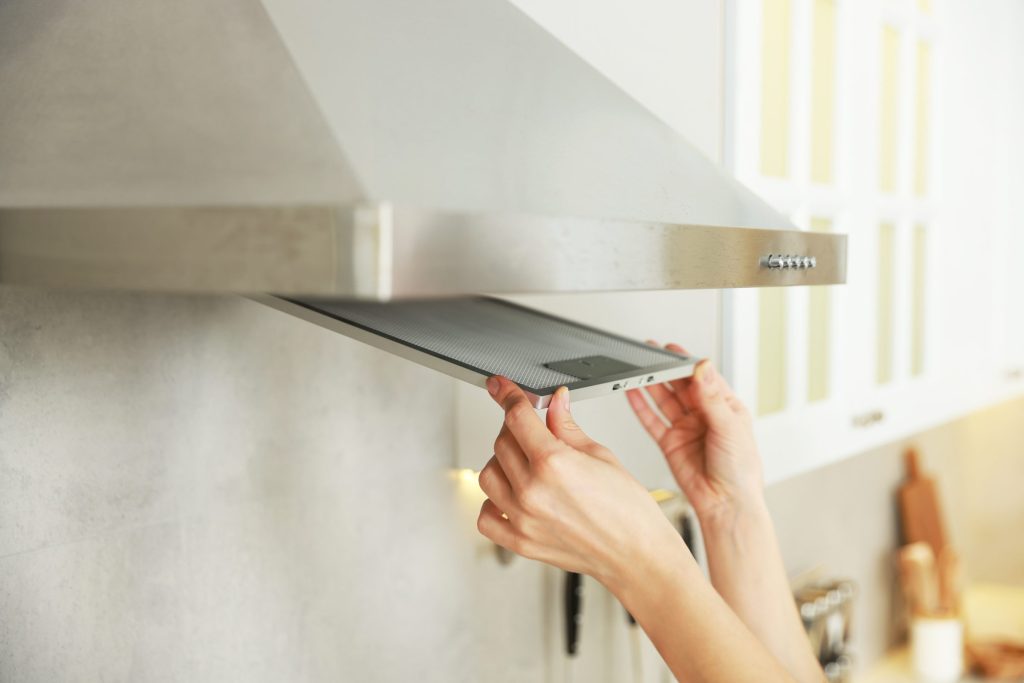
Cleaning Wolf Hood Baffle Filters — Ten Minutes That Fix Most Hood Complaints
They go in the dishwasher. That is the page — and everything else is why a hood pulling through greased filters sounds exactly like a motor on its way out.
Read more
Tell us the model number and what it is doing.
This article is based on:
- Official manufacturer documentation
- Internal repair procedures
- Technician repair history
- Company quality standards