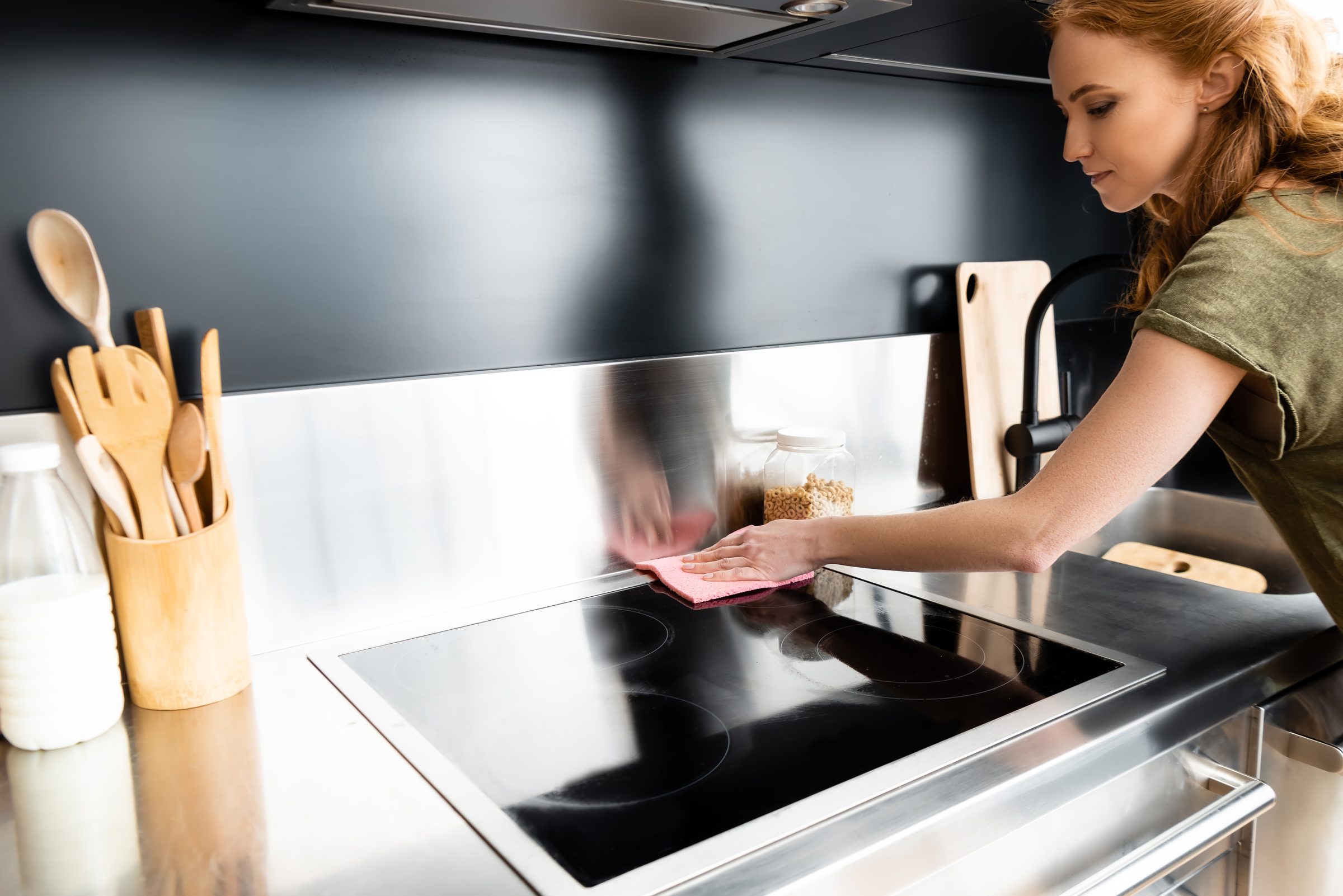
Maintenance & Prevention
Cleaning a Wolf Induction Cooktop Without Scratching It — and the Lock You Set by Accident
A ceramic cooktop cleaner and a soft cloth for everyday marks, and a plastic scraper held at a shallow angle for anything baked on. Sugar and anything containing it must be removed while the surface is still hot, because sugar bonds to ceramic as it cools and takes the finish with it when it comes off. Wipe the control area last and dry it completely — a wet panel is what sets the control lock people then describe as a dead cooktop.
The full guide
The order that matters
- Cool the surface — except for sugar, below.
- Lift off anything loose. Do not slide it: grit under a pan is where fine scratches come from.
- Baked-on residue: a plastic scraper held almost flat against the glass. Never metal, never a scouring pad.
- A ceramic cooktop cleaner and a soft cloth for the rest.
- The control area last, and dried completely.
The one that will not wait
Sugar. Anything sugary — jam, a syrup, a boiled-over dessert — bonds to ceramic as it cools rather than sitting on top of it. Removed cold, it takes a layer of the finish with it, and that mark is permanent.
That is the single exception to cooling the surface first: sugar comes off while the appliance is still hot, carefully, with a plastic scraper and a folded cloth to protect your hand.
Induction has an advantage here. The glass over an induction zone is heated only by the pan, so it is cooler than an electric surface and spills bake on less. It is not cool, though, and a boiling pan makes the glass under it plenty hot enough for sugar to bond.
Why cleaning locks the controls
A capacitive panel works by sensing a change in charge. A film of water spread across the glass looks to it exactly like a very large finger, and a cloth resting on the control area while the appliance wakes up is enough to set the lock or to leave it reading nonsense all day.
This is not a defect, and the manufacturer says so — liquid on the glass over the control area, and cookware over the control area, are both published conditions on this equipment.
The fix: clear the glass completely, dry the whole panel, and cut power at the breaker for thirty seconds so it recalibrates against a clean surface. If it still misreads after that, it is real.
The pans matter
A rough, pitted or grit-carrying base is what puts fine scratches into a ceramic surface, and lifting pans rather than sliding them prevents most of them.
On induction the base matters twice over: a warped one also stops the zone seeing the pan at all, which people reasonably mistake for a failed cooktop.
What cleaning cannot fix
A chip or a crack. That is glass rather than dirt, it is replaced rather than repaired, and the appliance should be off at the breaker until it is — including the zones that still work.
If it turns out to be a repair
What this leads to, and what it costs
Every job on this site is priced the same way: an on-site diagnostic first, the figure agreed in writing before anybody starts.
-
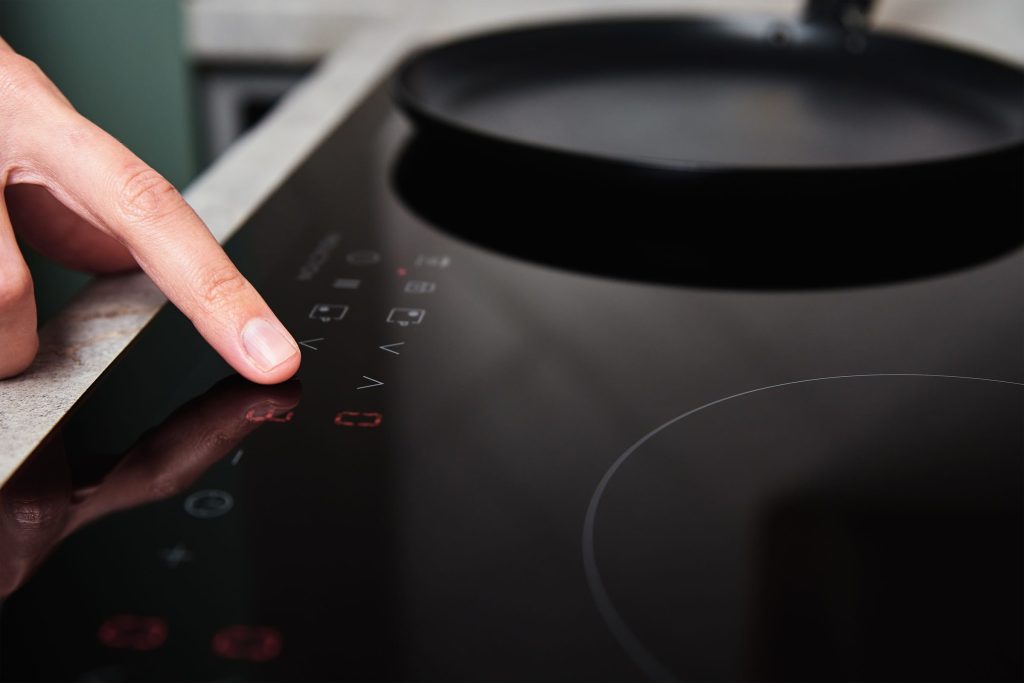
Water reads as a hundred fingers Cooktop controls locked or acting alone
A touch surface that will not respond, or that changes settings by itself. On a glass cooktop the commonest cause is on top of the panel rather than under it, and it costs nothing to fix.
- A panel that ignores every press
- Settings changing by themselves
- A lock symbol nobody set
-
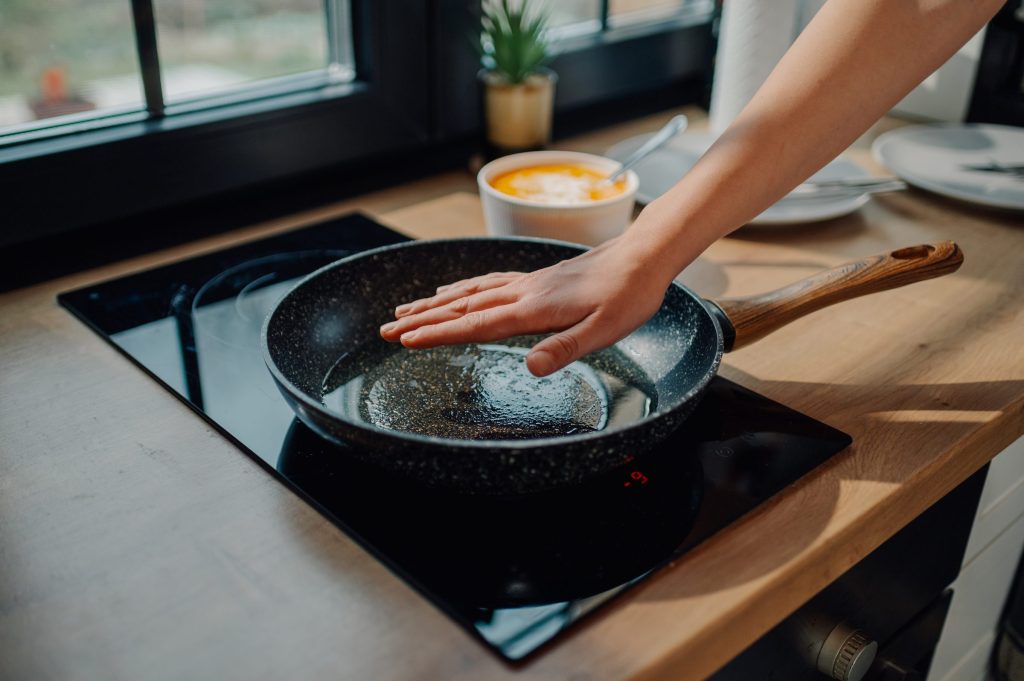
Nearly always the pan Induction not seeing the pan
The zone lights up, the pan sits there, and nothing happens. Induction reads the base of the cookware rather than the weight on the glass, and a cooktop that is working perfectly will ignore the wrong pan all day.
- One pan ignored, others fine
- A pan that worked before and does not now
- A zone that starts and stops immediately
-
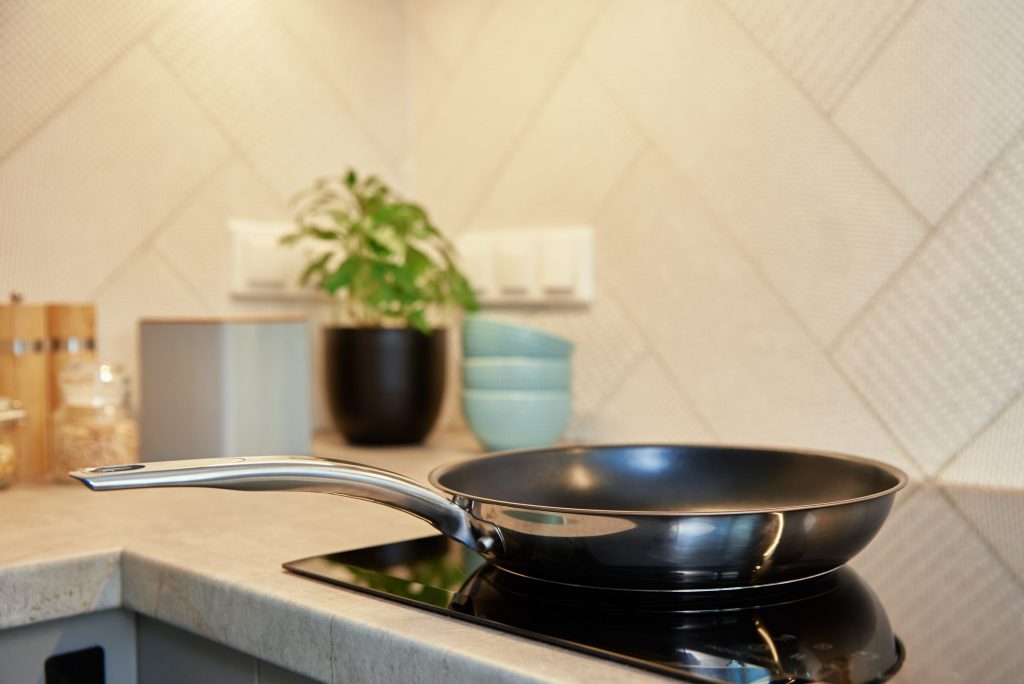
from $395 Cooktop glass replacement
A chipped, cracked or shattered surface. This one is glass rather than electronics: it is replaced rather than repaired, and the appliance should be off at the breaker until the new one is in.
- Breaker off from the moment it cracks
- Glass ordered to the model, not to the size
- Controls and generators checked underneath
-
Gas · Electric · Induction · Sealed burner rangetop Cooktops & rangetops
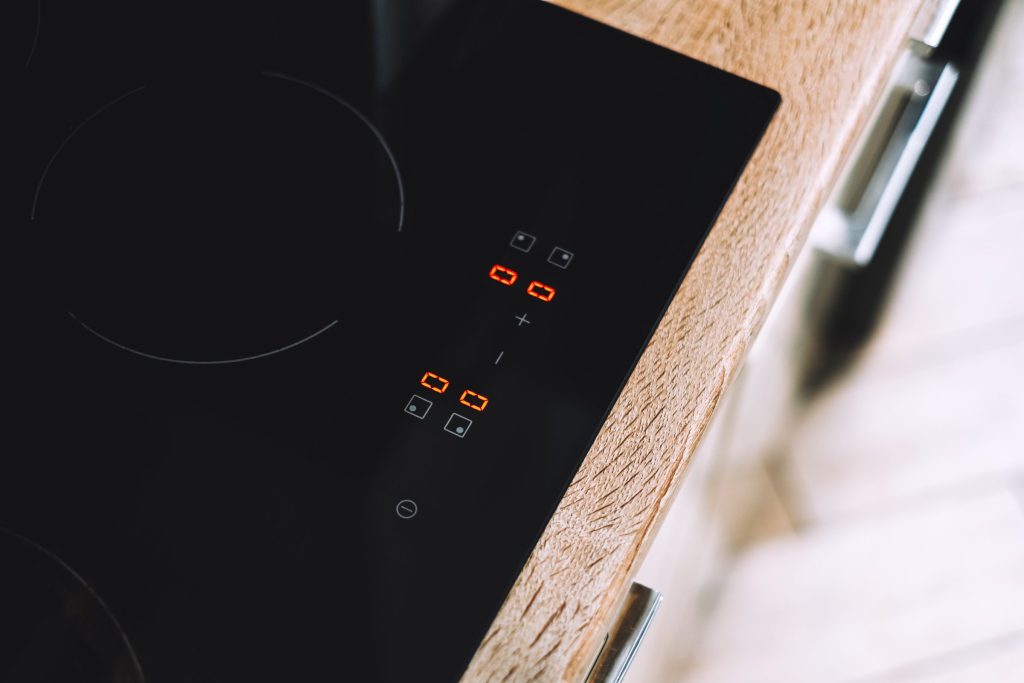
Three different appliances behind one word. A gas cooktop is burners and igniters; an induction cooktop is a power supply under glass with a generator per zone; a sealed burner rangetop is a range's burner deck with no oven under it. What goes wrong, and who can reach it, differs completely between them.
- A zone shutting itself down mid-cook
- The surface not seeing a pan
- Controls locked, or answering a wet cloth
Questions people ask about this
Why is sugar different?
Because it bonds to the ceramic as it cools rather than sitting on it, and removing it afterwards takes a layer of the surface with it. Sugar spills are the one thing worth dealing with while the appliance is still hot, carefully, with a scraper.
Can I use a general kitchen spray?
It will not damage the glass but it leaves a film that bakes on next time, and that film is what most cloudy cooktops actually are. A dedicated ceramic cleaner is a small purchase that avoids a slow problem.
The controls locked while I was cleaning it.
That is exactly what happens: a film of water reads to a capacitive panel as a very large finger, and a cloth resting on it can set the lock. Dry the whole panel and cut power for thirty seconds.
There are fine scratches already.
Almost always from grit under a pan being slid rather than lifted, or from a metal scourer. They are permanent, they are cosmetic, and lifting pans rather than sliding them stops more of them.
Do I need to worry about the pan bases?
Yes, more than most people do. A rough or pitted base is what puts fine scratches into a ceramic surface, and on induction a warped base also stops the zone seeing the pan at all.
Maintenance & Prevention
More guides like this one
-
Replacing the Light in a Wolf Range Hood — And Why All of Them Going Together Is Different
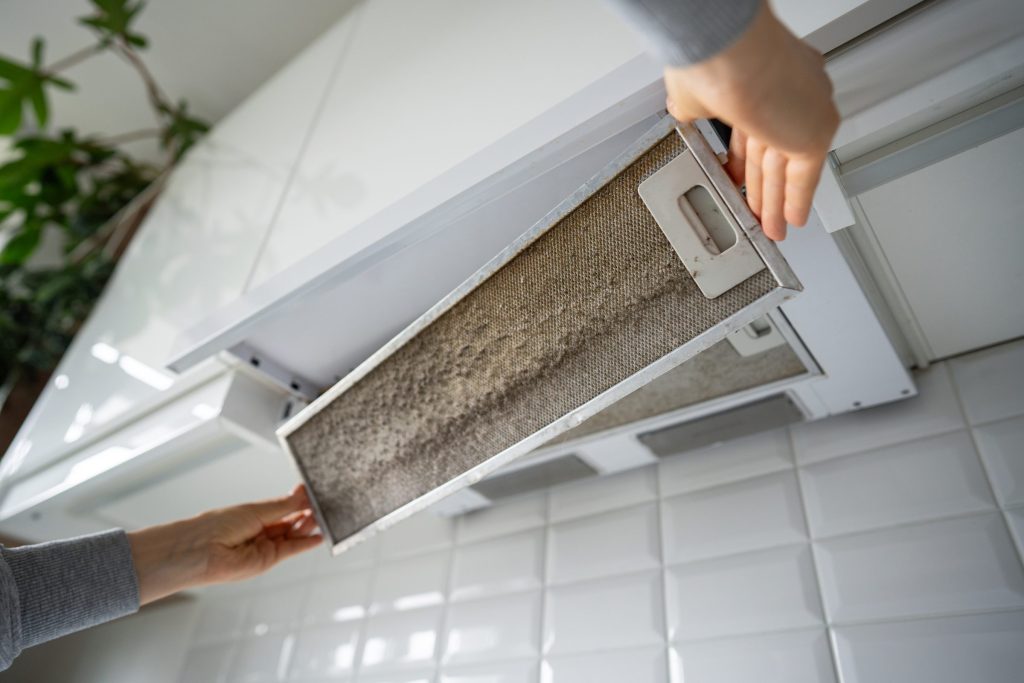
A genuine do-it-yourself page. One lamp out is a lamp; all of them out at once is the driver behind them, and knowing which before you buy anything saves a wasted trip.
Read more -
Cleaning a Wolf Oven Without Damaging It — Including the Blue Interior
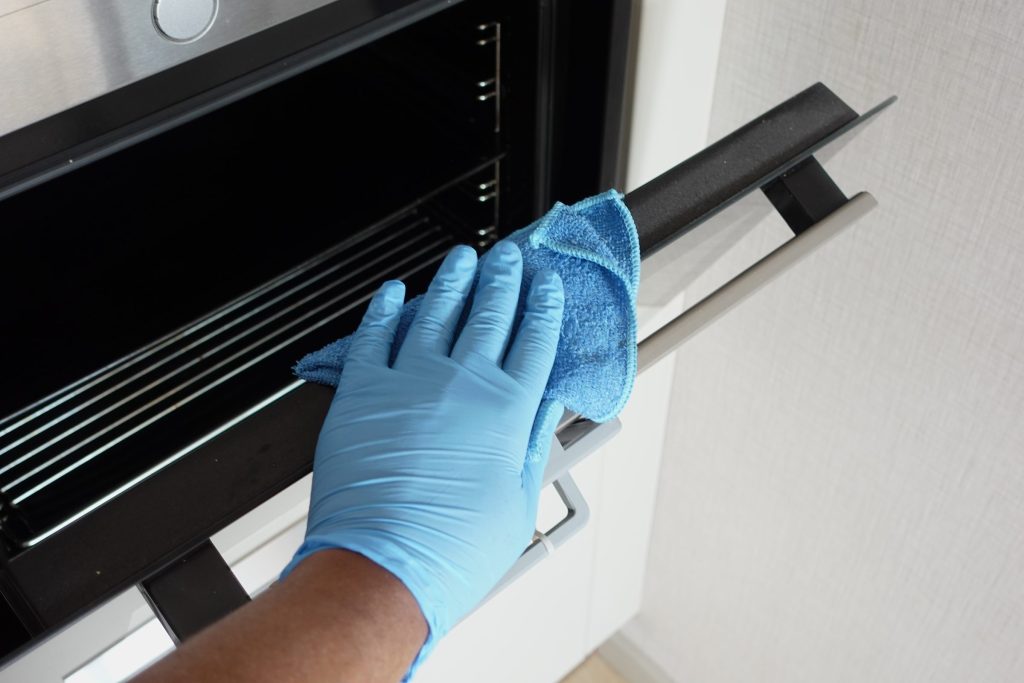
What the porcelain interior tolerates, what the stainless does not, the parts of the cavity that must never see a cleaner — and the direct answer on caustic sprays such as Easy-Off.
Read more -
How Long a Wolf Self-Clean Cycle Takes — and When Not to Start One
The duration, the cool-down nobody counts, the racks that come out — and the honest warning that this is the hardest test the appliance ever runs.
Read more
Tell us the model number and what it is doing.
This article is based on:
- Official manufacturer documentation
- Internal repair procedures
- Technician repair history
- Company quality standards