Common Problems
Converting a Wolf Range to Propane — What Changes, and What Goes Wrong
Yes, these ranges are designed to be converted, and the conversion kit is supplied by the manufacturer. It means changing the burner orifices, adjusting the low-flame settings on each valve, and setting the regulator — not flipping a switch. A conversion done badly is closest to correct at full output and worst at simmer, so a range that has never simmered well since installation is usually a conversion problem rather than a problem that developed.
The full guide
What a conversion actually is
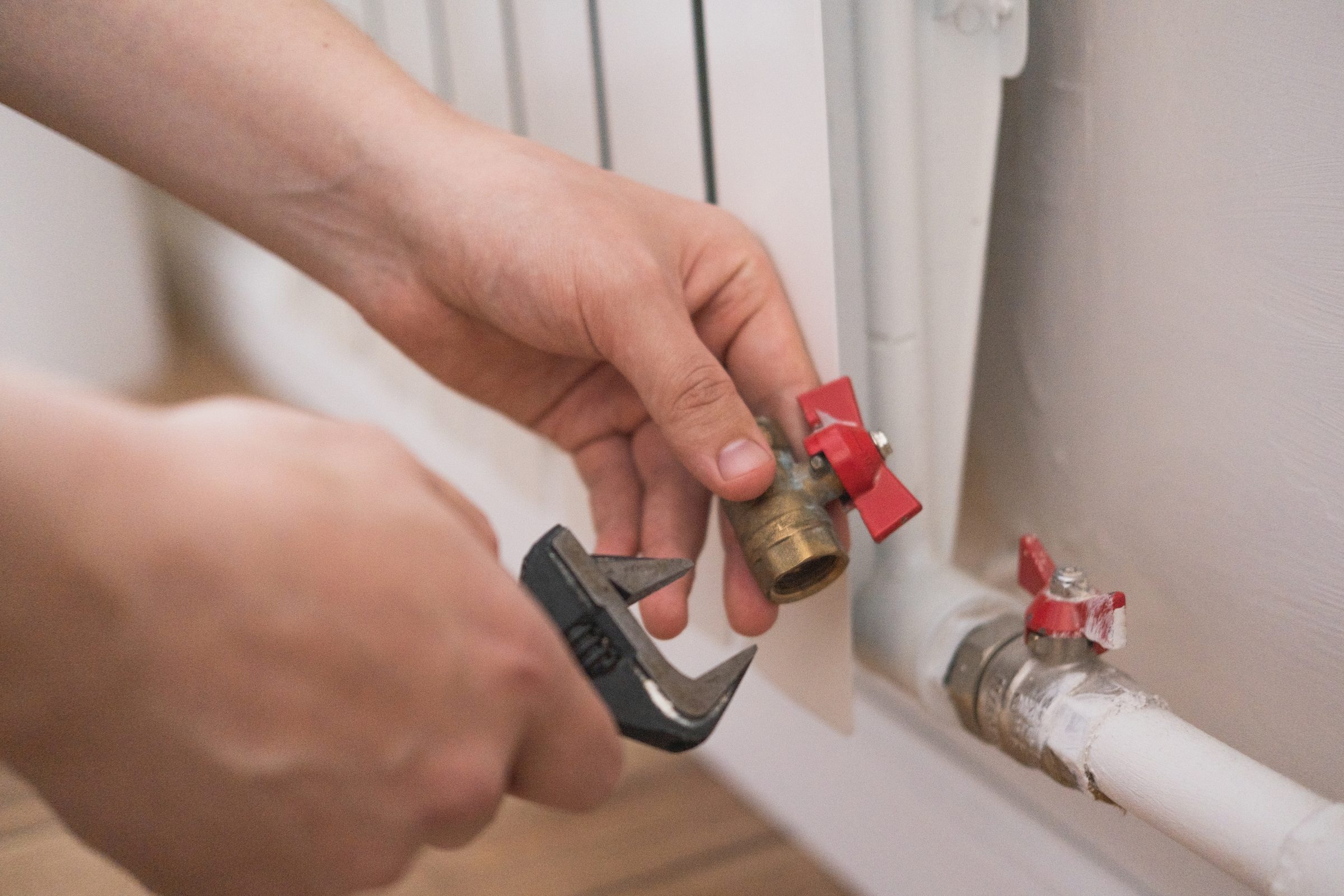
Three things, and none of them is a setting:
- The orifices. Each burner has a small brass jet sized for the gas it is burning. Propane is delivered at higher pressure and carries more energy per unit of volume, so its orifices are smaller. Every burner gets a different one — they are not all the same size.
- The low-flame adjustment. Each valve has a screw that sets the minimum flame. It is adjusted with the flame in front of you, burner by burner, until the low setting is stable and will not blow out.
- The regulator. Set for the fuel actually being supplied.
On an all-gas range the oven and broil burners have their own orifices and they are part of the job. On a dual fuel range the oven is electric and only the cooktop is involved.
Why the low end is where a bad conversion shows
A burner running at full output is fairly forgiving: there is plenty of gas and plenty of air, and a slightly wrong orifice still produces a flame that looks acceptable. At simmer there is almost no margin. The flame lifts, goes yellow, or goes out.
That is why the complaint is nearly always "it will not simmer" rather than "it will not light", and why the simmer page sends people here.
Yellow flame on every burner is the signature. One burner burning yellow is a blocked port on that burner. All of them burning yellow, together, is the fuel setup.
The other tell: it has always been like this
A range that has never simmered well since the day it went in did not develop a problem. It arrived with one. That distinction matters because it changes what is being fixed and it usually means nothing has failed at all.
Ask yourself whether there was ever a period when it worked properly. If the honest answer is no, this page is more likely to be your page than any of the repair pages.
Going the other way
Converting from propane to natural gas is the same job in reverse, with larger orifices. It comes up when a house moves from a tank to a mains supply, and the symptoms of getting it wrong are the opposite: lazy, oversized flames and sooting.
When to call
A range whose flames are yellow across every burner, one that will not hold a simmer anywhere, or one that is about to be moved between a propane and a natural gas supply.
Tell us which fuel is being supplied now, which the range was set up for, and whether the manufacturer's conversion kit was used. What installation and conversion work involves.
If it turns out to be a repair
What this leads to, and what it costs
Every job on this site is priced the same way: an on-site diagnostic first, the figure agreed in writing before anybody starts.
-
Low flame is a real specification Burner will not simmer
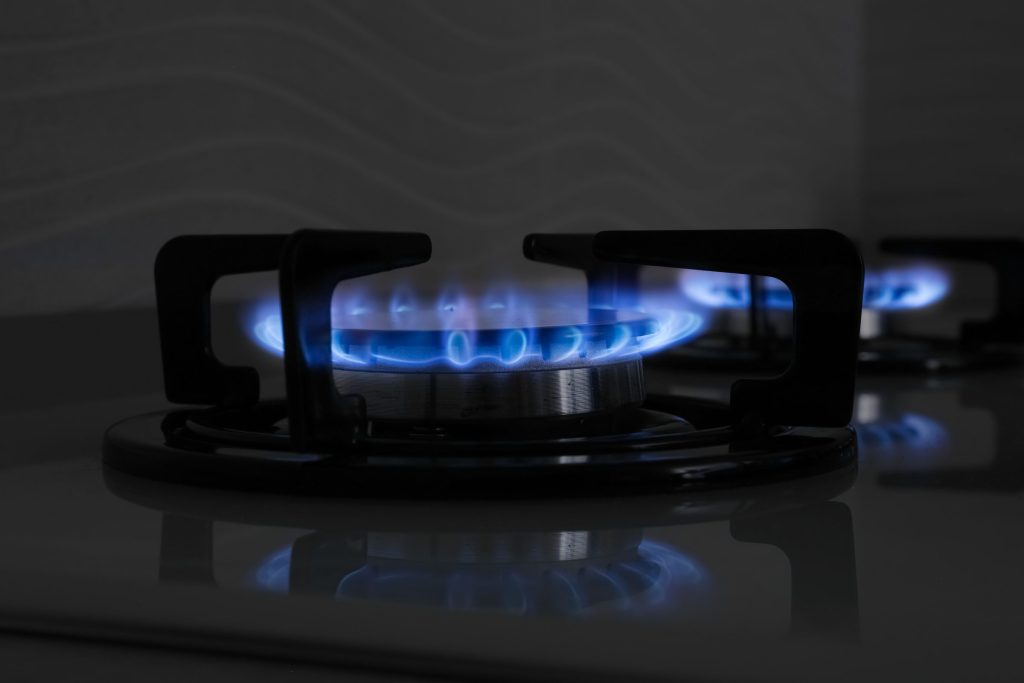
The burner works, but it will not hold a genuine low flame — it either goes out at the bottom of the dial or sits too high to melt chocolate. On professional equipment this is a specification rather than a preference.
- Flame goes out at the lowest setting
- Nothing between "off" and "too hot"
- A simmer that used to work and does not
-
Cap first, igniter second Burner clicks and will not light
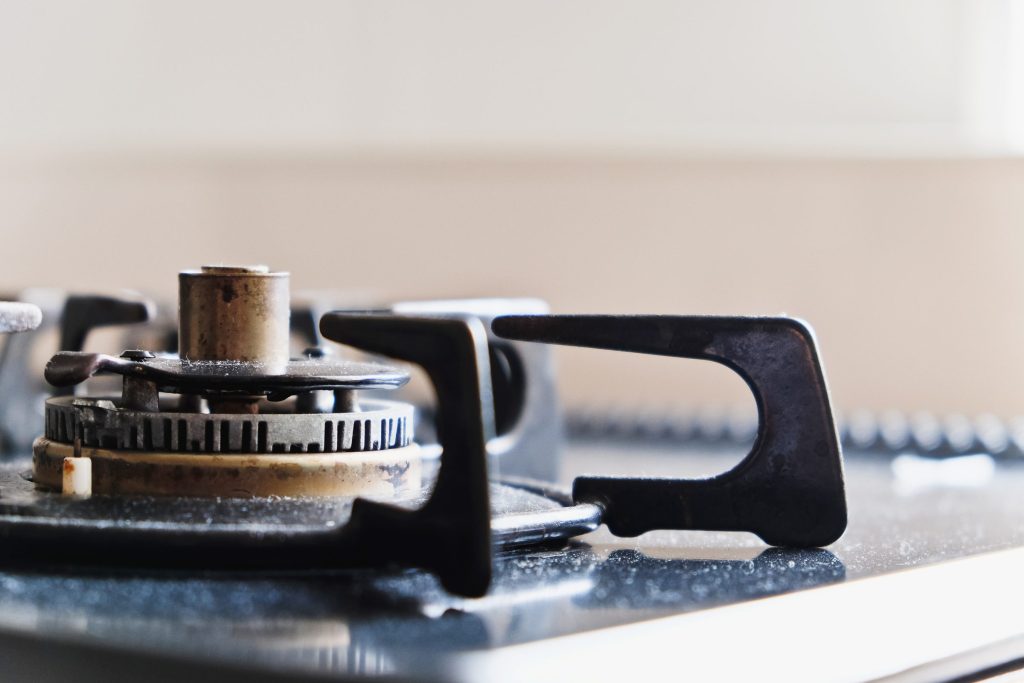
One burner sparks and sparks and never catches while the others are perfect. The gas half of this appliance publishes no codes at all, so this page carries the whole diagnosis — and the first step is free.
- One burner clicking with no flame
- A burner that lights and goes straight out
- Clicking that carries on after the flame is up
-
from $225 Appliance installation
Fitting professional cooking equipment into a finished kitchen. Most of what goes wrong with this equipment in its first year is decided on installation day, and most of it is clearance, gas and ventilation.
- Cutout, clearance and ventilation checked first
- Gas and orifices correct for the fuel supplied
- Levelled, anti-tip fitted, and handed over properly
-
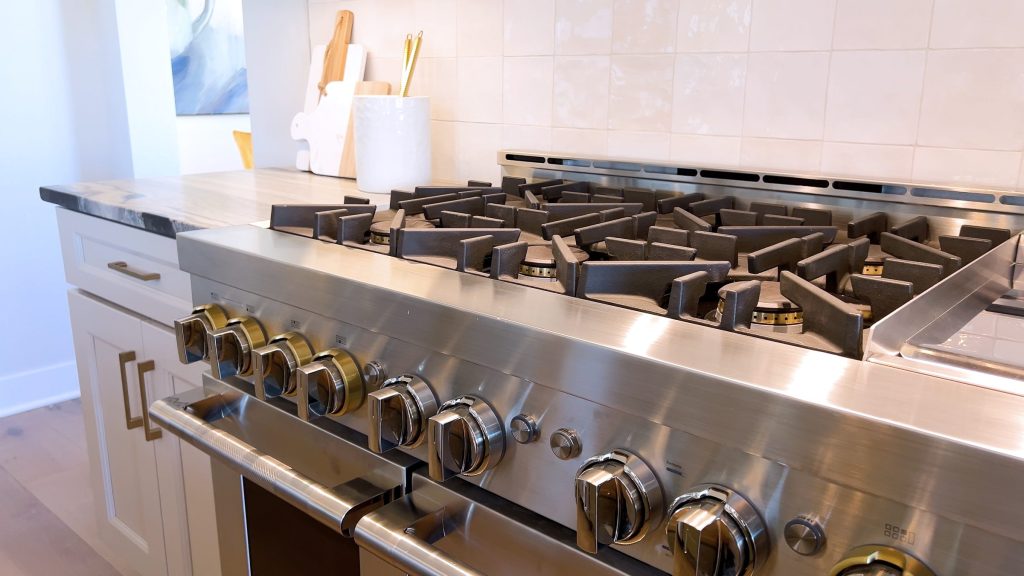
Dual fuel · Gas · Induction · 30" 36" 48" 60" Ranges
The appliance the brand is built around, and on a dual fuel range it is two appliances sharing one cabinet: gas burners on top, an electric oven underneath, one control answering for both. Which half is misbehaving is the first question, because the two have almost nothing in common inside.
- A burner that clicks and never lights
- The oven not reaching or holding temperature
- A four-character code on the panel after a power cut
Questions people ask about this
Can I do it myself?
We would not recommend it, and in many jurisdictions the gas connection has to be made by somebody licensed anyway. The orifice change is mechanical; the low-flame adjustment on each valve is done with a flame in front of you, burner by burner, and that is the part people skip.
How do I know it was done wrong?
Yellow flames on every burner at once, and a simmer that will not hold. One burner behaving badly is that burner; all of them behaving badly the same way is the fuel setup.
It has been like that since installation.
Then it never developed — it arrived. That is genuinely good news, because it is correctable and nothing has failed.
Does the oven need converting too?
On an all-gas range, yes — the oven and broil burners have their own orifices. On a dual fuel range the oven is electric and only the cooktop is affected.
Does converting affect the warranty?
Using the manufacturer's own kit, fitted correctly, is the intended path. Improvised orifices are not, and that is worth knowing before somebody drills anything.
Common Problems
More guides like this one
-
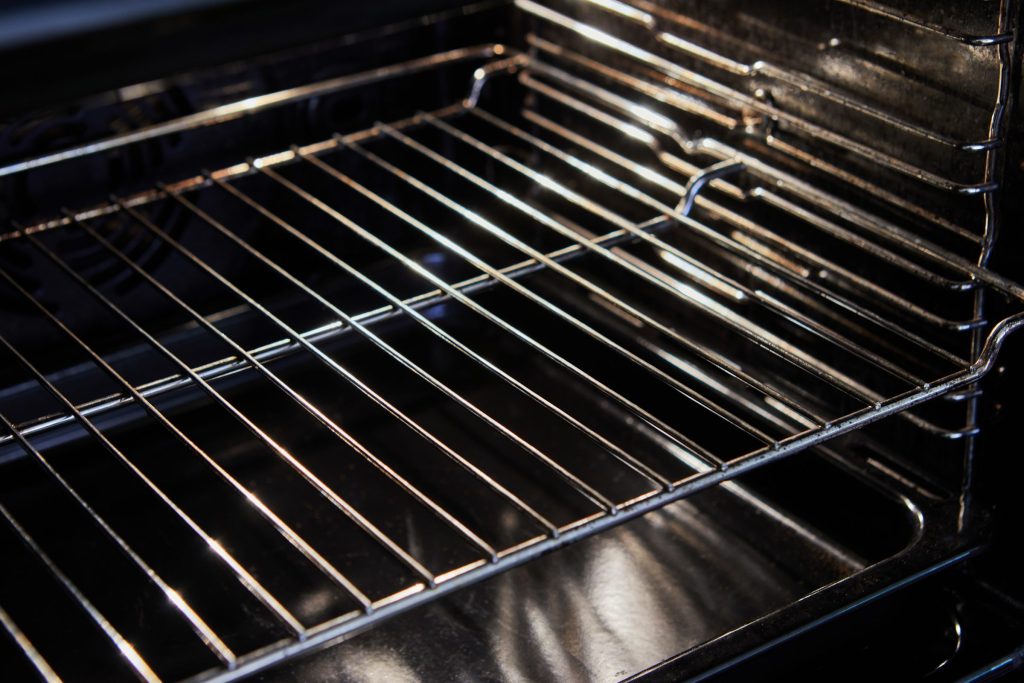
Why a Wolf Oven Takes So Long to Preheat — and When That Is Normal
A professional cavity genuinely takes longer than the oven it replaced, and the preheat signal does not mean what most people think. Then the three cases where slow preheating is a real symptom.
Read more -
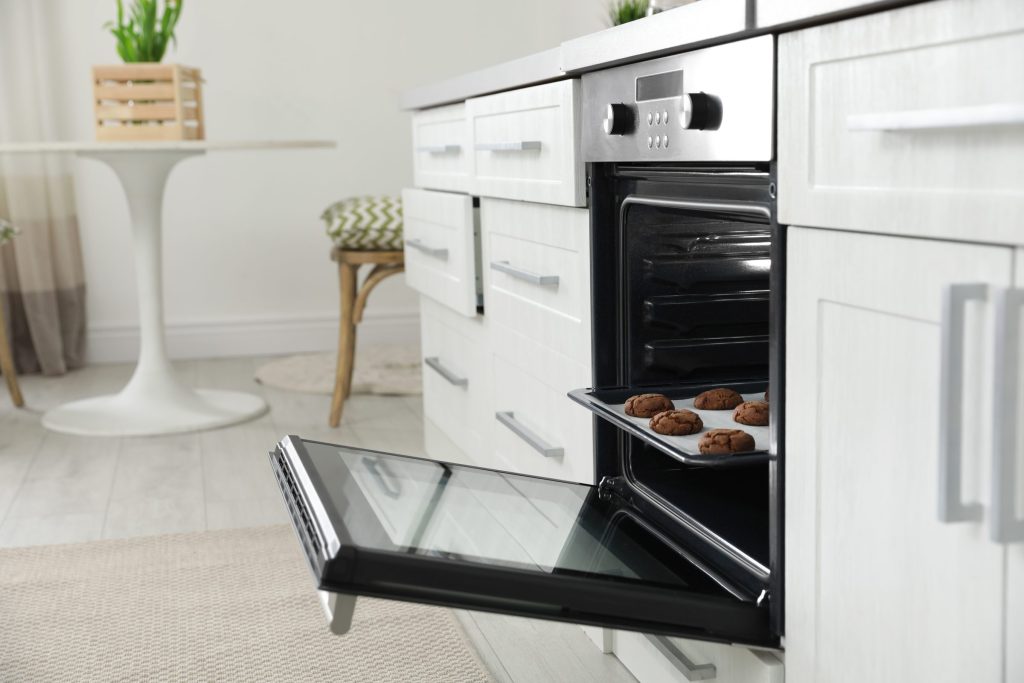
A Wolf Oven Door That Will Not Close Properly — Five Minutes and a Strip of Paper
The paper test, the rack that sits a fraction proud, and the difference between a gasket that has hardened and a hinge that has lost its spring. Written to be done with nothing but a strip of paper.
Read more -
A Wolf Oven That Switches Itself Off — Three Causes That Look Identical
A setting nobody remembers enabling, a protection doing its job, and a genuine board problem all produce the same complaint. Sorting them in the kitchen, before booking anybody.
Read more
Tell us the model number and what it is doing.
This article is based on:
- Official manufacturer documentation
- Internal repair procedures
- Technician repair history
- Company quality standards