Common Problems
Why a Wolf Oven Beeps for No Reason — Read It Before You Silence It
Photograph the display before silencing anything: the beep is an alarm attached to a published condition, and cutting the power clears both. The commonest cause is a power interruption during a cycle, which this brand publishes as its own condition. Cancel any timer or probe alarm, then switch the breaker off for thirty seconds. A beep that returns is telling you something real.
The full guide
Why is my Wolf oven beeping for no reason? Photograph it first
The beep is not the problem. It is a notification attached to one, and the same tone covers a dozen different conditions. The display is the only thing that distinguishes them — and cutting the power silences the beep and erases the display in the same movement.
Thirty seconds with a phone camera saves an hour later. Then silence it however you like.
The decision, in order
- Photograph anything on screen. All of it, including characters that look like nonsense.
- Cancel every timer. Including a probe alarm set weeks ago and forgotten. Free, and it ends a real share of these.
- Breaker off for thirty seconds, then on. Not standby — genuinely off.
- Note whether it returns, and how quickly. That is the single most useful thing you can tell us.
Why most of them are about the electricity
South Florida is not gentle with supplies, and this equipment is unusually forthcoming about it. This maker publishes a power failure during baking, over-voltage, under-voltage, a lost zero-cross reference and an energized wire on the neutral terminal — five separate conditions, several of which are the building rather than the appliance.
An oven that starts beeping in the night, after a storm, or while an electrician is working two floors down, is usually reporting one of those. It did nothing wrong and neither did you.
A beep with a code is a gift. On this brand a four-character code names the cavity and the board that saw the problem, and an older E-number or word message places the appliance in time. Either way, reading it out on the phone frequently decides which parts travel.
What is actually beeping, and how to tell
There are four sources of noise in a built-in oven and they do not sound the same for long:
- A timer or a probe alarm. Repeating, cheerful, and it stops when you cancel it. A meat probe alarm set weeks ago and forgotten is a genuinely common answer here.
- A door alarm. Ties to the door, and stops when the latch is properly closed.
- An error tone. Comes with characters on the display, and returns after a restart if the condition is real.
- A cooling fan you have never noticed before. Not a beep at all, but it is what people describe when the fan bearing has started to sing. This maker publishes a cooling fan reporting its own failure as a condition in its own right.
The test that separates the first two from the last two costs nothing: cancel everything, close the door, and listen. If it stops, it was a notification. If it comes back on its own, the appliance is telling you something.
The conditions most likely to be behind a tone
A beep that arrives with characters is almost always one of a small set, and each of these is published rather than guessed:
- Communication lost with the oven controller — two boards that have stopped hearing each other. Frequently follows a power event.
- A shorted convection fan or a cooling fan reporting failure — the oven protecting the electronics behind it, which is the whole point of that fan.
- A stored-settings checksum that did not check out at power-up — the appliance came back, but not with what you had told it. Once is history; repeatedly is a symptom.
- High input voltage — the building, not the oven.
Write down when it beeps, not just that it beeps. Only at the end of a cycle, only when the oven is hot, only at night, only since the storm — each of those points at a different part, and it is information nobody can recover later.
When the beep means stop using it
The oven is heating with nothing selected. That is a relay stuck closed — this maker publishes it — and it is the one condition here that is a breaker-off situation rather than a wait-and-see one.
There is a burning or electrical smell with it. Cut the power and call somebody.
The door is locked and the alarm is continuous after a clean cycle. Different page, and it is the one job we try to reach the same day.
When to call
An alarm that survives a clean restart, one that returns within a day, or any beep accompanied by heat you did not ask for.
Tell us every character that was on the display when it started — that is what the photograph was for — and whether there was any interruption to the power around the same time.
If it turns out to be a repair
What this leads to, and what it costs
Every job on this site is priced the same way: an on-site diagnostic first, the figure agreed in writing before anybody starts.
-
Every beep here means something Oven beeping and will not stop
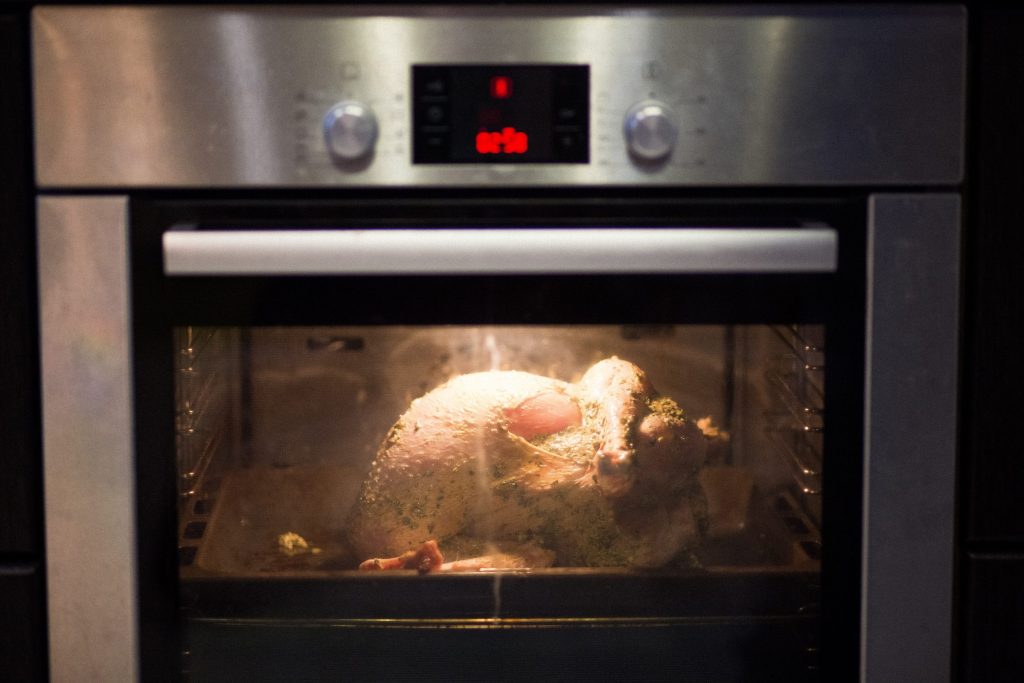
An oven that beeps at intervals, beeps continuously, or beeps at three in the morning. It is trying to tell you something, and on this brand what it is trying to tell you is usually published.
- Beeping with nothing showing on the display
- A tone that returns after every reset
- Beeping that started after a power cut
-
Sometimes the house rather than the oven Oven dead after a power cut
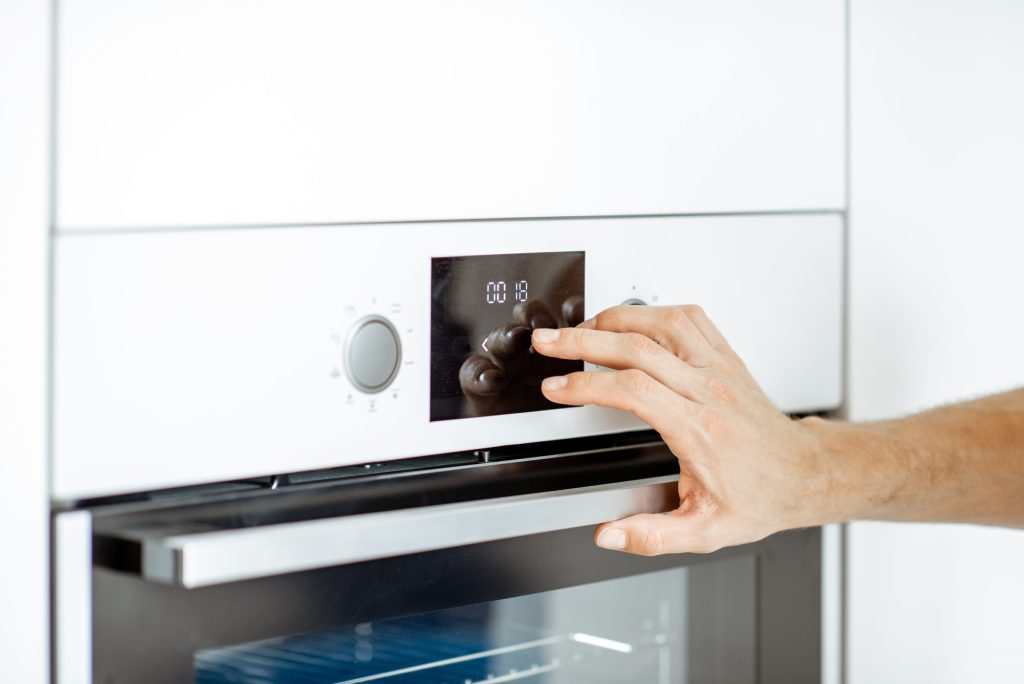
The storm passed, everything else came back on, and the oven did not. On this brand the appliance often has a specific opinion about what the electricity did, and it is worth reading before anybody is called.
- Dead since an outage or a surge
- Working, but complaining about voltage
- A neutral or leg condition on the display
-
Which board stopped talking Oven display blank, frozen or erratic
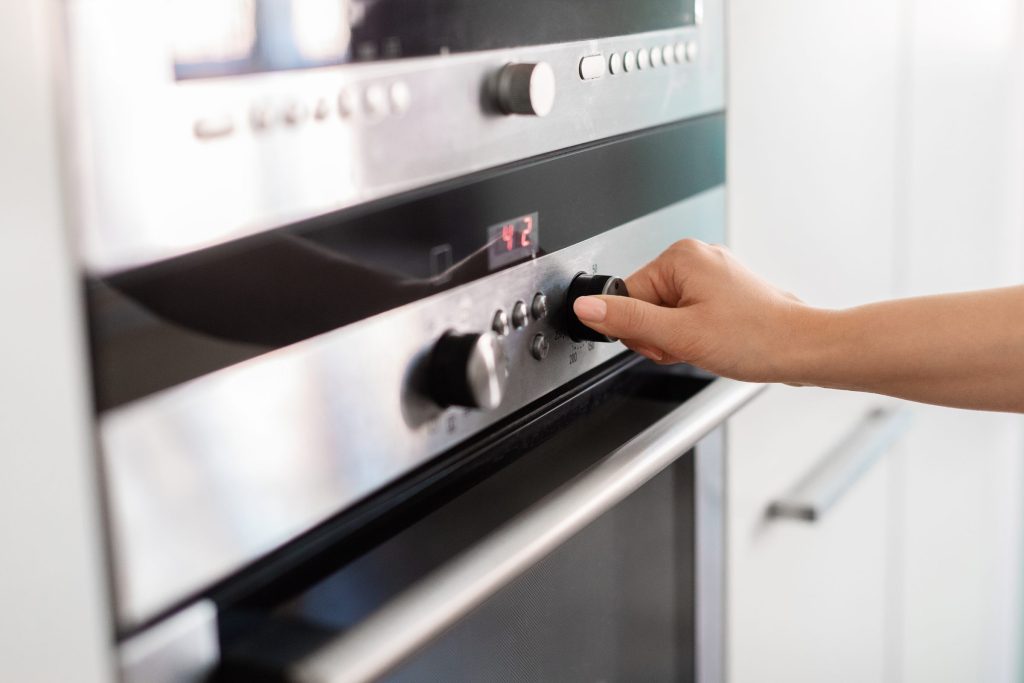
A display that has gone blank, frozen part-way, or is showing something that makes no sense. The appliance often still works underneath, which is a clue rather than a comfort.
- Blank display and an oven that still heats
- Characters frozen or scrambled
- A communication or checksum message
-
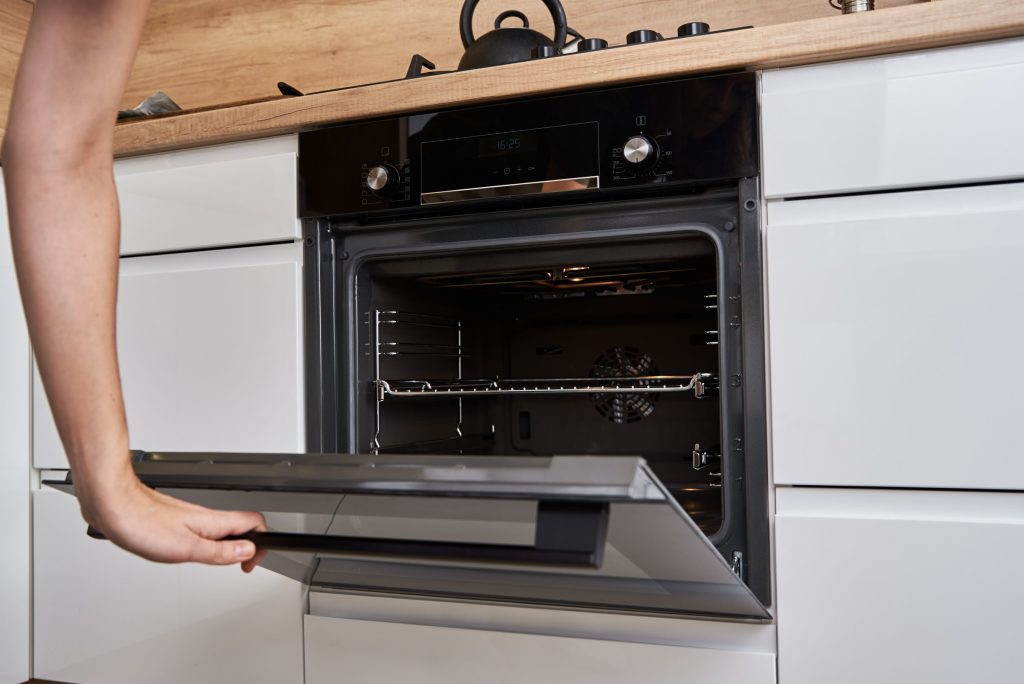
M Series · E Series · L Series · Convection steam · Warming drawer Built-in ovens & steam ovens
Built-in ovens, single and double, the convection steam oven — a different machine with a boiler, a tank and a vent valve in it — and the warming drawer that sits under or beside them. Between them they account for more than half of every error code this brand publishes, and the codes are decoded on this site rather than left as characters on a display.
- The door still locked after a self-clean
- Temperature drifting, or never arriving
- A steam oven asking to be descaled
Questions people ask about this
It beeps and shows nothing at all.
Either the alarm has outlived its message — common after a power cut — or the display side has stopped while the control side carries on. A breaker cycle separates the two, and how quickly it returns tells us which.
It started at three in the morning.
Almost certainly a supply event. This brand publishes a power failure during operation, over-voltage and under-voltage as three separate conditions, and one of them is usually behind a night-time alarm.
Can I just cut the power?
You can, and at midnight it is a reasonable thing to do. Photograph the display first, and understand that if the alarm returns the appliance is telling you something real.
Is a beeping oven dangerous?
Almost never in itself. The exception is an oven that is also heating with nothing selected, which is a stuck relay and a breaker-off situation rather than a wait-and-see one.
It beeps only when it is heating.
That pattern points at a temperature condition rather than a supply one. Write down when it happens — continuous, intervals, only when hot — because the pattern is diagnostic.
Common Problems
More guides like this one
-
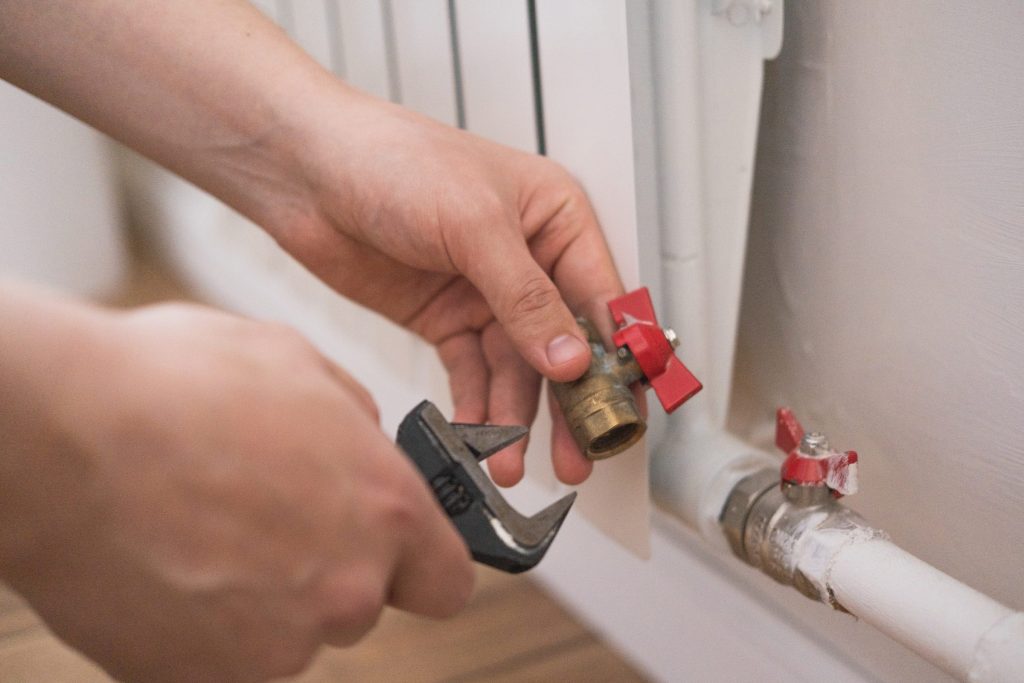
Converting a Wolf Range to Propane — What Changes, and What Goes Wrong
A conversion is orifices and a regulator, not a setting. Done badly it looks almost right at full output and badly wrong at simmer — which is why a range that has never simmered properly is often a conversion story rather than a repair.
Read more -
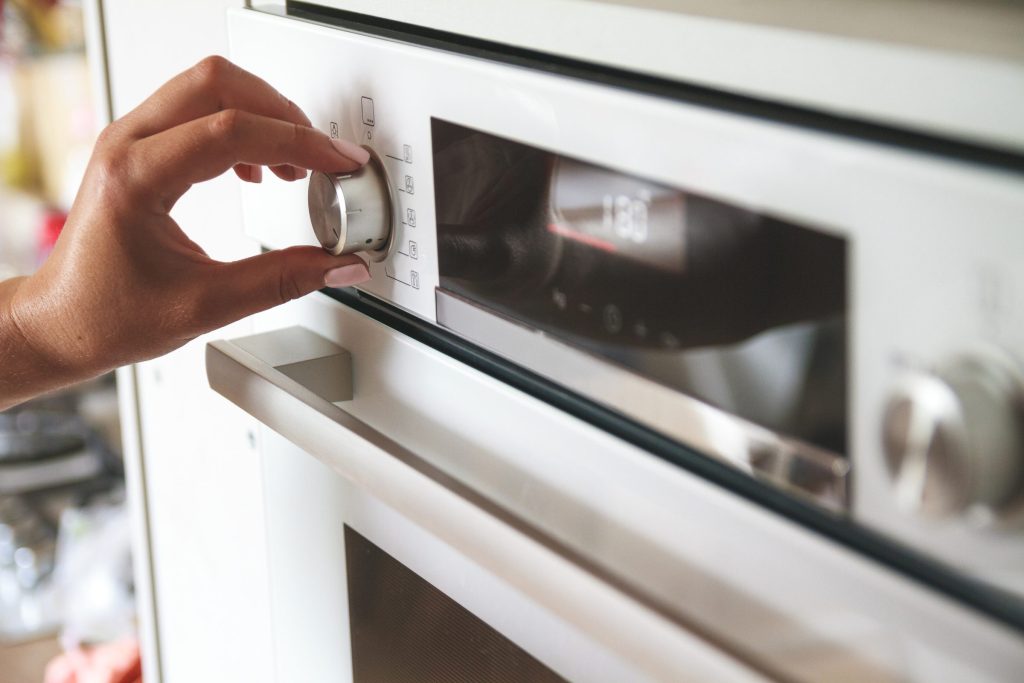
A Wolf Oven That Switches Itself Off — Three Causes That Look Identical
A setting nobody remembers enabling, a protection doing its job, and a genuine board problem all produce the same complaint. Sorting them in the kitchen, before booking anybody.
Read more -
Why a Wolf Oven Takes So Long to Preheat — and When That Is Normal
A professional cavity genuinely takes longer than the oven it replaced, and the preheat signal does not mean what most people think. Then the three cases where slow preheating is a real symptom.
Read more
Tell us the model number and what it is doing.
This article is based on:
- Official manufacturer documentation
- Internal repair procedures
- Technician repair history
- Company quality standards
 English