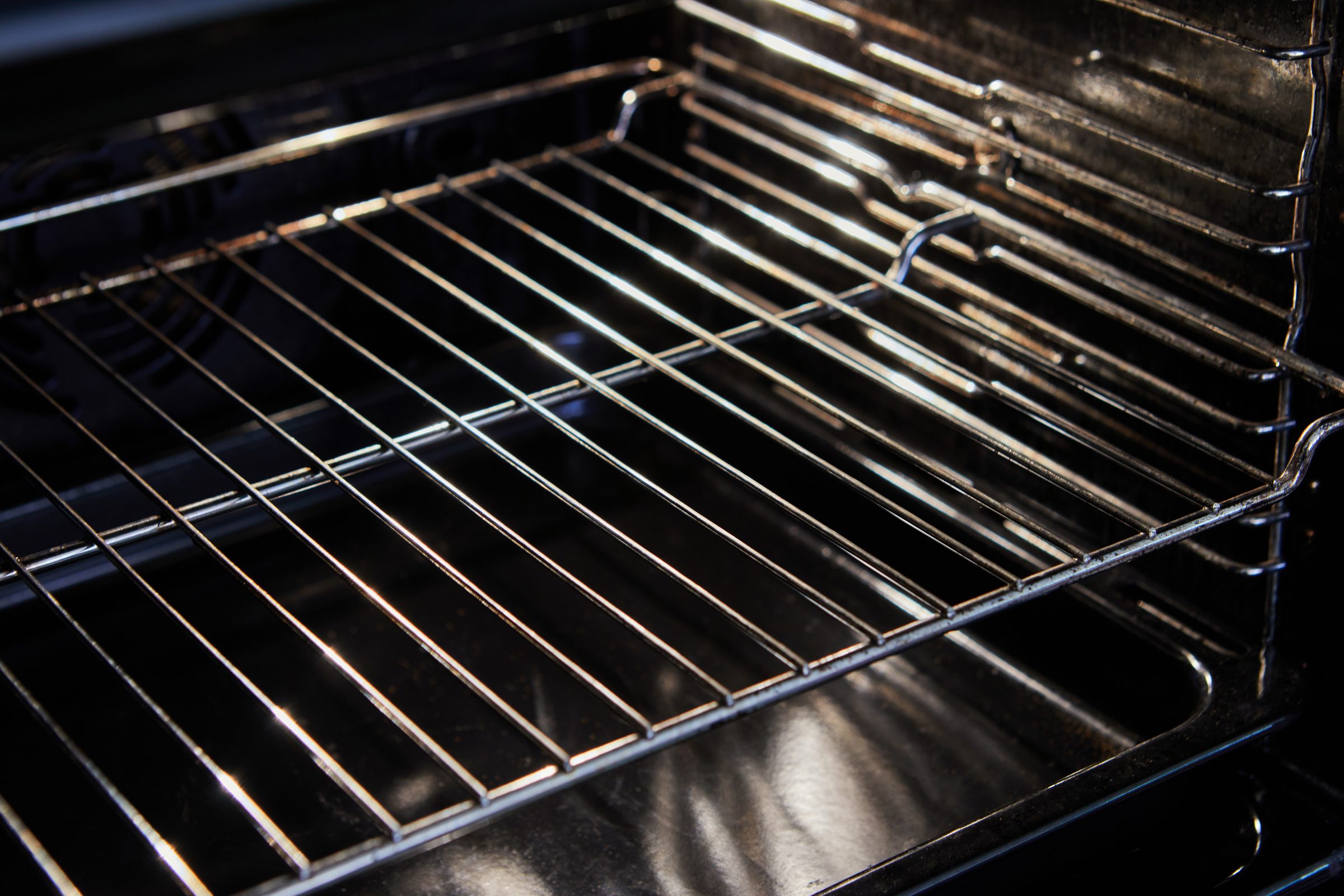
Common Problems
Why a Wolf Oven Takes So Long to Preheat — and When That Is Normal
Twelve to eighteen minutes to 350°F is normal for a professional cavity, and longer for a higher temperature or a double oven heating both. The signal marks the air reaching temperature, not the walls and racks, so five to ten minutes more before you load it genuinely improves results. It is a symptom when preheating has become slower than it used to be, when the oven plateaus below the number, or when only one cavity is slow.
The full guide
What normal looks like
Twelve to eighteen minutes to 350°F on a professional cavity, from cold, in a normally warm kitchen. Higher temperatures take longer, and a double oven heating both cavities at once takes longer still.
If the oven this replaced was a standard 30-inch appliance, this one is heating a great deal more air and much heavier steel. That is not a defect. It is the other side of the thing you bought it for — a cavity that barely notices when a cold roasting tray goes in.
What the preheat signal actually means
The oven tells you when the air has reached the temperature you set. The cavity walls, the door glass and the racks — which do a good share of the actual cooking, by radiating heat — are still behind it.
That is why the first tray often browns unevenly, and why professional kitchens preheat for far longer than any signal suggests. Five to ten minutes past it for anything baked is worth the wait, and it costs nothing.
A stone or a heavy pan changes everything. Anything with mass in the cavity has to reach temperature too, and a baking stone can take half an hour past the signal. That is the stone, not the oven.
The free way to know whether it is slow
An oven thermometer in the middle of the cavity, set 350°F, read twenty minutes past the signal.
- At temperature: the oven is fine and the estimate is conservative. Nothing to do.
- Well under: a genuine symptom, and worth reading against what an oven that will not heat usually turns out to be.
- Well over: a different problem with its own page — running hot is usually the sensor.
When it is real
It has clearly got slower. Not slower than your last oven — slower than this one was last year. That usually means an element working at reduced output, or convection that is no longer circulating.
It plateaus below the number. The oven runs, warms, and stops climbing short of the setting. A sensor reading wrongly, an element at half strength, or a door that has stopped sealing.
Only one cavity is slow. On a double oven that is useful: the cavities have their own elements and sensors even though they share a control, so this is a contained repair.
It slowed after a self-clean cycle. Common enough to mention. That cycle finds weaknesses in elements and cutouts that ordinary cooking never reaches — it did not cause the problem so much as discover it.
Things worth ruling out first, in order
- The door seal. Run a strip of paper round the closed door and pull it out at several points. Where it slides out easily, heat is leaving, and a gasket is a small repair.
- What is inside. Stones, cast iron and a full rack of trays all slow a preheat, and none of them is a problem with the oven.
- The mode. Some modes preheat deliberately gently. Convection is usually the fastest.
- A code on the display. If there is one, it has probably already named the circuit — this brand publishes an element open and a relay that did not close as separate conditions.
When to call
An oven that has genuinely got slower, one that plateaus below the setting, or one where the thermometer and the display disagree by more than about 25 degrees.
Tell us which cavity, what the thermometer said, and whether anything changed around the time it started — particularly a self-clean cycle or a power outage. What the repair involves and what it starts at.
If it turns out to be a repair
What this leads to, and what it costs
Every job on this site is priced the same way: an on-site diagnostic first, the figure agreed in writing before anybody starts.
-
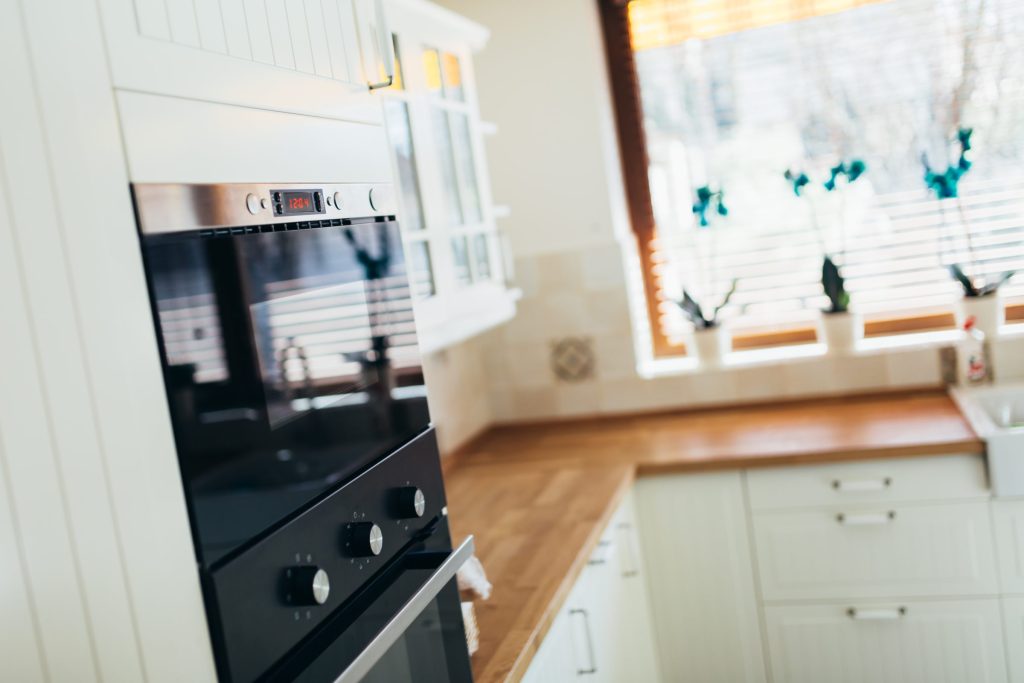
The code names the circuit Oven not heating
An oven that sets a temperature and stays cold, or heats on one mode and not another. On this brand the display usually says which circuit is missing before anybody opens anything.
- Sets a temperature and stays cold
- Broils but will not bake
- A code naming an element or a relay
-
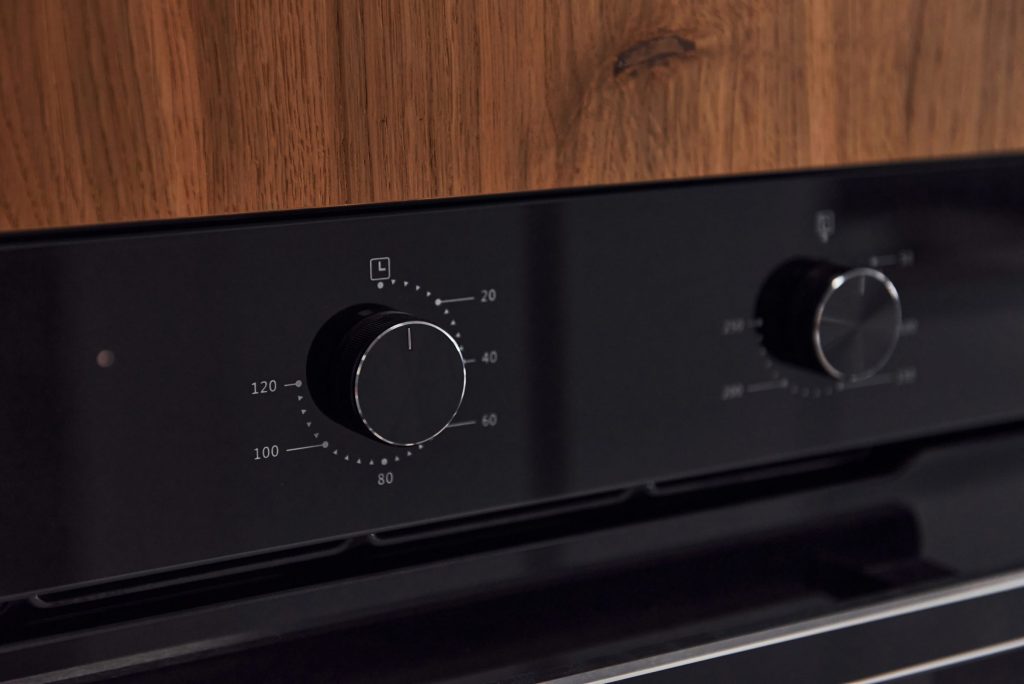
Obedient, and aiming at the wrong number Oven temperature wrong or uneven
An oven that heats perfectly to a temperature that is not the one you set, or that burns on one side and undercooks on the other. Almost always a measurement problem rather than a heating one.
- Everything browning too fast or too slowly
- One side or one shelf consistently darker
- Baking that changed without anything else changing
-
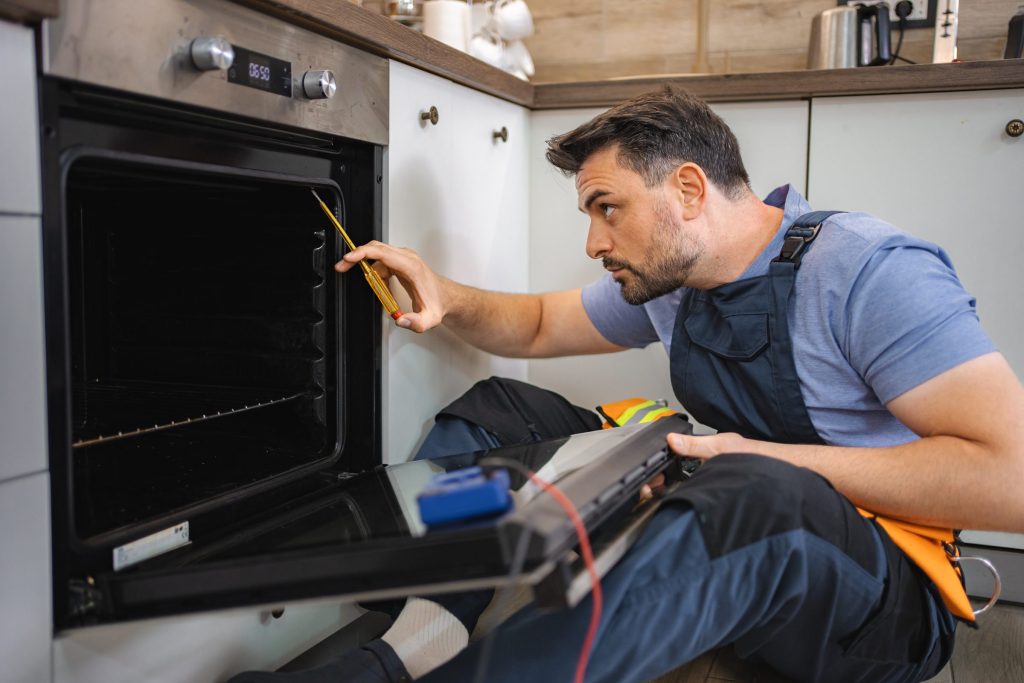
from $195 Oven element & sensor repair
An oven that will not heat, will not hold, or runs well above or below the dial. The code on the panel names the circuit, which is the part of the diagnosis that usually costs money to work out.
- Bake, broil and convection tested separately
- Sensor resistance measured, not guessed
- The cavity named on a double oven
-
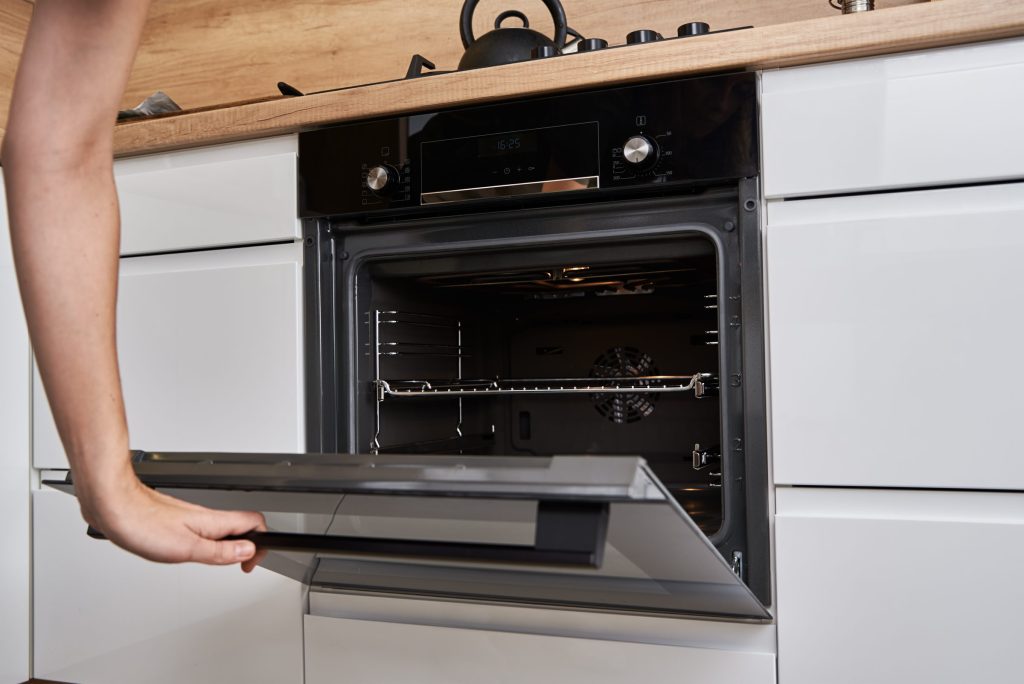
M Series · E Series · L Series · Convection steam · Warming drawer Built-in ovens & steam ovens
Built-in ovens, single and double, the convection steam oven — a different machine with a boiler, a tank and a vent valve in it — and the warming drawer that sits under or beside them. Between them they account for more than half of every error code this brand publishes, and the codes are decoded on this site rather than left as characters on a display.
- The door still locked after a self-clean
- Temperature drifting, or never arriving
- A steam oven asking to be descaled
Questions people ask about this
My old oven was faster. Is this one broken?
Probably not. A professional cavity holds far more air and much heavier steel than a standard 30-inch oven, and heating all of it takes longer. It also holds temperature far better once it is there, when a cold tray goes in, which is the trade being made.
Does convection preheat faster?
Usually yes, because the fan moves heat into the cavity rather than waiting for it to migrate. Whether it is the right mode for what you are cooking is a separate question.
Should I wait after the signal?
For anything baked, yes — five to ten minutes. The signal means the air is at temperature; the walls, the door glass and the racks do a good share of the cooking by radiating heat, and they are still catching up.
How do I know if it is genuinely slow?
An oven thermometer in the middle, set 350°F, read twenty minutes past the signal. At temperature, the oven is fine and the estimate is conservative. Well under, that is a symptom.
Only the lower oven is slow.
That is useful and it narrows things considerably. The cavities of a double oven have their own elements and sensors even though they share a control, so a slow one is a contained repair.
Common Problems
More guides like this one
-
Converting a Wolf Range to Propane — What Changes, and What Goes Wrong
A conversion is orifices and a regulator, not a setting. Done badly it looks almost right at full output and badly wrong at simmer — which is why a range that has never simmered properly is often a conversion story rather than a repair.
Read more -
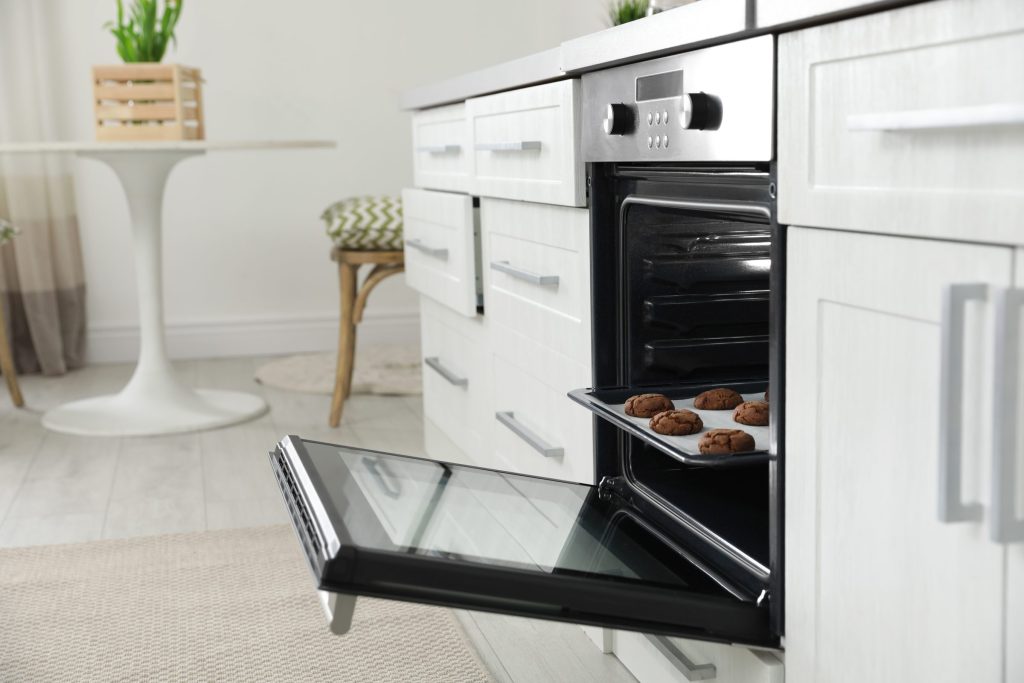
A Wolf Oven Door That Will Not Close Properly — Five Minutes and a Strip of Paper
The paper test, the rack that sits a fraction proud, and the difference between a gasket that has hardened and a hinge that has lost its spring. Written to be done with nothing but a strip of paper.
Read more -
A Wolf Oven That Switches Itself Off — Three Causes That Look Identical
A setting nobody remembers enabling, a protection doing its job, and a genuine board problem all produce the same complaint. Sorting them in the kitchen, before booking anybody.
Read more
Tell us the model number and what it is doing.
This article is based on:
- Official manufacturer documentation
- Internal repair procedures
- Technician repair history
- Company quality standards