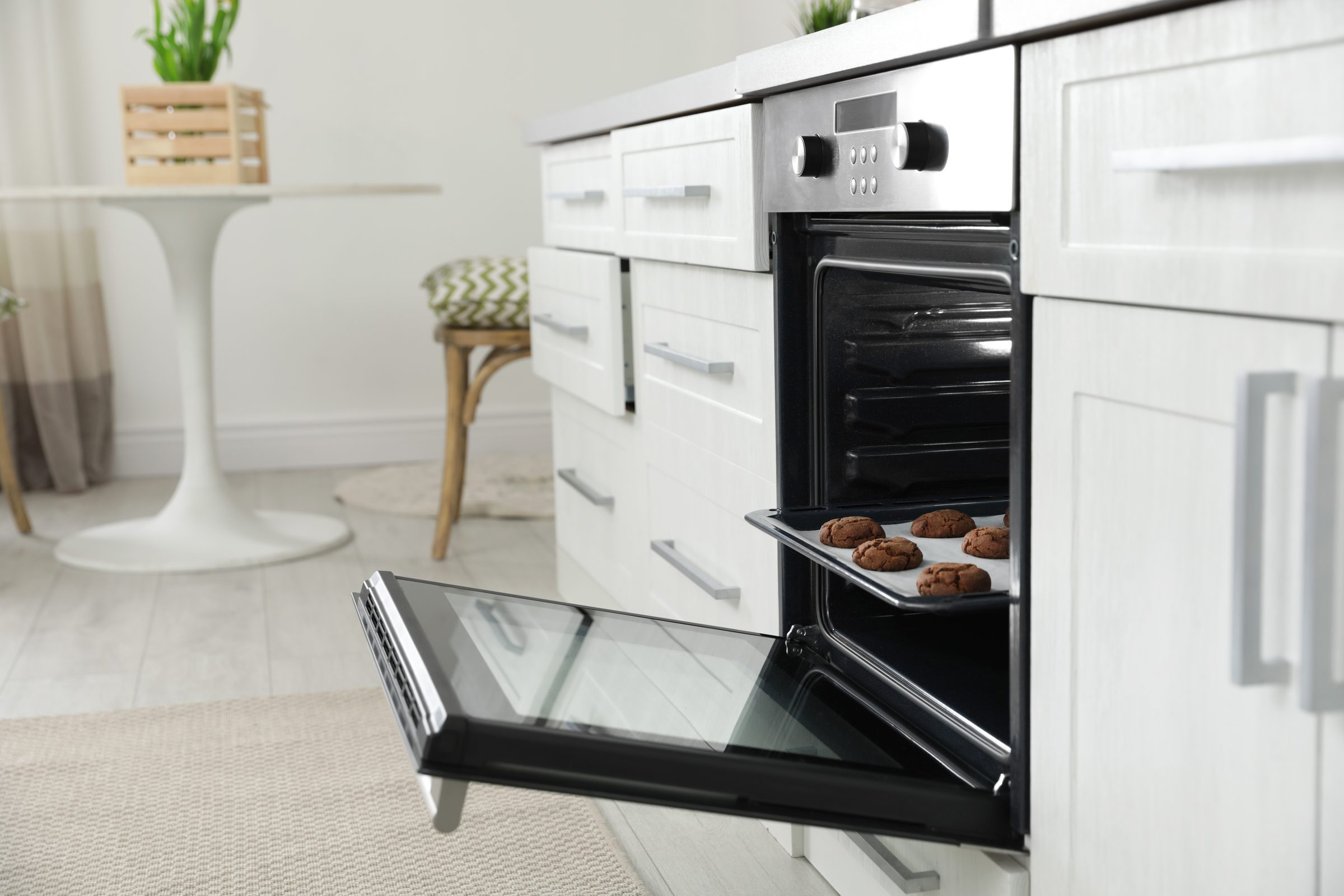
Common Problems
A Wolf Oven Door That Will Not Close Properly — Five Minutes and a Strip of Paper
Close a strip of paper in the door at several points around the frame and pull. Where it comes out easily, the seal has stopped gripping there. A gasket that has hardened along the bottom edge is the commonest and cheapest cause; a corner sitting proud with a heavy-feeling door is a hinge, and hinges are replaced in pairs on this equipment.
The full guide
The paper test
Close a strip of ordinary paper in the door and pull it out. Do it at six or eight points around all four edges, and note where it comes out easily.
That map — not a general impression that the door "seems loose" — is what turns this into a diagnosis. A gasket that has stopped gripping along the bottom edge is a different repair from a door sitting proud at one top corner.
Free things first, in order
- A rack pushed a fraction proud. It happens constantly and it is the cheapest possible answer.
- Something on the seal. A crumb of baked-on spill on the gasket holds the door open more than it looks like it should.
- The racks the manual says to remove for self-clean. If they were left in, they may have moved.
- What is behind the appliance. On a freestanding range, a gas line or a cable pushing it forward changes how the door meets the frame.
Gasket or hinge
Gasket. The paper comes out easily along one whole edge, usually the bottom. The door still feels normal to close. This is the cheap end and it is the commonest cause.
Hinge. One corner sits proud, the door has become heavy, and it drops or slams at the end of its travel. A professional oven door carries a lot of glass and the hinges are sprung assemblies rather than pivots, which is why they are replaced as a pair.
Glass panels. Years of heat cycling move them a fraction. The door looks wrong even after the hinges are right, and it is corrected while the door is apart.
What a leaking door does to everything else
This is the reason not to live with it. A cavity that cannot hold its heat runs the element longer, runs the cooling fan harder, and keeps the boards behind the fascia hotter than they were designed to be. The codes that follow are about temperature and fans and boards — and the door caused all of them.
Uneven baking is often a door. One shelf consistently darker is usually rack position or a seal that has let go on one side, before it is anything electrical.
When to call
A door that will not close square, a corner that sits proud, a gasket that has hardened, or an oven where the paper test finds a whole edge letting go.
Tell us where the paper came out and whether the door has become heavy — those two answers decide whether we bring a gasket or a pair of hinges. What the repair involves and what it starts at.
If it turns out to be a repair
What this leads to, and what it costs
Every job on this site is priced the same way: an on-site diagnostic first, the figure agreed in writing before anybody starts.
-
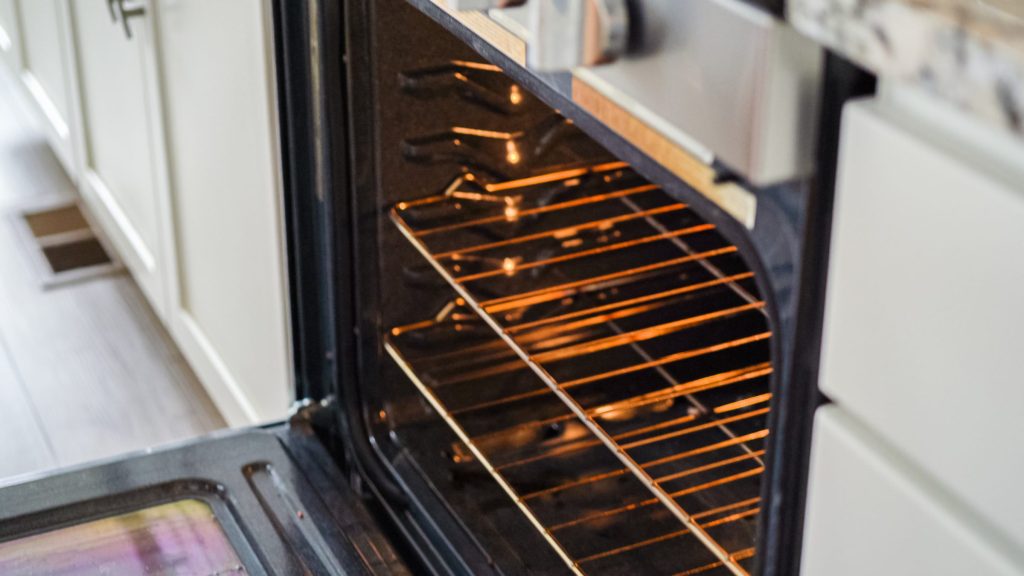
Heavy doors and sprung hinges Oven door not closing properly
A door that has dropped, will not sit square, or lets a line of heat out along one edge. These doors are heavy, and the hinges carrying them are sprung assemblies rather than simple pivots.
- A corner sitting proud when closed
- Heat escaping along one edge
- A door that has become heavy to close
-
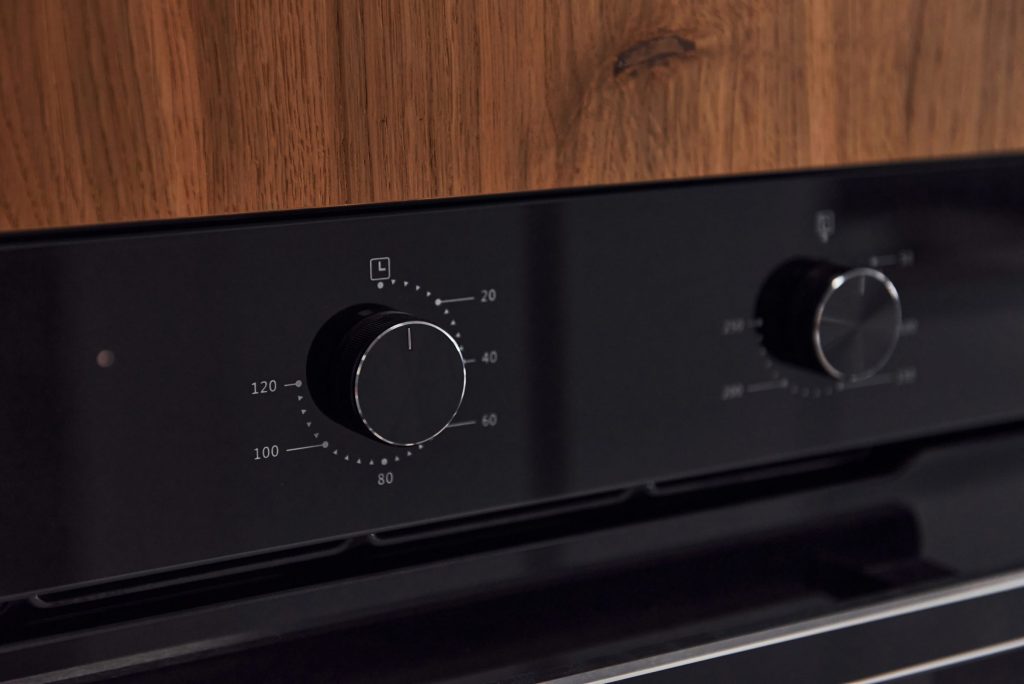
Obedient, and aiming at the wrong number Oven temperature wrong or uneven
An oven that heats perfectly to a temperature that is not the one you set, or that burns on one side and undercooks on the other. Almost always a measurement problem rather than a heating one.
- Everything browning too fast or too slowly
- One side or one shelf consistently darker
- Baking that changed without anything else changing
-
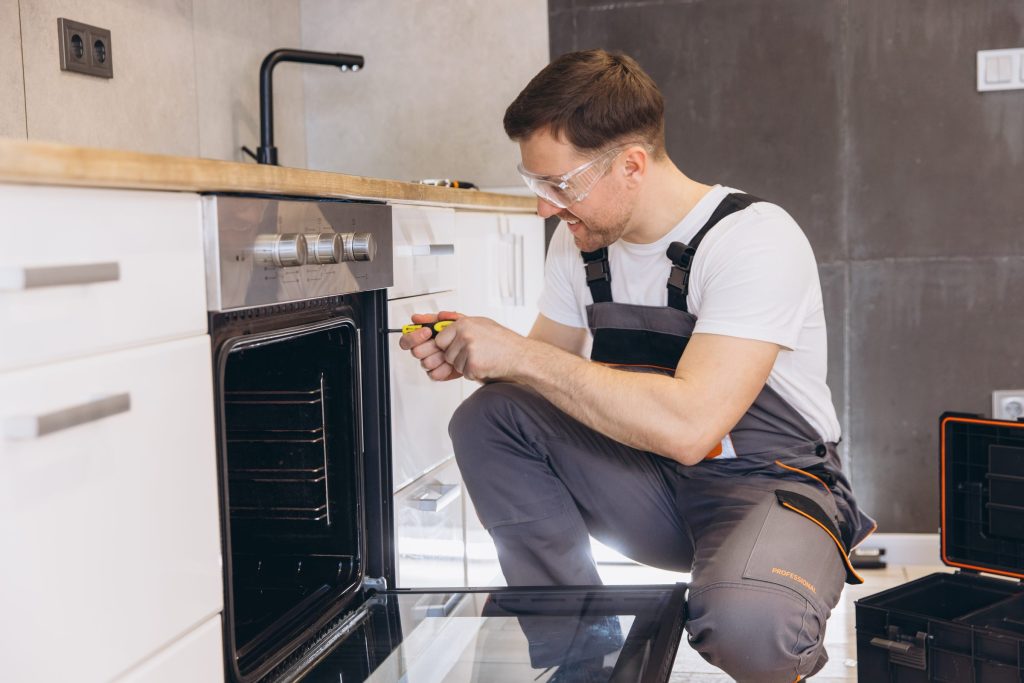
from $175 Oven door seal & hinge repair
A door that has dropped, will not close square, or lets heat out along one edge. These doors are heavy, and the hinges are adjusted and matched rather than simply swapped.
- Hinges adjusted in pairs, not singly
- Gasket checked along its whole run
- Glass panels reseated square while it is open
-
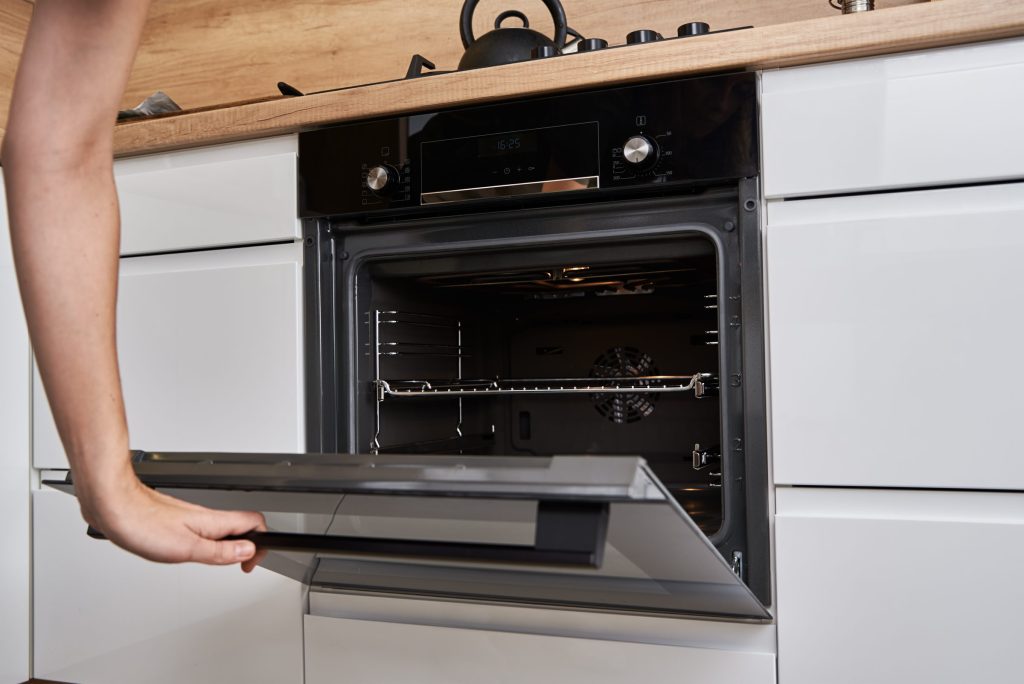
M Series · E Series · L Series · Convection steam · Warming drawer Built-in ovens & steam ovens
Built-in ovens, single and double, the convection steam oven — a different machine with a boiler, a tank and a vent valve in it — and the warming drawer that sits under or beside them. Between them they account for more than half of every error code this brand publishes, and the codes are decoded on this site rather than left as characters on a display.
- The door still locked after a self-clean
- Temperature drifting, or never arriving
- A steam oven asking to be descaled
Questions people ask about this
Does a leaking door matter if it still cooks?
Yes, and not only for the cooking. The cavity runs its element longer, the cooling fan works harder and the electronics sit hotter — which is how a door problem becomes a temperature error a year later.
Can I adjust the hinges myself?
We would rather you did not on a professional door. They are sprung to carry a lot of glass and they are not forgiving of a slip. The gasket is a reasonable thing to look at yourself.
It closed fine until the kitchen was painted.
Then look at the housing before the door. A built-in oven set back a fraction, or trim refitted proud, changes how the door meets the frame and the appliance is fine.
One corner sits higher than the other.
That is a hinge, and it is worth attending to rather than living with. A door out of square puts the whole load on one hinge and on the gasket under it, and the next repair is bigger.
Why replace both hinges?
Because a new hinge and a tired one carry the door differently, and a door on a mismatched pair closes and never sits true. It is the same reason nobody replaces one shock absorber.
Common Problems
More guides like this one
-
Converting a Wolf Range to Propane — What Changes, and What Goes Wrong
A conversion is orifices and a regulator, not a setting. Done badly it looks almost right at full output and badly wrong at simmer — which is why a range that has never simmered properly is often a conversion story rather than a repair.
Read more -
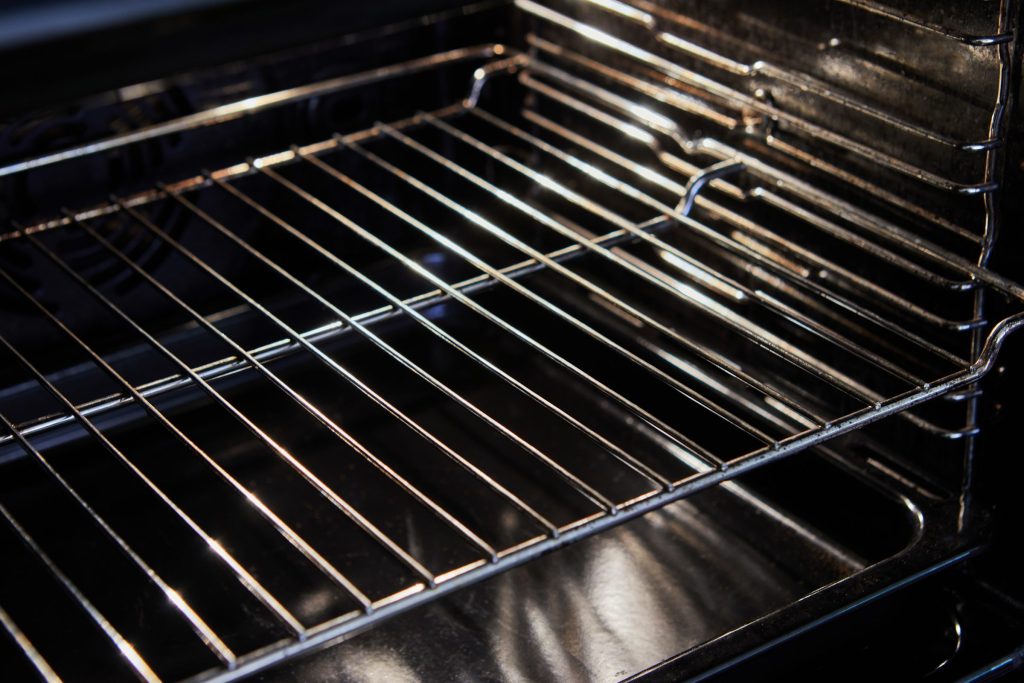
Why a Wolf Oven Takes So Long to Preheat — and When That Is Normal
A professional cavity genuinely takes longer than the oven it replaced, and the preheat signal does not mean what most people think. Then the three cases where slow preheating is a real symptom.
Read more -
A Wolf Oven That Switches Itself Off — Three Causes That Look Identical
A setting nobody remembers enabling, a protection doing its job, and a genuine board problem all produce the same complaint. Sorting them in the kitchen, before booking anybody.
Read more
Tell us the model number and what it is doing.
This article is based on:
- Official manufacturer documentation
- Internal repair procedures
- Technician repair history
- Company quality standards