Common Problems
An Induction Zone That Quits Mid-Cook — Usually the Cabinet, Not the Cooktop
A zone that runs for several minutes and stops has overheated, and the generator underneath it stopped rather than damage itself. The first thing to look at is what is running below the counter — an oven under an induction cooktop is the classic South Florida version and both appliances are behaving. If it happens on any zone whenever something else is hot, it is the environment; if it is always the same zone in any conditions, it is that zone.
The full guide
What is actually under your counter
An induction cooktop is not a heating surface with electronics attached. Each zone has a generator — a power supply in its own right — mounted a few centimeters beneath the glass, with a hot pan on the other side of it.
That generator has a heat sink and a thermistor watching it, and when the reading passes its limit the zone stops. Everything cools, everything works again, and by the time anybody visits the appliance is behaving perfectly.
The Miami version of this
A wall oven installed under an induction cooktop is a common and entirely legitimate layout. It is also the single most frequent explanation for this complaint here, because in a South Florida kitchen in August both appliances are working into an already warm cabinet.
This maker is unusually candid about it. Among the published conditions for this equipment are an ambient temperature above a stated limit, and — in those words — a cabinet opening temperature that may be caused by a second appliance. That is a manufacturer telling you the installation can be the problem.
Telling the environment from the appliance
Any zone, whenever something else is hot. The environment. Look at the drawer under the cooktop, the gap at the back of the cabinet, and what is running below.
Always the same zone, in any conditions. That zone's generator or the thermistor watching its heat sink. Both are published separately, and this is a real repair.
All zones, immediately, with a code. Neither. That is the control or the supply, and it belongs on the cooktop that will not turn on.
Time it. Ten minutes at high power is thermal. A zone that quits within seconds of starting is not overheating — nothing gets hot that fast — and it is a different diagnosis entirely.
What you can change without a technician
- Empty the drawer immediately under the cooktop, or at least stop packing it to the top.
- Check the ventilation gap at the back of the cabinet is genuinely open.
- Avoid running the oven below at full temperature while cooking hard on the zone above it.
- Give it space and time after a long high-power cook rather than starting again straight away.
When to call
A zone that cuts out in a cool kitchen with nothing running underneath. The same zone every time regardless of conditions. Or any of this accompanied by a code, which on this brand usually names the generator or its heat sink outright.
Tell us which zone, what is under the counter, and roughly how long it runs before it stops. What the repair involves and what it starts at.
If it turns out to be a repair
What this leads to, and what it costs
Every job on this site is priced the same way: an on-site diagnostic first, the figure agreed in writing before anybody starts.
-
Protection, usually working correctly Induction zone shutting itself off
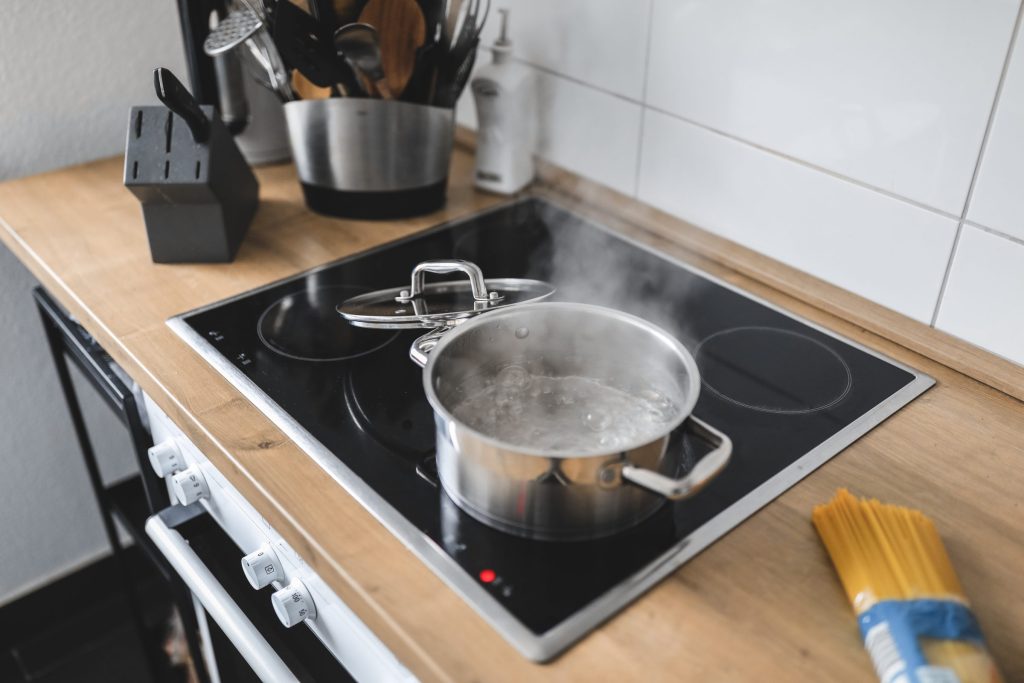
A zone that runs for ten minutes and stops, then works again once everything has cooled. That is a protection doing its job, and the useful question is what made it too hot rather than what is broken.
- A zone stopping mid-cook and restarting later
- Always the same zone, or always the same time
- A generator or heat sink condition on screen
-
Nearly always the pan Induction not seeing the pan
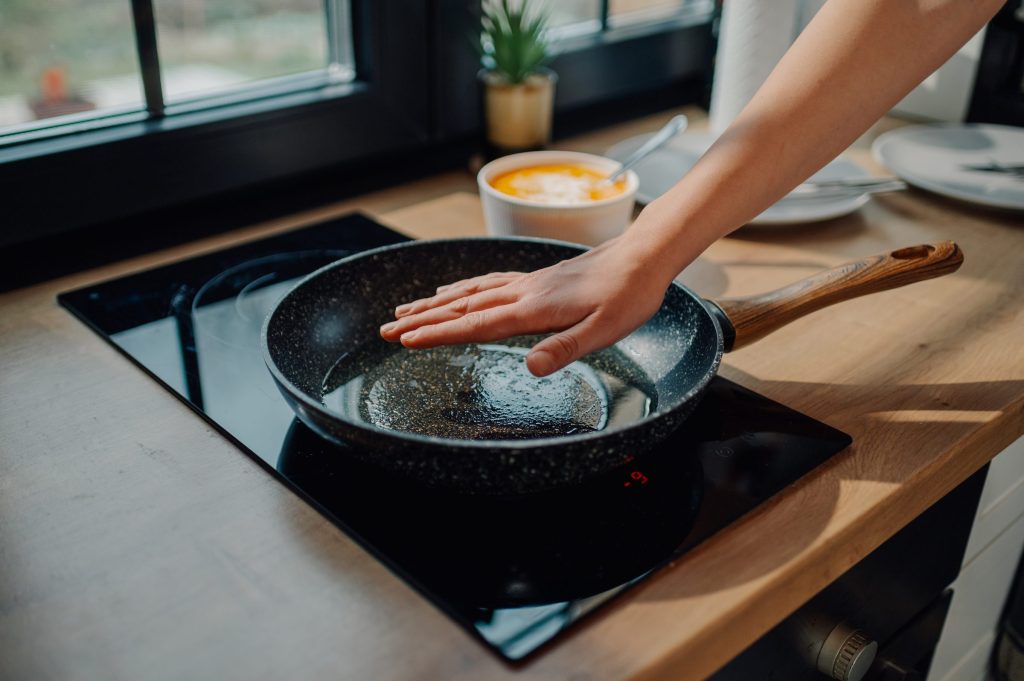
The zone lights up, the pan sits there, and nothing happens. Induction reads the base of the cookware rather than the weight on the glass, and a cooktop that is working perfectly will ignore the wrong pan all day.
- One pan ignored, others fine
- A pan that worked before and does not now
- A zone that starts and stops immediately
-
from $260 Cooktop & induction repair
Most induction call-outs end with an appliance that was working correctly the whole time. This job starts by establishing that, because it costs nothing and it is the honest place to begin.
- Pan and placement ruled out first
- Zone shutdowns traced to what is under the counter
- Generator modules named rather than "the cooktop"
-
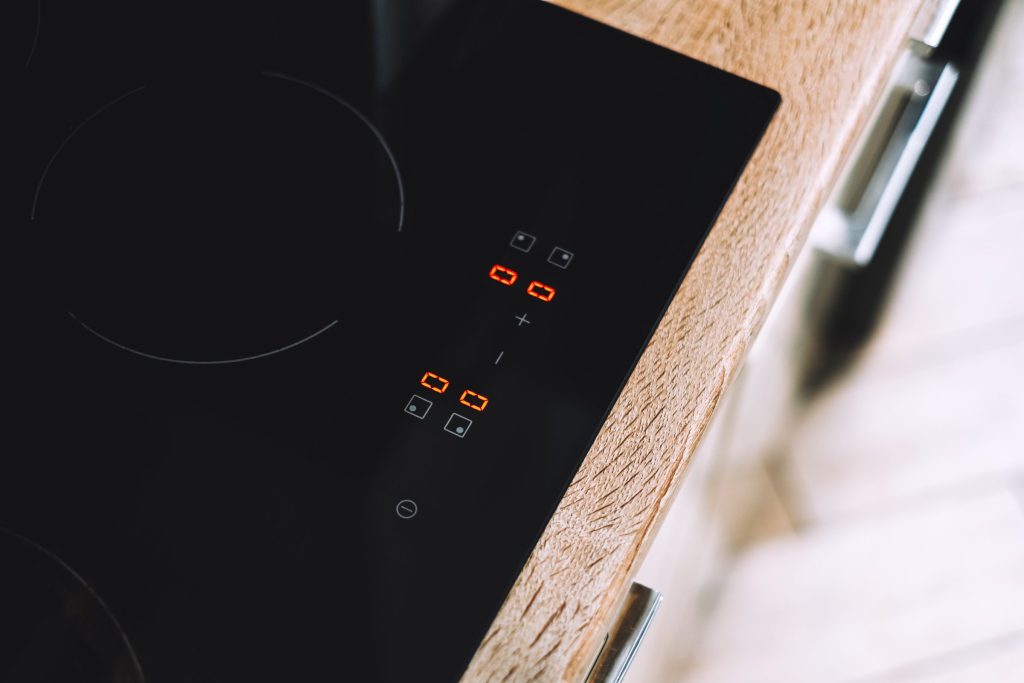
Gas · Electric · Induction · Sealed burner rangetop Cooktops & rangetops
Three different appliances behind one word. A gas cooktop is burners and igniters; an induction cooktop is a power supply under glass with a generator per zone; a sealed burner rangetop is a range's burner deck with no oven under it. What goes wrong, and who can reach it, differs completely between them.
- A zone shutting itself down mid-cook
- The surface not seeing a pan
- Controls locked, or answering a wet cloth
Questions people ask about this
So nothing is broken?
Often nothing is. An induction generator is a power supply sitting a few centimeters under a hot pan, and when it gets too warm it stops that zone rather than damage itself. If an oven is running underneath, both appliances are correct and the installation is what to change.
It only happens on maximum.
That fits — the generator works hardest and runs hottest at full output. It is still worth a look if it is new behavior on an appliance that used to manage it, because the cooling may have degraded.
Can the ventilation be improved?
Sometimes, and it is worth asking. Clearing the drawer immediately underneath, or opening the gap at the back of the cabinet, has settled this in kitchens where a new appliance was being discussed.
It stopped seeing my pan instead.
Different problem with its own page. Induction reads the base of the cookware, and a warped or non-magnetic base is invisible to a cooktop that is working perfectly.
How long is too long before it cuts out?
Ten minutes at high power is a thermal story. Two seconds is not — that is pan detection or a control problem rather than heat.
Common Problems
More guides like this one
-
Converting a Wolf Range to Propane — What Changes, and What Goes Wrong
A conversion is orifices and a regulator, not a setting. Done badly it looks almost right at full output and badly wrong at simmer — which is why a range that has never simmered properly is often a conversion story rather than a repair.
Read more -
Why a Wolf Oven Takes So Long to Preheat — and When That Is Normal
A professional cavity genuinely takes longer than the oven it replaced, and the preheat signal does not mean what most people think. Then the three cases where slow preheating is a real symptom.
Read more -
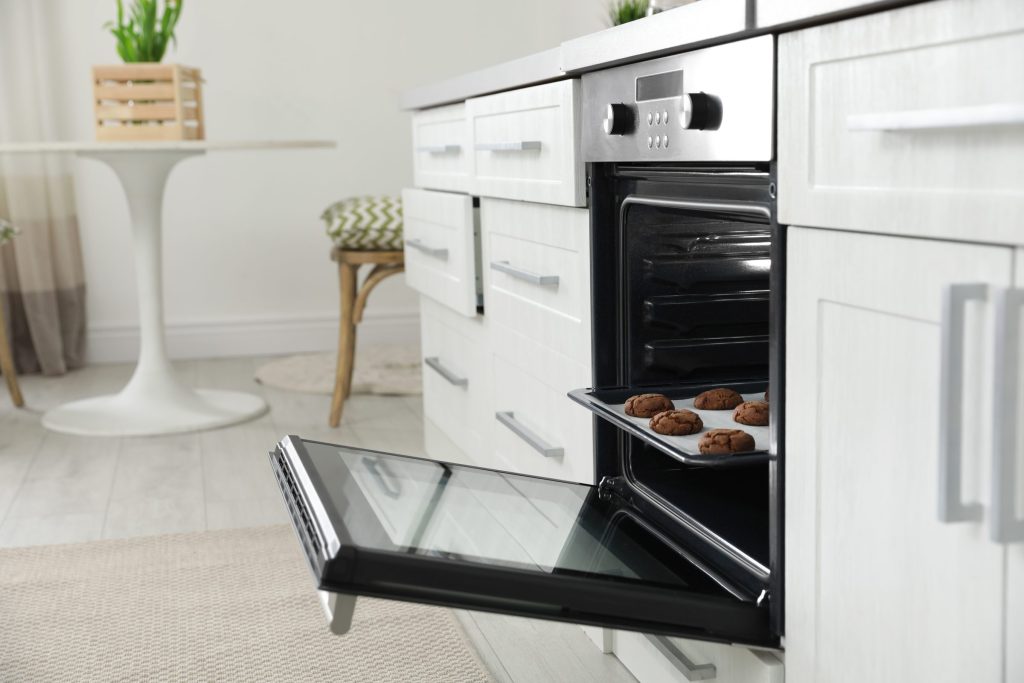
A Wolf Oven Door That Will Not Close Properly — Five Minutes and a Strip of Paper
The paper test, the rack that sits a fraction proud, and the difference between a gasket that has hardened and a hinge that has lost its spring. Written to be done with nothing but a strip of paper.
Read more
Tell us the model number and what it is doing.
This article is based on:
- Official manufacturer documentation
- Internal repair procedures
- Technician repair history
- Company quality standards