Maintenance & Prevention
Replacing the Light in a Wolf Range Hood — And Why All of Them Going Together Is Different
One lamp out on its own is a lamp, and it is a straightforward change: power off at the breaker, let the hood cool, and order the lamp to the model rather than by appearance. Every lamp going out at the same moment is not the lamps — modern hoods run their lights from a single driver, and that is one part and a short visit.
The full guide
One question first
One lamp out, or all of them?
That single observation decides whether this is a part you can buy this afternoon or a visit worth booking, and it costs nothing to make.
- One out, the rest fine. Normal wear. Change it.
- All out together. The driver that runs them, and that is a repair rather than a bulb.
- All out gradually, over months. Lamps, individually, and they were probably all fitted on the same day.
Doing it safely
- Power off at the breaker. Not the hood switch — the breaker. It is directly over a cooking surface and the lamps are wired live.
- Let it cool. These run hot and the housing holds it.
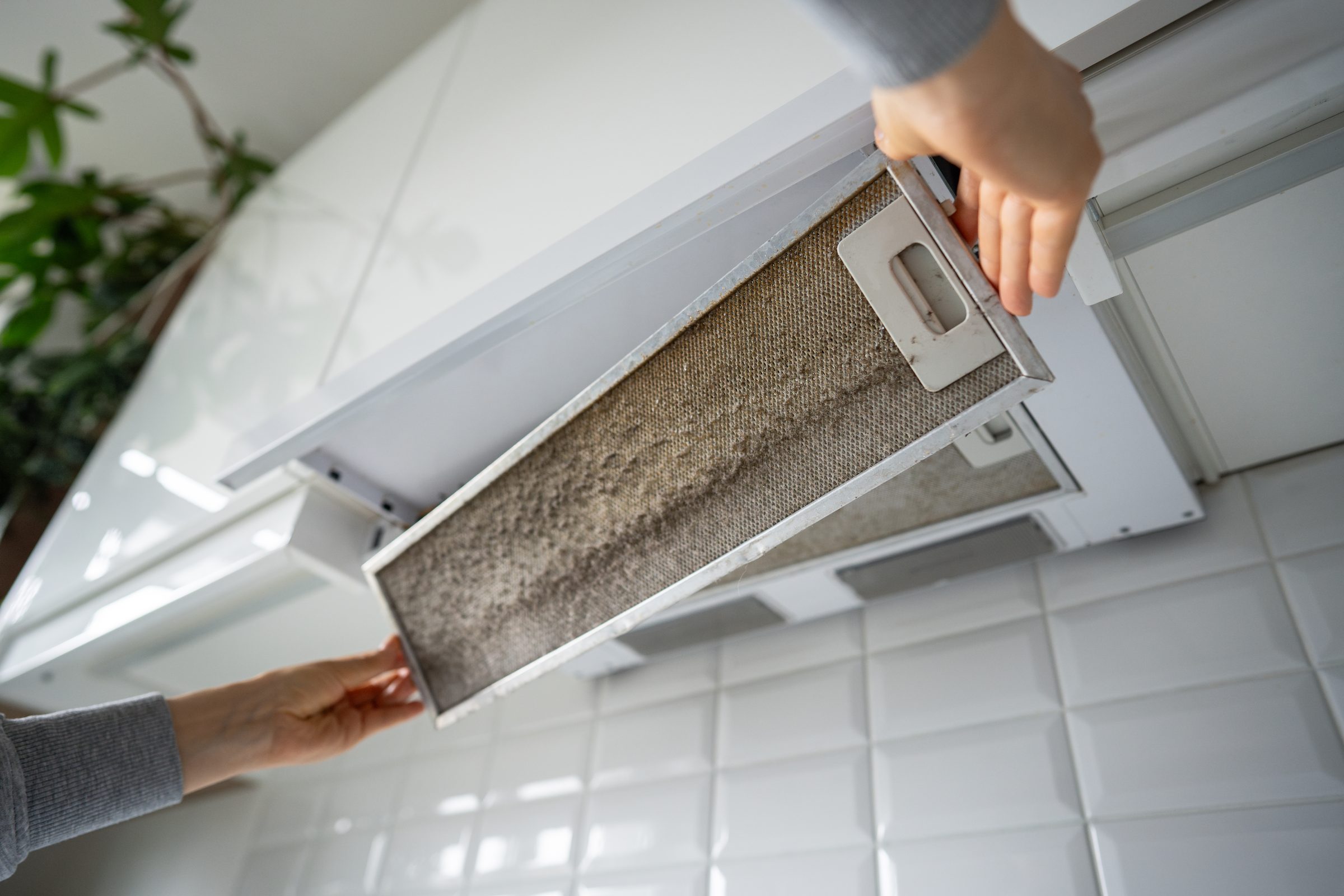
- Filters out. They usually have to come out anyway, and it is the natural moment to put them through the dishwasher.
- Note what is in there before you take it out. A photograph of the lamp in its holder saves ordering the wrong one.
- Handle a halogen capsule with a cloth. Skin oil on the glass makes a hot spot that kills it in days. This is the reason most "faulty new lamps" are not faulty.
Order it to the model
Hood lamps live in a hot housing and they are specified for it. A visually identical lamp from a hardware shop will fit and will not last, which turns a five-minute job into a recurring one.
The model number is inside the canopy, usually behind a filter — the same place you will already be looking.
If the holder is discolored, stop. Scorching around the contacts means the holder is running hot, and it will destroy new lamps as fast as you fit them. That is the repair, not the bulb.
When it is not the lamp at all
Lights that work on one fan setting and not another. The control rather than the lighting.
Lights that flicker under load. A driver or a connection heating up.
Lights out and the fan out. Then the hood has lost power entirely, and it belongs on the hood that is not working.
When to call
Every lamp out at once, a holder that looks scorched, flickering under load, or lights tied to one fan speed.
It is usually the cheapest visit we do, and if it turns out to be a lamp we will tell you the part number and leave you to it.
If it turns out to be a repair
What this leads to, and what it costs
Every job on this site is priced the same way: an on-site diagnostic first, the figure agreed in writing before anybody starts.
-
Cheap, and occasionally not the lamp Range hood lights not working
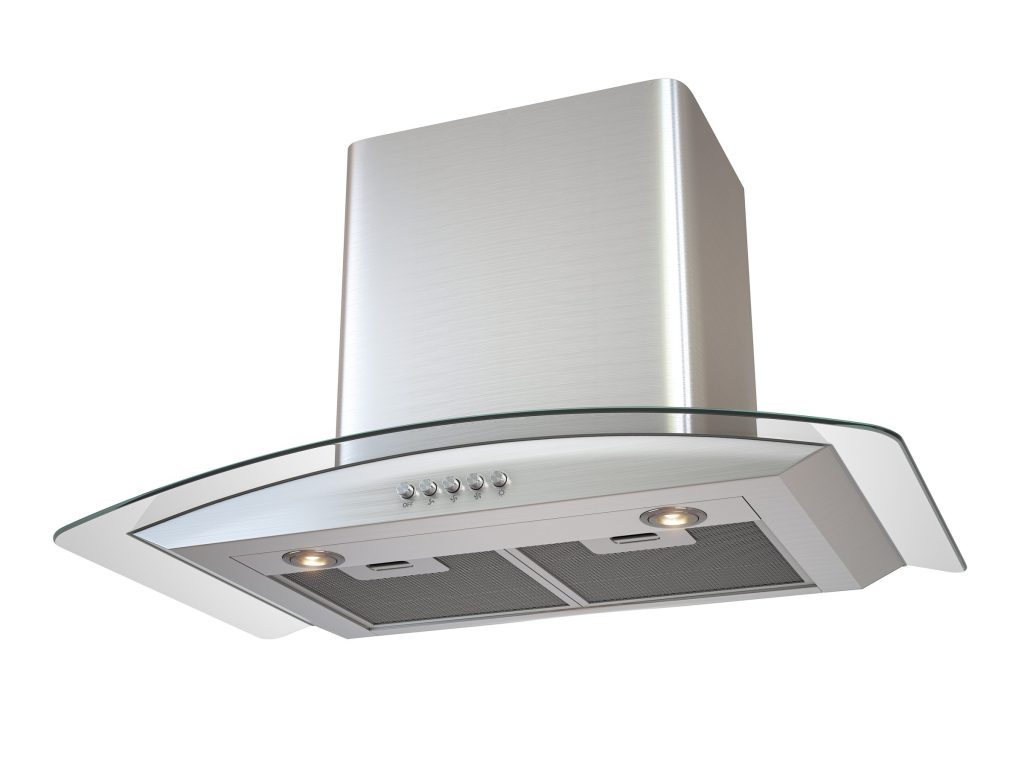
Hood lights that have stopped, flicker, or work on one setting only. Usually the lamps, sometimes the driver behind them, and almost never worth worrying about.
- All lamps out at once
- One lamp out, the rest fine
- Lights flickering or dimming
-
from $155 Range hood repair
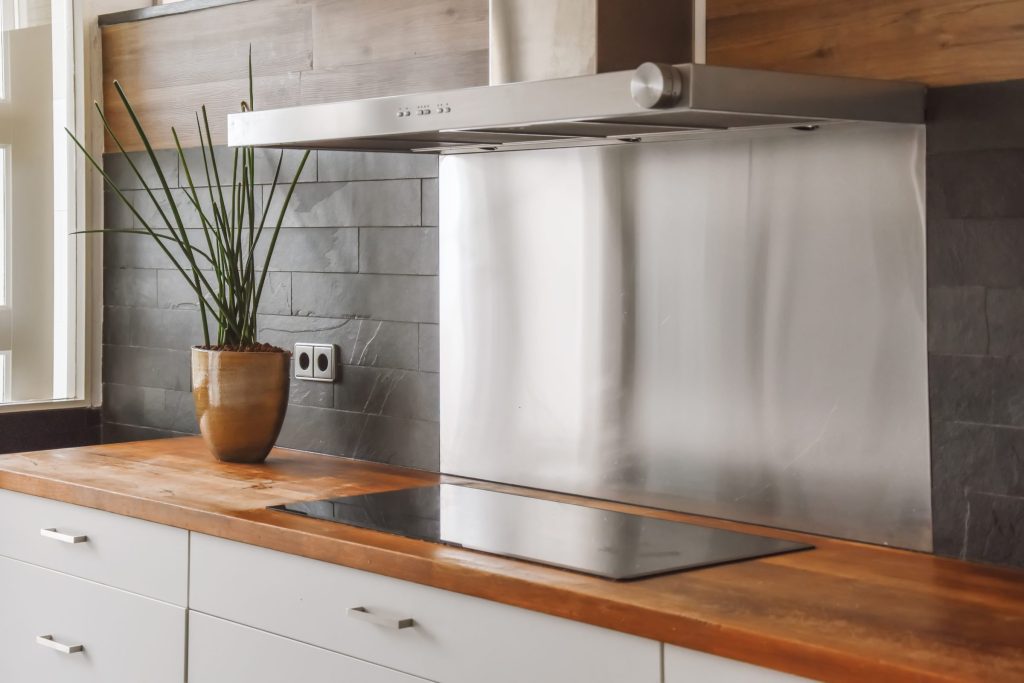
Motor, capacitor, lamps, filters, damper and the ducting behind them. The shortest list of failures on this site and often the cheapest visit — and we would rather say so than pad the page.
- Filters checked first, because they are free
- Remote blowers traced wherever they live
- Damper corrosion, which near the water is common
-
Pro wall · Island · Chimney · Downdraft · Liners Ventilation
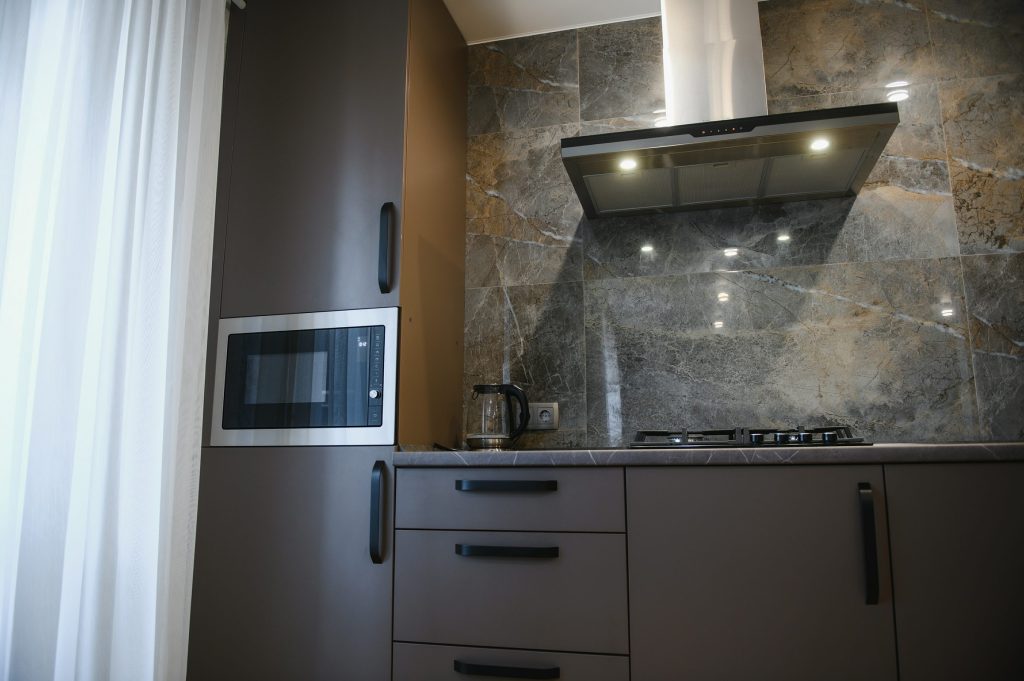
The shortest list of failures on the site and usually the quickest visit: a motor, a light, a damper, a filter and the ducting behind them. What makes it a South Florida job is the salt — a damper that has stopped opening within sight of the water is a repair we see far more of here than the equipment was designed for.
- The fan not starting, or running on one speed
- Lights out while the fan works
- A damper that has corroded shut
Questions people ask about this
Can I change hood lamps myself?
Usually yes, and we would rather tell you how than charge for it. Power off at the breaker, let it cool, and order to the model — these run hot and a generic lamp fails quickly.
They all went out at the same moment.
Then it is not the lamps. Modern hoods run their LEDs from one driver, and when that goes every light goes with it. One part, one short visit.
The new lamp lasted two weeks.
Look at the holder. Discoloration or scorching around the contacts means the holder is running hot, and it kills lamps as fast as you fit them.
They flicker on high fan speed.
Worth looking at rather than living with — usually the driver or a connection heating up. It is inexpensive now and it is the same visit either way.
Do I need to remove the filters?
On most hoods yes, and they should come out anyway. It is the natural moment to put them through the dishwasher.
Maintenance & Prevention
More guides like this one
-
Cleaning a Wolf Oven Without Damaging It — Including the Blue Interior
What the porcelain interior tolerates, what the stainless does not, the parts of the cavity that must never see a cleaner — and the direct answer on caustic sprays such as Easy-Off.
Read more -
How Long a Wolf Self-Clean Cycle Takes — and When Not to Start One
The duration, the cool-down nobody counts, the racks that come out — and the honest warning that this is the hardest test the appliance ever runs.
Read more -
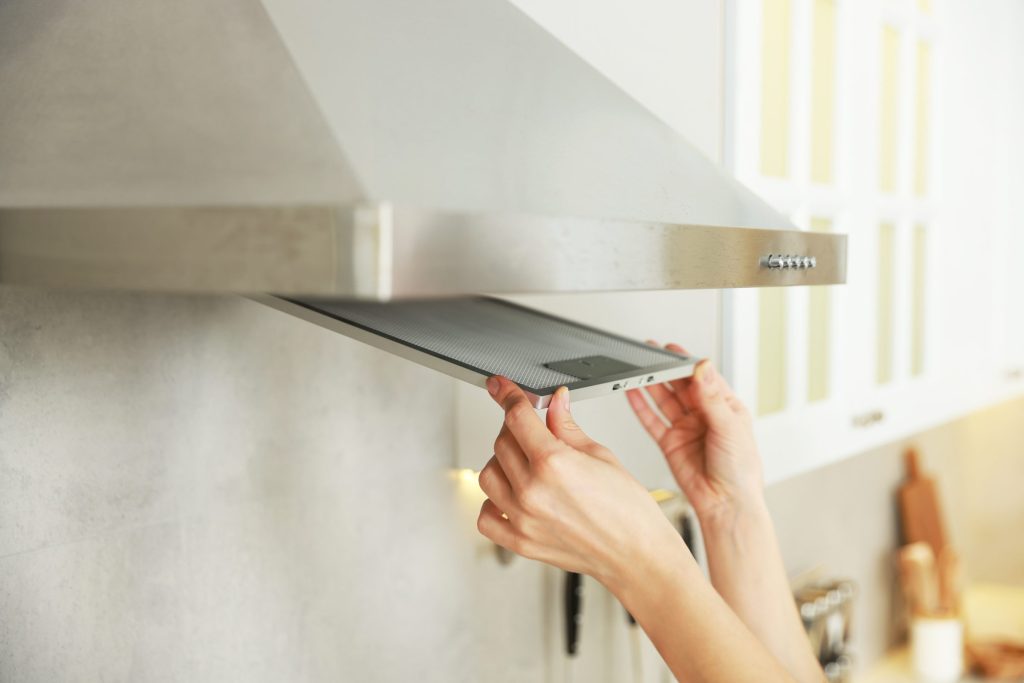
Cleaning Wolf Hood Baffle Filters — Ten Minutes That Fix Most Hood Complaints
They go in the dishwasher. That is the page — and everything else is why a hood pulling through greased filters sounds exactly like a motor on its way out.
Read more
Tell us the model number and what it is doing.
This article is based on:
- Official manufacturer documentation
- Internal repair procedures
- Technician repair history
- Company quality standards