Common Problems
Does Wolf Make Refrigerators? No — and Here Is What Is Actually in Your Kitchen
No. Wolf builds cooking equipment only — ranges, cooktops and rangetops, built-in and steam ovens, warming drawers, ventilation, microwaves, a built-in coffee system and outdoor grills. There is no Wolf refrigerator, freezer, wine storage or ice maker. In kitchens where you find this equipment the refrigeration is usually a Sub-Zero, built by the same parent company under a different name, and it is a different appliance with different parts and different error codes.
The full guide
Does Wolf make refrigerators?
No. This brand makes cooking equipment and stops there:
- ranges — dual fuel, all gas and induction
- cooktops and sealed burner rangetops
- built-in ovens and convection steam ovens
- warming drawers, indoors and out
- ventilation — hoods, liners and downdraft
- microwaves, including the drawer models
- the built-in coffee system
- outdoor gas grills, with their side burners and hoods
There is no refrigerator, no freezer, no wine storage, no ice maker, no dishwasher and no laundry. If the appliance keeps something cold or washes something, it is not this brand, however the kitchen was sold to you.
Why so many people ask
Because the two names live together. They are built by the same parent company, sold through the same dealers, shown in the same showrooms and specified together by the same kitchen designers. A kitchen fitted out that way carries one badge on the cooking and another on the cold, and after ten years nobody remembers which was which.
This is not a trap you fell into. It is how the products are marketed. The useful thing is knowing it before you spend an afternoon looking for a manual that does not exist.
What that means when something breaks
The equipment is genuinely different. Refrigeration is sealed systems, compressors, evaporators and defrost cycles. Cooking is elements, igniters, generators and relays. The diagnostic tools differ, the parts differ, and the error codes have nothing in common — this brand publishes 414 conditions and not one of them is about anything cold.
So the right call differs too. We work on the cooking half, and we would rather say that on a page than discover it on your doorstep.
What this brand does build
The catalog is cooking equipment and ventilation, and it is worth seeing in one place because it explains the shape of everything else on this site:
- Ranges — dual fuel, all gas and induction, from 30 to 60 inches.
- Wall ovens and steam ovens, single and double.
- Cooktops and rangetops — gas, electric and induction — plus modular counter units.
- Ventilation — wall, island, downdraft and the hoods over all of the above.
- Microwaves, including drawer models, and warming drawers.
- A coffee system, and outdoor grills.
No refrigeration of any kind: no refrigerators, no freezers, no wine storage, no ice makers, no undercounter drawers. That is not an oversight in this article — it is the reason the article exists.
Why the confusion is so consistent
Three things put a cooking brand and a refrigeration brand in the same sentence, and all three are real:
- They are frequently specified together. A kitchen designed around professional cooking usually has built-in refrigeration beside it, and the two appear on the same plans, the same quote and the same delivery.
- They look like a set. Matching stainless, matching handles and a coordinated look across a whole run is exactly what a designer is aiming for, and it works.
- Both are sold through the same showrooms, by the same people, on the same day.
So somebody who has never had to distinguish them has no reason to. The distinction only appears when something stops working — and then it decides which parts exist and who has seen one before.
The model number settles it in one look. It is on a plate inside the appliance, and it names the maker unambiguously. Reading it takes ten seconds and saves the wrong company driving out.
Where to look for the model number
If you are trying to work out which appliance is which, the plate settles it:
- A range: behind the kick panel at the bottom, or on the frame under the door.
- A wall oven: behind the door, on the side of the opening.
- A cooktop: underneath the front lip — a phone camera held under the edge finds it.
- A hood: inside the canopy, usually behind a filter.
A photograph of the plate is enough. It names the maker, the model and the generation, and that is all anybody needs to tell you who to call.
What we do
The seven appliance types we repair, what each job involves and what it starts at. If the thing that has stopped is the cold half of your kitchen, we will say so straight away rather than book a visit for it.
If it turns out to be a repair
What this leads to, and what it costs
Every job on this site is priced the same way: an on-site diagnostic first, the figure agreed in writing before anybody starts.
-
Dual fuel · Gas · Induction · 30" 36" 48" 60" Ranges
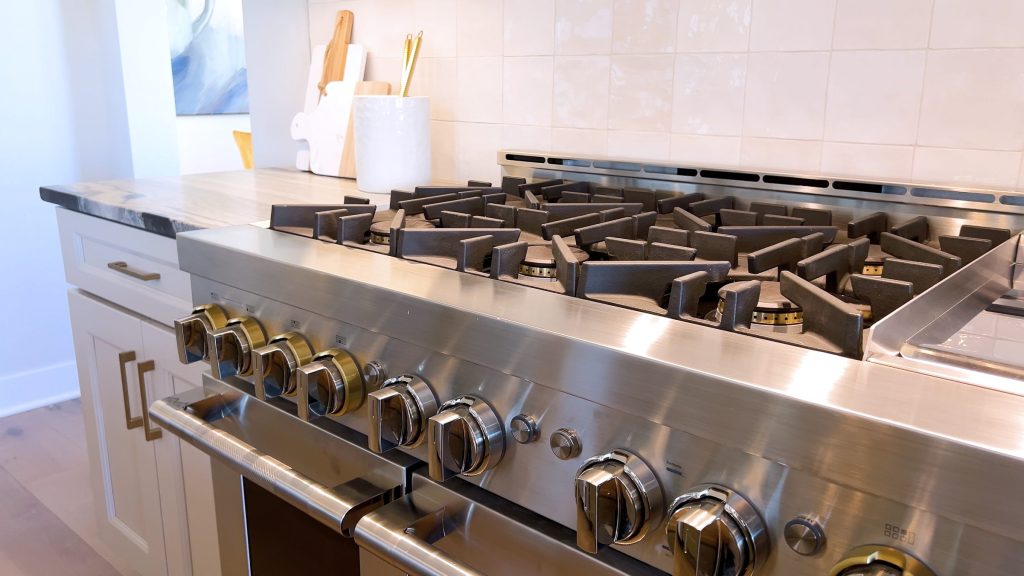
The appliance the brand is built around, and on a dual fuel range it is two appliances sharing one cabinet: gas burners on top, an electric oven underneath, one control answering for both. Which half is misbehaving is the first question, because the two have almost nothing in common inside.
- A burner that clicks and never lights
- The oven not reaching or holding temperature
- A four-character code on the panel after a power cut
-
M Series · E Series · L Series · Convection steam · Warming drawer Built-in ovens & steam ovens
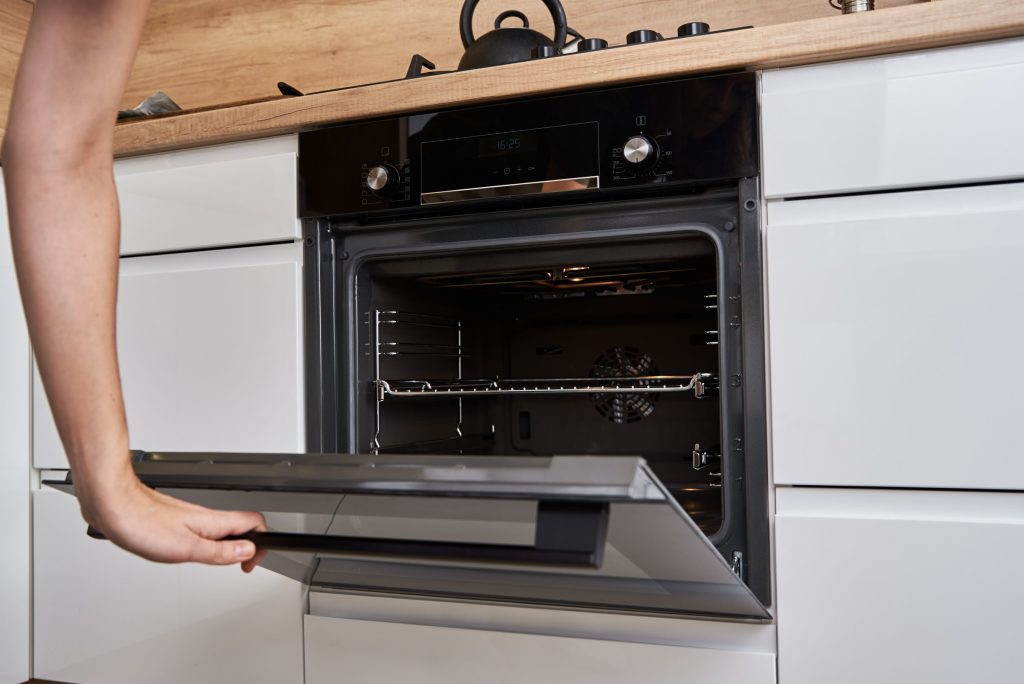
Built-in ovens, single and double, the convection steam oven — a different machine with a boiler, a tank and a vent valve in it — and the warming drawer that sits under or beside them. Between them they account for more than half of every error code this brand publishes, and the codes are decoded on this site rather than left as characters on a display.
- The door still locked after a self-clean
- Temperature drifting, or never arriving
- A steam oven asking to be descaled
-
Gas · Electric · Induction · Drop-in Cooktops
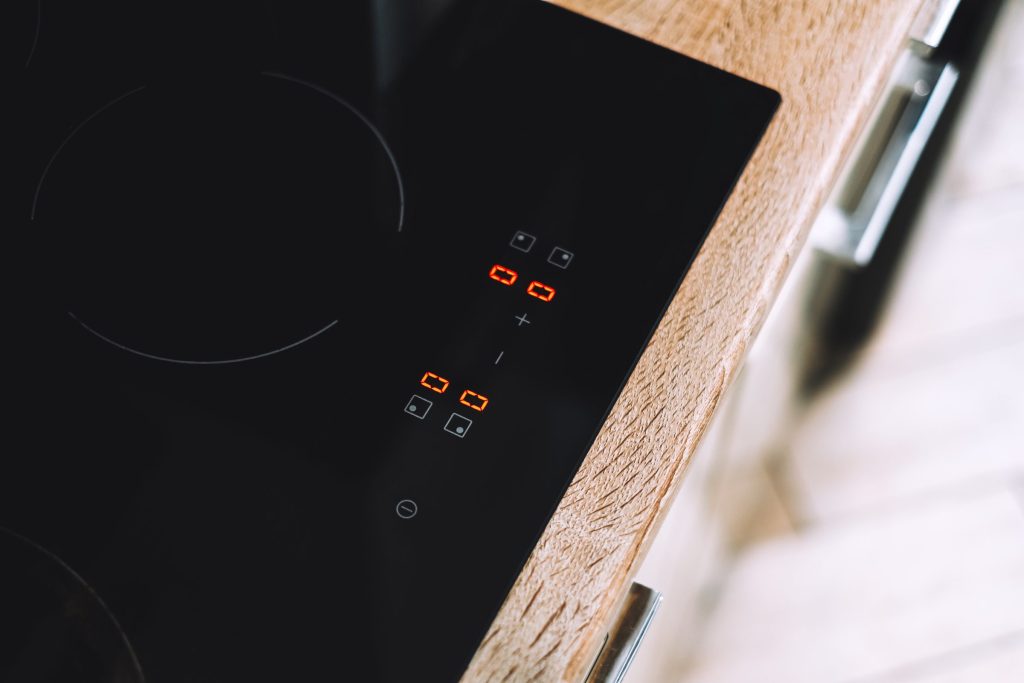
Two different appliances behind one word. A gas cooktop is burners and igniters; an induction cooktop is a power supply under glass with a generator per zone. What goes wrong, and who can reach it, differs completely between them — and if what you own is a burner deck with a control panel on its front face, that is a rangetop and it has a page of its own.
- A zone shutting itself down mid-cook
- The surface not seeing a pan
- Controls locked, or answering a wet cloth
-
from $95 Diagnostic visit
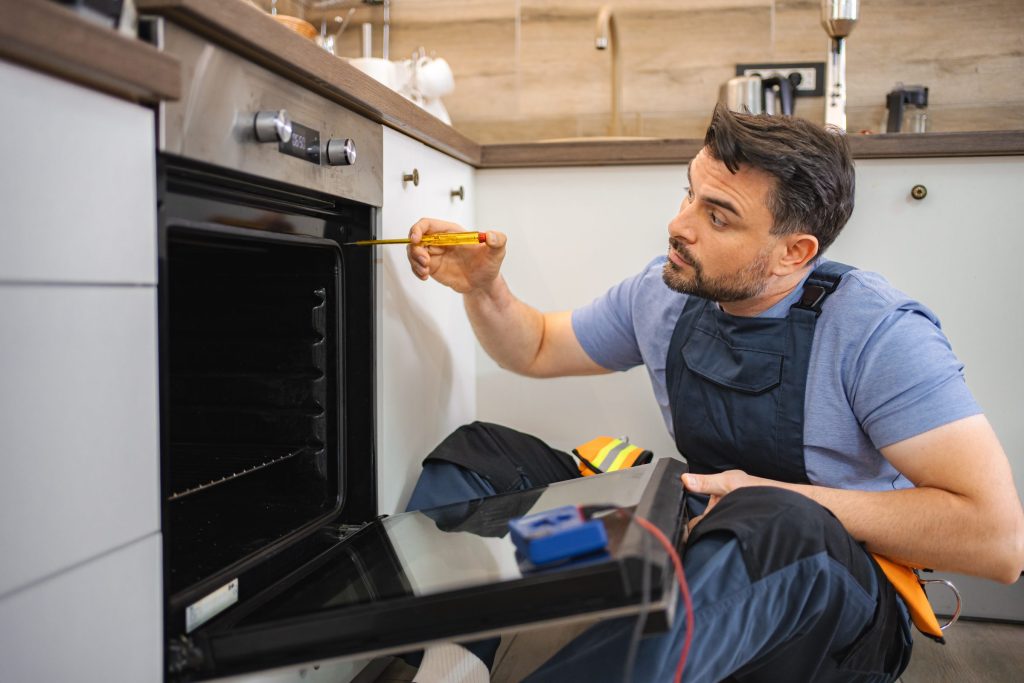
Somebody who works on this equipment every week, in front of your appliance, telling you what is wrong and what it costs to put right. Credited against the repair if you go ahead.
- Codes read out of the control, not guessed at
- A written figure before any work starts
- Credited to the repair when you go ahead
Questions people ask about this
But I have seen the two names together everywhere.
You have, and that is not your mistake. They are sold together, shown together and built by the same company, so a kitchen specified in one showroom carries both badges. They are still two different appliance companies inside.
So who repairs my refrigerator?
Somebody who works on that make. It is genuinely different equipment — sealed systems, compressors, evaporators, an entirely separate set of error codes — and a company that works on ranges all week is not automatically the right call.
Do you at least look at it while you are here?
We will tell you what we can see, and we will not pretend to more than that. Taking the booking and hoping is how somebody ends up paying for a wasted visit.
Is there a Wolf wine cooler or ice maker?
No. Both exist in the group, under the other name. If the appliance keeps something cold, it is not this brand.
What about the warming drawer, the coffee system and the outdoor grill?
All three are genuinely Wolf and we repair all three. The warming drawer and the coffee system publish error codes of their own and every one of them is decoded on this site; the grills publish none at all, which is the maker's choice rather than a gap on our side. None of them keeps anything cold, which is the point of this page.
Common Problems
More guides like this one
-
Converting a Wolf Range to Propane — What Changes, and What Goes Wrong
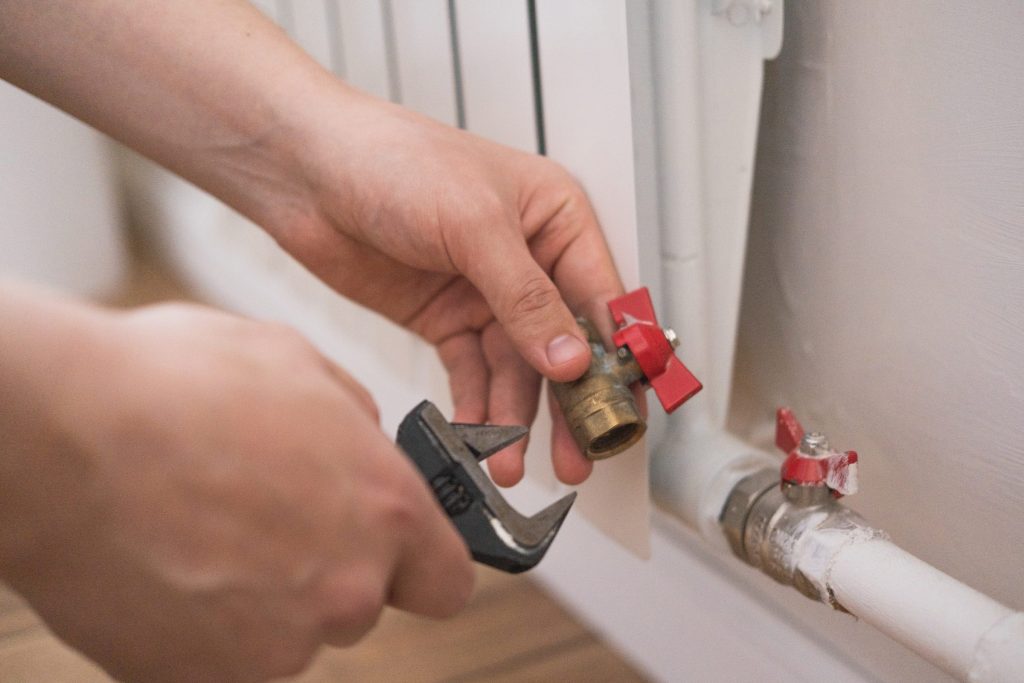
A conversion is orifices and a regulator, not a setting. Done badly it looks almost right at full output and badly wrong at simmer — which is why a range that has never simmered properly is often a conversion story rather than a repair.
Read more -
A Wolf Oven That Switches Itself Off — Three Causes That Look Identical
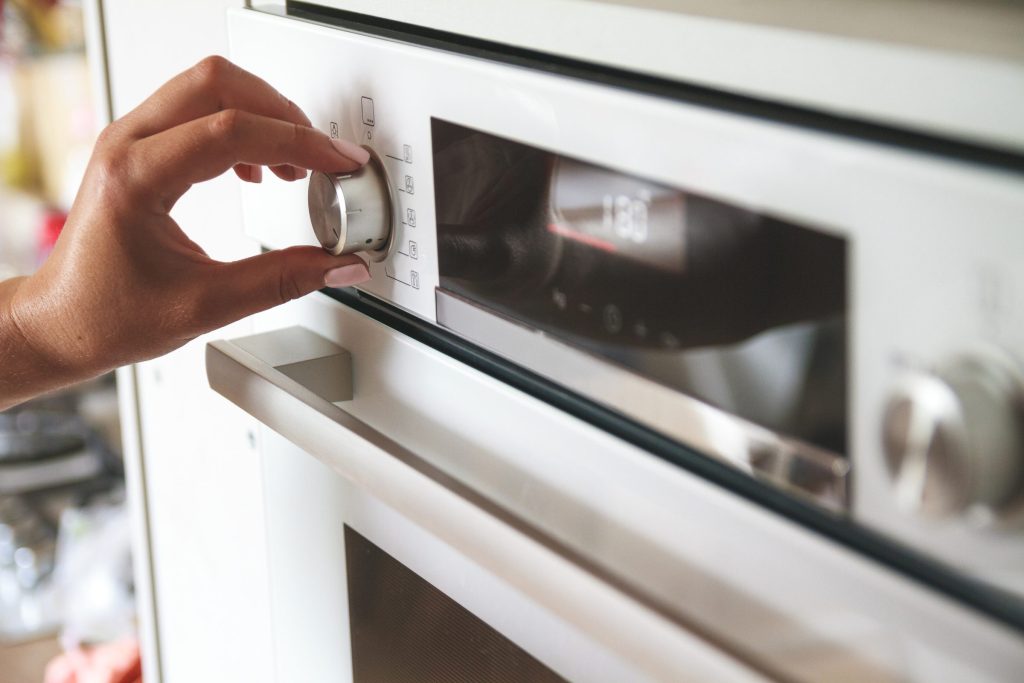
A setting nobody remembers enabling, a protection doing its job, and a genuine board problem all produce the same complaint. Sorting them in the kitchen, before booking anybody.
Read more -
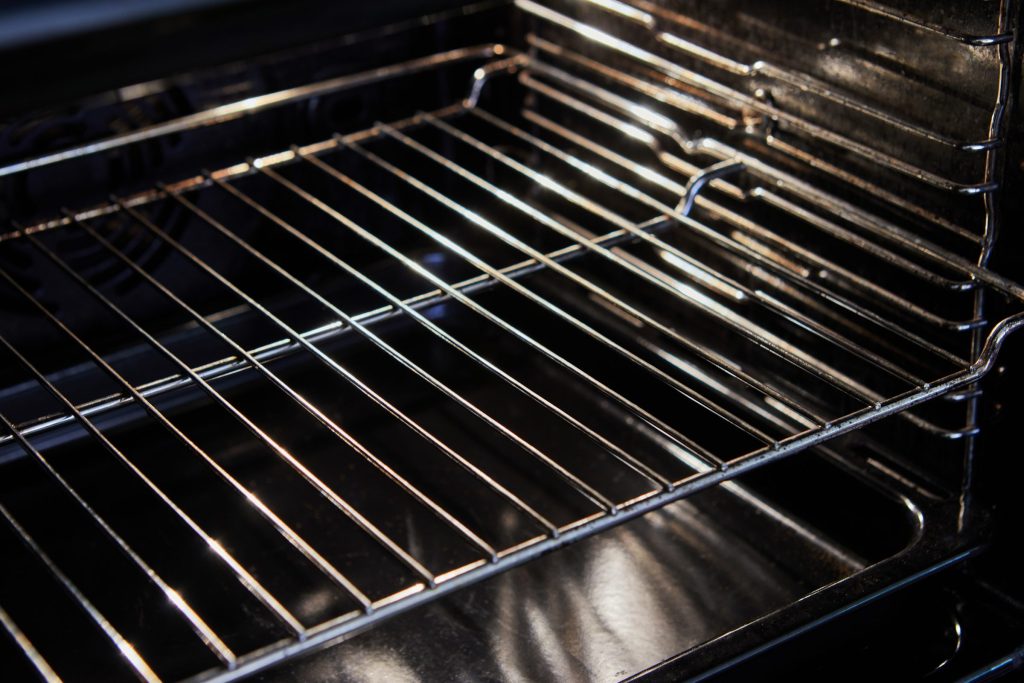
Why a Wolf Oven Takes So Long to Preheat — and When That Is Normal
A professional cavity genuinely takes longer than the oven it replaced, and the preheat signal does not mean what most people think. Then the three cases where slow preheating is a real symptom.
Read more
Tell us the model number and what it is doing.
This article is based on:
- Official manufacturer documentation
- Internal repair procedures
- Technician repair history
- Company quality standards
 English