Maintenance & Prevention
Descaling a Wolf Steam Oven in South Florida Water
Run the descaling cycle with the agent the manufacturer names, as soon as the reminder appears rather than at a fixed interval — the appliance counts cycles against how hard your water is, and Miami water gets there faster than the manual assumes. Do not use vinegar: it foams in the boiler housing, and foam after descaling is a published error condition on this equipment.
The full guide
How to reset Wolf steam oven: why this appliance is different
Nothing else this brand builds boils water. A convection steam oven has a boiler, a tank, a fill valve, a drain pump and level sensing, and every one of them lives in whatever comes out of a South Florida tap.
Ninety-odd of the error codes on this site belong to that one machine, and a large share of them are about what hard water leaves behind.
The reminder is a measurement
It is not a nag on a timer. The appliance counts cycles against the hardness it is seeing, and it asks when the boiler needs attention. Two things follow:
- Descale when it asks, not on a calendar you invented.
- If it is asking sooner each time, that is your water rather than a problem. A filtered supply changes the interval noticeably.
Vinegar, and why not
This is worth being specific about. Among the conditions this manufacturer publishes for the steam oven are foam in the boiler housing, especially after descaling and foam in the boiler housing caused by an unsuitable descaling agent.
A maker does not write that down unless enough owners have tried it. Vinegar and improvised household acids foam, the foam interferes with the level sensing, and the appliance then reports a series of conditions that look like a hardware problem and are not.
Use the agent the manual names. It is a small purchase against the alternative.
The alternative, concretely. A descale is at the cheap end of this site. A boiler assembly is at the expensive end. This maker publishes four separate conditions that all say the boiler is scaled up — E67, E68, E69 and E70 — which is four times more attention than it gives most things that go wrong, and a fair indication of how often it happens.
The codes a descale goes wrong with
The cycle itself has published ways to fail, and all of them are worth recognizing because none of them is a broken appliance:
- No descaling solution added during descaling — the cycle was run with plain water. It is published as its own condition, which tells you how many people have done it.
- Insufficient water for rinsing, published twice. The rinse phase needs a full tank of its own, and stopping to refill halfway is how a descale ends in a message rather than a clean boiler.
- The drain pump moving too little water and an evaporator that will not drain — these two are the ones that mean the descale was left too late, and the pump is now working through what the boiler shed.
- A water tank valve that is not tight — the tank, not the machine. Seat it properly and run it again.
If a descale ends in one of the first three, run it again correctly before anybody is called. If it ends in one of the drain conditions twice, stop and book the visit: the cycle is no longer able to clear what is in there.
Where the water actually goes, and what it costs when it stops
The water side of this appliance is a loop rather than a tank, and knowing the order explains why a late descale gets expensive:
- The tank you fill, with its lid and its seal — the only part you touch.
- The fill valve, which meters water into the boiler and is the first thing scale narrows.
- The boiler itself, where the element sits in whatever the water left behind.
- Level sensing, which is why foam matters: the appliance is reading a surface it can no longer trust.
- The drain pump and the evaporator, which have to clear the cavity between cycles.
Scale does not stop the appliance at step three. It slows the fill, confuses the level reading and loads the pump, and the codes arrive from all over the loop — which is why a steam oven that "keeps throwing different errors" is usually one problem that has been ignored for a while.
What a proper service covers that a cycle does not
- The tank, its lid and its seal.
- The fill screen, which collects what the water carries.
- The drain path and the pump that has to clear the cavity.
- The vent slide, which gums up with grease and then reads as half a dozen unrelated errors.
That is the difference between running the cycle yourself — which is worth doing — and a service visit.
Small habits that matter here
Empty the tank after use. Standing water in a warm kitchen is not doing the seals any favors.
Wipe the cavity while it is warm. A steam cavity is easy to clean at the right moment and tedious at the wrong one.
Note anything about the water. If the reminder interval has changed, or a water softener has been serviced, that is useful information rather than trivia.
When to call
An oven that will not steam, that leaves water behind, that leaks when it is not in use, or that has not been descaled in years. What the symptoms usually mean, and what the water-side repairs involve.
If it turns out to be a repair
What this leads to, and what it costs
Every job on this site is priced the same way: an on-site diagnostic first, the figure agreed in writing before anybody starts.
-
Scale, first and usually Steam oven not making steam
A convection steam oven that heats but never steams, or that stops part-way through a cycle. In South Florida water the first suspect is scale, and the appliance has probably been saying so for months.
- Heats but never steams
- A descaling reminder that has been ignored
- A boiler or water level condition on screen
-
In, out, or where it should not be Steam oven leaking or holding water
Water standing in the cavity after a cycle, dripping from the door, or appearing under the appliance. Three different problems with one symptom, and separating them is most of the job.
- Water left in the cavity after a cycle
- A drip from the door or below the unit
- A drain or level condition on the display
-
from $185 Steam oven descaling & service
The single best money spent on a convection steam oven in South Florida. Our water is hard, this appliance boils it several times a week, and the descaling schedule in the manual was not written for Miami.
- The maker's own agent, not vinegar
- Tank, fill screen and drain path cleaned
- Vent slide freed while it is open
-
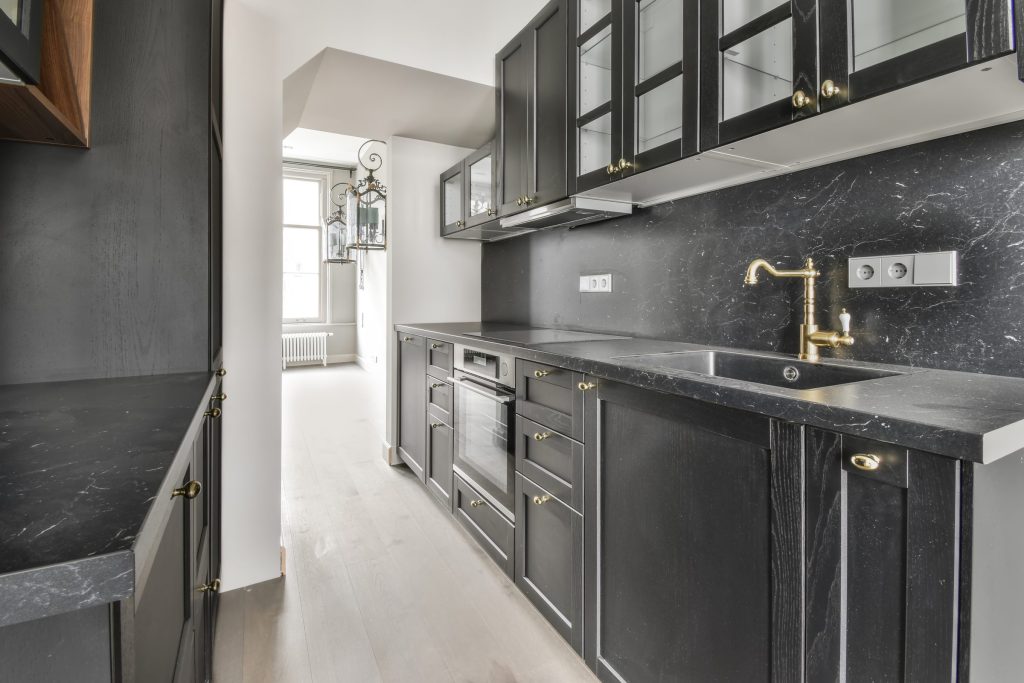
from $395 Steam oven boiler & water repair
When descaling is no longer the answer: a boiler that will not heat, a tank that leaks, a fill valve that will not seat, a drain that will not clear. Ninety-four of this site's error codes belong to this one machine.
- Boiler, tank, fill valve, drain pump and sensing
- Codes decoded individually, not lumped together
- Leaks traced before anything is replaced
Questions people ask about this
How often in Miami, really?
More often than the book assumes, and the appliance keeps count for you. If the reminder arrives sooner each time, that is water hardness rather than a defective reminder. A filtered supply changes the arithmetic considerably.
Can I use vinegar?
Please do not. Vinegar and improvised agents foam in the boiler housing, and this maker publishes foam after descaling as an error condition in its own right — which means enough people have tried it for the manufacturer to write it down.
I have ignored the reminder for a year.
Descale it now. There are two separate published conditions for a scaled boiler and a very scaled boiler, and the repair at the end of that road is the most expensive thing on this site after cooktop glass.
Does the tank need anything?
Empty it after use rather than leaving water standing, and check the seal and the lid occasionally. A tank that leaks puts water under the appliance rather than in the cavity, which is a much easier diagnosis if you know to look.
Can I descale it myself?
Yes, and we would rather you did than not. What a service visit adds is the tank, the fill screens, the drain path and the vent slide — the parts the cycle does not reach.
Maintenance & Prevention
More guides like this one
-
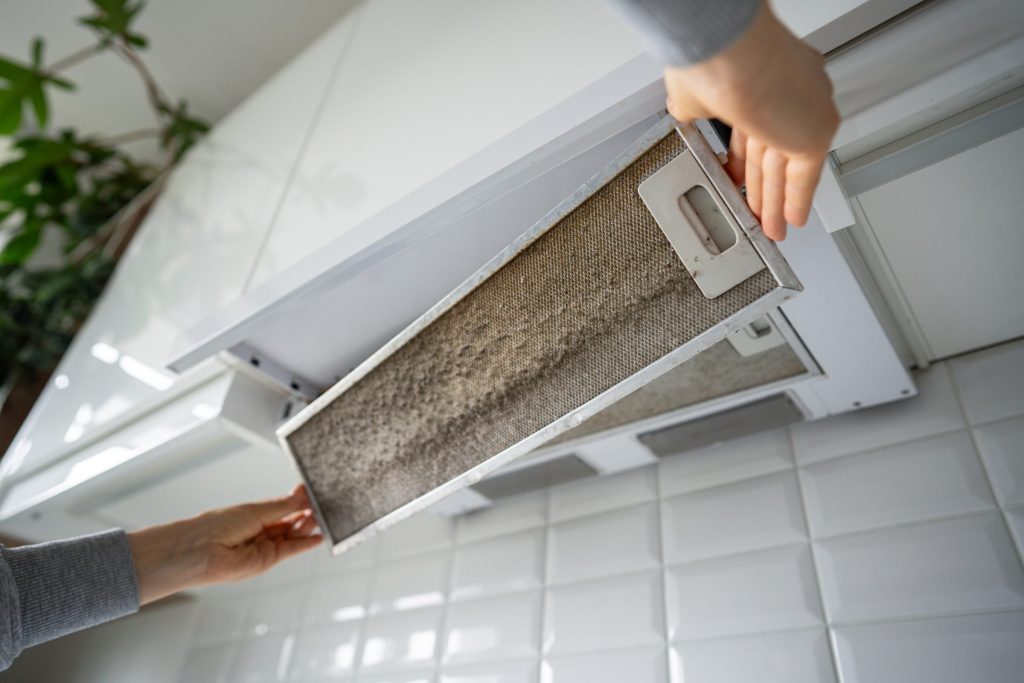
Replacing the Light in a Wolf Range Hood — And Why All of Them Going Together Is Different
A genuine do-it-yourself page. One lamp out is a lamp; all of them out at once is the driver behind them, and knowing which before you buy anything saves a wasted trip.
Read more -
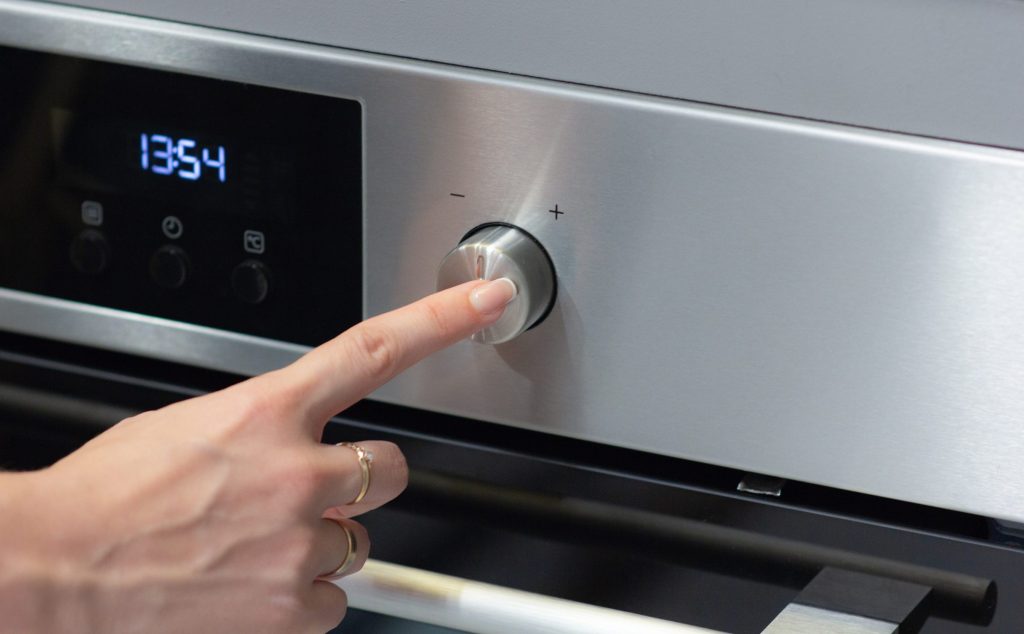
How Long a Wolf Self-Clean Cycle Takes — and When Not to Start One
The duration, the cool-down nobody counts, the racks that come out — and the honest warning that this is the hardest test the appliance ever runs.
Read more -
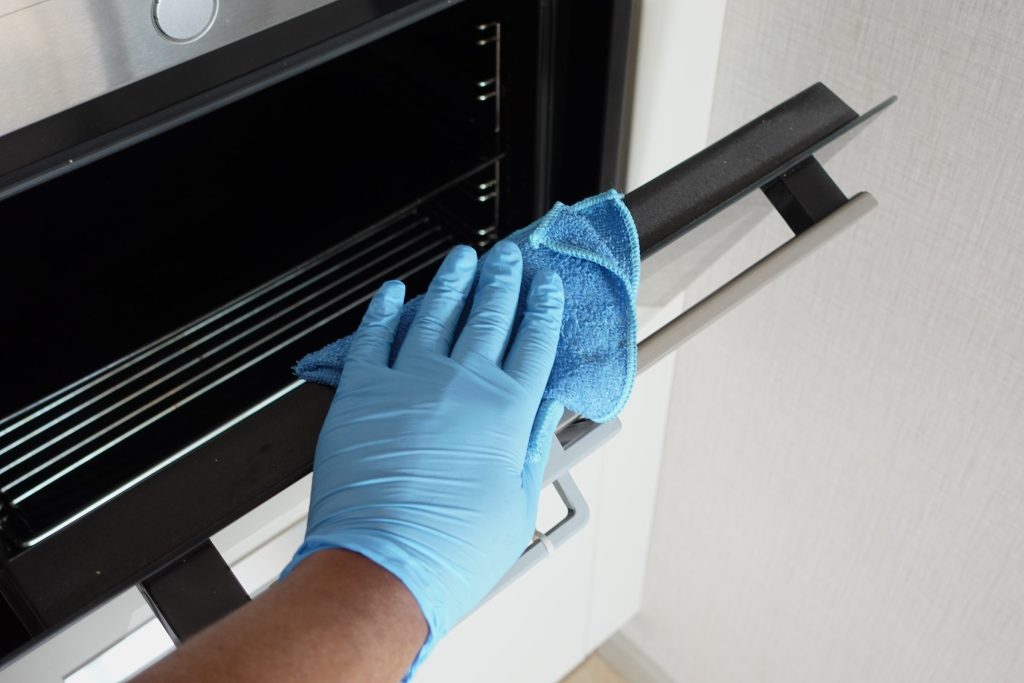
Cleaning a Wolf Oven Without Damaging It — Including the Blue Interior
What the porcelain interior tolerates, what the stainless does not, the parts of the cavity that must never see a cleaner — and the direct answer on caustic sprays such as Easy-Off.
Read more
Tell us the model number and what it is doing.
This article is based on:
- Official manufacturer documentation
- Internal repair procedures
- Technician repair history
- Company quality standards
 English