Maintenance & Prevention
Cleaning Wolf Hood Baffle Filters — Ten Minutes That Fix Most Hood Complaints
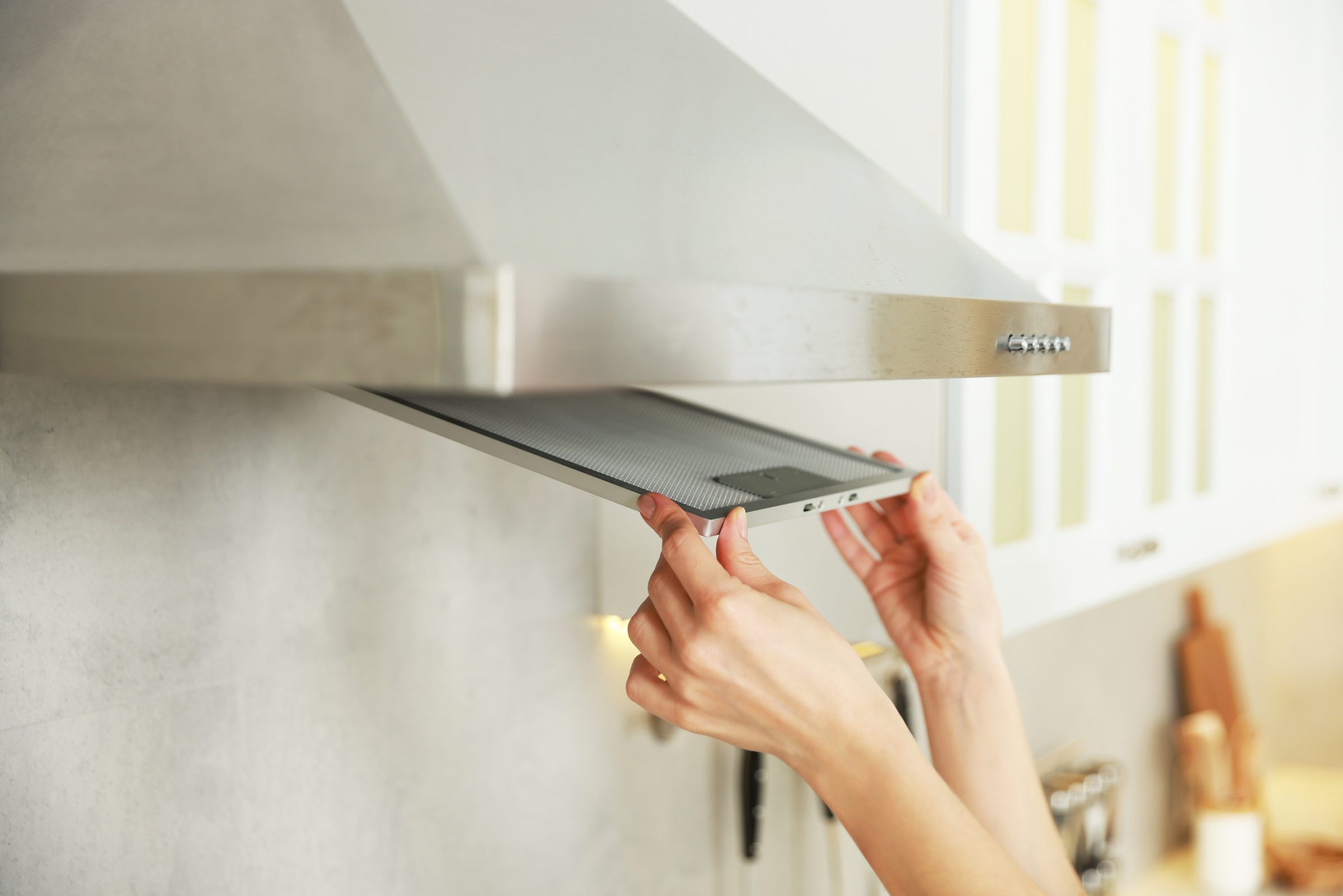
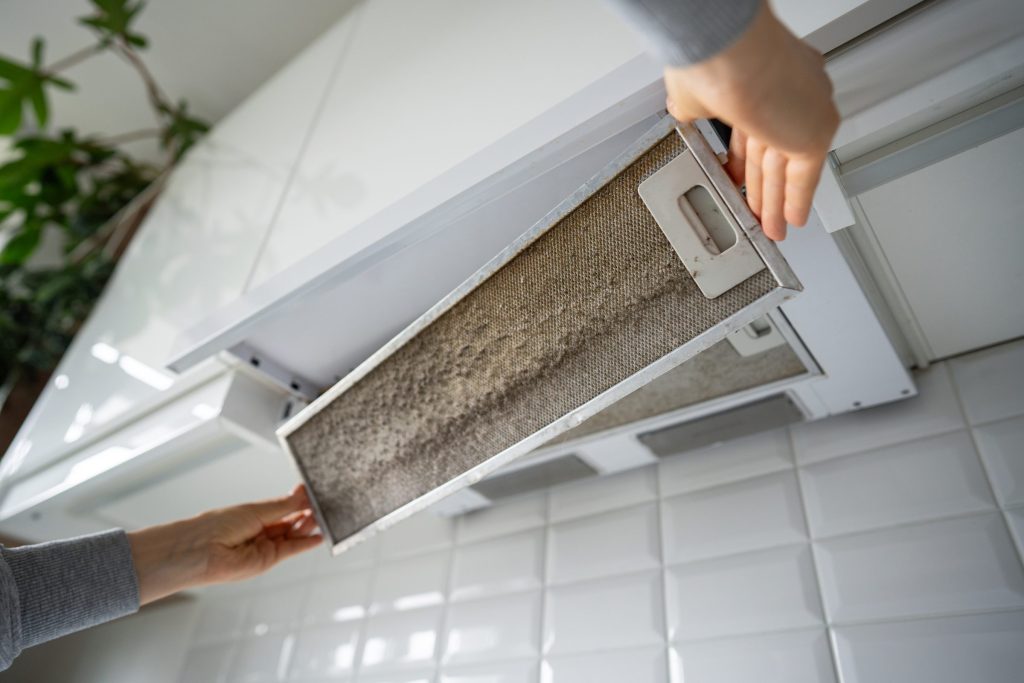
Baffle filters go through a dishwasher on the hottest cycle, monthly in a kitchen that really cooks. A hood pulling through greased filters moves far less air while working harder, which sounds and feels exactly like a motor on its way out — so clean filters before concluding anything about the fan. Mesh filters are the same job; charcoal filters on a recirculating hood are replaced rather than washed.
The full guide
The whole method
- Switch the hood off and let it cool.
- Release the filters — most slide back and drop down.
- Put them in the dishwasher on their own, hottest cycle, no delicate setting.
- Let them drain and dry completely before they go back.
- Put them back the right way round; baffles have a direction and it is marked.
That is it. There is no product to buy and no trick, and it is the single highest-value ten minutes anybody spends on a hood.
Why it matters more than it sounds
A baffle filter works by making the air change direction sharply so grease throws out of it. When the baffles are coated, two things happen at once: less air gets through, and the fan works harder for what does.
The result sounds exactly like a motor on its way out — louder, straining, and moving noticeably less air. We have been called out to failing hood motors that turned out to be six months of cooking.
Clean filters first, always. Not because we think you have neglected it, but because it is the only way to make the next conclusion trustworthy. A hood that is still loud with clean filters has a real problem.
How often, honestly
Monthly in a kitchen that uses this equipment the way it was meant to be used. If a filter drips when you tilt it, you are well past due.
A hood over a professional range with a griddle collects more grease than one over a mainstream cooktop, and it collects it faster. That is not a defect — it is the hood doing its job.
The one that is not washed
A recirculating hood — one that filters and returns the air rather than ducting outside — has a charcoal filter behind the metal one. It is replaced rather than cleaned, on a schedule, and a saturated charcoal filter does nothing at all while looking perfectly normal.
What cleaning will not fix
A damper that has corroded shut. Near the water this is common, and it gives you a hood that sounds healthy and moves no air. Worth checking once a year here regardless.
A blower wheel out of balance, or bearings going. Noise that survives clean filters.
A remote blower that has stopped. On these installations the motor may be in a roof space or on an outside wall rather than over the cooktop.
If it turns out to be a repair
What this leads to, and what it costs
Every job on this site is priced the same way: an on-site diagnostic first, the figure agreed in writing before anybody starts.
-

Filters first, and they are free Range hood not working
A hood that will not start, runs on one speed, or moves nothing while sounding perfectly healthy. The list of things that go wrong here is short, and the first one costs nothing.
- Lights work, fan does nothing
- Only one speed available
- Running, but pulling nothing
-
from $155 Range hood repair
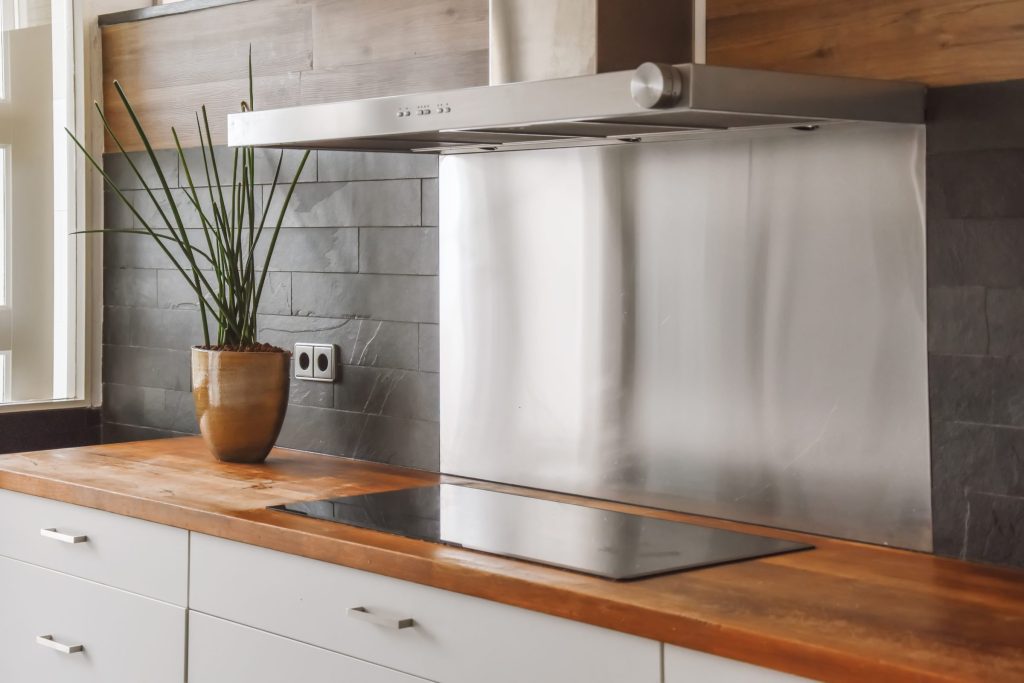
Motor, capacitor, lamps, filters, damper and the ducting behind them. The shortest list of failures on this site and often the cheapest visit — and we would rather say so than pad the page.
- Filters checked first, because they are free
- Remote blowers traced wherever they live
- Damper corrosion, which near the water is common
-
from $155 Cooking equipment maintenance
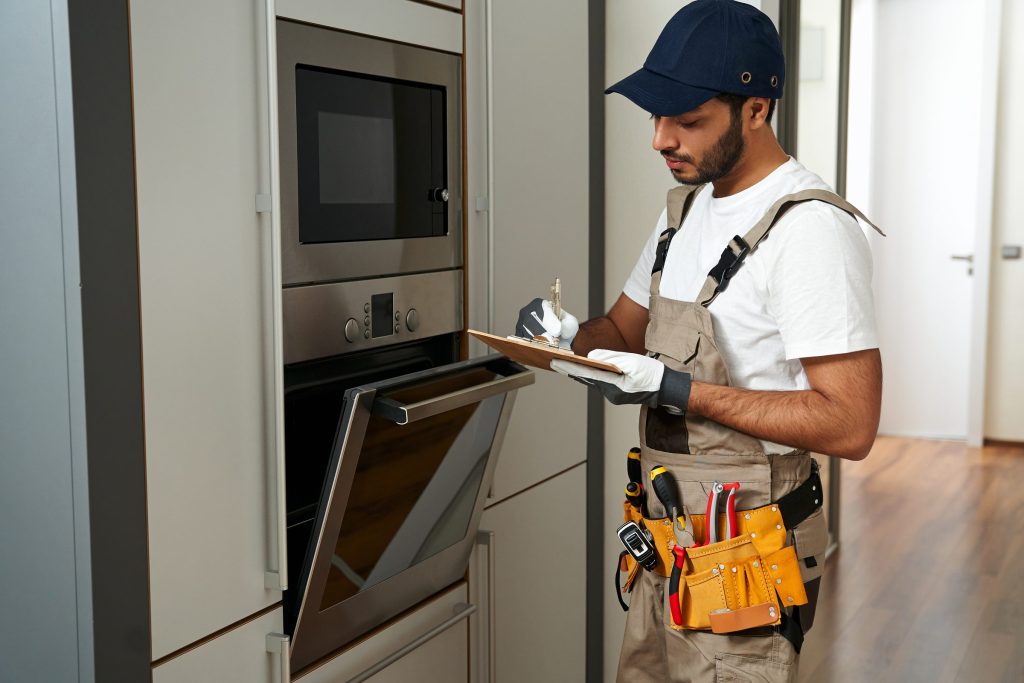
A scheduled visit for equipment that is working. Burners and igniters, door seals, hood filters and damper, steam oven descaling, fans and vents — the things that are cheap now and expensive later.
- Descaling before a boiler needs replacing
- Seals and hinges set before a door drops
- Fans, vents and clearances actually checked
-
Pro wall · Island · Chimney · Downdraft · Liners Ventilation
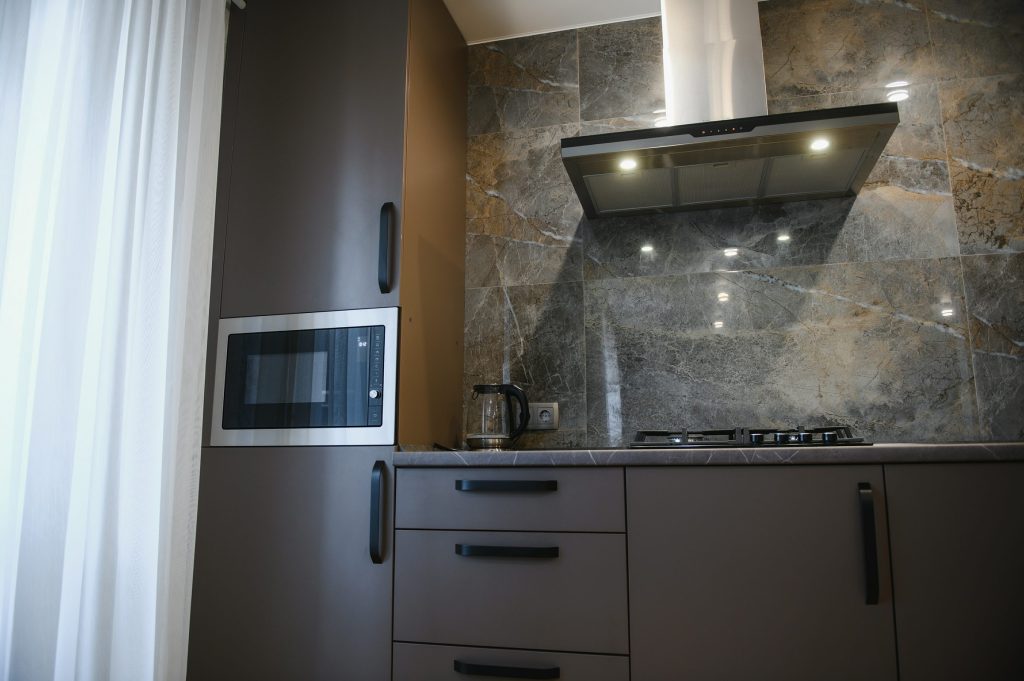
The shortest list of failures on the site and usually the quickest visit: a motor, a light, a damper, a filter and the ducting behind them. What makes it a South Florida job is the salt — a damper that has stopped opening within sight of the water is a repair we see far more of here than the equipment was designed for.
- The fan not starting, or running on one speed
- Lights out while the fan works
- A damper that has corroded shut
Questions people ask about this
Will the dishwasher damage them?
Stainless baffles, no. Run them on their own on the hottest cycle — they take up the whole machine and they will make a mess of anything else in there. Aluminum mesh filters can dull slightly over time, which is cosmetic.
How often, really?
Monthly in a kitchen that cooks properly on this equipment. If a filter drips when you tilt it, you are well past due.
Mine is a recirculating hood.
Then there is a charcoal filter behind the metal one, and that is replaced rather than washed — on a schedule, because a saturated one does nothing at all.
It is still loud after cleaning them.
Then it is the blower wheel out of balance or the bearings going, and that is a repair. Cleaning the filters is what makes that conclusion trustworthy.
It sounds fine but the kitchen still fills with smoke.
Look at the damper and the ducting rather than the fan. A damper corroded shut gives you a hood making all the right noises and moving no air, and near the water that is common.
Maintenance & Prevention
More guides like this one
-
Replacing the Light in a Wolf Range Hood — And Why All of Them Going Together Is Different
A genuine do-it-yourself page. One lamp out is a lamp; all of them out at once is the driver behind them, and knowing which before you buy anything saves a wasted trip.
Read more -
Cleaning a Wolf Oven Without Damaging It — Including the Blue Interior
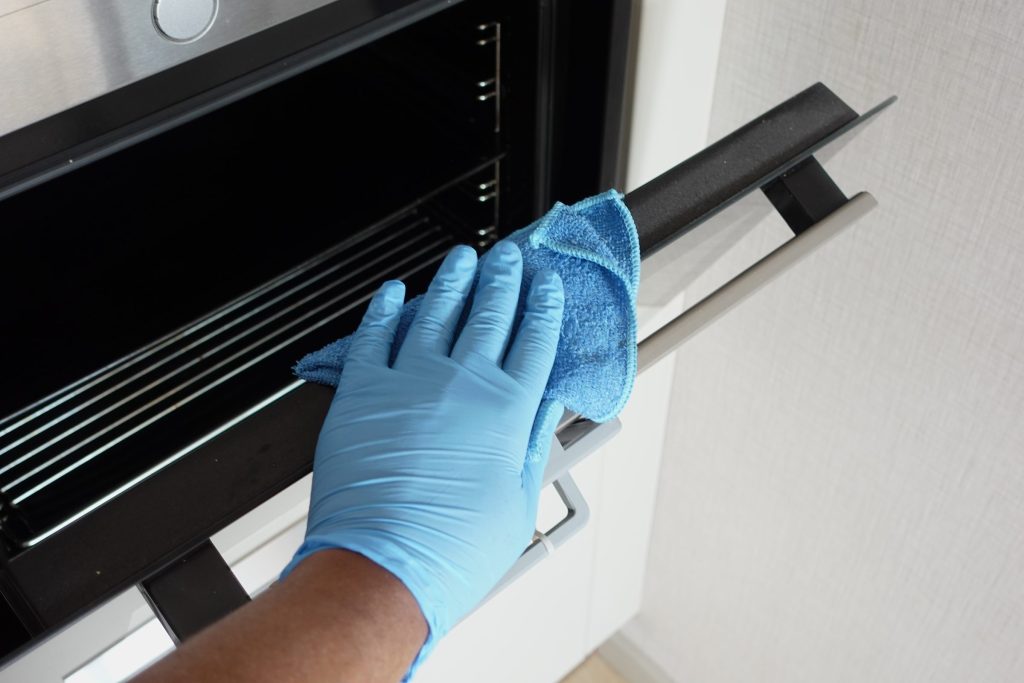
What the porcelain interior tolerates, what the stainless does not, the parts of the cavity that must never see a cleaner — and the direct answer on caustic sprays such as Easy-Off.
Read more -
How Long a Wolf Self-Clean Cycle Takes — and When Not to Start One
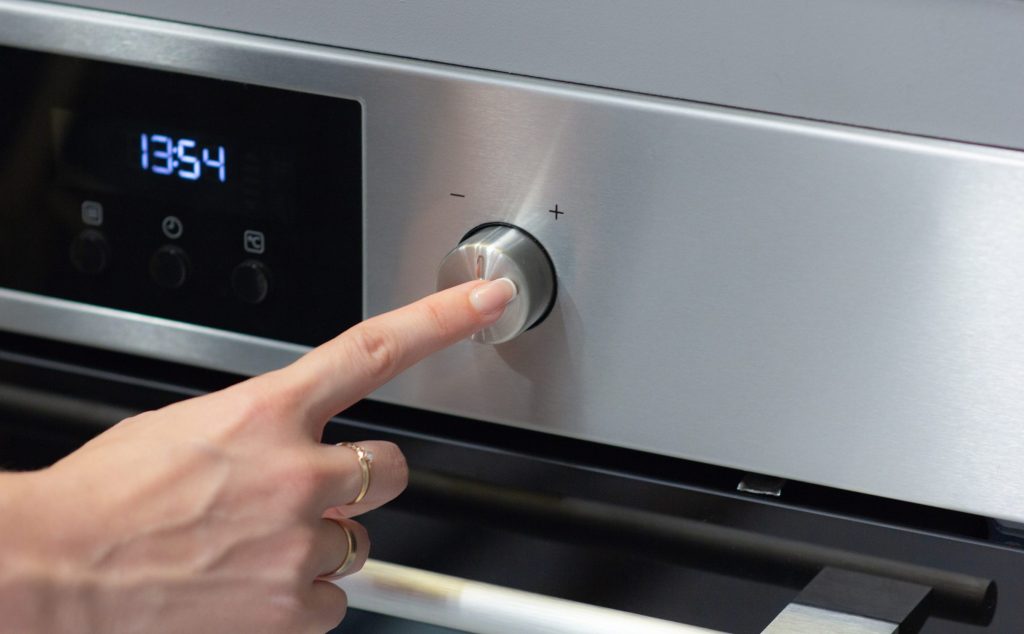
The duration, the cool-down nobody counts, the racks that come out — and the honest warning that this is the hardest test the appliance ever runs.
Read more
Tell us the model number and what it is doing.
This article is based on:
- Official manufacturer documentation
- Internal repair procedures
- Technician repair history
- Company quality standards