Safety & Risks
Can a Switched-Off Appliance Start a Fire? What Is Real and What Is Not
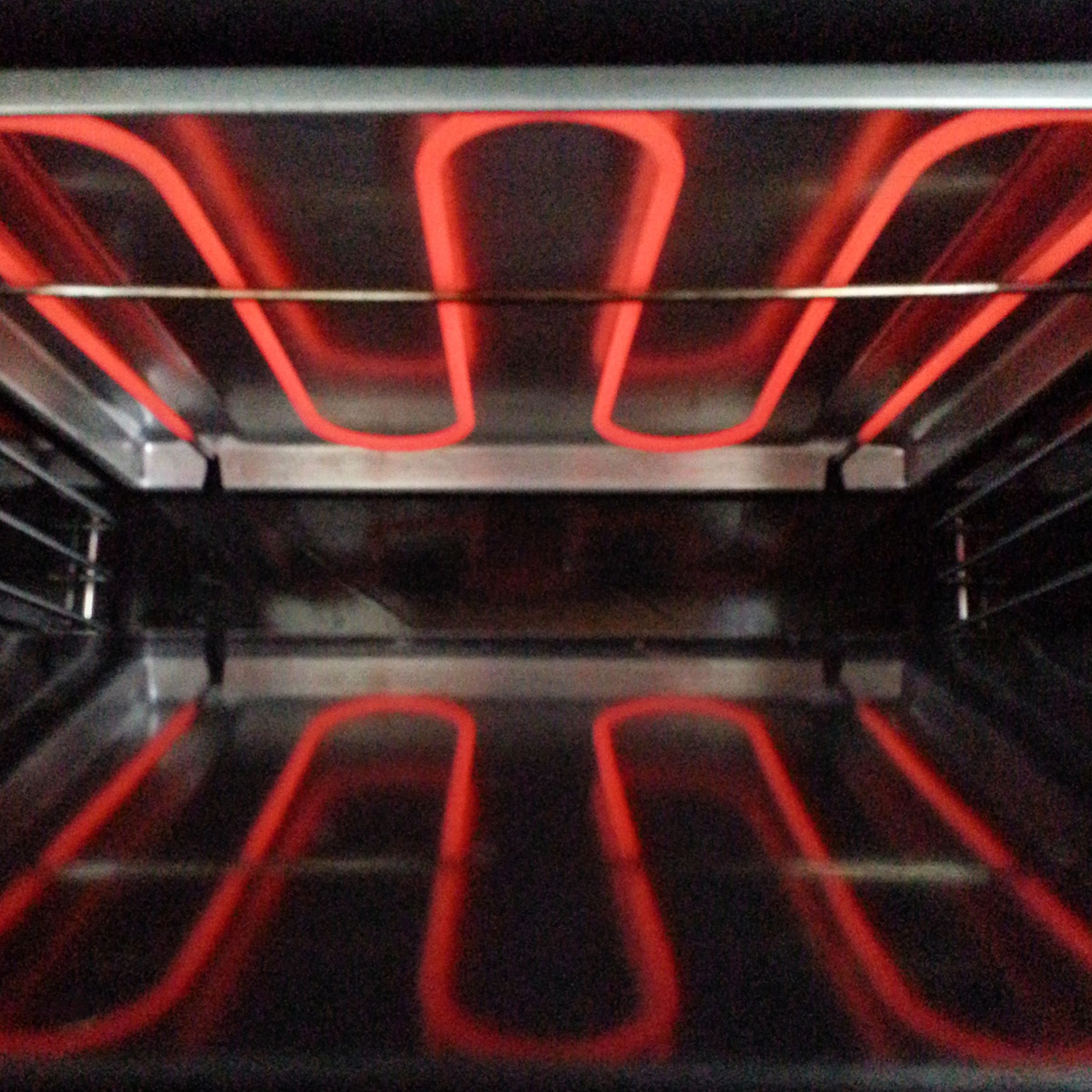
An appliance that is genuinely off at the breaker cannot heat. An appliance switched off only at its own controls can, in one specific and uncommon situation: a relay welded closed, which keeps an element powered with nothing selected. This maker publishes stuck relays as their own conditions. If an oven or a burner is hot when nothing is on, switch it off at the breaker and leave it off.
The full guide
The honest answer
An appliance that is off at the breaker cannot heat. There is no path.
An appliance that is off at its own controls is a different statement, and there is one specific condition on cooking equipment where it matters: a relay welded closed.
A relay switches a heating element on and off, thousands of times over a decade, with a substantial current across its contacts each time. When one eventually sticks, the element keeps its power regardless of what the control has asked for. This maker publishes those conditions — a power relay sensed as closed when it should be open, a drive relay or triac closed when it should be open, element relays shorted per cavity.
It is uncommon. It is not theoretical.
What it looks like in a kitchen
- Warmth with nothing selected. The cavity, or one zone, or the deck.
- An oven that reaches temperature without being asked.
- A cooling fan running constantly when nothing is on — sometimes the appliance responding to heat it should not be making.
- A smell of hot metal or plastic from an appliance that is supposedly idle.
Any of those: switch it off at the breaker and leave it off, then call somebody. This is the one situation on this site that is not a wait-and-see.
What is not worth worrying about
Stored heat. Professional equipment is heavily insulated and stays warm for hours, with the cooling fan running on. That is the design working.
A hood left running. A low-power motor, and not the risk. What is worth attention there is grease in the filters and the ducting, which is the genuine fire load in that part of the kitchen — and it goes in the dishwasher.
Self-clean on a sound oven with a clear cavity. It runs hot by design and it is contained by design. Wipe out loose debris first, do not run it unattended overnight, and do not run it on an oven that is already misbehaving.
A microwave that is idle. It does nothing until the door is shut and something is asked of it.
The one worth doing this week
Find out which breaker feeds each appliance, and label it. It takes ten minutes, it is free, and it is the difference between acting immediately and looking for a flashlight.
Surge protection is the related habit. In this storm season, a protector on built-in cooking equipment costs a fraction of the boards behind the fascia — and a board damaged by a surge is exactly the kind that fails oddly rather than cleanly.
When to call
Any warmth with nothing selected. Any electrical smell. A cooling fan that runs constantly with the appliance cold and idle.
Tell us what was on, what was off, and whether anything is warm to the touch. If you have already cut the breaker, say so — that is the right first move and it changes nothing about the diagnosis.
If it turns out to be a repair
What this leads to, and what it costs
Every job on this site is priced the same way: an on-site diagnostic first, the figure agreed in writing before anybody starts.
-
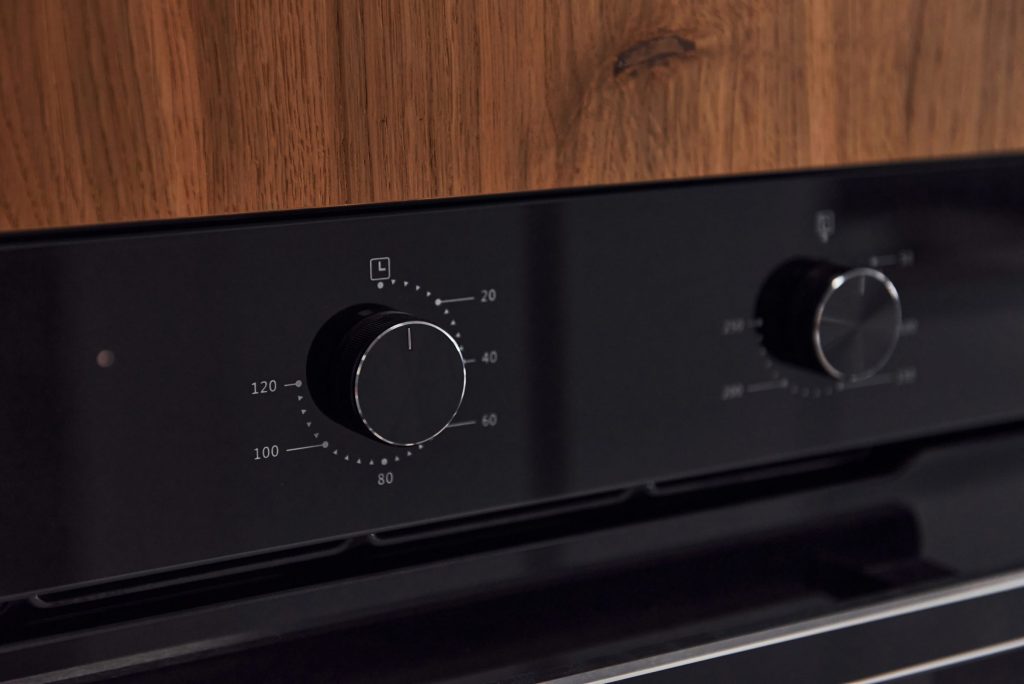
Obedient, and aiming at the wrong number Oven temperature wrong or uneven
An oven that heats perfectly to a temperature that is not the one you set, or that burns on one side and undercooks on the other. Almost always a measurement problem rather than a heating one.
- Everything browning too fast or too slowly
- One side or one shelf consistently darker
- Baking that changed without anything else changing
-
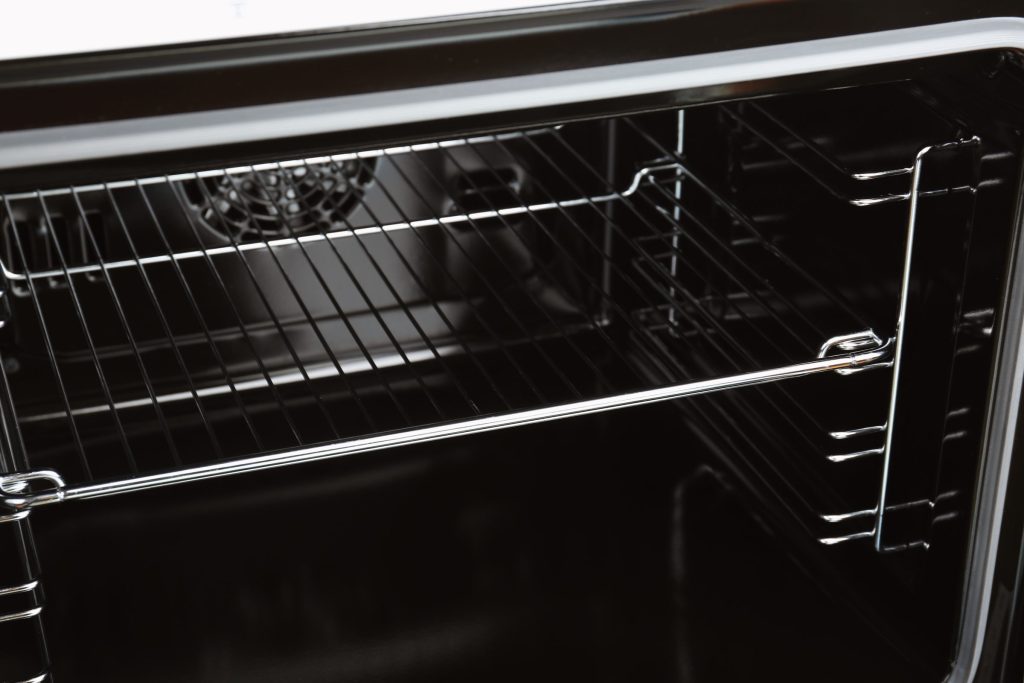
Which fan decides how urgent it is Oven fan not working
There are two kinds of fan in this appliance and they matter very differently. A convection fan that has stopped affects your cooking; a cooling fan that has stopped is an oven quietly damaging itself.
- Silence above the door with the oven hot
- Convection cooking gone uneven
- A code naming a fan, a triac or a stall
-
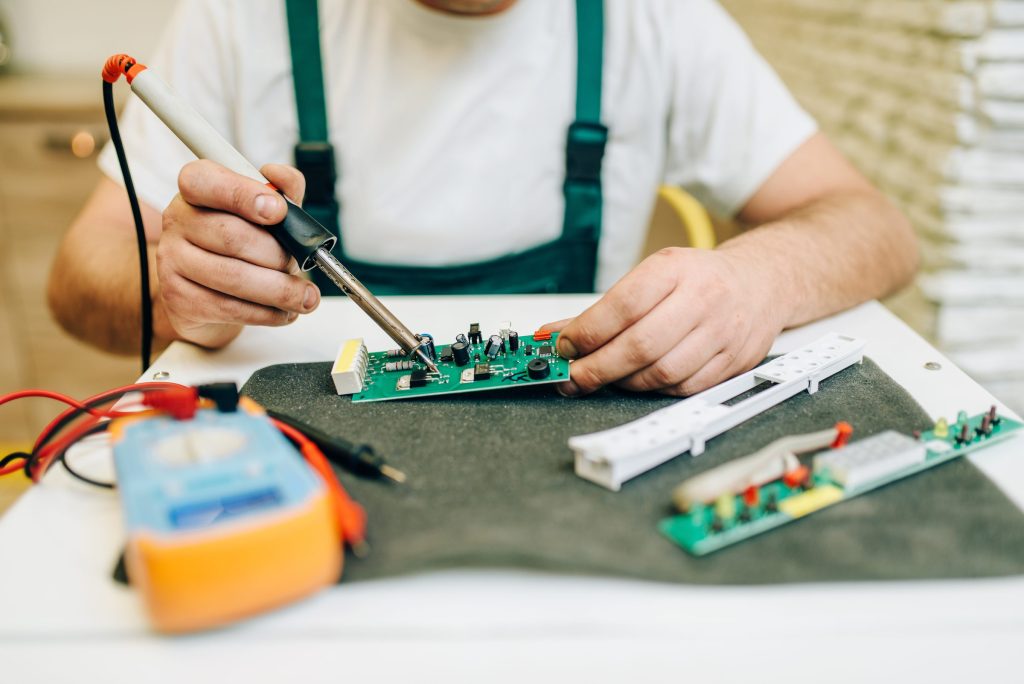
from $365 Control board replacement
The board that switches the loads, the control head behind the fascia, or the network between them. On the current generation the code says which of the three, and that is worth a great deal.
- The code names the board before anything is ordered
- Damp and supply ruled out first — both look identical
- Configuration restored so it is your appliance afterwards
-
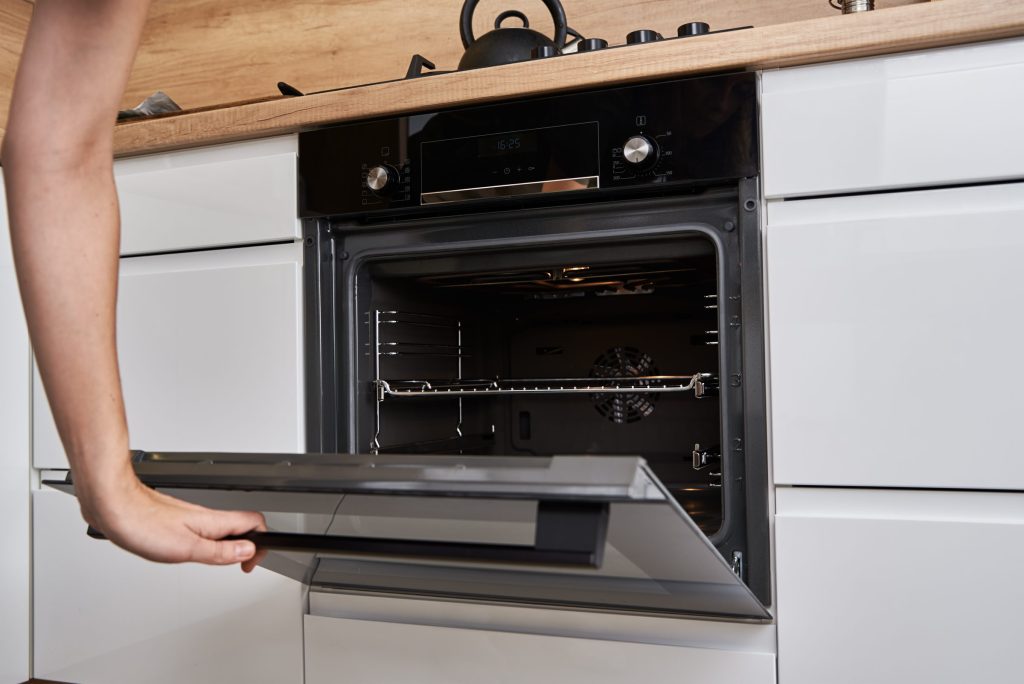
M Series · E Series · L Series · Convection steam · Warming drawer Built-in ovens & steam ovens
Built-in ovens, single and double, the convection steam oven — a different machine with a boiler, a tank and a vent valve in it — and the warming drawer that sits under or beside them. Between them they account for more than half of every error code this brand publishes, and the codes are decoded on this site rather than left as characters on a display.
- The door still locked after a self-clean
- Temperature drifting, or never arriving
- A steam oven asking to be descaled
Questions people ask about this
Should I unplug appliances when I go away?
For cooking equipment it is rarely practical — a range or a built-in oven is hard-wired or behind the appliance. Knowing which breaker it is on, and using it, achieves the same thing and takes ten seconds.
Is a self-clean cycle a fire risk?
Run on a sound oven with the cavity clear, no. Loose debris left in the cavity is what produces heavy smoke, and that is worth wiping out first. Do not run one unattended overnight.
My oven is warm hours after I used it.
That is stored heat and it is normal on heavily insulated professional equipment — the cooling fan will still be running. Warm the next morning, with nothing selected, is different.
What about leaving the hood running?
A hood is a low-power motor and it is not the risk. What is worth attention is grease in the filters and the ducting, which is the actual fire load in that part of the kitchen.
The appliance smells electrical.
Cut the breaker and call somebody. A smell of hot plastic or ozone is a real signal on any appliance, and it is not one to sleep on.
Safety & Risks
More guides like this one
-
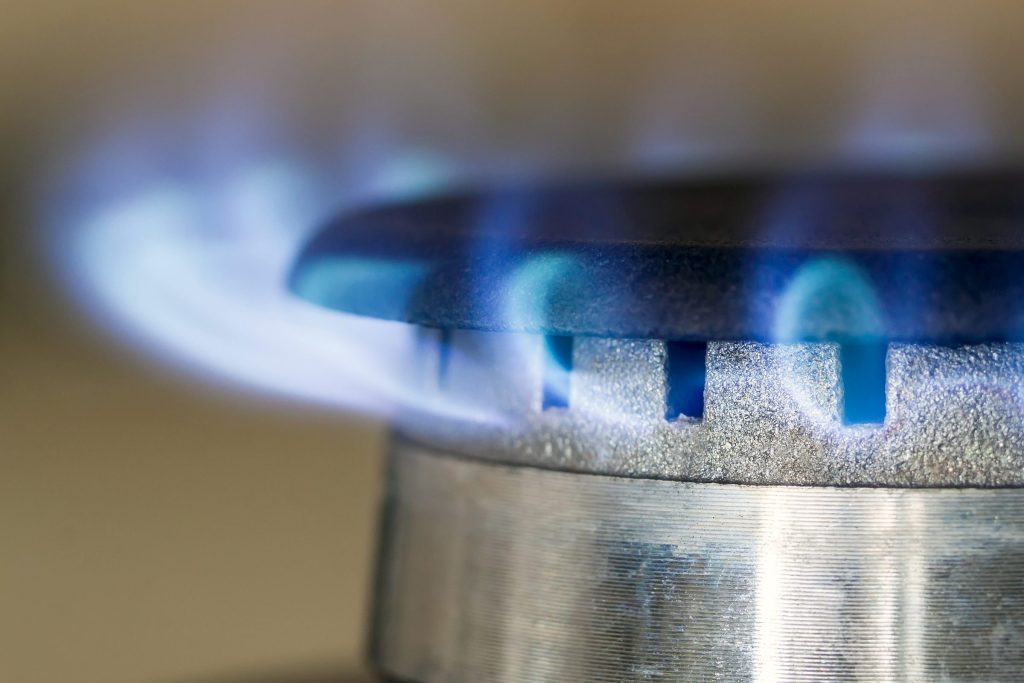
A Wolf Range That Smells of Gas — What to Do in the First Two Minutes
The one page here that starts with instructions rather than explanation. Then the difference between the brief smell at ignition, the smell of an oven that failed to light, and the smell that means leave the house.
Read more
Tell us the model number and what it is doing.
This article is based on:
- Official manufacturer documentation
- Internal repair procedures
- Technician repair history
- Company quality standards