Appliance
Wolf rangetops
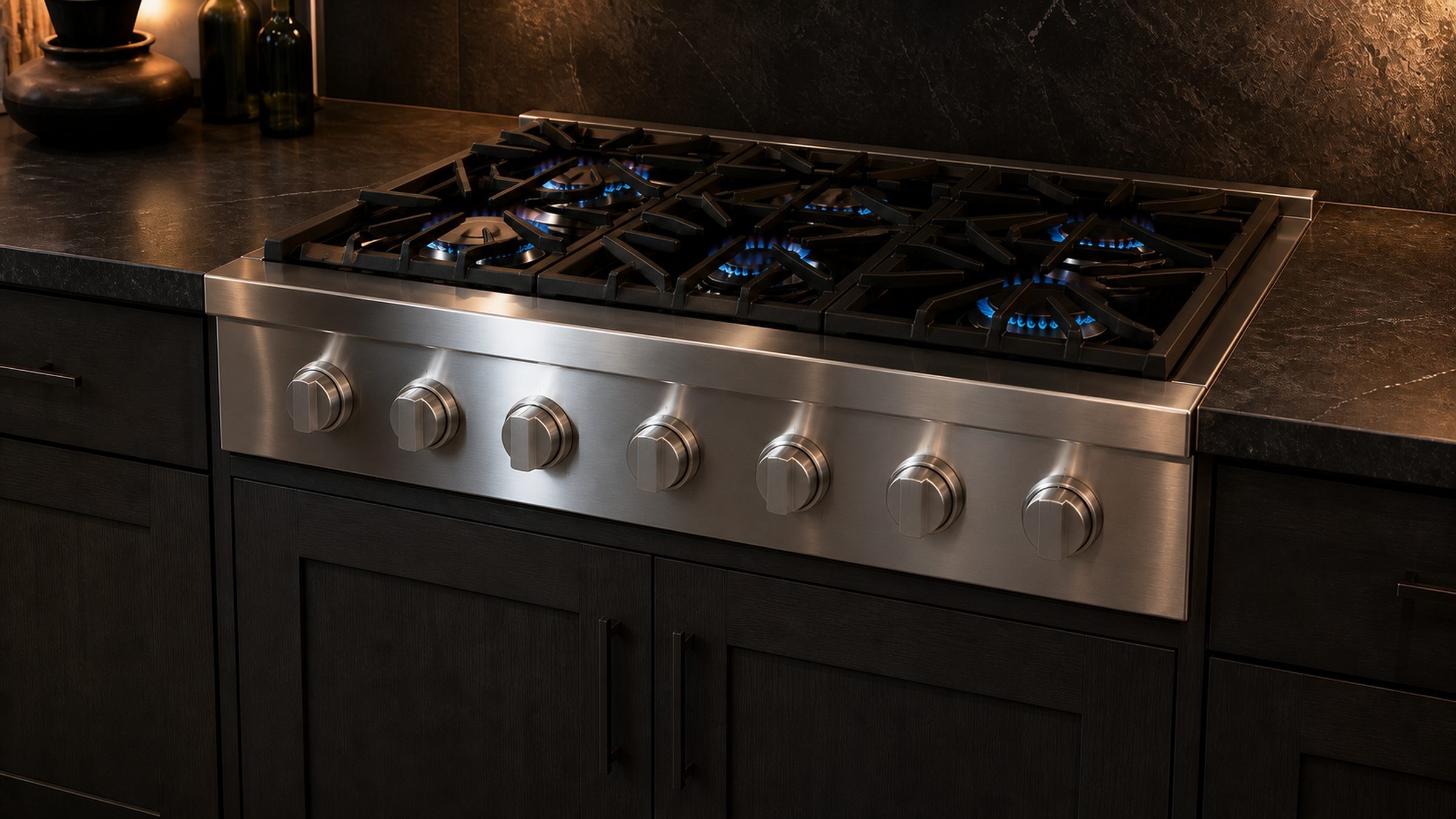
A rangetop is the burner deck off a range with cabinetry underneath instead of an oven. Same sealed burners, same cast grates, same infrared charbroiler and French top options — and a control panel on the front face rather than knobs set into the surface. It is heavier equipment than a cooktop, it is a different parts list, and getting underneath it is a different job.
- 4 symptoms we are called out to
- From $95 diagnostic, credited to the repair
- 59 cities and neighborhoods covered
- OEM parts available on order
The short version
What this equipment is, for a repair
Configurations
Sealed burner · Infrared charbroiler · French top · 30" to 48"
Access
Planned before the visit, not discovered on arrival
Parts
OEM, available on order
Diagnostic
From $95, credited to the repair
What goes wrong with it
Symptoms we are called out to on Wolf rangetops
Each one covers the likely causes in the order they are worth checking, and what to do in five minutes before booking anything.
-
Cap first, igniter second Burner clicks and will not light
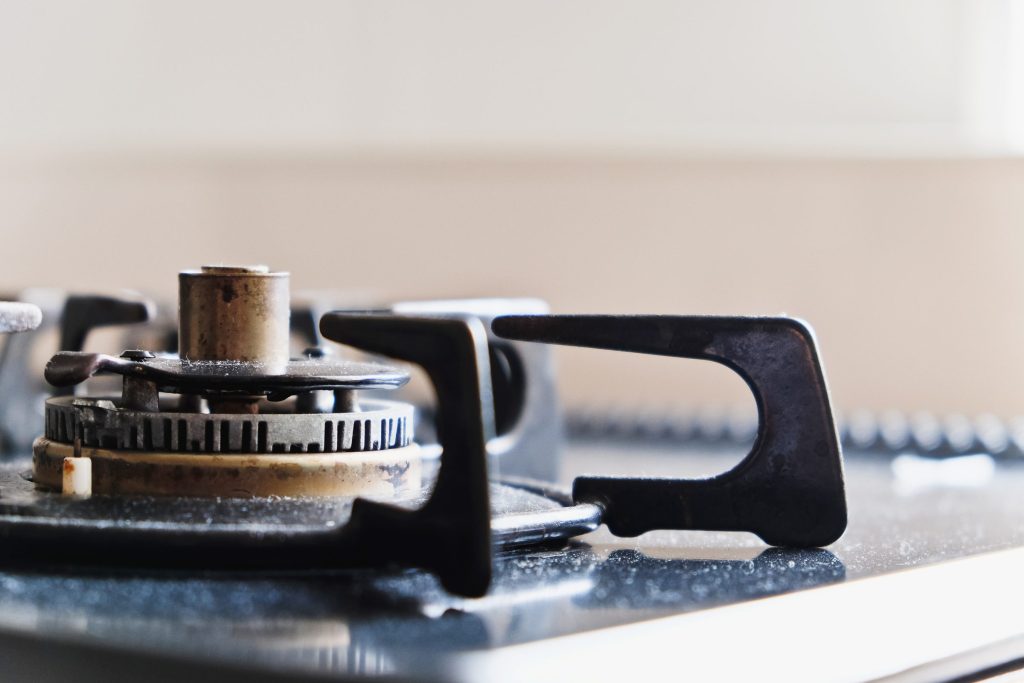
One burner sparks and sparks and never catches while the others are perfect. The gas half of this appliance publishes no codes at all, so this page carries the whole diagnosis — and the first step is free.
- One burner clicking with no flame
- A burner that lights and goes straight out
- Clicking that carries on after the flame is up
-
Low flame is a real specification Burner will not simmer
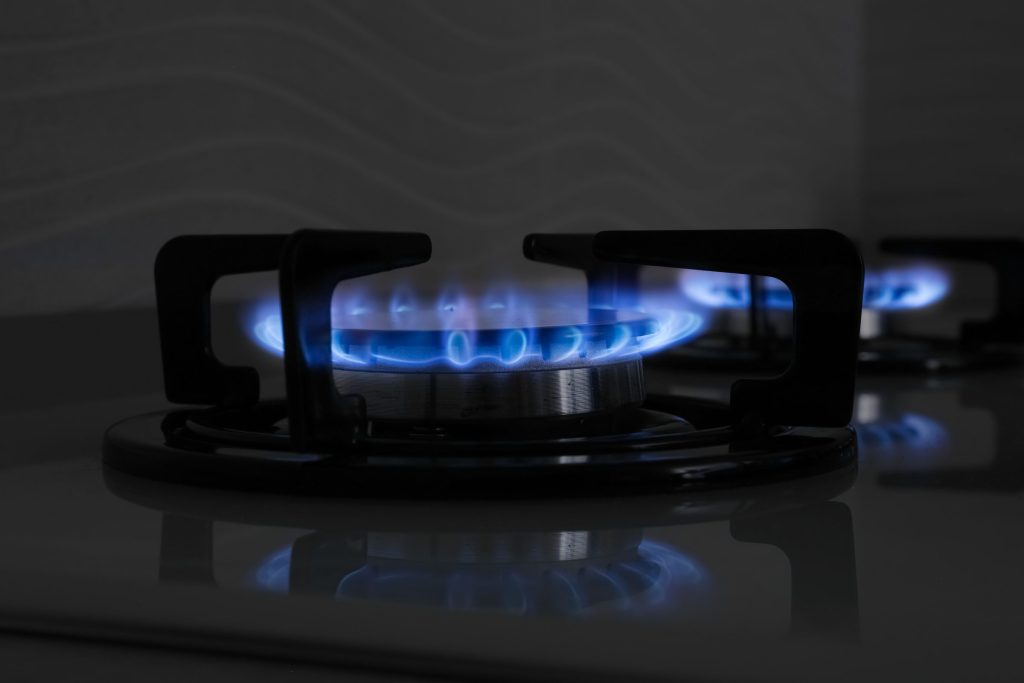
The burner works, but it will not hold a genuine low flame — it either goes out at the bottom of the dial or sits too high to melt chocolate. On professional equipment this is a specification rather than a preference.
- Flame goes out at the lowest setting
- Nothing between "off" and "too hot"
- A simmer that used to work and does not
-
Its own burner, its own thermostat Griddle or charbroiler not heating
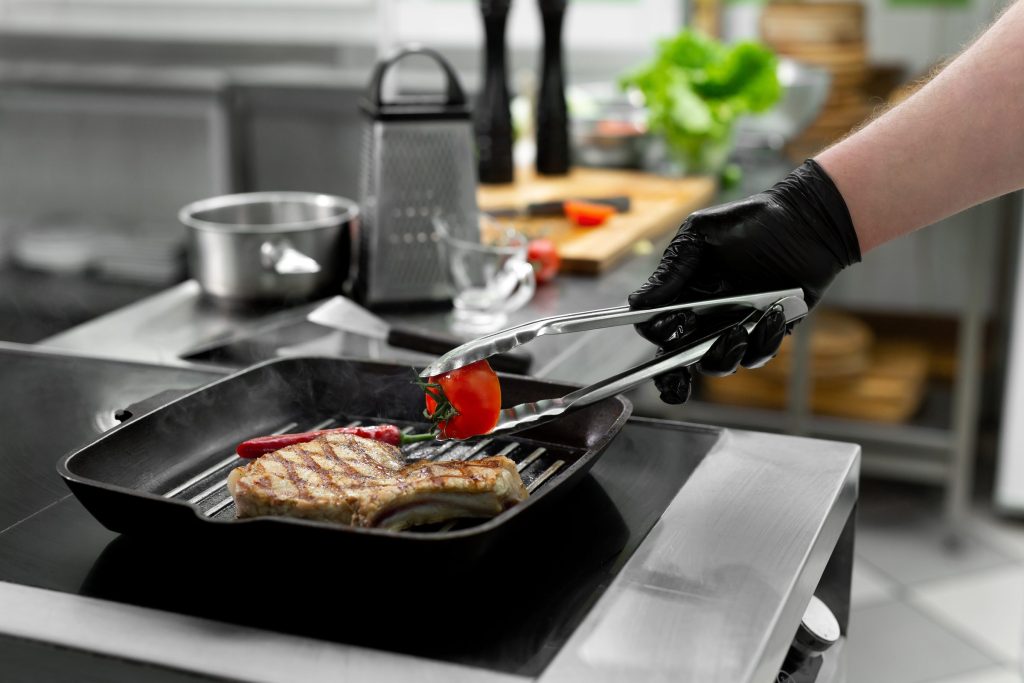
The plate or grate down the middle of a wide range deck has stopped, while every burner around it works. That is exactly what should happen — it is a separate appliance sharing a chassis.
- The middle section cold, the burners fine
- Hot at one end and cool at the other
- Heats, but never as hot as it used to
-
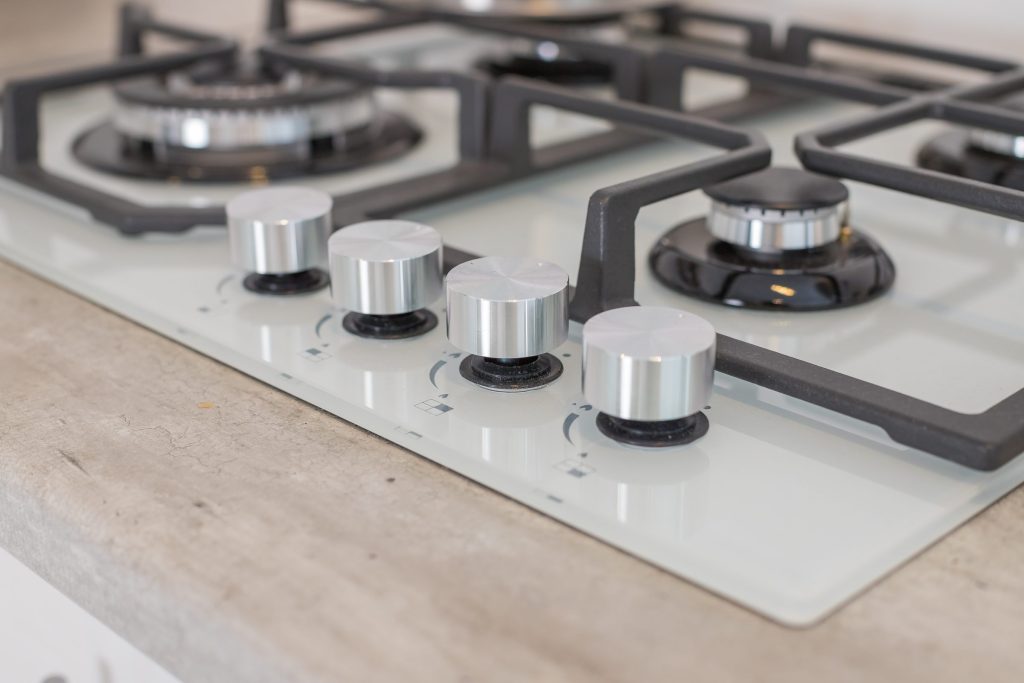
Knob, shaft or the switch behind it Knob turning with nothing happening
A knob that spins freely, one that has cracked, or a selector that does nothing at any position. Three different parts at three different prices, and telling them apart takes two minutes.
- A knob spinning with no effect
- A cracked or discolored knob
- A selector that does nothing at any setting
What we do on it
Repairs we carry out on Wolf rangetops
Starting figures for this equipment in South Florida. The exact cost is confirmed after an on-site diagnostic — and this is not the whole list of what can go wrong, so call if your problem is not here.
-
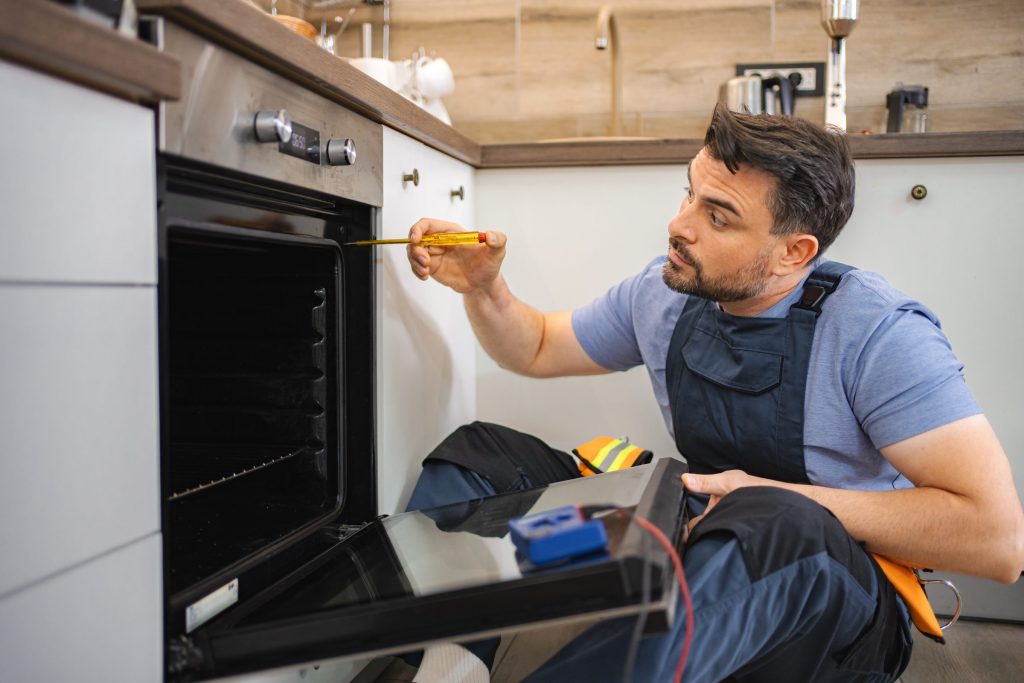
from $95 Diagnostic visit
Somebody who works on this equipment every week, in front of your appliance, telling you what is wrong and what it costs to put right. Credited against the repair if you go ahead.
- Codes read out of the control, not guessed at
- A written figure before any work starts
- Credited to the repair when you go ahead
-
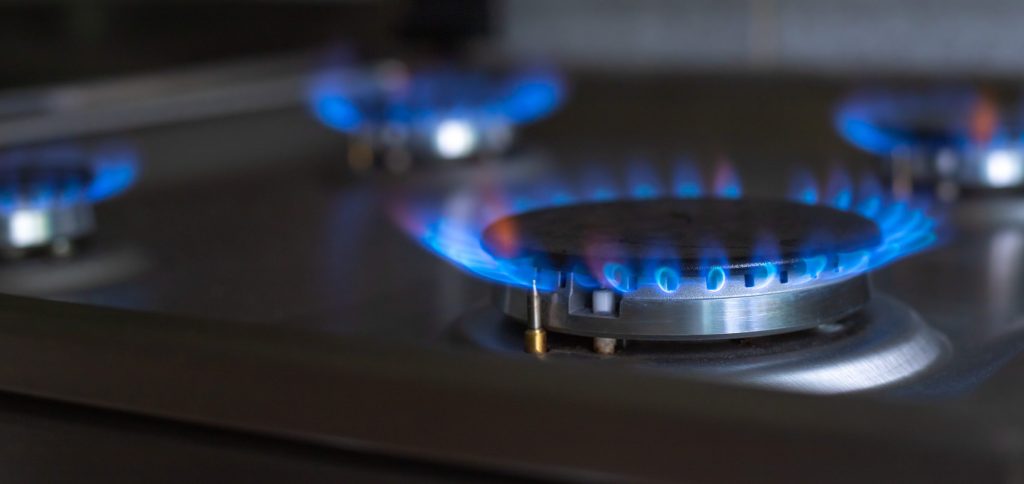
from $165 Gas burner & igniter repair
A burner that clicks and never lights, lights and goes out, or burns yellow and sooty. On sealed burners this is a short list of causes and a real share of them cost the visit and nothing else.
- Cap seating checked before any part is named
- Igniter replaced per burner, not per cooktop
- Flame color and port blockage looked at properly
-
from $245 Sealed burner rangetop repair
A rangetop is a range's burner deck with cabinetry underneath instead of an oven. Heavier equipment than a cooktop, a different parts list from both, and the one people most often describe as something else on the phone.
- Rangetop, cooktop or range established first
- Burners, igniters and the front control panel
- Counter and surround protected while it is out
-
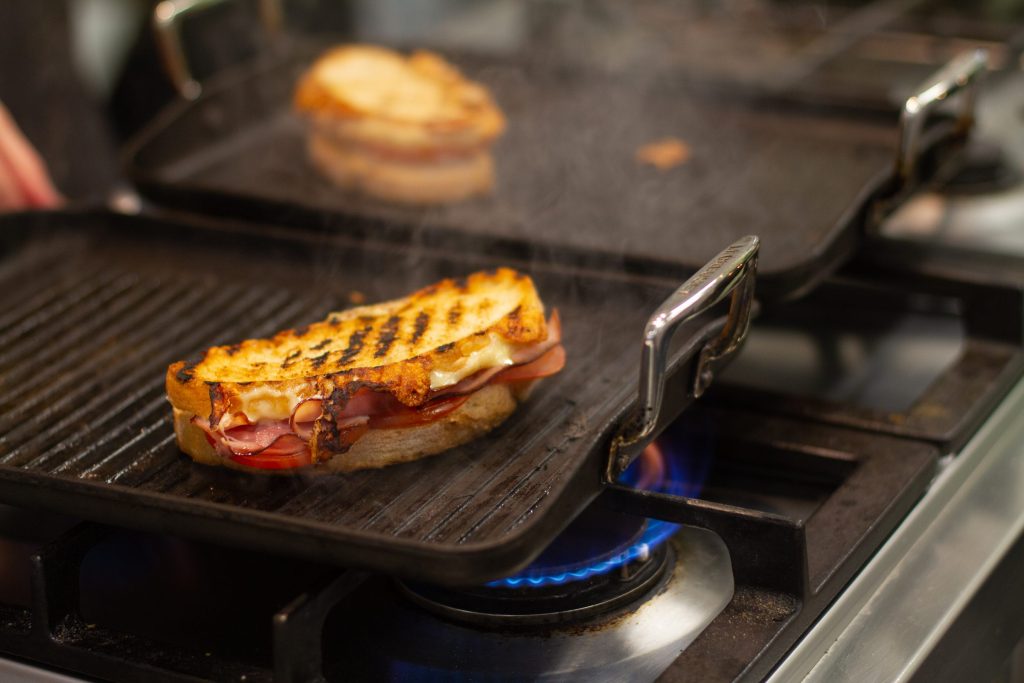
from $225 Griddle & charbroiler repair
The plate or the grate down the middle of a wide range deck. Each has its own burner and its own thermostat, which is why it can be stone cold while every burner around it works perfectly.
- Its own burner and thermostat, tested separately
- Uneven heating across the plate diagnosed properly
- Grease and port blockage cleared before parts
-
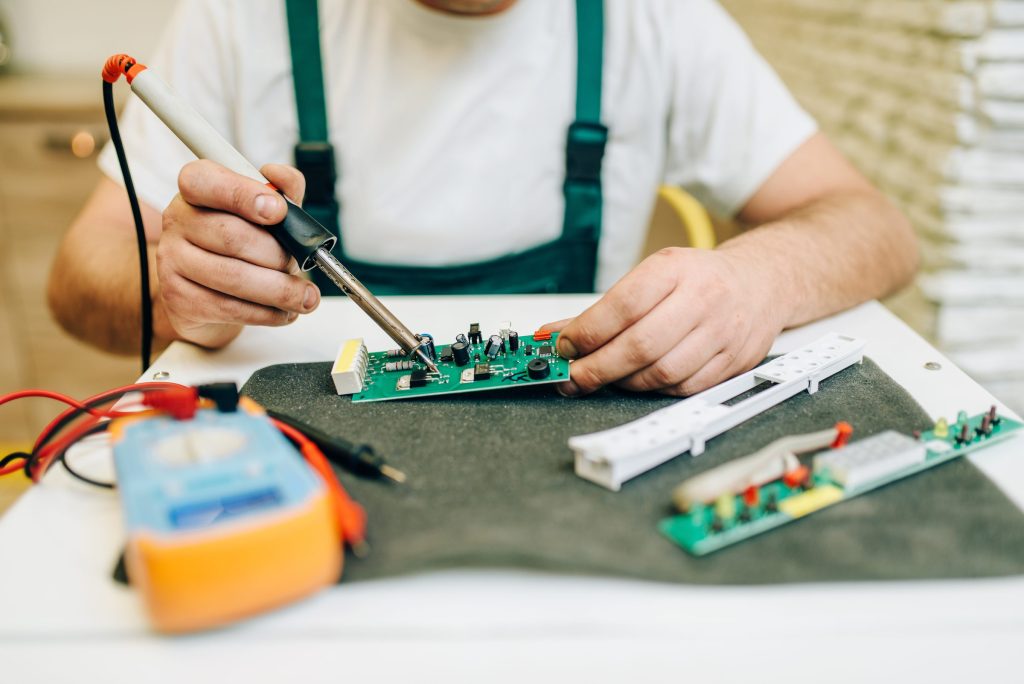
from $365 Control board replacement
The board that switches the loads, the control head behind the fascia, or the network between them. On the current generation the code says which of the three, and that is worth a great deal.
- The code names the board before anything is ordered
- Damp and supply ruled out first — both look identical
- Configuration restored so it is your appliance afterwards
-
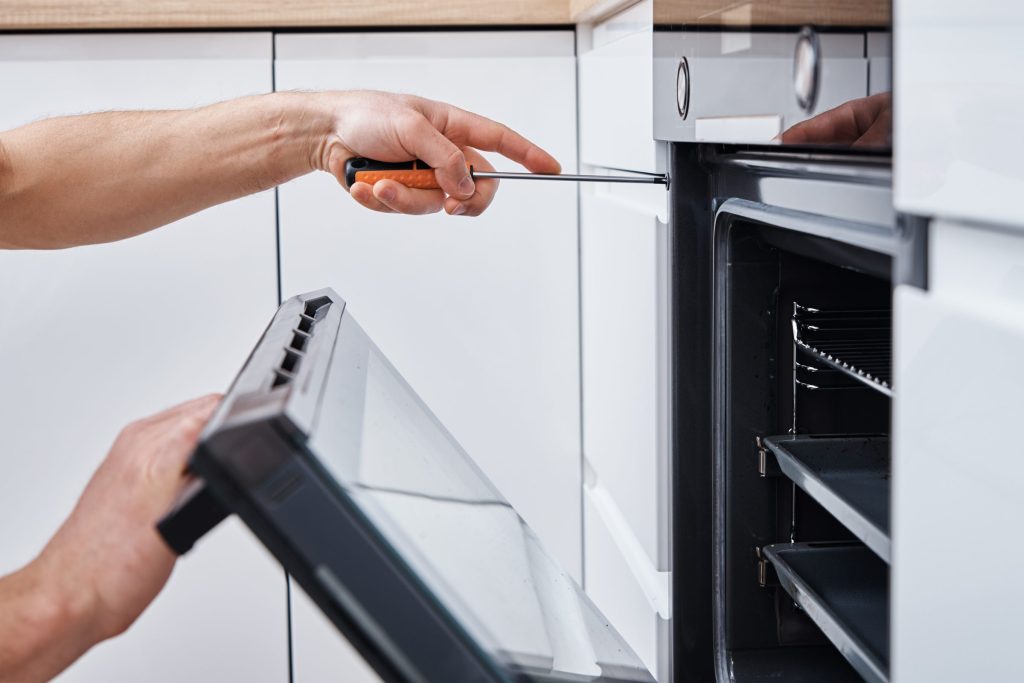
from $135 Knob & control panel repair
A cracked red knob, a shaft that spins without doing anything, or a touch panel that answers when nobody is touching it. The cheapest visit on the site and often the most visible repair.
- Knobs ordered by model — shafts and graphics differ
- Touch panels dried and recalibrated before parts
- Selector switches tested rather than assumed
-
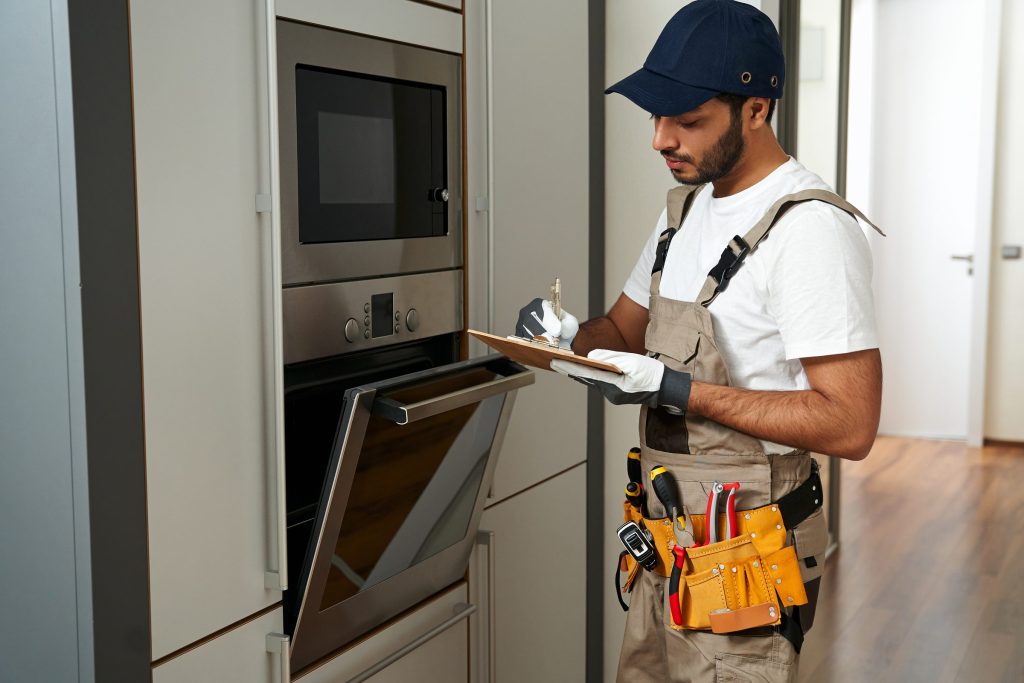
from $155 Cooking equipment maintenance
A scheduled visit for equipment that is working. Burners and igniters, door seals, hood filters and damper, steam oven descaling, fans and vents — the things that are cheap now and expensive later.
- Descaling before a boiler needs replacing
- Seals and hinges set before a door drops
- Fans, vents and clearances actually checked
-
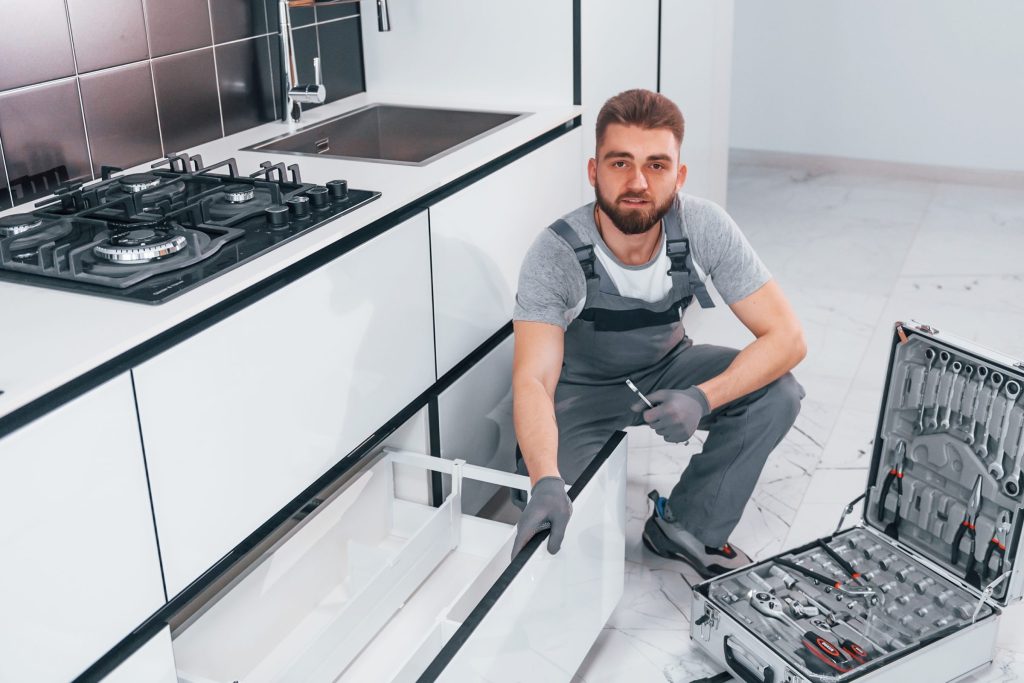
from $225 Appliance installation
Fitting professional cooking equipment into a finished kitchen. Most of what goes wrong with this equipment in its first year is decided on installation day, and most of it is clearance, gas and ventilation.
- Cutout, clearance and ventilation checked first
- Gas and orifices correct for the fuel supplied
- Leveled, anti-tip fitted, and handed over properly
In more detail
About Wolf rangetops
What a rangetop actually is, and why it is not a big cooktop
A rangetop is what you get when a professional range is built without its oven: the same sealed burners on the same cast grates, the same optional infrared charbroiler and French top, and the same front control panel — set into a counter with cabinetry underneath. People buy them to put wall ovens somewhere else in the kitchen and keep the cooking surface at the island or the window.
That single difference decides most of what a visit looks like. A cooktop is a shallow appliance in a counter cutout. A rangetop is heavy equipment with its controls, its valve bank and its gas manifold below the deck, in a cabinet, and reaching them means working from underneath rather than lifting anything out.
What we are called out for
- A burner lighting unevenly around the cap. Ports rather than igniters, and clearing them is free.
- A charbroiler that will not hold a low setting, which is usually the valve rather than the burner.
- A French top warm in the middle and cold at the rim — that is how they work, and how much of a gradient is normal is worth knowing before booking.
- Stiff knobs and heat-marked trim, which are wear on the hottest, most-spilled-on panel in the kitchen.
- Igniters clicking after the burner has lit, which is nearly always moisture and nearly always fixes itself once the deck has dried out.
The South Florida part
A rangetop vents its heat down into the cabinet it sits in, and in an unconditioned kitchen in August that cabinet gets warm. Where a rangetop shares a run with a wine cabinet or an undercounter refrigerator, the cold appliance is the one that complains first — and the call arrives about the cold one rather than about the hot one. It is worth mentioning what is beside it when you book.
What to have ready when you call
The model number from the plate under the deck or behind the kick panel, the width, whether it is gas or induction, which burner or section is affected, and whether there is a charbroiler or a French top in it.
This article is based on:
- Official manufacturer documentation
- Internal repair procedures
- Technician repair history
- Company quality standards
Before you book
Questions about Wolf rangetops
How do I know whether I have a rangetop or a cooktop?
Look at where the controls are. A rangetop carries its knobs on a front panel below the deck, has cast grates running edge to edge, and has a cabinet or drawers underneath rather than an oven. A cooktop drops into the counter with its controls in the surface or beside the burners. The two look similar from across a kitchen and share almost nothing on a parts list.
One burner lights on one side of the cap and not the other.
That is the burner port ring rather than the igniter, and it is the most common call on this equipment in a working kitchen. Ports block with what boils over, and the sealed burner design that makes these easy to clean on top is exactly what keeps the residue in the ring. Lifting the cap, checking it is seated square and clearing the ports is a real fix and it is free. If it lights unevenly with clean ports and a seated cap, the gas side is next.
The knobs have gone stiff, or the panel is discolored.
The front panel of a rangetop sits directly under the deck, which is the hottest place on the appliance and the place every spill runs to. Stiff valves and heat-marked trim are wear rather than a defect, both are replaceable, and neither is urgent — but a valve that has begun to bind is worth attending to before it is the reason a burner will not turn down.
Is the repair the same as it would be on a range?
Above the counter, largely yes: the burners, caps, grates and igniters are the range parts. Below it, no. A range is pulled forward on its feet; a rangetop is set into a counter with a cabinet beneath, and reaching the gas manifold and the valve bank means working from below in a cupboard rather than rolling the appliance out. That is what makes it its own appointment rather than a variation on a cooktop visit.
Where we do it
Across Miami-Dade, Broward, and Palm Beach
Same terms everywhere we go: an on-site diagnostic first, the price agreed in writing, and the exact figure confirmed once we have seen the unit.
Neighborhoods people ask for by name