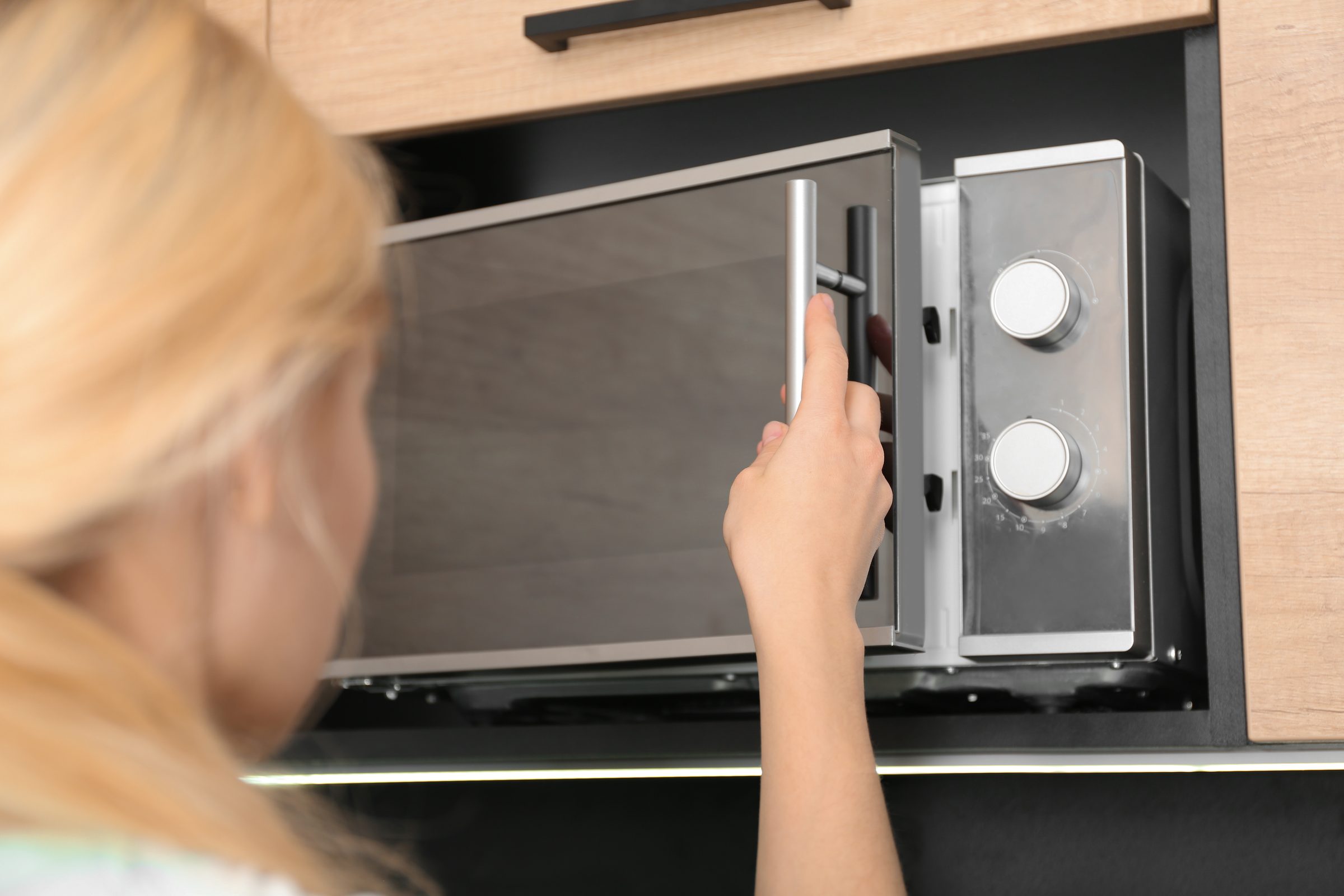
Troubleshooting
Unlocking a Wolf Microwave — Three Things People Mean by “Locked”
If the panel responds but refuses to start, it is the control lock — hold the lock or cancel key for a few seconds. If the drawer will not travel, that is the drive or its position switch, and a thirty-second power cycle sometimes re-establishes it. If nothing happens at all and the display is dead, check the breaker and the door catch before anything else: the interlocks stop the machine completely and correctly when the door is not believed shut.
The full guide
Which "locked" is yours?
The panel responds but nothing starts. A control lock. Free to clear.
The drawer will not travel. A mechanism problem, and on a drawer model it is the commonest call we take.
Nothing responds at all — no display, no beep. The supply, or the door catch. Both are cheap and both are checked before anything else.
Three different situations, three different answers, and people describe all of them the same way.
Clearing a control lock
Hold the lock key — usually a padlock symbol, sometimes cancel held down, occasionally a two-key combination — for a few seconds. It varies by model and it is one of those things worth looking up once and writing on a card inside a cupboard door.
A control lock is easy to set by accident, particularly on a panel that is wiped down every day.
A drawer that will not travel
Cut the power at the breaker for thirty seconds. A drawer that has lost track of where it is sometimes re-finds itself on a restart, and that costs nothing.
Listen while you try it. A drive working against a jam sounds completely different from silence, and the two point in different directions:
- Something trying and failing: obstruction in the travel, or a drive under strain.
- Silence: the drive, its position switch, or the control that gives it permission.
Do not force it. A motorized drawer has a drive that objects to being pulled, and forcing it turns one repair into two.
If there is food inside, say so when you call. It changes the urgency and it changes how the drawer gets opened.
Nothing at all
- The breaker. Fully off, fully on. Built-in microwaves are frequently on a shared circuit with the oven below them.
- The door. Close it firmly and listen for the catch. The interlocks stop the machine dead when the door is not believed shut, which is exactly right, and a worn latch is an inexpensive repair.
- The appliance below. If the oven in the same stack is also misbehaving, the supply they share is the suspect rather than either appliance.
The one thing not to do
Do not take the panels off. A microwave stores a charge in its high-voltage capacitor after it has been unplugged, and it is enough to kill somebody.
Every other appliance on this site has something a careful owner can check first. This one stops at the door catch and the breaker, and we mean that literally. If it runs and nothing heats, that is ours.
When to call
A drawer that will not travel after a power cycle. A door that will not latch. A panel that stays dead with the breaker proven. Anything at all involving the high-voltage side.
If it turns out to be a repair
What this leads to, and what it costs
Every job on this site is priced the same way: an on-site diagnostic first, the figure agreed in writing before anybody starts.
-
A mechanism, not a microwave Microwave drawer will not open
The drawer will not travel, stops part-way, or opens and will not close. This is the commonest call on a drawer microwave and it has nothing to do with heating food.
- Drawer that will not open at all
- Travel that stops part-way
- A drawer that opens and will not close
-
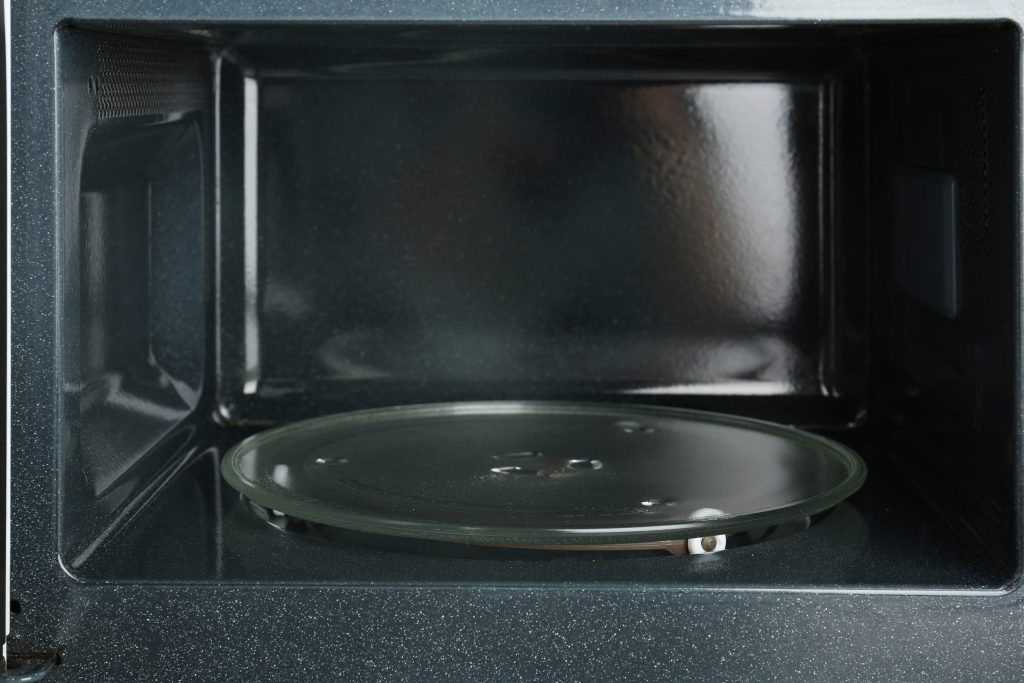
Not a do-it-yourself appliance Microwave runs but nothing heats
Everything looks normal — it counts down, the light is on, the turntable moves — and the food comes out cold. This is the high-voltage side, and it is the one appliance on this site with nothing safe for an owner to check.
- Runs normally and food stays cold
- A loud hum with no heating
- Heating that has gradually got weaker
-
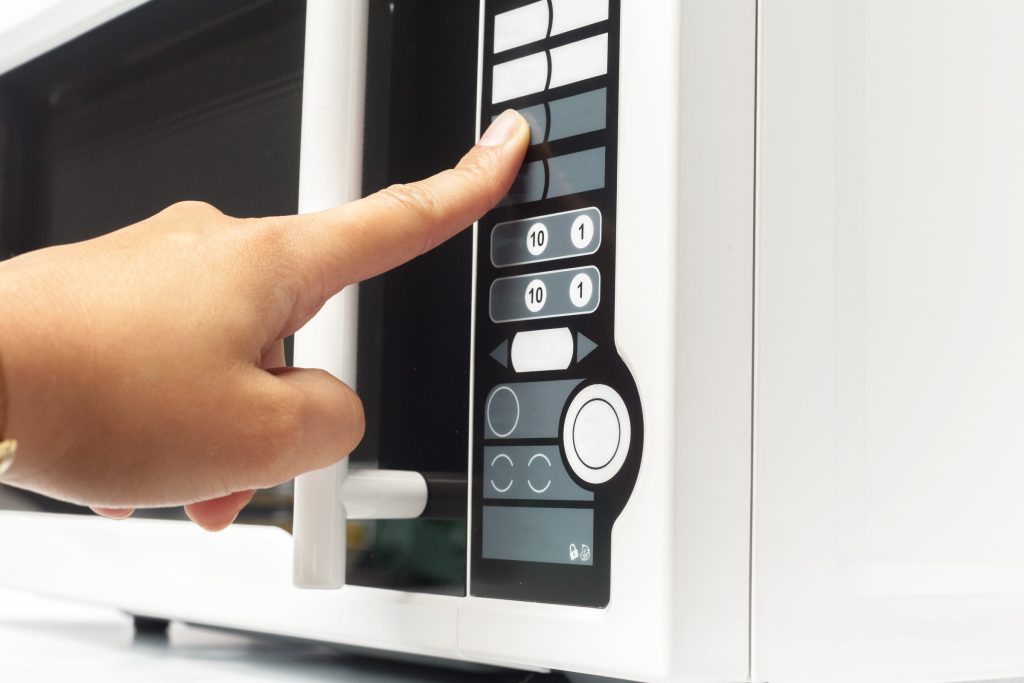
Often the cabinet rather than the appliance Microwave controls behaving erratically
A keypad that misses presses, a display that scrambles, or a machine that starts something nobody asked for. Built into a stack with an oven, the first suspect is the supply they share.
- Keys that respond intermittently
- A display showing nonsense
- Strange behavior shared with the oven below
-
from $185 Microwave & drawer microwave repair
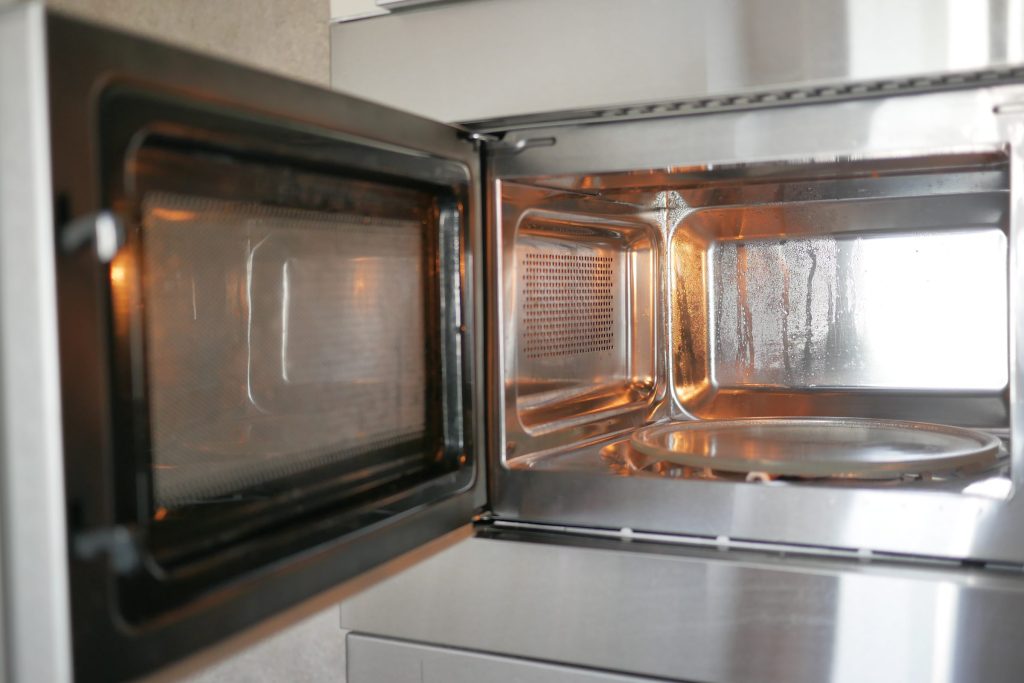
Built in beside the ovens or set into an island as a drawer. On a drawer model the commonest repair is the mechanism rather than anything to do with heating, and that is genuinely good news.
- Drawer drive and position switches tested first
- Door interlocks checked before anything else
- The high-voltage side is never an owner repair
Questions people ask about this
Where is the lock key?
It varies by model and it is usually a padlock symbol, a cancel key held down, or a two-key combination. The manual for your model names it, and it is worth writing inside a cupboard door once you know.
The drawer will not open and there is food inside.
Say so when you call — it changes how quickly we come and how we approach opening it. Do not force a motorized drawer; forcing it damages the drive and adds a repair on top of a repair.
It does absolutely nothing.
Breaker first, then the door. A microwave that does not believe its door is shut refuses to do anything at all, which is exactly what the interlocks are for, and a latch is a cheap repair.
It runs but the food stays cold.
That is a different page and a serious one. It is the high-voltage side, and it is the only appliance on this site with nothing safe for an owner to check.
Can I take the cover off and look?
No. There is a capacitor inside that holds a lethal charge after the machine is unplugged. This is the one appliance where we ask you to stop at the door catch and the breaker.
Troubleshooting
More guides like this one
-
A Wolf Oven After a Power Cut — Why the Rest of the House Came Back and It Did Not
This equipment runs across two legs of a 240-volt supply while your lights run on one, so a lost leg leaves a happy display and a cold oven. And this brand is unusually specific about what the electricity did.
Read more -
A Wolf Microwave Drawer That Will Not Travel — The Reset That Sometimes Works
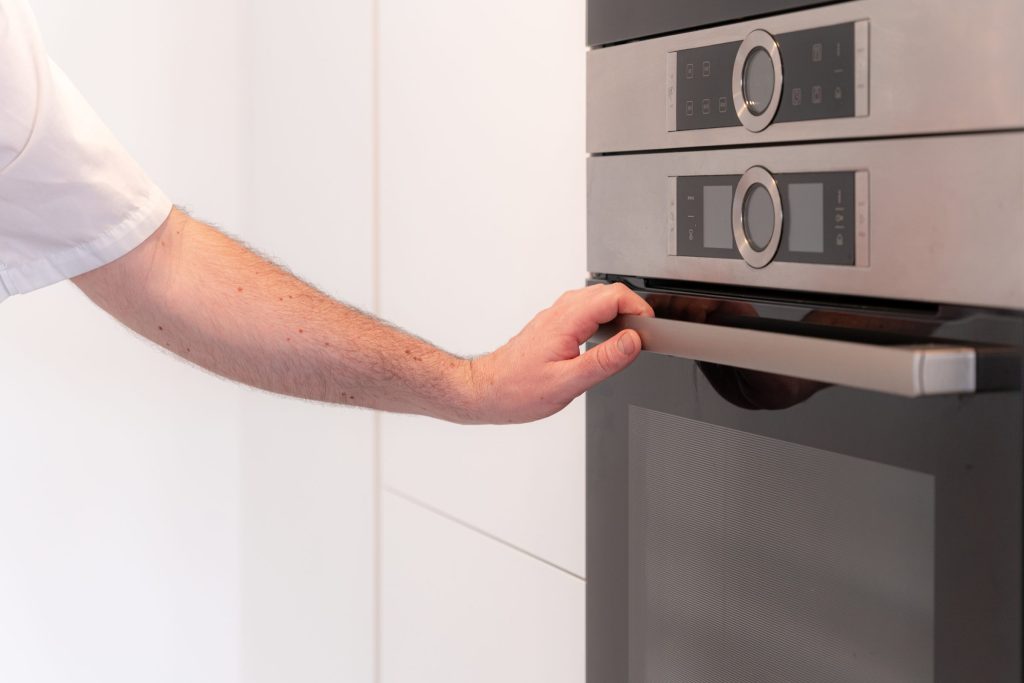
A drawer that has lost track of where it is often re-finds itself on a power cycle. Where that works, where it does not, and why a drawer problem is much better news than a microwave that runs cold.
Read more -
Setting the Clock on a Wolf Oven — and Why It Keeps Losing It
A small how-to with a diagnostic buried in it. An oven that forgets its clock every few days is telling you about its supply or its stored settings, and both are published conditions on this brand.
Read more
Tell us the model number and what it is doing.
This article is based on:
- Official manufacturer documentation
- Internal repair procedures
- Technician repair history
- Company quality standards