Safety & Risks
A Wolf Range That Smells of Gas — What to Do in the First Two Minutes
A strong or persistent gas smell means: do not touch any switch, do not light anything, open windows if you can do it on the way out, leave, and call your gas utility from outside. Do not call a repair company first. A faint smell for a second or two at ignition is normal. A smell that lingers after a burner has lit, or with everything off, is not.
The full guide
If the smell is strong, stop reading and do this
- Do not touch any switch. Not a light, not an extractor, not the appliance. A switch makes a small spark.
- Do not light anything.
- Open a window or a door on your way past if it does not delay you.
- Leave the building.
- Call your gas utility from outside, on a phone you took with you.
Not a repair company. The utility comes quickly, they check the supply, and it costs nothing. We deal with the appliance afterwards, and only once somebody has confirmed there is no leak.
The smells that are normal
A second or two at ignition. There is a short moment between the valve opening and the flame establishing, and a faint smell in that moment is ordinary. It should stop the instant the burner lights.
A new appliance, warming up for the first few uses. Manufacturing residue burning off smells sharp and slightly chemical, and it is not gas. It goes away.
A spill burning on a burner or in the cavity. Unpleasant, and not this.
The smells that are not
A smell that lingers while a burner is running. The gas is not all being burned. That is the burner, the mixture, or the orifices.
A smell with everything off. Something is passing gas that should not be. Shut the appliance off at its own valve if you can reach it safely, and call the utility.
A delayed ignition — a pause, then a thump. Gas accumulated before the flame caught. On an oven that usually means an igniter that still glows but no longer gets hot enough to open the valve promptly, and it gets worse rather than better.
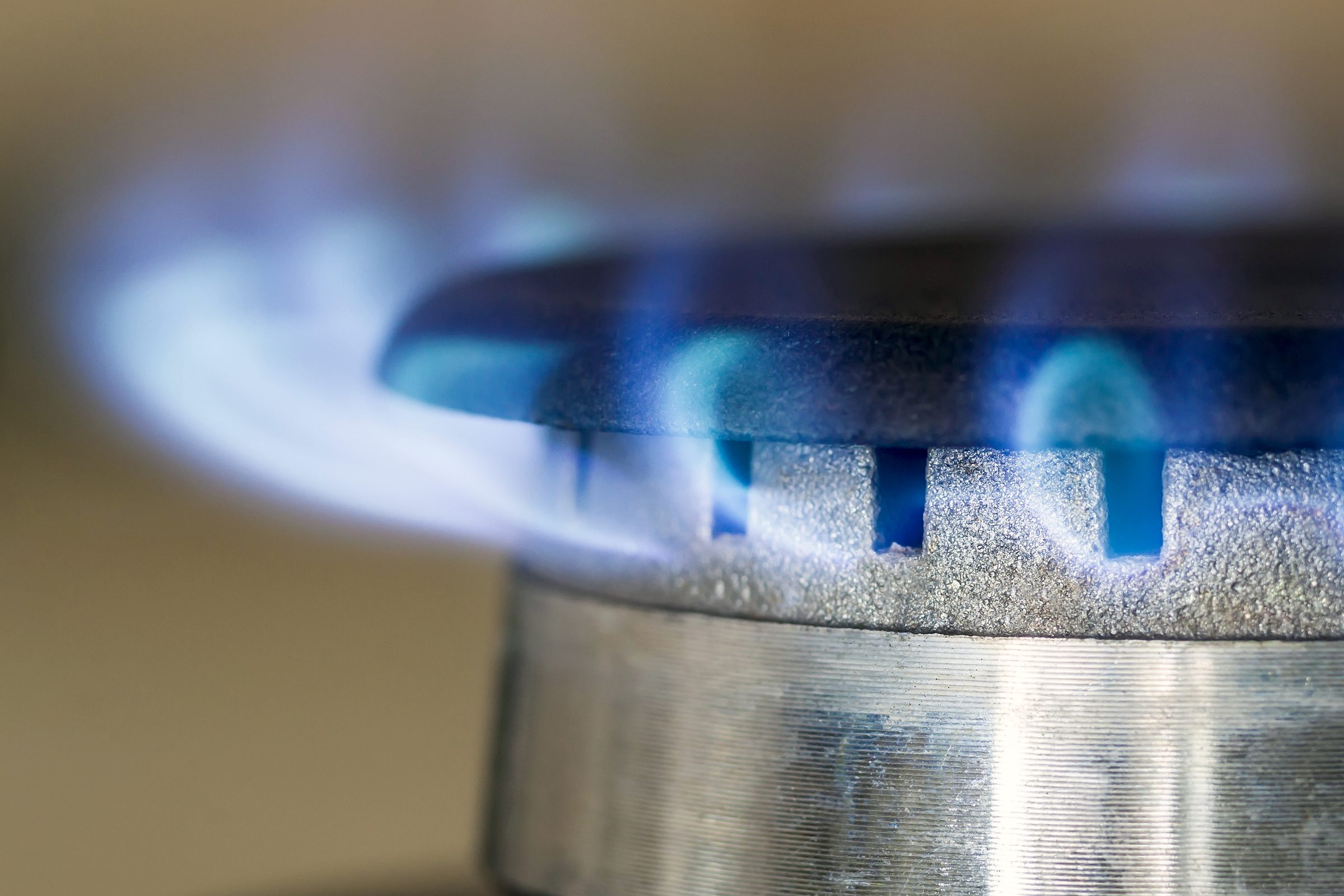
Yellow flames are a related conversation. A yellow, sooting flame is unburned gas, and on a range converted between natural gas and propane with the wrong orifices it happens on every burner at once. It is worth correcting properly rather than living with.
What we do afterwards
Once the supply has been cleared, the appliance side is ordinary work: the igniter that has weakened, the burner ports, the flame sensing, and — where the range has been converted between fuels — the orifices and the regulator.
Tell us what the flame looks like across every burner, whether the oven lights promptly, and whether anything about the gas supply has changed recently.
If it turns out to be a repair
What this leads to, and what it costs
Every job on this site is priced the same way: an on-site diagnostic first, the figure agreed in writing before anybody starts.
-
Cap first, igniter second Burner clicks and will not light
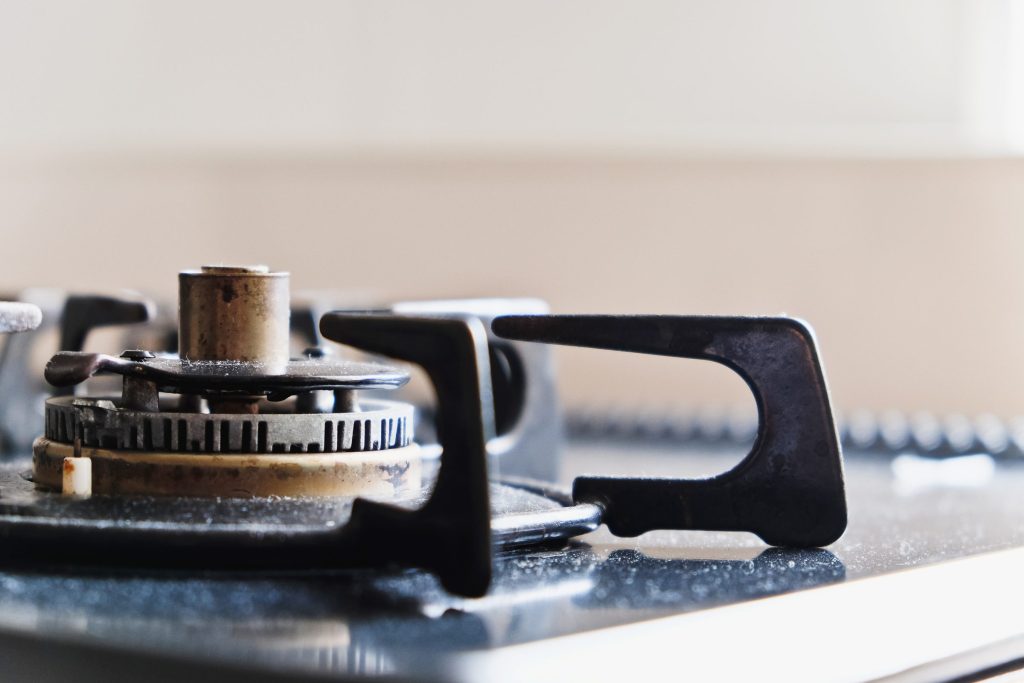
One burner sparks and sparks and never catches while the others are perfect. The gas half of this appliance publishes no codes at all, so this page carries the whole diagnosis — and the first step is free.
- One burner clicking with no flame
- A burner that lights and goes straight out
- Clicking that carries on after the flame is up
-
from $165 Gas burner & igniter repair
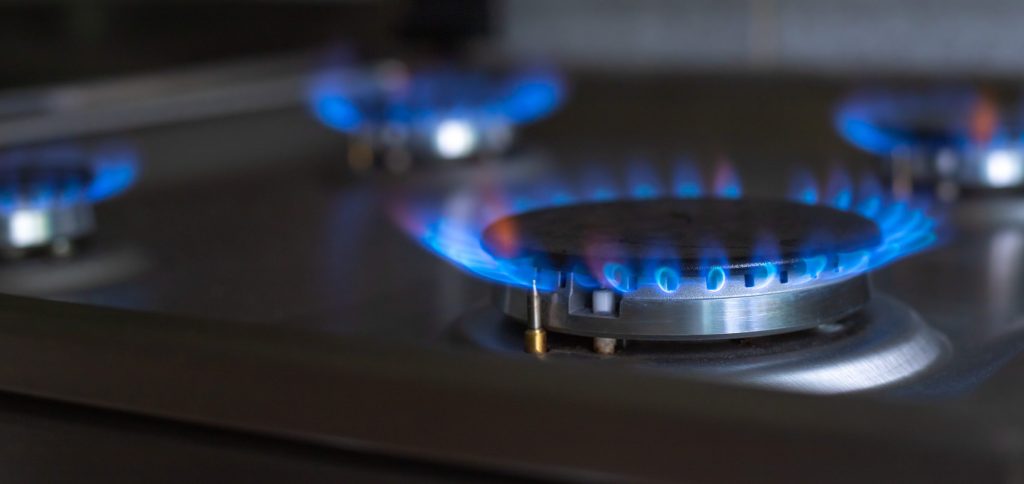
A burner that clicks and never lights, lights and goes out, or burns yellow and sooty. On sealed burners this is a short list of causes and a real share of them cost the visit and nothing else.
- Cap seating checked before any part is named
- Igniter replaced per burner, not per cooktop
- Flame color and port blockage looked at properly
-
Dual fuel · Gas · Induction · 30" 36" 48" 60" Ranges
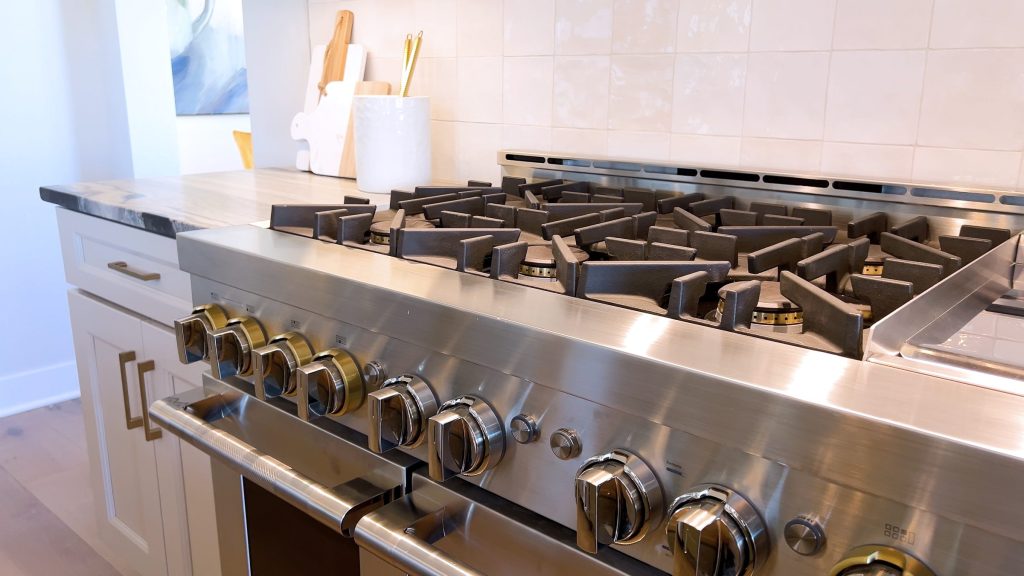
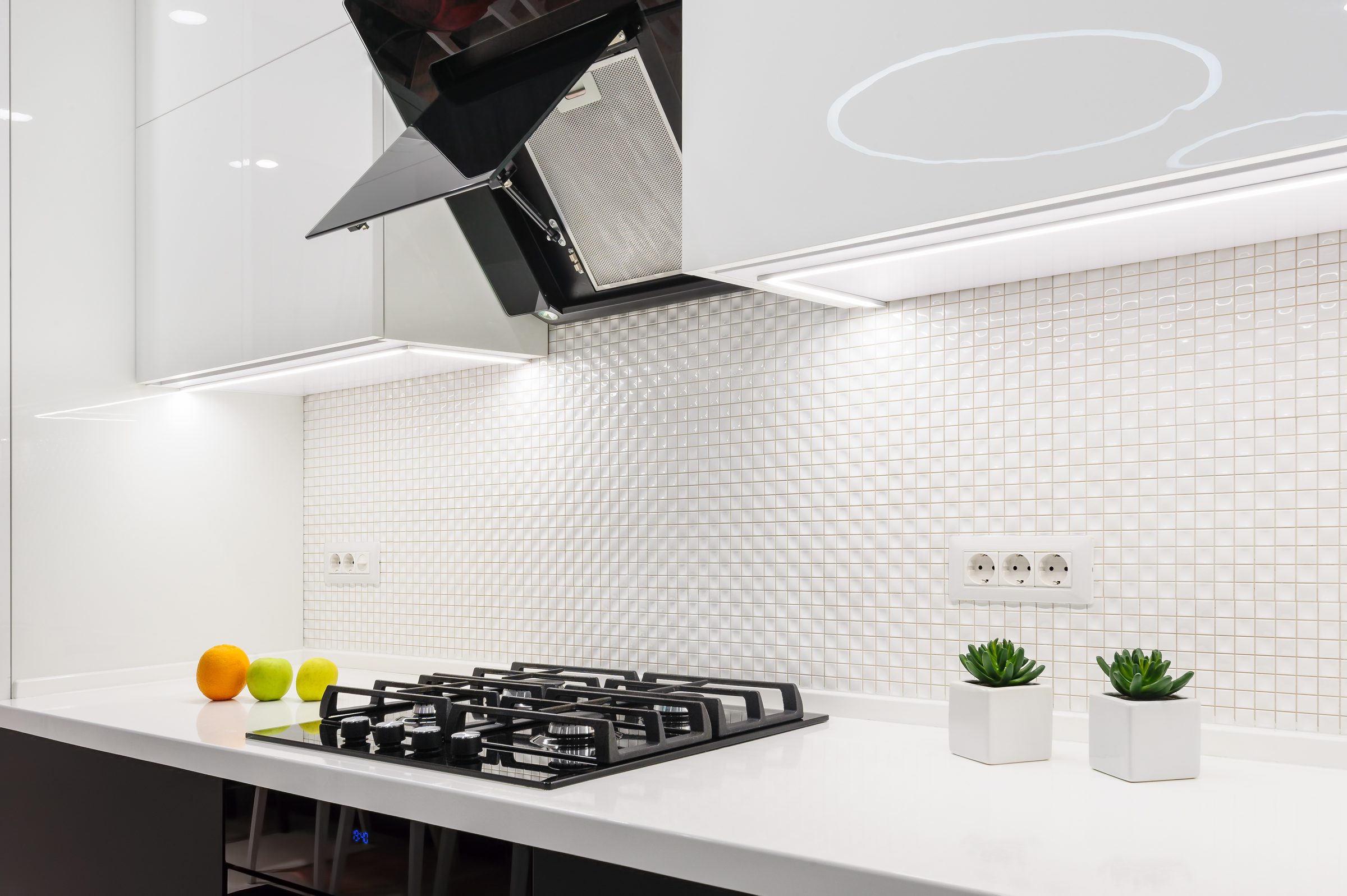
The appliance the brand is built around, and on a dual fuel range it is two appliances sharing one cabinet: gas burners on top, an electric oven underneath, one control answering for both. Which half is misbehaving is the first question, because the two have almost nothing in common inside.
- A burner that clicks and never lights
- The oven not reaching or holding temperature
- A four-character code on the panel after a power cut
Questions people ask about this
Should I call you or the gas company?
The gas utility, first and from outside, for anything strong or persistent. They come quickly, they check the supply, and it costs nothing. We deal with the appliance afterwards — and we would rather say that than take the booking.
It smells for a second when a burner lights. Is that normal?
Yes. There is a brief moment between the valve opening and the flame establishing, and a faint smell in that second is ordinary. It should be gone immediately and it should not happen with the burner running.
The oven smelled of gas and then lit with a thump.
That is worth attention. A delayed ignition means gas accumulated before the flame caught, and on an oven that usually points at an igniter that has weakened — it glows, but no longer gets hot enough to open the valve promptly.
I can smell it faintly with everything off.
Then something is passing gas that should not be, and that is not a wait-and-see situation. Shut the appliance off at its own valve if you can reach it safely, and call the utility.
Could it be something else?
Occasionally. A new appliance burning off manufacturing residue, or a spill burning on a burner, smells sharp but not like gas. If you are not sure, treat it as gas.
Safety & Risks
More guides like this one
-
Can a Switched-Off Appliance Start a Fire? What Is Real and What Is Not
A relay stuck closed is the one condition on this equipment that can heat with nothing selected, and this maker publishes it. What that actually means, what to do, and what is not worth losing sleep over.
Read more
Tell us the model number and what it is doing.
This article is based on:
- Official manufacturer documentation
- Internal repair procedures
- Technician repair history
- Company quality standards