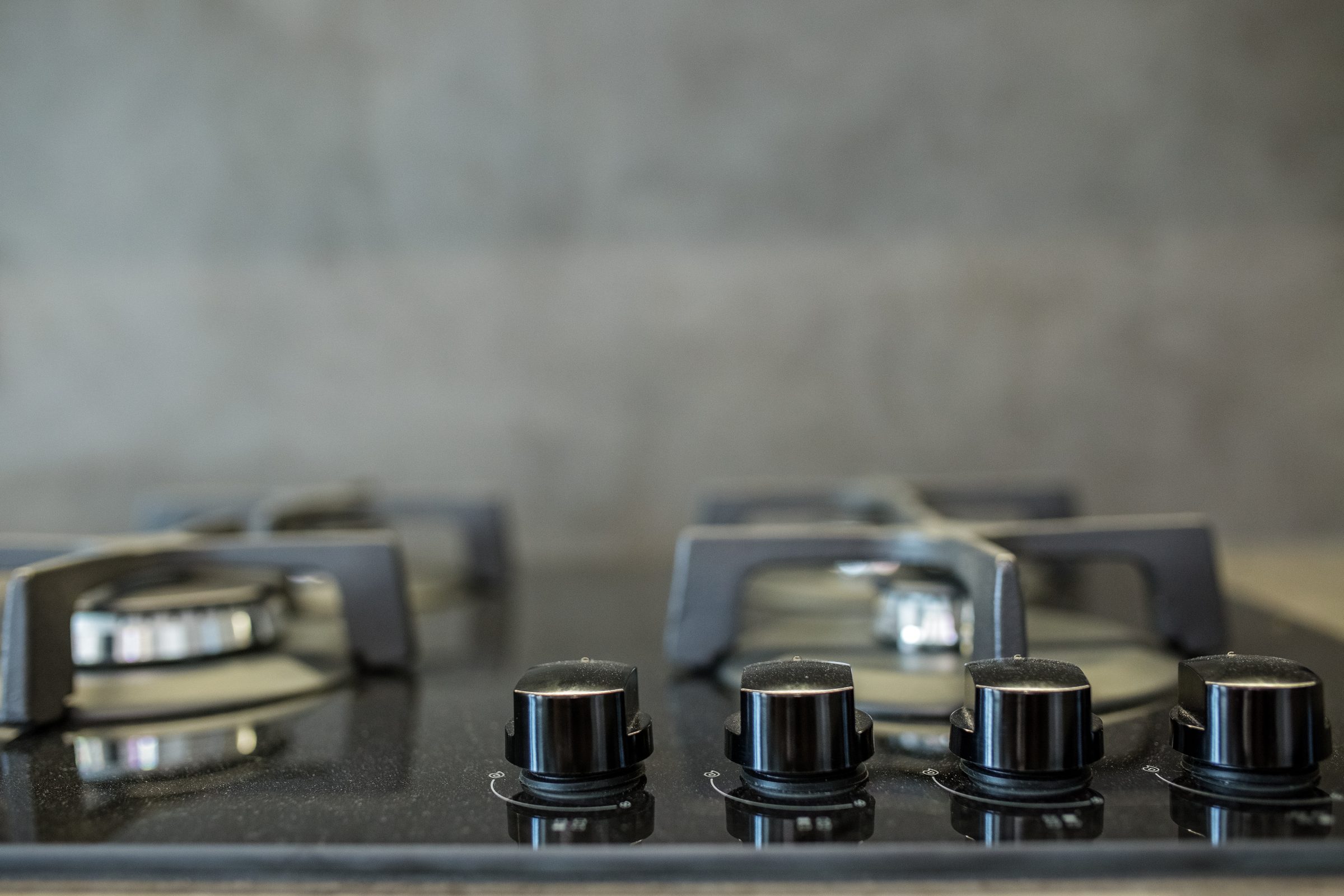
Cost Expectations
What Makes Wolf Ranges Expensive — and What That Means When One Needs Repair
The money is in the burner hardware, the steel, the cavity insulation and the control electronics — not in the badge. Most of that is durable: the chassis, the burners and the cavity routinely outlive two control boards, which is why a fifteen-year-old professional range with sound burners is usually worth repairing. What genuinely raises a repair bill is access, because a heavy appliance in a finished kitchen is worked around in place.
The full guide
Where the money actually is
The burner hardware. Sealed brass burners with a genuine low-flame capability are a different component from a stamped burner, and the difference is exactly the thing people buy this equipment for.
The steel and the cavity. Heavier gauge, more insulation, larger. It is why a professional oven takes longer to preheat and why it barely notices a cold tray going in.
The electronics. Two boards and a network between them on the current generation, with a published diagnostic vocabulary of 414 conditions behind it.
The engineering around configuration. Widths from 30 to 60 inches, dual fuel, all gas and induction, with griddles and charbroilers in the deck. That variety is expensive to build and it is what makes a kitchen work.
Which of that survives twenty years
Most of the expensive half. Chassis, burners, grates, cavity, insulation — these do not wear out in domestic use, and that is the single most useful fact when something breaks.
What does wear out is the cheaper half: igniters, sensors, relays, fans, gaskets and boards. That is the normal shape of an aging professional range, and it is why a repair usually wins.
The chassis routinely outlives two control boards. If the burners are sound and the cavity is sound, a board is a component in an appliance that has years left in it.
What actually raises a repair bill
Not the badge. Access.
A 48-inch dual fuel range in a finished kitchen is worked around in place rather than pulled into the room. A built-in oven is trimmed into a housing that was fitted after it. A rangetop sits in stone with joinery underneath. In every case, reaching the part is a real part of the day, and the part itself is usually ordinary.
That is why the figures on this site follow the work rather than the make, and why ventilation is deliberately the cheap end while a steam oven boiler is not.
When it is not worth it
We will say so. An appliance with several simultaneous failures, a cracked cooktop plus a failed generator, or a legacy machine needing a part that is no longer made — those are honest replacement conversations, and hearing one from a repair company is worth more than hearing the opposite.
What to have ready if you want a number
The model, the code if there is one, and a description of how the appliance is installed. On this brand the code is unusually informative, and those three things usually get you a realistic band before anybody drives anywhere.
If it turns out to be a repair
What this leads to, and what it costs
Every job on this site is priced the same way: an on-site diagnostic first, the figure agreed in writing before anybody starts.
-

from $285 Dual fuel range repair cost
What it costs to repair a professional range, and why the width and the fuel move the figure more than anything else. Two appliances on one chassis, priced as the half that has failed.
- National range for range repair: $150–$600
- The figure assumes one half of the appliance
- Width and configuration decide the visit length
-
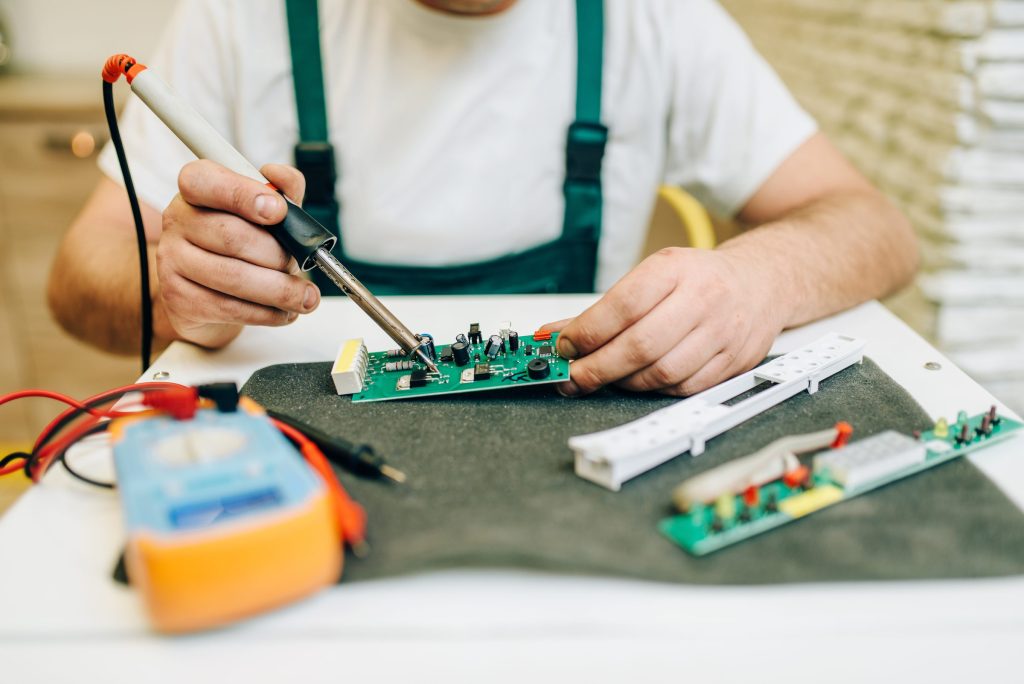
from $365 Control board replacement cost
The most expensive routine repair on this equipment, and the one most often ordered without needing to be. Damp and supply problems read exactly the same and cost nothing.
- National range for boards: $150–$300 on mainstream equipment
- Damp on a board clears on its own more often than people expect
- The code says which of the two boards, before anything is ordered
-
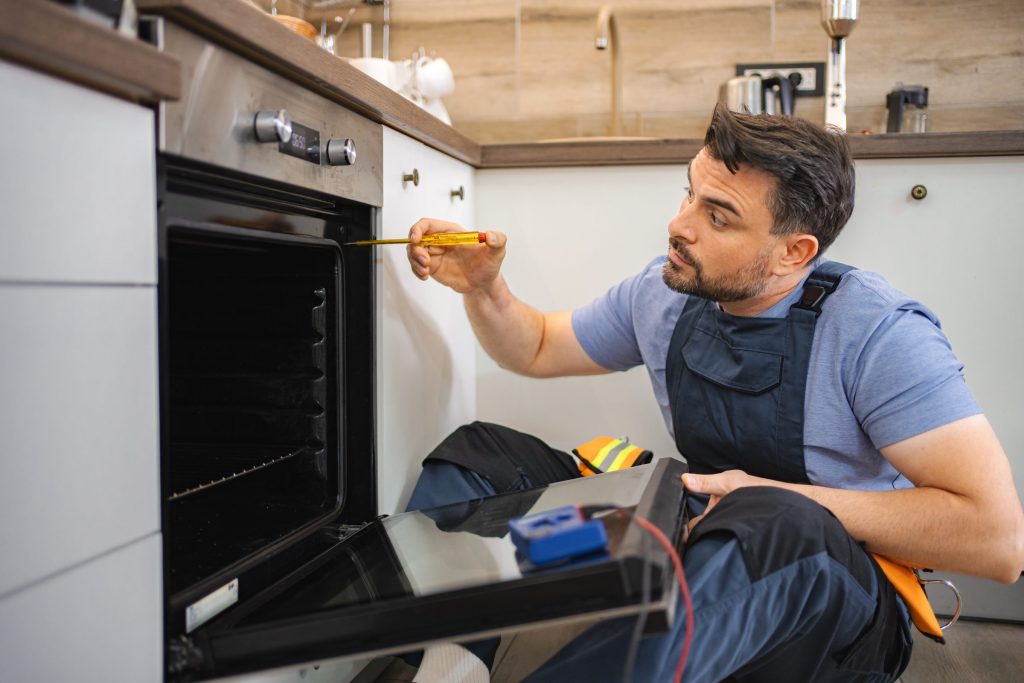
from $95 Diagnostic visit
Somebody who works on this equipment every week, in front of your appliance, telling you what is wrong and what it costs to put right. Credited against the repair if you go ahead.
- Codes read out of the control, not guessed at
- A written figure before any work starts
- Credited to the repair when you go ahead
-
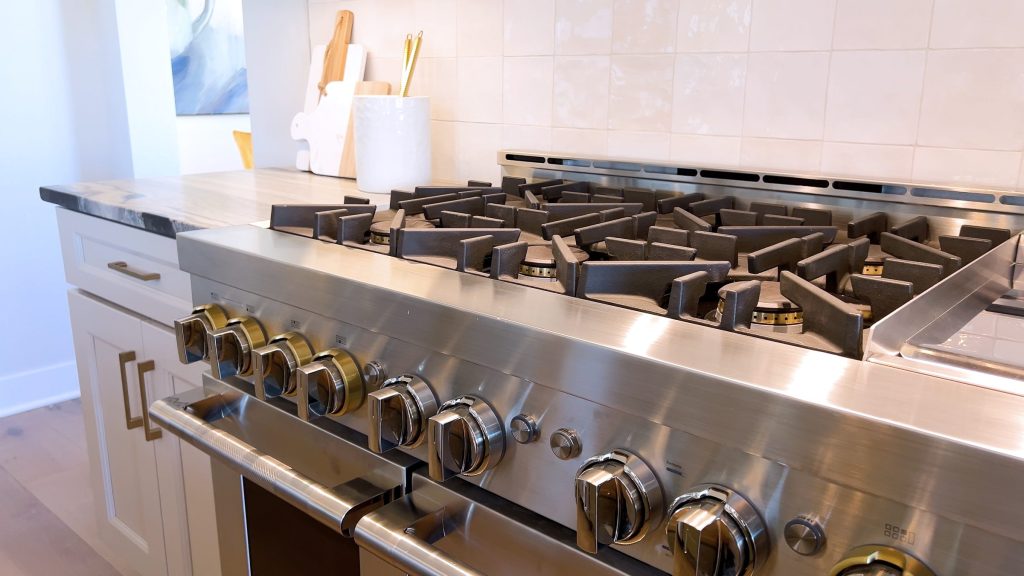
Dual fuel · Gas · Induction · 30" 36" 48" 60" Ranges
The appliance the brand is built around, and on a dual fuel range it is two appliances sharing one cabinet: gas burners on top, an electric oven underneath, one control answering for both. Which half is misbehaving is the first question, because the two have almost nothing in common inside.
- A burner that clicks and never lights
- The oven not reaching or holding temperature
- A four-character code on the panel after a power cut
Questions people ask about this
Is it worth repairing a fifteen-year-old range?
Usually, and this is one of the few appliances where that is honestly true. The expensive, durable half — chassis, burners, cavity — is generally still sound, and what has failed is a board or a sensor. We will give you the arithmetic rather than an opinion.
Why is a board more here than on a mainstream range?
Because it is a different part and it sits behind a professional chassis. The published national figures for control boards are drawn from mainstream appliances, and we would rather print a higher honest number than a reassuring one we cannot hold.
Are parts easy to get?
For current and recent equipment, yes, ordered against the model number. For the legacy E and L Series it is slower but generally possible, and we confirm a part is the problem before ordering it rather than after.
Would replacing be cheaper?
Rarely, and the reason is the opening rather than the appliance. A built-in or a fitted range has to be matched to a cutout somebody built a kitchen around, which narrows the choice and raises the price well past the repair.
Does the red knob cost extra?
It is a part like any other, and not an expensive one. It is also the most visible thing on the appliance, which is why a cracked one bothers people more than the price suggests it should.
Cost Expectations
More guides like this one
-

What an Appliance Service Call Costs in South Florida — and What It Should Include
The national ranges, what a diagnostic fee is actually buying, and the three things a visit should leave behind: a named part, a written figure, and an honest answer about whether the appliance is worth it.
Read more
Tell us the model number and what it is doing.
This article is based on:
- Official manufacturer documentation
- Internal repair procedures
- Technician repair history
- Company quality standards